Mind Cloning: The New Frontier of AI
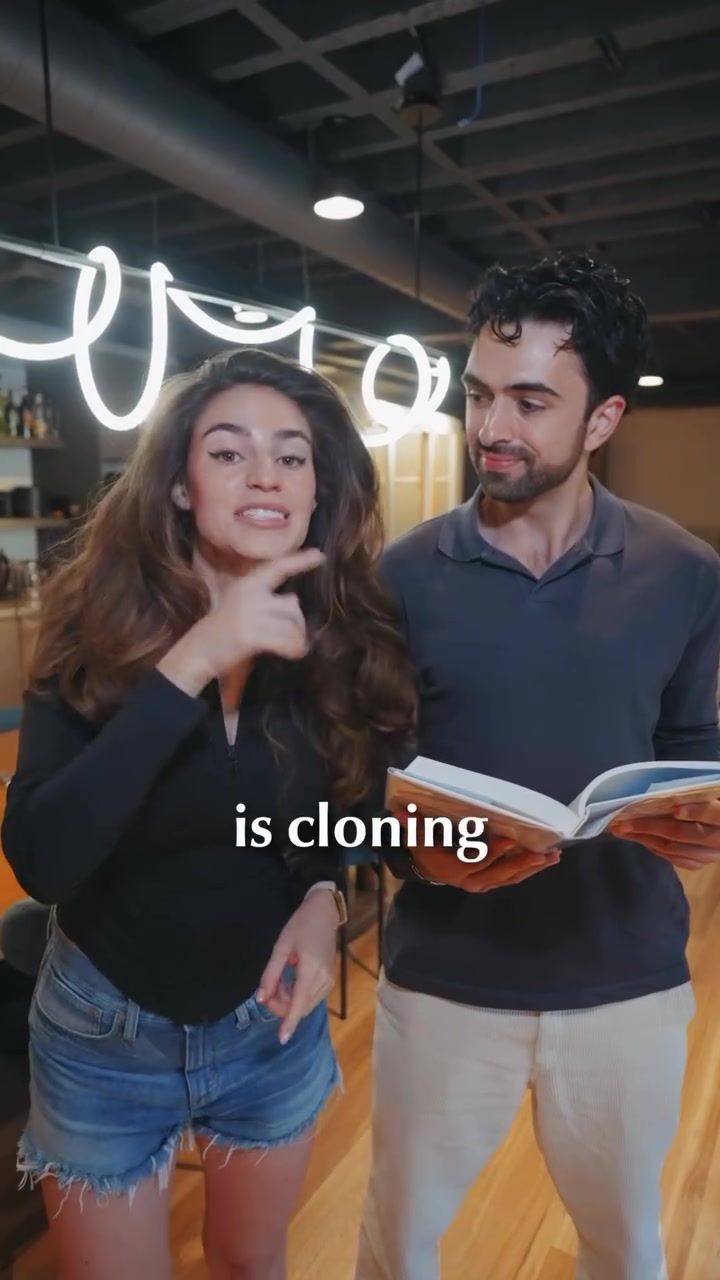
Dara is cloning human brains. Upload every piece of your digital data: podcasts, social media, writings, interviews. In just 15 minutes, an AI clone of your mind appears online now, ready to talk. This is mind cloning, a technology that makes a digital copy of someone's consciousness. It’s an idea that has captivated Dara Javardian for years. It’s more than just a technological marvel; it's a new method to explore human potential and the internet’s future. The practice has now captured the minds of thousands.
The Mind-Building Block of the Future
Delphi AI is evolving the internet from an information hub to a place where anyone can converse with a digital echo. Jay Shetty, Eckhart Tolle, and Arnold Schwarzenegger have all tried it. Are we on the edge of an unimaginable online revolution? Through Delphi AI, users will no longer be restricted to watching videos. Now, anyone can ask questions and get answers directly from the source.
The Technology Behind Mind Cloning
Translating Brains to Algorithms
In 2012, Dara Javardian discovered AI at school. He read "How to Create a Mind" and was hooked. Javardian picked up coding and began building AI programs. AI can learn from all kinds of digital data. By training AI on someone’s data, we’re "teaching" it how to think like that person. Javardian translated this skill into mind cloning.
The Grandfather that Changed It All
When Dara was ready to set up a company, he turned to his grandfather for guidance. But his grandfather had suffered a stroke and could no longer communicate. Not willing to let the opportunity be unanswered, the grandson trained an AI model on all his grandfather's writings and suddenly could ask questions. The AI portrayed his grandfather's voice. It wasn't just a bridge to his grandfather, it was a revolutionary discovery for Dara. He could clone his mind. This was a life-changing moment for him. After this, he founded Delphi AI
Storage for the Stream of Consciousness
People can upload their data, and in 15 minutes, a clone of their mind appears online. Delphi AI takes all these methods to the next level. By uploading digital data, the AI model learns how the person would think and responds.
Why It Matters: The Future of Conversations
Mind cloning is more than just entertainment or convenience. It's a way to preserve the minds of thousands. We can cherish the wisdom of someone who has passed away through the archive of their digital data in Delphi AI. This will modernize what we know about consciousness and digitized legacy.
Building the Next Internet
The internet is evolving. An internet built on information is now outdated. The internet of the future won’t be built on information, but on cloned human minds.
The Practical Side of AI Mind Cloning
Closely following the sources gives us a clear picture of how to clone our minds. It is a straightforward process. Here’s one simple way to get started:
- Choose Your Data: This includes podcasts, social media, writings, and interviews.
- Upload Your Data: Use Delphine AI.
- Watch Your Mind Clone: In just 15 minutes, a clone of your mind will appear online which you can talk to.
- Ask Questions: The AI model will respond exactly like you would.
Questions readers ask
What is the process of creating a mind clone through Delphi AI?
Creating a mind clone with Delphi AI involves uploading all your digital data—podcasts, social media posts, writings, and interviews—to their platform. The AI then learns from this data to mimic your thinking patterns. In just 15 minutes, a digital version of your mind is ready to interact online.
How did Dara Javardian come up with the idea of mind cloning?
Dara Javardian's journey into mind cloning started when he was inspired by the book 'How to Create a Mind' in 2012. Later, when his stroke-afflicted grandfather could no longer communicate, Dara trained an AI model on his grandfather's writings, which led to the groundbreaking realization that he could clone a mind.
Who has tried out Delphi AI’s mind cloning technology?
Several notable figures have experimented with Delphi AI, including Jay Shetty, Eckhart Tolle, and Arnold Schwarzenegger. This highlights the growing interest and potential of mind cloning technology beyond just personal use.
How does mind cloning differ from traditional information sharing on the internet?
Mind cloning goes beyond just sharing information. Instead of passive consumption of content, users can have interactive conversations with digital echoes of individuals. This shifts the internet from a static information hub to a dynamic space for personal interactions.
What are the potential applications of mind cloning beyond personal use?
Mind cloning has significant implications for preserving the wisdom and knowledge of individuals who have passed away. It also opens up new avenues for research into consciousness and could revolutionize how we think about digital legacies and online interactions.
Is there a risk of misrepresentation in mind cloning?
The accuracy of a mind clone depends on the quality and comprehensiveness of the digital data used to train the AI. While Delphi AI strives to create a faithful representation, there's always a possibility of misinterpretation or incomplete capture of a person's thoughts and personality.
How does Delphi AI ensure the security and privacy of the data uploaded for mind cloning?
The article does not provide specific details on data security and privacy measures implemented by Delphi AI. For concerns about data protection, it would be best to consult Delphi AI's official documentation or contact their support team directly.
Related deep dives
Similar reads based on topic and creator.
Recent articles
Fresh deep dives from the latest Reels we unpacked.

Comments
Be the first to comment.