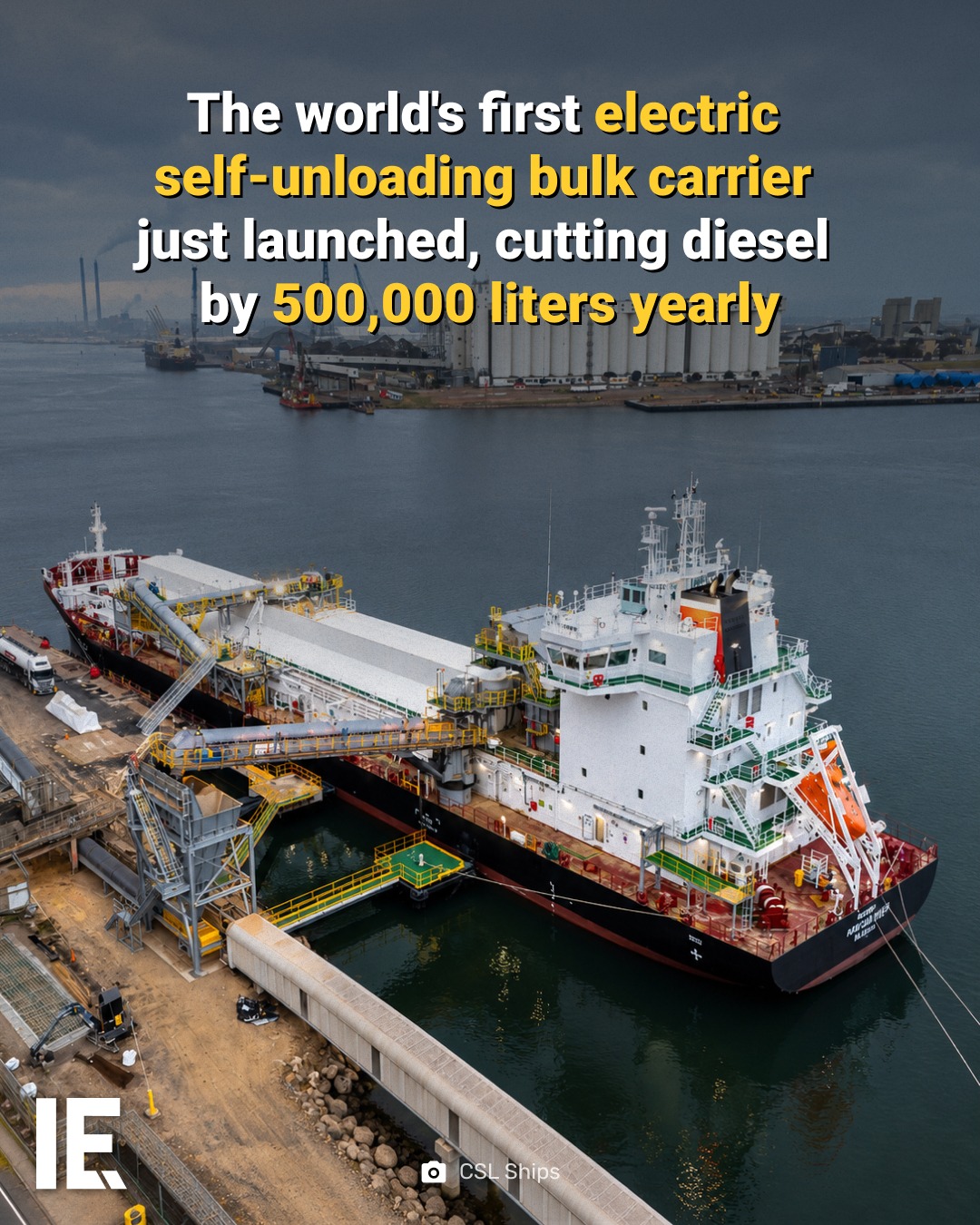
Electric ships are no longer just a futuristic vision. CSL Ships recently launched the world's first electric self-unloading bulk carrier, a milestone that signifies a major shift towards green shipping. The ship's central innovation is its electric propulsion and self-unloading mechanism. Unlike traditional carriers, this vessel uses electricity for propulsion, drastically reducing its carbon footprint. Running on electric power, the ship's diesel usage is cut by 500,000 liters each year, making it a trailblazer in sustainable shipping.
What is the Electric Bulk Carrier?
The world's first electric self-unloading bulk carrier is a radically reshaped version of a conventional bulk carrier. This vessel combines two key technologies: electric propulsion and self-unloading capacity. The electric propulsion system eliminates the need for traditional diesel engines, which significantly reduces emissions. Self-unloading is another distinctive feature of this vessel. Traditionally, unloading bulk cargoes typically requires cranes or manual labor, which can be costly and time-consuming. This carrier, however, uses conveyor belts and other automated mechanisms to transfer cargo without external assistance, boosting efficiency and safety. The fusion of these two innovations offers a clear environmental and economic advantage. With electric propulsion, the vessel reduces its annual diesel consumption by 500,000 liters, a significant decrease that demonstrates the potential of electrifying maritime transport. Self-unloading not only expedites the unloading process but also minimizes the risks associated with manual labor and external equipment.
A New Fleet for Sustainable Shipping
The electric bulk carrier represents a significant stride in the maritime industry's transition to greener, more efficient operations. The shipping sector is under growing pressure to reduce its carbon footprint. The International Maritime Organization, the industry's global regulator, has set ambitious goals to cut greenhouse gas emissions. The electric bulk carrier stands out as a testament to the practical solutions that innovative technology is bringing. This launch is a milestone for CSL Ships, showing the maritime industry that electric propulsion and automated cargo handling are viable and beneficial.
The Ship's Engineering and Automation Process
The ship’s electric propulsion system is a marvel of engineering that operates on a combination of diesel and electric power. In electric mode, large batteries power electric motors, while in hybrid mode, they enhance diesel engine efficiency. This hybrid combination allows the bulk carrier to achieve massive emission reductions. The ship’s self-unloading mechanism is equally awe-inspiring. The system leverages conveyor belts and automated machinery to transfer cargo from hold to shore in a continuous, efficient manner. This elimination of manual operations also reduces the risk of human errors and workplace injuries. The electric bulk carrier’s electric propulsion technology involves a sophisticated power management system. This allows the ship to utilize battery power, and diesel power, or a combination of the two, depending on operational needs. The system’s adaptability enables the carrier to navigate different sea conditions and cargo loads efficiently.
How self-unloading saves the day
With an automated unloading system, the electric bulk carrier is reversing the need for extensive port equipment. Rather than relying on outdated, less efficient cranes or manual labor, unloading procedures are streamlined for rapid cargo transfer. The self-unloading mechanism also enhances loading efficiency, enabling the ship to load and unload cargoes faster and more accurately.
How the Ship's Propulsion Works
The electric propulsion system of the electric bulk carrier is designed for both marine and port operations. It uses a sophisticated power management system that allows the vessel to utilize either battery power or a hybrid combination of diesel and battery power, depending on operational needs. This system is adaptable and efficient, ensuring that the ship can handle varied sea conditions and cargo loads. This unique feature substantially cuts the overall diesel usage. While traditional ships may spend a large portion of their fuel budget on the power required to sail, the electric carrier significantly reduces this expenditure by harnessing the power of electricity and even reusing energy from the ship's automated systems.
#### Potential for Wider Maritime Adoption
The example set by the electric bulk carrier is a powerful incentive for the industry to embrace green technology. Maritime companies, under increasing pressure from regulators and customers to reduce emissions, are exploring ways to integrate electric and hybrid technologies into their fleets. Environmental benefits aside, economic incentives also pave the way for the adoption of electric propulsion. Lower operating costs due to reduced diesel usage can translate to substantial savings over time. In the long run, this shift could stabilize fuel costs and make the maritime industry more resilient to market volatility.
The Path to Green Shipping
The development of the electric bulk carrier has been a rigorous, multi-year process. Initially, CSL Ships evaluated various technologies to achieve the best balance of performance, efficiency, and environmental impact. The enterprise benefited from collaborations with engineering experts and technology firms. The final design reflects meticulous planning and engineering to ensure the ship's viability and long-term sustainability.
Making the Switch
- Evaluate Fleet Needs: Assess how an electric propulsion system and automated unloading capabilities can integrate with existing operations. Look at routes, port facilities, and crew training.
- Explore Power Solutions: Research the best power management systems and battery technologies tailored to maritime applications. Consider both hybrid and fully electric options.
- Leverage Industry Expertise: Collaborate with engineering firms and maritime consulting experts. Seek case studies and best practices from existing electric and hybrid vessel operators.
- Communicate Benefits Clearly: Highlight the cost savings, environmental impact, and operational advantages to stakeholders. Be ready to navigate regulatory hurdles and secure any necessary approvals.
- Train Personnel: Prepare for the shift in operational skills. Electric propulsion and automated systems will require staff to be retrained.
The Electric Bulk Carrier: An Electric Moment in an Old Industry
The electric bulk carrier by CSL Ships heralds a promising direction for the maritime industry. The vessel is poised to serve as a template for future ships, showing how electric propulsion and unloading automation can pave the way for more sustainable and efficient shipping. Addressing the challenges the industry faces regarding environmental impact, the breakthrough marks a significant step forward in reimagining maritime operations. As more companies consider this technology, we may be looking at the beginning of a cleaner, greener maritime era.
Questions readers ask
What exactly makes this electric bulk carrier 'electric'?
The electric bulk carrier uses electric propulsion for its operation, which means it runs on electricity instead of traditional diesel engines. This significantly reduces the vessel's carbon footprint and diesel consumption by 500,000 liters annually. The ship also has a hybrid mode that combines diesel and electric power to further enhance efficiency.
How does the self-unloading mechanism work on this electric bulk carrier?
The self-unloading mechanism uses conveyor belts and automated machinery to transfer cargo from the ship's hold to the shore. This automated process eliminates the need for external cranes or manual labor, making it more efficient and safer than traditional unloading methods.
What are the benefits of using an electric bulk carrier over traditional diesel-powered ships?
Electric bulk carriers offer significant environmental and economic advantages. They reduce diesel consumption by 500,000 liters annually, which cuts down emissions, and they expedite the unloading process with automated mechanisms, minimizing risks associated with manual labor and external equipment.
How does the electric propulsion system work on this bulk carrier?
The electric propulsion system operates using large batteries that power electric motors. In hybrid mode, the batteries enhance the efficiency of the diesel engines, allowing the ship to achieve massive emission reductions. The power management system allows the ship to switch between battery power, diesel power, or a combination of the two.
Is this the first time an electric bulk carrier has been introduced in the shipping industry?
Yes, this electric bulk carrier is the world's first of its kind. It represents a significant milestone in the maritime industry's transition to greener, more efficient operations, and demonstrates the viability of electric propulsion and automated cargo handling in shipping.
What are the environmental benefits of this electric bulk carrier?
The electric bulk carrier significantly reduces its carbon footprint by slashing diesel use by 500,000 liters a year. This reduction in diesel consumption leads to lower greenhouse gas emissions, making it a trailblazer in sustainable shipping and helping the maritime industry meet its environmental goals.
Recent articles
Fresh deep dives from the latest Reels we unpacked.




Comments
Be the first to comment.