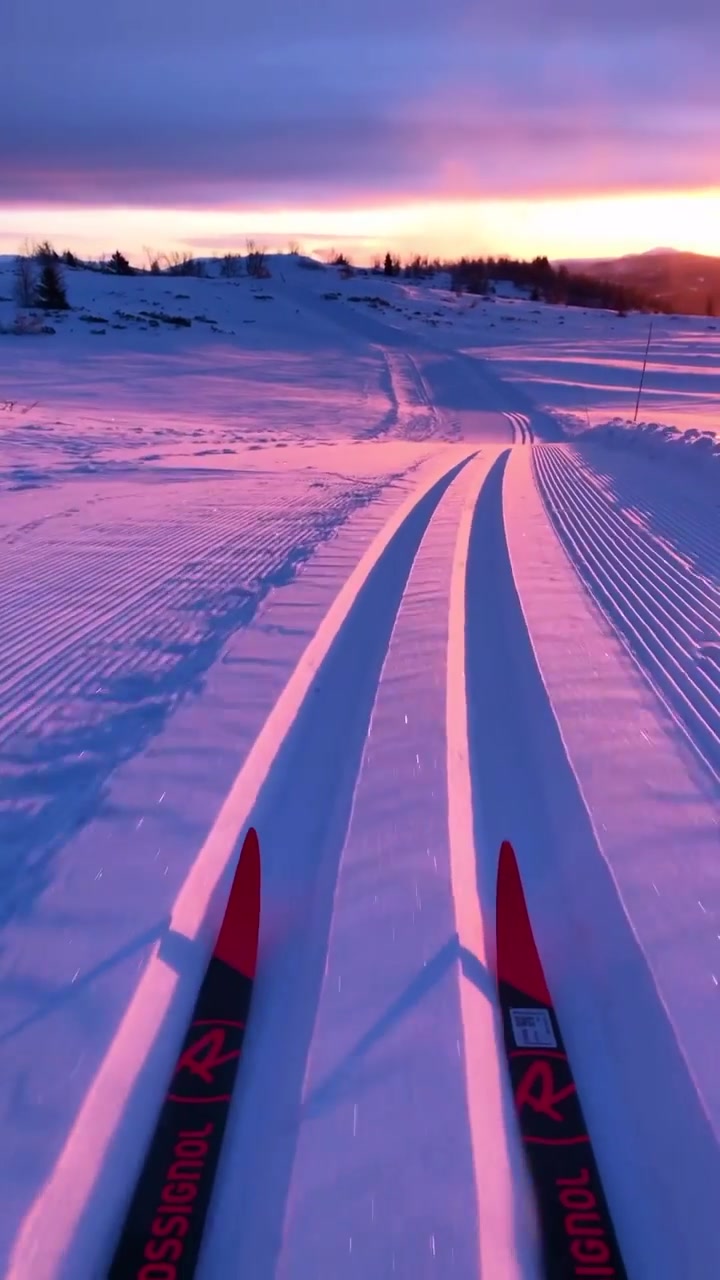
Cross-Country Skiing is that Dreamy Winter Sport
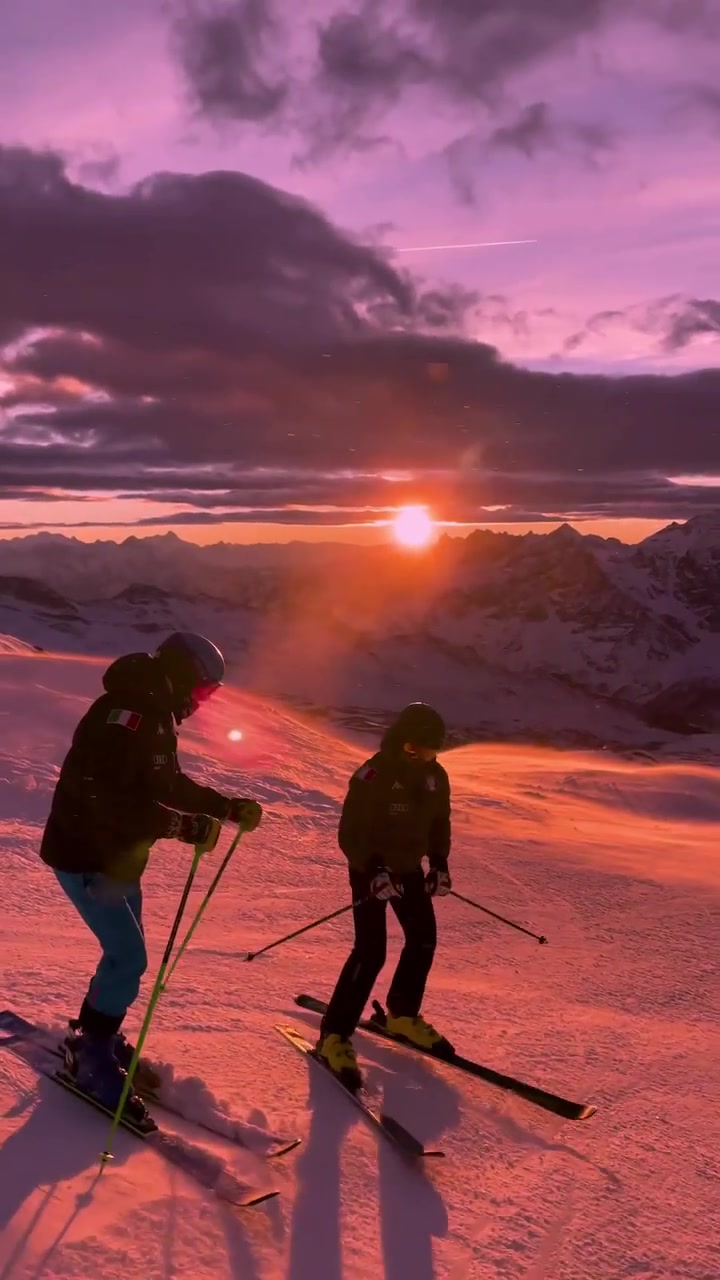
Enter the snowy realm of cross-country skiing. The tracks, the silence, the sunset — this is the sport where "sweet dreams are made of" the icy landscape. The sensation of gliding over perfectly groomed trails, with skis snapping like a metronome, is what faithful converts pine for. Groomed tracks, gentle exertion, and natural beauty make this sport a favorite among winter enthusiasts.
Gliding, Walking, and Cross-Country Skiing
Cross-country skiing is a sport that combines elements of both walking and gliding. Although it’s a winter activity, it’s not confined to steep slopes or icy terrain; in fact, participants are often found on trails. The distinctive feature is the V-shape left by the skis. The sport offers different movement styles: classic, which involves diagonal stride and other techniques, and skating, which mimics ice skating movements. Skis come in a variety of lengths and styles depending on skill level and technique. The skis featured in the video are ROSSIGNOL skis, a brand known for its quality equipment.
Fresh Air, Nature, and Nordic Cross-Country Skiing
Cross-country skiing stands out as a sport that bridges the gap between outdoor exercise and nature appreciation. It's a gentle excursion in the winter that is also a cardio workout. Enthusiasts can make a day of it, pausing by rivers and lakes, skiing over hills and dales, all while being surrounded by a pristine winter landscape. Cross-country skiing is a great escape from urban life without needing to travel far from civilization. Compared to other winter sports, it seems more accessible and less intimidating. Cross-country skiing offers an enjoyable activity in an inspiring environment.
The Art of the Glide
Classic Technique
A classy skier steps forward with one leg while the other ski remains stationary on the snow. This is the classic technique, which involves pushing and gliding. A classy skiers often have a more "hands-on" experience with the terrain since they're in constant contact with the ground and also whilst gliding. Classic skis are relatively longer. Mastery of the classic technique requires practice and patience, but perfecting it offers a unique sense of accomplishment.
Skate Technique
The skating technique involves pushing off with one ski and gliding, mimicking the motion of ice skating. This technique is more dynamic and faster than the classic technique. Skate skis are shorter and stiffer to facilitate lateral movements. Skaters make greater use of the skis' edges, carving and turning with more precision. When conditions are good, skaters can move with grace through a scenic landscape.
Skiing vs Gliding
Classic Skiing vs Gliding
Classic skiing involves a more deliberate, methodical approach. The skier's stride length and the resistance of the snow set the rhythm. The motion is fluid, long strokes that are made to feel like walking when done properly. When done right, the classic approach creates a "walking" motion that is rhythmic and fluid. Classic skiing is more adaptable to uneven surfaces and deeper snow. It’s the choice for those who prefer a more organic, natural feel while moving through the trails.
Skate Skiing vs Gliding
Skaters glide with more speed and power. The technique involves pushing off with dynamic, powerful strides and gliding for longer distances. Skating is more akin to ice skating or roller blading. Skating requires more skill and muscular engagement, but it offers a thrilling, more intense experience. The skis are shorter. The skate technique offers a higher-speed, more adrenaline-pumping experience.
How Pro Skiers Get Down the Mountains
Skiing downhill relies on the momentum built from gliding down the slope. Expert skiers initiate turns by shifting their weight and using ski edges. The slightest pressure on one ski can alter the direction of travel, allowing skiers to navigate through deep snow, trees, or even ride steep slopes. Their skis are much wider. This downhill approach demands more control and balance to navigate uneven terrain. The experience is one of power and precision.
The Nordic Experience: The Sport of Silent Pursuit
Cross-country skiing emphasizes balance, endurance, and discipline. It’s about gentle gliding strides in a ‘walking’ motion across pristine, snow-covered landscapes. Skaters ride long, flat distances at a rapid pace. Groomed tracks are required for classic skiers who push and glide. Nordic skiers take in the beauty of nature and the serene quiet of a snowy landscape. Nordic skiers often prefer the slower pace of classic skiing, enjoying the sound of their own rhythm and nature around them.
Nordic Skiing in Paradise
Locating Your Skis
Contact a local equipment rental shop. Ask about their best rental skis. Be open to trying out different types of skis and ask for tips on how to use them.
Find the Best Trails
Visit local parks or forest trails. Search online for groomed tracks in your area. Many offer classic and skate skiing options. Some offer guided tours. Research ski resorts that offer cross-country skiing. Don't forget to check the weather forecast and check for snow conditions.
Dress in Layers
Start with a moisture-wicking base layer, then add an insulating layer. Top it off with a waterproof and windproof outer layer. Don't forget gloves, a hat, and sunglasses. Wear warm socks made from wool or synthetic materials. Choose ski pants or snow pants for the bottom layer. Consider wearing a helmet for safety.
Practice Makes Perfect
Start with the classic technique. Master the basic strides and glides. Gradually move on to more advanced techniques like the diagonal stride and double poling. Once comfortable, try the skating technique. Focus on balance, weight distribution, and proper form. Practice on gentle slopes to build confidence. Watch instructional videos or take lessons from a professional. Practice every week.
Questions readers ask
What makes cross-country skiing different from other winter sports like downhill skiing or snowboarding?
Cross-country skiing is distinct from other winter sports as it combines elements of walking and gliding, and it’s typically done on flat or gently rolling terrain rather than steep slopes. It's also more accessible and less intimidating, allowing participants to enjoy nature and get a good workout at the same time. Additionally, the classic and skate techniques offer different styles of movement, making it a versatile sport.
Can I use the same pair of skis for both classic and skate techniques?
Not typically. Classic and skate techniques require different types of skis. Classic skis are longer and designed for a more linear motion, while skate skis are shorter and stiffer. However, some brands, like Rossignol, offer versatile models that can handle both techniques to a certain extent, but for optimal performance, it’s best to have a separate pair for each style.
How does cross-country skiing on Rossignol skis compare to using other brands?
Rossignol is a well-known brand in the skiing world, and its cross-country skis are renowned for their quality and performance. While other brands may offer similar features, Rossignol skis are often praised for their durability and the smooth glide they provide, which can enhance the overall experience of cross-country skiing. However, the best choice depends on personal preference and specific needs, such as skill level and technique.
Is cross-country skiing a good option for beginners?
Yes, cross-country skiing is an excellent option for beginners. It’s less intimidating than downhill skiing and can be done on relatively flat terrain. The classic technique, in particular, is more accessible for newcomers as it involves a more natural walking motion. Plus, the gentle exertion and beautiful winter landscapes make it an enjoyable way to get started in winter sports.
What kind of terrain is best for cross-country skiing?
Cross-country skiing is best enjoyed on groomed trails that are relatively flat or gently rolling. These trails are often found in parks and forests, offering a scenic backdrop for the sport. The terrain should be snow-packed and free of obstacles, allowing for a smooth glide and easy navigation. Classic skiing is particularly well-suited for uneven surfaces and deeper snow, making it adaptable to a variety of conditions.
How does the classic technique differ from the skate technique in cross-country skiing?
The classic technique involves a diagonal stride where one ski remains stationary while the other pushes forward, mimicking a walking motion. It’s more methodical and adaptable to uneven surfaces. The skate technique, on the other hand, mimics ice skating movements, involving more dynamic and faster pushes off with one ski and gliding. It requires shorter, stiffer skis and offers a more precise, carving motion.
Are there any health benefits associated with cross-country skiing?
Yes, cross-country skiing offers numerous health benefits. It provides a great cardio workout, engaging multiple muscle groups, including the legs, core, and arms. The sport also encourages outdoor activity, which can improve mental health and reduce stress. Additionally, the low-impact nature of the exercise makes it suitable for people of various fitness levels and ages.
Related deep dives
Similar reads based on topic and creator.


Recent articles
Fresh deep dives from the latest Reels we unpacked.

Comments
Be the first to comment.