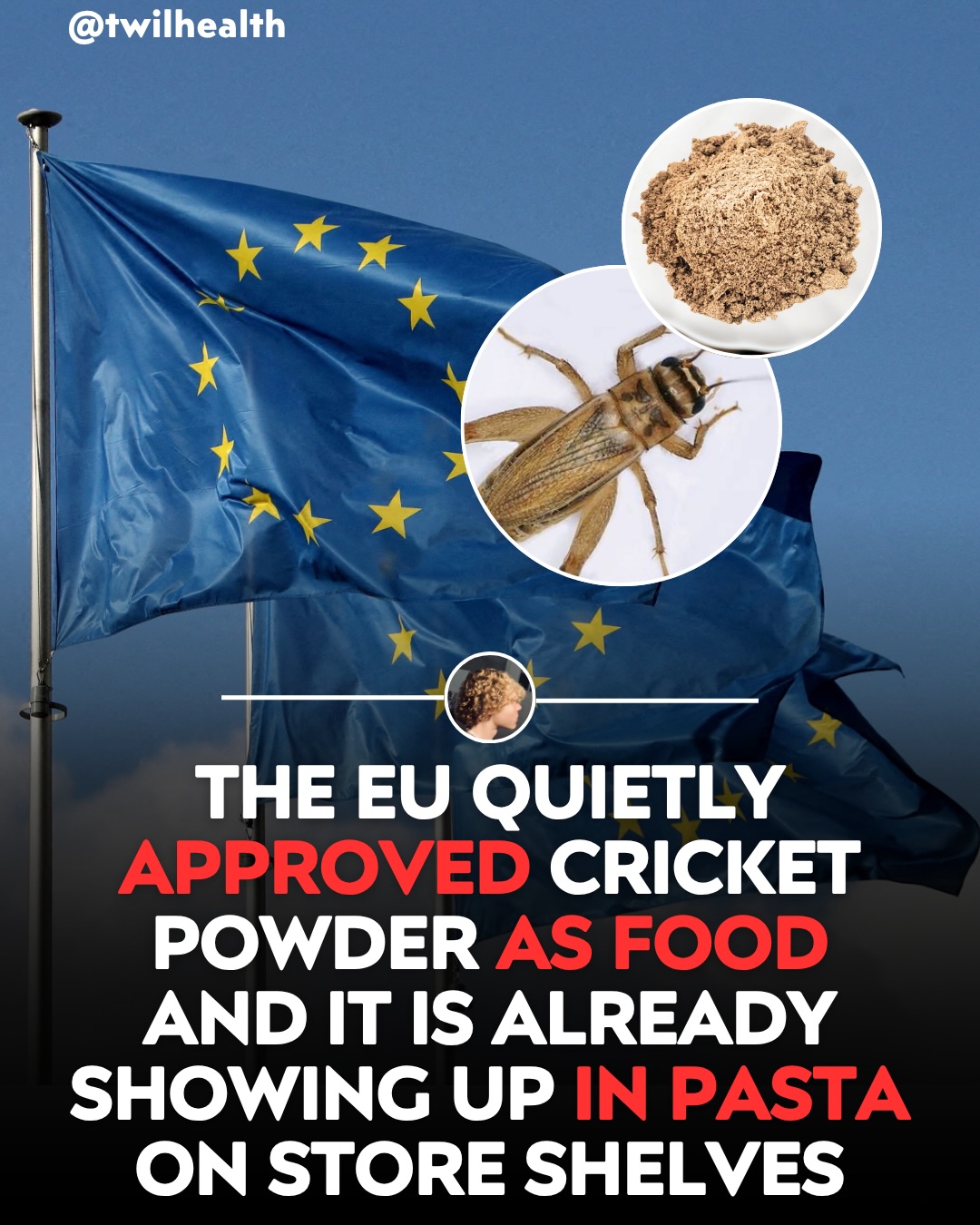
In 2021, the European Union granted approval for cricket powder as a food ingredient. This protein-rich powder, made from ground crickets, is already appearing on store shelves in unexpected places, such as pasta and snacks. In some cases, these products are labeled under unfamiliar brand names or lack specific indications of the presence of the cricket powder. The Pasta with a Protein Punch Cricket powder is a sustainable, nutritious protein source. The powder has a neutral taste that blends well with ingredients like pasta flour. The penne pasta made by the brand Tomorrow is a good example: it uses "durum wheat semolina and 10% cricket flour." The new approach to pasta. It is often touted as "protein pasta powered by crickets" or similar branding that signals extra protein content from an unexpected source. You might not recognize the brand — the brand Tomorrow — but products like this are emerging in local stores. The brand Tomorrow is a rising voice in the cricket-powered food sector. They declare the presence of cricket flour front and center on their packaging. Cricket powder is a complete protein, meaning it contains all nine essential amino acids our body needs. It's an upgrade — whether you're trying to meet high protein macros or just want a nutritious alternative to traditional wheat pasta. This trend doesn't feel like a mainstream food revolution yet. It feels like a wellness trend — cricket powder is a nutritional upgrade. Consider the way "ancient grains" like quinoa or "superfoods" like kale captured the marketplace. It's an interesting contrast to see a new trend in low-key, everyday foods like pasta. From Cupboards to Culture Replacing traditional wheat protein with cricket powder is part of a broader phenomenon of introducing alternative, sustainable, and nutritious ingredients into mainstream foods. EU approval is a signal of legitimacy as consumers become increasingly aware of the environmental impact of their eating habits. Some major pasta brands deny the use of cricket flour; there's a strong averse reaction to insects in food. But the taste remains, and the trend is expected to grow. The alt-protein trend is not new. It includes other foods like plant-based meat substitutes. The EU approval of cricket powder represents a further advancement in this cultural food change. Those looking for a sustainable alternative, with a significant protein boost and a neutral taste, can find it in the alt-protein aisle. With this seemingly odd alternative flourishing, why not expect to see "powered by crickets" on your local store's shelves? The Cricket is Coming If the brand Tomorrow is making the market, it's not clear where it's going. Insects are an unusual source. But it's clear that cricket powder is entering the market deliberately.
Tomato, Pasta, Crickets
Food products are known for their labels that tell the consumer what is in the food or where it comes from. The penne pasta made by the brand Tomorrow, declares its use of 10% cricket flour. This is the rare declaration of cricket flour in any product in the US. It is also the first domestic pasta to declare cricket flour as a main ingredient. The label on the pasta says "protein pasta powered by crickets." Such a label might be more characteristic of products aimed at athletes or health-nutrition aficionados than pasta. But it’s a starting point. Cricket-powered pasta is new for the US. Some brands even hide the content from consumers.
The Pasta Market is Changing
Some brands are using cricket-powered pasta as a unique selling point. These brands are not as well-known as their competitors. However, they are making a name for themselves. The EU approval of cricket powder as a food ingredient is a step toward sustainability. But it can be seen as a challenge for brands that prefer to hide the ingredient from consumers. The big pasta brands deny using it. Whether this is a marketing strategy or not, making a name for yourself in the cricket-powered pasta space is still a challenge. The alt-protein trend is expected to grow across the food industry. For now, this is the new profile of pasta.
Snacking on Sustainable protein
The most intriguing aspect of cricket flour is its sustainability. A 2014 FAO report estimates that insects are ten times more efficient at protein conversion than cows. Cricket flour is also a high-protein food source. And it is rich in omega-3 fatty acids, vitamins and minerals like iron, magnesium, and calcium. For home cooks, some brands offer cricket flour as a direct ingredient to incorporate into pasta and snacks. Home cooks can also experiment with cricket flour as a substitute in their recipes, perhaps starting with recipes where the neutral flavor and fine texture of the cricket flour will not be a problem.
A Practical Approach
It’s easy to find cricket powder online if you are overwhelmed by insect protein. It’s also easy to find recipes for the average home cook. The EU market is opening up to using cricket powder in pasta and snacks. Those interested in trying this nutritious food source can do so. This protein-rich powder made from ground crickets is easily accessible to the average home cook. The recipe is simple. The crustacean-to-pasta ratio to use is 10%. This is the same as tomorrow's pasta. The compatibility and neutral taste of the powder makes it an easy choice for home cooks. The powder is easy to find and the recipe is simple. Cricket powder is a protein-rich powder that can be used to make pasta and other snacks. The EU has approved it as a food ingredient. It can be found in stores under unfamiliar brand names. The trend of using cricket powder in pasta and snacks is expected to grow in the food industry. The brand Tomorrow is a rising voice in the cricket-powered food sector. The EU approval of cricket powder is a step toward sustainability.
Questions readers ask
What exactly is cricket powder and why is it being used in pasta?
Cricket powder is a protein-rich ingredient made from ground crickets. It's being used in pasta to boost protein content, making it a nutritious alternative to traditional wheat pasta. The powder has a neutral taste that blends well with pasta flour, so it doesn't significantly alter the taste of the pasta.
How does cricket powder compare to other protein sources like meat or plant-based proteins?
Cricket powder is a complete protein, meaning it contains all nine essential amino acids. This makes it comparable to meat and more complete than many plant-based proteins. It's also more sustainable, as crickets require less resources to raise than livestock.
Is cricket powder safe to consume and how was it approved for use in the EU?
Yes, cricket powder is safe to consume and was approved for use in the EU in 2021. The approval process involves rigorous safety assessments to ensure it meets food safety standards. The EU's approval is a signal of legitimacy for consumers concerned about the environmental impact of their food choices.
Why might some pasta brands avoid using cricket flour despite its benefits?
Some major pasta brands may avoid using cricket flour due to consumer aversion to insects in food. There's a strong negative reaction from some consumers, which can deter brands from using it. However, the trend is expected to grow as more people become aware of its nutritional and environmental benefits.
Are there other foods besides pasta that use cricket powder as an ingredient?
Yes, cricket powder is already being used in snacks and other food products. It's part of a broader trend of introducing alternative, sustainable, and nutritious ingredients into mainstream foods. So you might see it in other products in the future.
What does the EU approval of cricket powder mean for its future in the food industry?
The EU approval of cricket powder is a significant step toward mainstream acceptance. It signals legitimacy and could encourage more brands to use cricket powder in their products. This approval is part of a broader cultural shift towards sustainable and nutritious food options.
How can I identify pasta that contains cricket powder if it's not always clearly labeled?
Some pasta brands, like Tomorrow, clearly label their use of cricket flour. However, not all brands may be as transparent. If you're unsure, look for pasta labeled as high in protein or with unusual branding that hints at alternative ingredients. If the packaging does not clearly state the presence of cricket powder, you might need to contact the manufacturer for clarification.
Related deep dives
Similar reads based on topic and creator.



Recent articles
Fresh deep dives from the latest Reels we unpacked.




Comments
Be the first to comment.