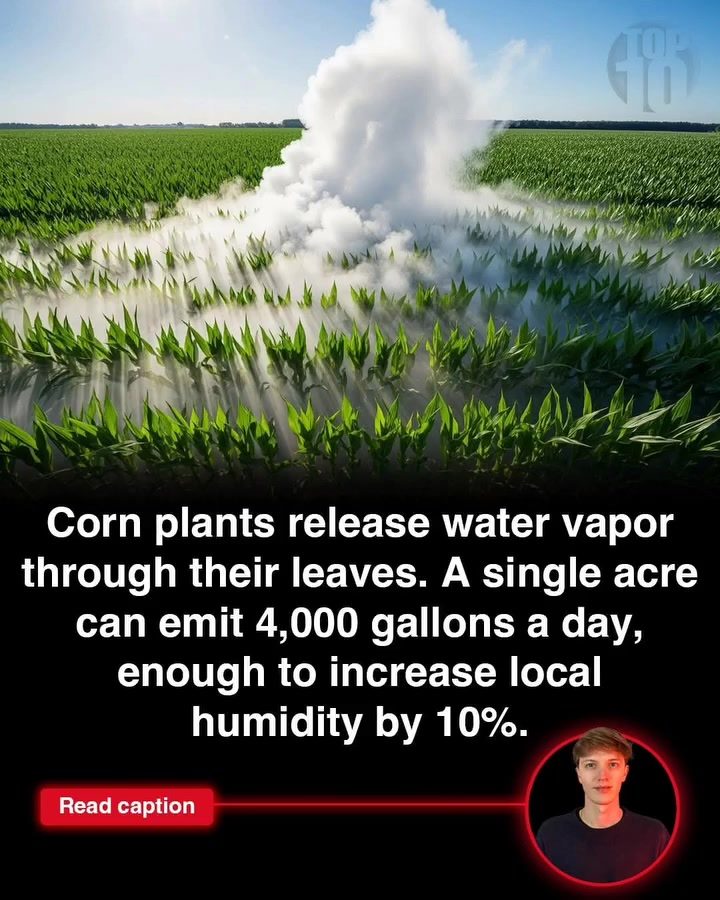
Cornfields and Summer Humidity
Cornfields across the Midwest don't just produce crops; they also significantly influence local humidity, making summer days feel even more uncomfortable. This phenomenon, often referred to as "corn sweat" by farmers, is a result of a natural process called transpiration, where corn plants release water vapor into the air through their leaves.
Why This Matters
Understanding how cornfields affect humidity is crucial, especially for those living or working in regions heavily covered by these crops. The impact of corn sweat extends beyond personal discomfort, affecting everything from local weather patterns to agricultural practices. This phenomenon can make hot summer days feel even stickier, and it highlights the intricate relationship between plants and the environment.
Main Discussion
Understanding Transpiration
Transpiration is a fundamental process in plants where water is carried through plants from the roots to the leaves, where it evaporates into the atmosphere. This process is essential for plants as it helps transport nutrients and maintains plant structure. In cornfields, the sheer number of plants and the vast area they cover means that the amount of water vapor released can be substantial.
The Science Behind Corn Sweat
Corn plants release a significant amount of water vapor. To put this into perspective, a single acre of corn can emit up to 4,000 gallons of water daily. This enormous amount of water vapor can increase local humidity by as much as 10%. For farmers and residents in areas with extensive cornfields, this added moisture can make the air feel heavy and sticky, exacerbating the discomfort of hot summer days.
Regional Impact
The Midwest, known for its vast cornfields, is particularly affected by this phenomenon. The region's climate, characterized by hot summers, is further intensified by the moisture released from the cornfields. This added humidity can lead to more frequent thunderstorms and increased humidity levels, affecting both crop management and personal comfort. Understanding this impact helps farmers and residents better prepare for the season and adapt their practices accordingly.
The Role of Climate and Weather
Climate and weather conditions play a critical role in how transpiration affects the environment. Warmer temperatures and higher sunlight intensity increase the rate of transpiration, leading to more water vapor release. This, in turn, affects local weather patterns, creating a feedback loop where the environment and the crops interact and influence each other.
Agricultural Practices
For farmers, managing transpiration is an essential aspect of crop management. Techniques such as irrigation management, planting density, and crop rotation can help regulate the amount of water vapor released. By optimizing these practices, farmers can mitigate the effects of high humidity and create a more balanced environment for both crops and people.
Practical Tips
For Farmers
- Monitor Soil Moisture: Regularly check soil moisture levels to ensure that plants are not stressed, which can lead to excessive transpiration.
- Use Shade Structures: In extreme heat, consider using temporary shade structures to reduce the direct impact of sunlight on the crops, which can help regulate transpiration.
- Rotation Crop: Practice crop rotation to diversify the plant types in the field, reducing the overall impact of high humidity.
- Irrigation Management: Use efficient irrigation methods, such as drip irrigation, to manage water supply effectively, without overwatering, which can exacerbate humidity levels.
For Residents
- Stay Hydrated: Drink plenty of water to stay hydrated, especially during high humidity.
- Use Air Conditioning: Make use of air conditioning systems to maintain a comfortable indoor environment during hot and humid days.
- Plan Outdoor Activities: Schedule outdoor activities during cooler parts of the day, such as early mornings or late evenings, to avoid peak humidity levels.
Important Takeaways
Cornfields play a significant role in the local environment, particularly in terms of humidity. This phenomenon, known as "corn sweat," arises from the natural process of transpiration. Understanding how cornfields affect humidity can help both farmers and residents better prepare for and manage the impacts of this phenomenon. By implementing practical tips and adapting practices, it is possible to mitigate the effects and create a more comfortable environment.
Conclusion
Cornfields do more than just produce crops; they actively influence local weather patterns by releasing significant amounts of water vapor. This "corn sweat" can make summers feel even more humid, especially in regions like the Midwest. By understanding the science behind transpiration and its impact, both farmers and residents can better adapt to and mitigate the effects of this natural process. Whether through crop management practices or personal comfort strategies, awareness of this phenomenon can lead to a more balanced and comfortable environment.
Questions readers ask
What exactly is 'corn sweat' and how does it affect summer humidity?
'Corn sweat' is a term used to describe the process of transpiration in corn plants, where they release water vapor into the atmosphere. This phenomenon significantly increases local humidity, making summer days feel hotter and more uncomfortable, especially in regions with vast cornfields like the Midwest.
How does transpiration in corn plants contribute to environmental humidity?
During transpiration, corn plants absorb water from the soil and release it as water vapor through their leaves. This process adds substantial moisture to the air, contributing to the overall humidity levels in the surrounding environment.
Why are cornfields in the Midwest particularly notable for their impact on summer humidity?
The Midwest is known for its extensive cornfields, which cover large areas of land. The sheer scale of these fields means that the collective transpiration from countless corn plants can significantly increase local humidity, making the region's summer days feel even more humid.
Can the 'corn sweat' effect influence local weather patterns?
Yes, the increased humidity from 'corn sweat' can influence local weather patterns. Higher humidity levels can affect temperature perception, making it feel hotter, and can also impact cloud formation and precipitation. This interaction between cornfields and the atmosphere is a key aspect of the regional climate.
How can understanding the 'corn sweat' phenomenon benefit agricultural practices?
Knowing how 'corn sweat' affects humidity can help farmers make informed decisions about crop management. For instance, understanding the timing and extent of transpiration can aid in irrigation planning and pest management, as many pests thrive in humid conditions.
Are there any studies or research focused on the 'corn sweat' phenomenon?
Yes, there have been studies and research focused on understanding the 'corn sweat' phenomenon. These studies often delve into the mechanisms of transpiration, the impact on local climate, and the broader environmental implications of large-scale crop cultivation.
How does the release of water vapor from corn plants impact the immediate air quality?
The water vapor released from corn plants can make the air feel damp and sticky. This increased moisture can also affect air quality by influencing the formation of ground-level ozone and other pollutants, which can have broader implications for air quality and health.
Related deep dives
Similar reads based on topic and creator.




Recent articles
Fresh deep dives from the latest Reels we unpacked.



Comments
Be the first to comment.