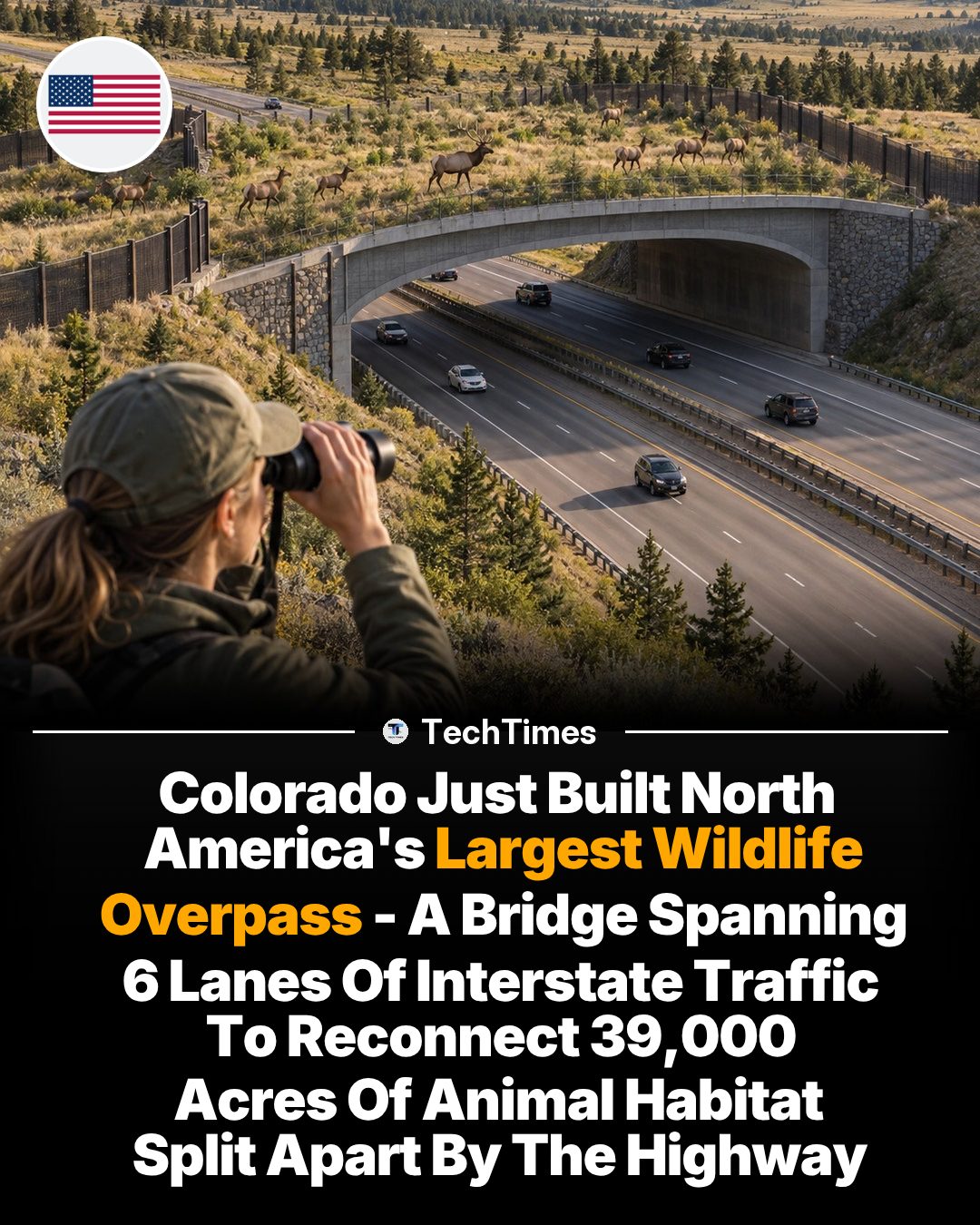
Wildlife can be a problem for commuters on Colorado’s interstate highways, where animals may otherwise wander or try to cross. Wildlife that are not on the road are sometimes hit by cars that speed through these areas. The animals that survive, and do not become dangerous to humans, will be safe on a new bridge designed to change that. Highways have long been a barrier that divided Colorado’s wildlife into isolated enclaves. Colorado’s overpass is now the largest wildlife bridge in North America, crossing six highways lanes to reconnect 39,000 acres of animal habitat. The bridge was built between I70, forming a safe pathway for animals to cross from the mountains and the foothills in the west, to the plains and sagebrushland in the east. Fewer animals will be threatened by cars and move more freely into a more robust ecosystem. The overpass wasn’t meant to only separate wildlife from human traffic. Rather, it can create a cohesive ecosystem between the mountain and plains.
A Bridge to More Natural Movement
The overpass is a creative solution for wildlife conservation. It serves as a critical passageway for animals, enabling them to traverse the divided ecosystem. This allows animals to move between areas for food, breeding, or shelter more reliably. The overpass is designed to mimic the natural terrain, complete with plants. The overpass is not just a physical structure; it's an innovative approach to wildlife conservation. It’s a testament to how humans and wildlife can coexist harmoniously. The overpass connects previously isolated habitats, allowing animals to move freely and maintain genetic diversity. This continuous habitat is essential for the long-term survival of many species, as it provides more space to roam, find food, and maintain a stable population.
Why These Bridges are on the Rise
Wildlife overpasses and underpasses may seem like a niche concern, but they reflect a growing trend in conservation efforts. This trend reflects a broader push in the face of human expansion. These bridges are an increasingly important solution to the continuous issues caused by habitat fragmentation. Wildlife overpasses are not a new concept, but their use has been increasing in recent years as more states and countries recognize the importance of protecting wildlife and their habitats. The overpass in Colorado adds another large and critical part to the state’s increasing wildlife infrastructure. As Colorado shows, these bridges help animals move between once-connected habitats, allowing them to find food, mates, and shelter more easily. This is essential for maintaining healthy wildlife populations and genetic diversity, especially in ecosystems fragmented by highways. Land development doesn’t only split animal habitats. People can survive in cooperative spaces as well, building connections between protected lands, crucial for preserving biodiversity and supporting ecosystem health.
Building the Spanning Six-Lane Span
Construction of the overpass involved careful planning and execution to minimize disruption to both wildlife and human traffic. The design was collaborative, involving input from wildlife biologists, engineers, and environmentalists. The construction process included careful considerations of local wildlife, minimizing noise, and dust during construction. The construction phased went into effect to avoid disrupting wildlife during peak activity times. The overpass is also not a single structure; it incorporates various features designed to attract and guide wildlife, including vegetation, water sources, and strategic placement of scent markers. The Colorado overpass was built at an asphalt plant — spaning six lanes of interstate traffic, which separates the mountains from the plains. These design aspects are all critical in ensuring that the overpass functions effectively as a wildlife corridor. The construction of the overpass in Colorado will take several months, and the effects of the overpass could take years to impact, but there are already several successes with other similar overpasses. These led to a measurable reduction in wildlife-vehicle collisions. This will not only save animal lives but also reduce the risk of accidents for motorists. It is already part of a broader network of wildlife crossings along the interstate, including other overpasses and underpasses, which collectively form a vital part of the state's wildlife conservation strategy. The benefits of the overpass will be long-lasting and far-reaching, contributing to the preservation of Colorado's rich biodiversity.
Planting Natural Habitats
Innovative design techniques are essential for wildlife’s safety and comfort. This overpass is covered in vegetation, which provides cover and blends into the natural landscape. The overpass includes features like ramps, bridges, and tunnels that mimic natural terrain. These features encourage animals to use the crossing rather than attempt to navigate the dangerous interchange below. This vegetation has a practical purpose, providing animals shelter as well as encouraging their use. This also adds a decorative value, adding to the park-like environment. However, the most important impacts will come from animals using it. The overpass's topography was designed to mimic the surrounding terrain. Including overpasses along with them, to guide the animals to the safe crossing, and help the animals
Ensuring Wildlife Safety
The overpass includes features designed to minimize the risk of accidents: It aims to help animals avoid collisions with vehicles. It needs to attract them to cross, using various techniques to ensure animals are more likely to use the crossing rather than attempt to navigate the dangerous interchange below. First, it needs to be inviting — by matching the natural terrain, it does so, providing shelter. Second, it needs manual guidance. The overpass has placed signs and scent markers in strategic locations. The overpass also minimizes sources of noise and light pollution. The combination of these features makes the overpass a more attractive and safer option for wildlife. The overpass’s vegetation and wildlife signs aren’t just decorations. They’re key features designed to attract animals and guide them safely across the divide.
Building on Momentum
The overpass in Colorado is part of a broader effort to create a cohesive network of wildlife crossings. It forms part of Colorado's extensive wildlife crossing network, which includes overpasses and underpasses designed to reconnect fragmented habitats. This network is essential for supporting the long-term health of Colorado's wildlife populations. The success of this overpass will depend on its integration with existing wildlife crossings, creating a seamless network. A wildlife overpass like this is not just about the structure itself; it's about creating a connected ecosystem that supports diverse wildlife populations.
Stepping Into the Footsteps of Wildlife
On a road trip through Colorado, you can engage with these unique conservation efforts. There are opportunities for you to see the impact for yourself. Colorado’s wildlife overpasses are not hidden from view — drivers can experience them firsthand. From the vantage point from the highway tunnels and bridges, planned viewing areas, and rest stops, you can learn about the area’s wildlife conservation efforts. If you're into active wildlife observation, visit at dusk or dawn to glimpse various animals crossing. During the day, you may see tracks or signs of recent animal activity on the overpass. The experience isn’t just about wildlife conservation; it’s about engaging with a broader understanding of how humans and nature can coexist.
Questions readers ask
What types of animals will benefit from the wildlife bridge in Colorado?
The wildlife bridge is designed to benefit a wide range of animals that inhabit the mountainous, foothill, and plains regions of Colorado. This includes species like elk, deer, bears, and smaller mammals that need to cross between these areas for food, breeding, and shelter.
How does the bridge mimic natural terrain, and why is this important?
The bridge is designed to blend in with the surrounding environment, featuring natural vegetation and terrain features. This is important because it makes the bridge more appealing and familiar to the animals, encouraging them to use it and reducing the likelihood of accidents or injuries.
What was the process like for building a bridge to connect 39,000 acres of wilderness?
The construction process involved careful planning and collaboration among wildlife biologists, engineers, and environmental experts. The goal was to minimize disruption to both wildlife and human traffic, ensuring that the bridge would be both functional and safe for all users.
How does the new overpass impact human commuters and drivers?
The overpass is designed to reduce the number of wildlife-vehicle collisions, which can be dangerous for both animals and drivers. By providing a safe passage for animals, the bridge helps to create a more harmonious coexistence between wildlife and human traffic.
Were there any challenges in building the bridge over the six lanes of highway?
Building the bridge over six lanes of highway presented significant challenges, including the need to minimize disruption to traffic and ensure the safety of both wildlife and human commuters during construction. The collaborative design process helped to address these challenges and create a successful outcome.
Can this overpass model be replicated in other areas with similar issues?
Yes, the success of Colorado's overpass highlights a growing trend in conservation efforts. Many states and countries are recognizing the importance of protecting wildlife and their habitats by building similar structures. The model can be adapted to other areas facing habitat fragmentation due to highways or other barriers.
How does the overpass contribute to maintaining genetic diversity in wildlife populations?
By reconnecting previously isolated habitats, the overpass allows animals to move freely between areas, which is crucial for maintaining genetic diversity. This continuous habitat provides more space for animals to roam, find food, and maintain stable populations, which is essential for the long-term survival of many species.
Recent articles
Fresh deep dives from the latest Reels we unpacked.




Comments
Be the first to comment.