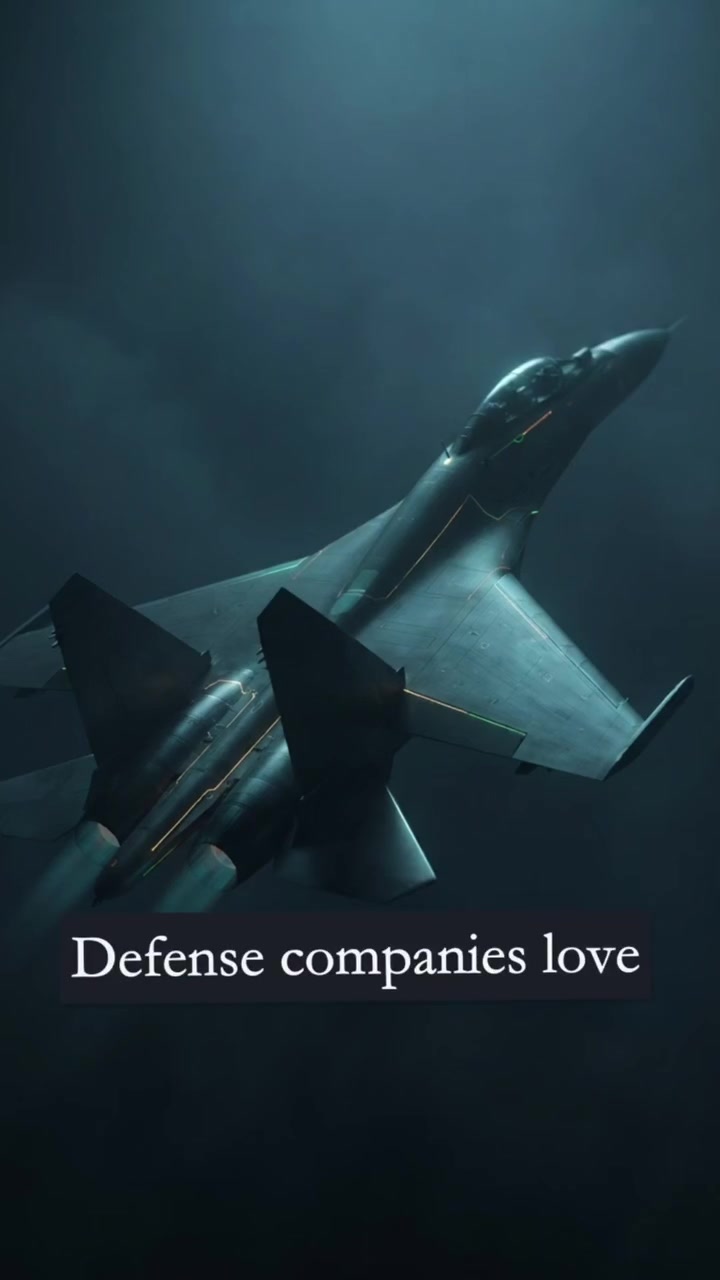
New Delhi-based startup Cocasa targets the pivotal yet often overlooked challenge in military technology: building the intricate, mission-critical hardware that makes fighter jets and other combat vehicles actually function. The company focuses on transforming defense manufacturing by developing deep stack hardware, assembling an unconventional founding team, and upgrading legacy military assets.
The invisible tech behind warplanes
At first glance, military tech innovation feels like a show-off of flashy new fighter jets, but the real engine is the mission-critical hardware hidden beneath the surface. Cocasa’s mission is to build the internal components that steer aircraft and power tarmac machinery. The startup’s focus on deep stack hardware means Cocasa targets “components like the electro-hydraulic booster for the Su-30 MKI fighter jet”, for instance. This tiny electronic component amplifies pressure to steer the aircraft, which is crucial for any high-performance military vehicle. Can a small startup replace foreign imports with indigenous technology? By focusing on this hardware and developing it in-country, Cocasa aims to replace strategic foreign imports with locally produced technology. The aim is to create self-sufficiency in military technology, which makes defense more secure and reliable with reduced dependence on overseas manufacturers. “This replaces highly strategic foreign imports with indigenous technology”, the startup’s videos reveal.
How Cloaking Wars
Consumer startups have emerged from India, as well, but what makes Cocasa stand out is the context in which these two worlds collide. Indian military tech ventures have historically been developed and managed by large companies or government agencies with a focus on ensuring they meet necessary military standards. However, Cocasa’s team brings a unique background to the table, with diverse experiences including scaling consumer tech companies and developing consumer technology. What is so unconventional about a startup with a military focus (and as much weaponry as the average fighting fleet)? Take the company's founding team: Vikal Bagdi, Rahul Jain, and Snehal Gotham. They merge military engineering from Hindustan Aeronautics Limited (HAL) with consumer tech scaling experience from Epigamia and housing.com. This combination of rigorous mission-critical engineering from the military sector and fast-paced startup growth from the consumer tech sector makes Cocasa unique. By merging these distinct industries, Cocasa hopes to tackle the problem of slow innovation in defense manufacturing. With the ability to adapt quickly from the startup world and the technical know-how from the military sector, they are breaking new ground. They pair rigorous mission-critical engineering with fast-paced startup growth.
Inside the army’s digital upgrade
Cocasa aims to go beyond building new tanks. Instead, they aim to transform existing military assets, like the T-72 tanks. They modernize these platforms by replacing legacy hydraulic systems with precise digital electromechanical systems. This approach allows India to upgrade its massive military assets without needing to build entirely new platforms from scratch. Upgrading current military assets has numerous benefits. The government can save money by not building new platforms, and they’re also able to own the intellectual property of the technology. This means control over their own military capabilities, rather than being dependent on another country. Technology improvements like this will also allow for better performance, as well as increased safety and reliability in the military’s hardware. This digital upgrade is also key to Cocasa’s longer-term vision: creating a foundation for collaborative autonomy, a key focus of military tech in the near future. The idea is for each military vehicle to be able to communicate and coordinate with other combat platforms seamlessly. This means platforms working together in a swarm like a team of basketball players, each with their own role but understanding the collective goal.
New mission-critical hardware
What makes Cocasa’s hardware truly distinct is its potential in defense manufacturing. They focus on precise hardware like the electro-hydraulic booster for the Su-30 MKI fighter jet. The startup develops hardware to convert a tiny electronic command into massive hydraulic pressure. This is especially important for fighter jets or other niche combat machinery. Cocasa’s focus on indigenous technology helps avoid relying on strategic foreign imports.
Digital upgrades for tank fleets
Cocasa aims to replace hydraulic turret drives with precise digital electromechanical systems. The upgrade allows current military assets to be refitted to modern standards. When a new system is installed, it allows military platforms to maintain strategic capabilities while also ensuring they stay ahead in the rapidly evolving battlefield. The ability for a legacy system like the T-72 tank to be upgraded with precise digital control allows for greater control, versatility, and practicality.
Bridging engineering and scaling
Cocasa’s team merges military engineering from Hindustan Aeronautics Limited (HAL) with consumer tech scaling. The military engineering offers the technical expertise, while the startup world offers the ability to adapt and scale quickly. This unique combination helps Cocasa stay ahead when it comes to both innovation and scalability.
How to get involved
Founded by engineers with experience in military projects and consumer tech, try these ideas if you are planning to connect with Cocasa:
- See the tech: Take the time to get in touch with militaire tech enthusiasts and professionals to learn about the military projects in your area.
- Get involved: Find startups and projects that might be interested in your military engineering skills. Connecting with Cocasa will mean being part of future military technology.
- Read up on military tech: Learn about the inner workings of military vehicles, from the checkups to the components. Knowledge is power when it comes to staying on top of modern military technology.
The future of autonomous combat
Cocasa isn’t just manufacturing replacement parts to keep military vehicles functional. They’re building the foundation for collaborative autonomy. In a not-too-distant future, swarms of different combat platforms will seamlessly coordinate with one another. This could mean a new era where technology could allow for more dynamic and effective combat operations.
Questions readers ask
What is deep stack hardware and why is it important in military technology?
Deep stack hardware refers to the intricate, mission-critical components that power military aircraft and vehicles. These components, such as the electro-hydraulic booster for the Su-30 MKI fighter jet, are crucial for the functionality and performance of high-performance military vehicles. They are essential because they enable precise control and operation of these vehicles, making them indispensable in the defense sector.
How does Cocasa plan to reduce India's reliance on foreign imports in defense manufacturing?
Cocasa aims to reduce India's reliance on foreign imports by developing and producing these mission-critical hardware components locally. By focusing on deep stack hardware, they can replace strategic foreign imports with indigenous technology, thereby enhancing defense security and reliability. This approach promotes self-sufficiency in military technology.
Who are the founders of Cocasa and what unique backgrounds do they bring to the table?
The founders of Cocasa are Vikal Bagdi, Rahul Jain, and Snehal Gotham. Their backgrounds are diverse and unconventional for a defense-focused startup. Vikal and Snehal bring military engineering expertise from Hindustan Aeronautics Limited (HAL), while Rahul has experience in scaling consumer tech companies like Epigamia and housing.com. This blend of military engineering and startup growth strategies sets Cocasa apart in the defense manufacturing sector.
What kind of legacy military assets is Cocasa focusing on upgrading?
Cocasa is focusing on upgrading legacy military assets like the T-72 tanks. They aim to modernize these platforms by replacing outdated hydraulic systems with precise digital electromechanical systems. This approach allows for the enhancement of existing military assets without the need for completely new equipment, making it a cost-effective and efficient solution.
How does Cocasa's approach differ from traditional defense manufacturing in India?
Traditional defense manufacturing in India is often handled by large companies or government agencies with a focus on meeting military standards. Cocasa, on the other hand, brings a startup mindset to the defense sector, combining the rigorous engineering standards of the military with the fast-paced innovation and adaptability of consumer tech startups. This unique approach aims to accelerate innovation and improve the efficiency of defense manufacturing.
Related deep dives
Similar reads based on topic and creator.


Recent articles
Fresh deep dives from the latest Reels we unpacked.




Comments
Be the first to comment.