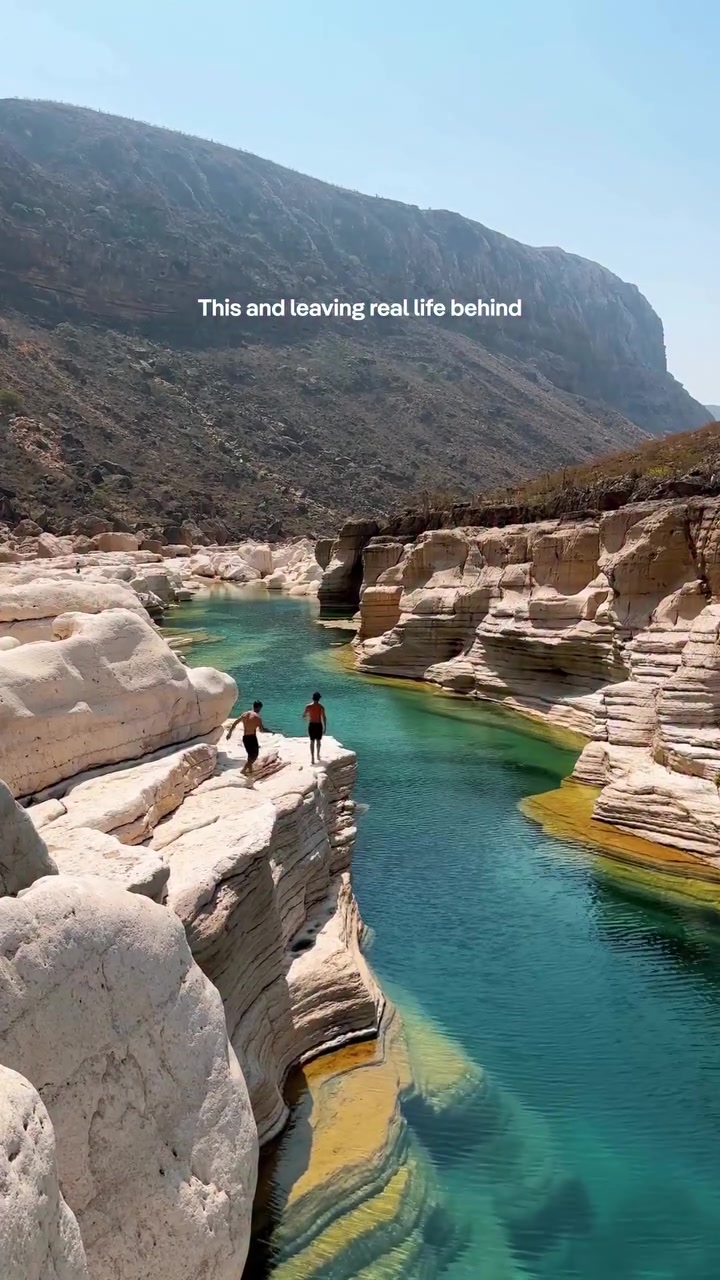
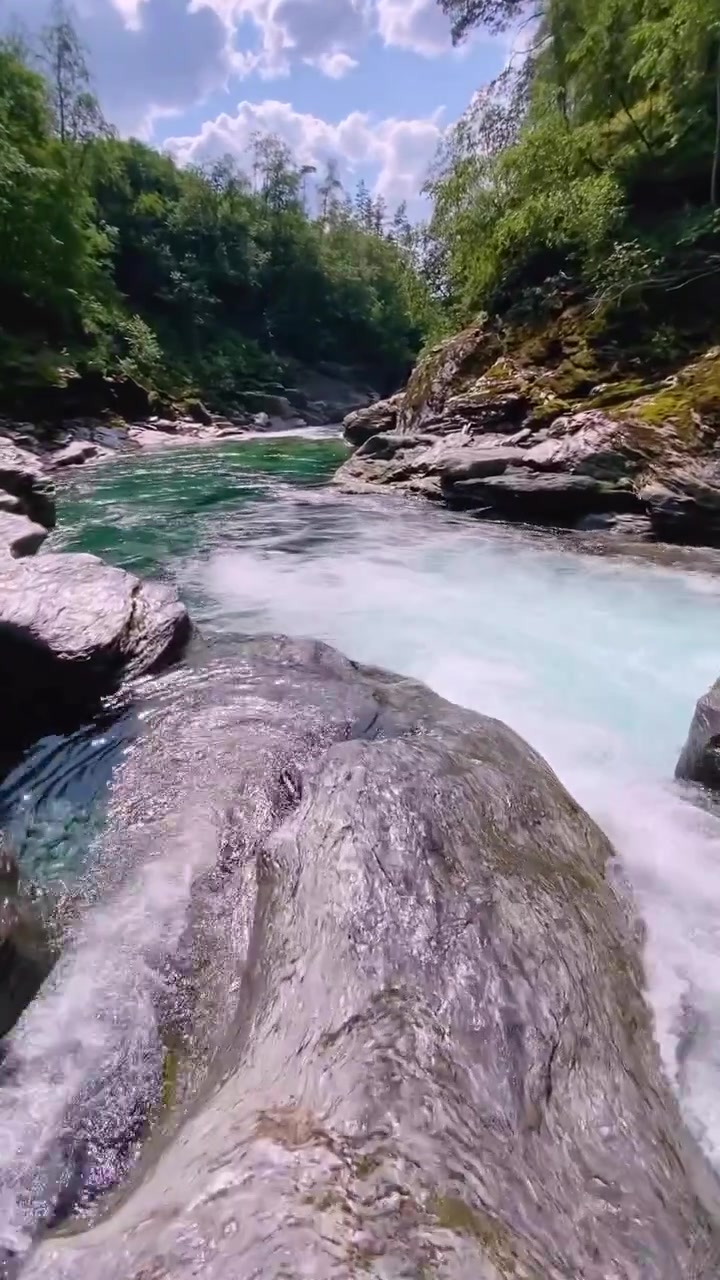
Cliff jumping is about more than an adrenaline rush. It's a dramatic exit from everyday life, a moment where determination and daring take a leap into a cool body of clear turquoise water. This is an exhilarating challenge where extreme courage meets natural beauty.
Cliff jumping: Where fear meets freedom
Cliff jumping is the stomach-churning thrill of launching oneself from a towering cliff into a pool of perspicacious turquoise water. It's a dramatic leap of faith, more than just a risky plunge; but a feat requiring calculation and technique. Before the jump, jumpers must survey the water's depth and clearness, the cliff's height and edges, and the safety of the overall terrain: misjudging any of these factors could be a painful disaster. To execute the jump requires
- Carefully approaching the cliff edge and launching oneself vertically away from the cliff with arms outstretched and feet together.
- As you fall, push your torso out, and cross your arms to narrow your body.
- Keep your head, hips, and torso level.
- Set your legs out straight to minimize drag.
- Pull your knees up and tuck your chin to your chest to perform a forward tumble.
- As you vertically tumble, push your legs out to slow the twisting.
- Open your arms to steady and distribute your weight.
- Splash down into the water. Cliff jumping pushes physical and psychological boundaries. The water is rarely shallow or clear like a swimming pool, requiring nerves of steel to commit to the leap. Jumpers often practice cliff jumping as a fun and exciting way to connect with nature, with a focus on personal satisfaction and the pursuit of thrills, leaving behind real-life stress — for the exhilaration of a new perspective from above.
Extreme sport in Raw Nature
With adrenaline sports, cliff jumping competes with other nature-based extreme sports such as bungee jumping and wingsuit flying. But with no urgent equipment, permits, or specialized physical skills, cliff jumping is accessible to thrill-seekers while providing a more raw and exhilarating experience. However, when a jump is botched, the consequences can be catastrophic. In contrast, when successfully executed, cliff jumping offers an exhilarating rush of adrenaline. While other adrenaline sports like skiing and bungee jumping have professional championships, cliff jumping is more the exception of making group feats of bravado. This extreme adventure sport has little to no organized competition, making it an informal pastime that folks engage in at their own risk, unencumbered by officials or spectators.
The cliff-and-water connection
Finding the perfect dive site
To find the perfect dive spot, search for a place that doesn't allow just a "splish-splash" or a straightforward descent. Instead, the cliffs should be rocky enough for a nice bounce or an unexpected recoil. The water below should be plentiful enough for a safe jump, with no chance of injuring yourself on any rocks or protrusions. While some divers may prefer waterfalls or tidal pools, others prefer a swimming area that allows them to cool down before or after the jump. Some of the most epic cliff jump dives around the world are revealed in the adventure videos that have gone viral, such as those filmed in New Zealand, Thailand, and the Pacific Northwest. Yet, many cliffs are hidden or known only to vintage locals.
The beauty of water clarity
The clarity of the water offers divers a unique experience that they cannot find anywhere else. Once you are underwater, you will see how clear and blue water has a mesmerizing effect helping you forget about anything else. Using the water's elasticity, divers can do flips and twists, showing off their skills and making stunning underwater dives. The water compels cliff jumpers to dive deep enough to escape upwards and swim towards the surface. The plunge is the main appeal, as you push off the bottom and launch upwards with your arms and legs. Water clarity plays a crucial role in the experience, offering a different vantage point while swimming.
Safety and technique — the essentials
Know these essentials before jumping:
- When the location is too far to rescue: Selecting the best jump spot involves knowing how to properly measure height and water depth, staying within your limits, and testing the water before diving.
- Emergency skills:
- Knowing how to perform self-rescue in case of an injury.
- Knowing proper safety techniques, such as using appropriate safety equipment and techniques and following safety guidelines for diving and height.
Evolving culture —
An approach to cliff diving is practiced similarly to slacklining: the ability to relax, balance, and focus. The entire experience must be seen as a stepping stone towards self- development. This experience can help you gain a better understanding of yourself and what you are capable of. Common wisdom states that it’s not about the fall that bothers us, but rather our fear of the fall. Taking this leap of faith and pushing yourself out of your comfort zone can help you overcome your fear, leaving behind real-life stress. The video showcases a scene of an individual jumping off a cliff into a pool of turquoise water. The whole process is breathtaking, combining the allure of nature with adventure. This is a scene that emphasizes escaping everyday life. It takes advantage of the natural beauty of the environment, providing a deep contrast to the calmness of the water and the rocky cliff. It evokes the feelings of adventure and excitement in a deep and meaningful way. This video captures the remarkable experience of engaging with nature in a way that is riskier and more thrilling, educating viewers about the world of cliff jumping.
Questions readers ask
Is cliff jumping just about the adrenaline, or is there more to it?
Cliff jumping is more than just an adrenaline rush. It's a dramatic escape from everyday life, a moment where you challenge yourself to confront your fears and connect with nature. For many, it's a pursuit of thrills and a new perspective on life from above.
How do you safely prepare for a cliff jump?
Before jumping, you need to assess the water's depth and clarity, the cliff's height and edges, and the overall safety of the terrain. This ensures that you won't misjudge any factors and end up injured. When you're ready to jump, approach the cliff edge carefully, launch yourself vertically, and follow a specific technique to control your fall and entry into the water.
What makes cliff jumping different from other extreme sports like bungee jumping or wingsuit flying?
Cliff jumping stands out because it doesn't require any specialized equipment, permits, or advanced physical skills. It offers a more raw and exhilarating experience with nature. Unlike sports with professional competitions, cliff jumping is often an informal, personal adventure, which makes it a more free-spirited and unregulated activity.
How do you execute a cliff jump safely?
To execute a cliff jump, you should approach the edge carefully, launch yourself vertically, and follow a technique that involves pushing your torso out, crossing your arms, and keeping your body level. As you fall, you'll need to adjust your position to minimize drag and control your tumble before splashing into the water.
What kind of environment is best for cliff jumping?
The perfect dive spot should have rocky cliffs that provide a nice bounce or unexpected recoil, and plenty of water below to ensure a safe jump. Some people prefer waterfalls or tidal pools, while others look for a swimming area to cool down before or after the jump. The key is to find a place that offers a thrilling experience while minimizing the risk of injury.
What should I do if I'm new to cliff jumping and want to try it for the first time?
If you're new to cliff jumping, it's essential to start with smaller jumps and gradually work your way up to higher cliffs as you gain confidence and experience. Always assess the safety of the jump site and follow the proper technique to minimize the risk of injury.
What are some of the most popular cliff jumping spots around the world?
The article mentions that there are epic cliff jump dives around the world, but it doesn't specify any particular locations. Some well-known spots for cliff jumping include the Acapulco's La Quebrada, in Mexico, and the cliffs of Santorini in Greece.
Related deep dives
Similar reads based on topic and creator.
Recent articles
Fresh deep dives from the latest Reels we unpacked.

Comments
Be the first to comment.