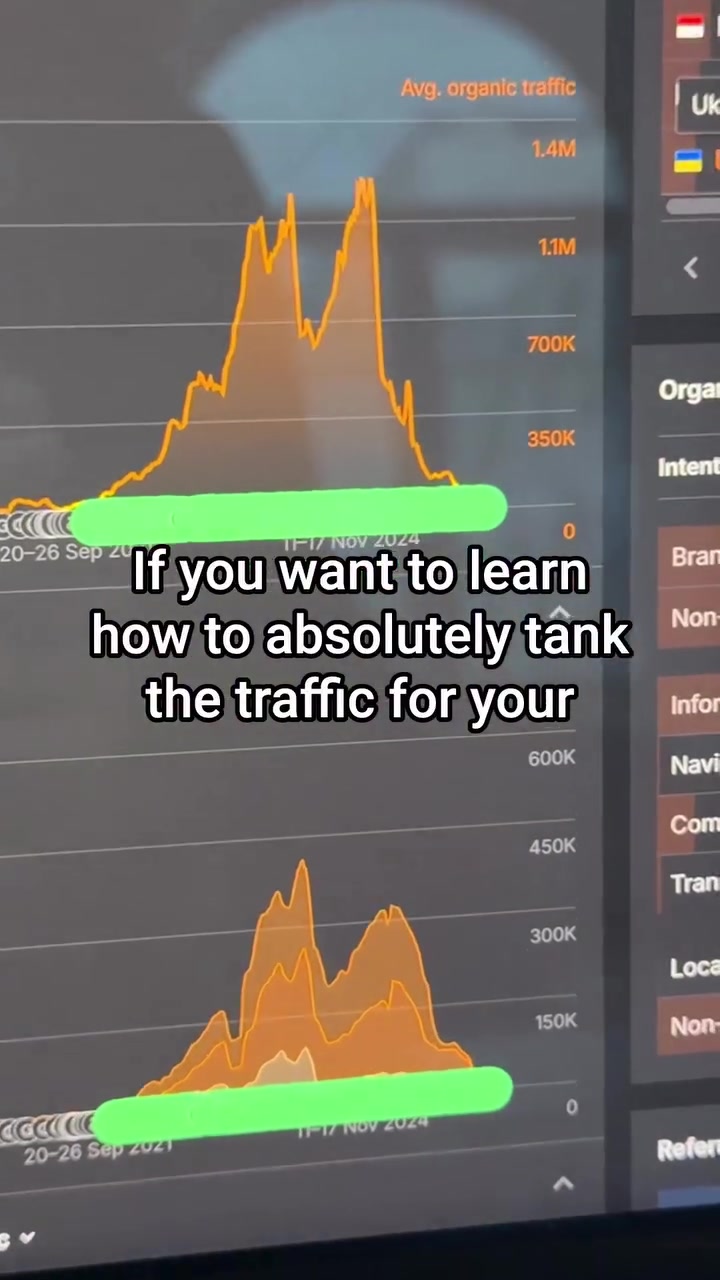
The Anatomomy of a Traffic Crash
ClickUp, a well-known productivity platform, unintentionally sabotaged its own website traffic by churning out 2,815 quasi-automated blog posts over 16 months. These articles, which read like self-serving listicles, only featured genuine competitors sparingly and pushed ClickUp’s brand relentlessly. Google’s search algorithms penalized ClickUp for this mass production of formulaic, self-serving content. The result was a precipitous drop in blog traffic. The company's SEO strategy focused purely on conversions rather than answering user queries and providing value. The article "We Tested the Best ChatGPT Alternatives & Competitors in 2026" was one of these listings published on February 18, 2026. Another article, "This is what's called a self-promotional listicle. You have a list of the best products, you place yourself number one” exemplifies this approach. These articles appeared prominently on the site, cluttering the interface. To understand what happened, we first need to grasp the anatomy of these templated posts.
The Template labyrinth
Aggressive self-promotion characterized these templated posts. ClickUp’s articles featured an oversized “about ourselves” section, detailing the company’s merits. Instead of serving readers, these sections pushed ClickUp’s product. Each post included 8-15 CTAs (calls to action), urging users to try ClickUp’s service, intertwined with superficial assessments of competitors. The content was highly templated, with little variation among the articles despite the varying topics. This templated, formulaic approach saw ClickUp "highlight" themselves as the top alternative in every listicle — regardless of objectivity. The result? Google saw this as spam.
The Unchecked Endgame
The primary goal of these posts was not to provide value to readers but to boost ClickUp’s conversions. Each article was designed with a single focus: convincing users to try or buy ClickUp. These articles served as promotional tools, each pushing out the same agenda: "You place yourself number one."
The clickbait catalog
Google’s algorithms favor content that genuinely addresses user queries. By churning out templated, unoriginal content, ClickUp missed the mark on Google’s content abuse policy. Google wants content to focus on the searcher’s questions, not just push products.
The Hidden Payoff of High-Quality Content
To avoid ClickUp’s fate, it’s essential to understand that high-quality, genuine content matters. The best content is tailored to what real readers want.
Crafting Honest Review
Listing alternatives for a product should be an authentic review. Valid information may help users decide which product benefits them the most. An in-depth review of each product should include its pros and cons and possibly a ranking or rating.
Beyond Rankings
There are many different ways to create content, the plain simple listicle or articles. Content should be more than just ranks. Ideal content offers value, answering user queries and providing practical takeaways.
Practical tips for a smoother road without SEO Penalties
Don’t fall into the trap of mass-producing templated, promotional content. Follow these tactics to enhance your blog traffic and avoid any SEO penalties. Create well-researched, in-depth content – Focus on topics your audience cares about. Diversify your content forms - Mix in different types of content, such as case studies, tutorials, or interviews. Prioritize honesty and value – Make sure every post seeks to answer a real user query. Monitor your SEO strategy – Keep current with search engine algorithms and adjust your strategy accordingly. Be transparent and honest about your products. Optimize user experience — Ensure your site is easy to navigate and well-organized.
The result
ClickUp’s traffic collapse serves as a stark reminder of the pitfalls of prioritizing self-promotion over genuine content. By understanding the anatomy of these failed blog posts and equipping yourself with practical guidance, you can avoid making the same mistakes and optimize your site for real readers.
Questions readers ask
What exactly were the 'templated posts' that ClickUp created?
The templated posts were formulaic blog articles that ClickUp churned out in large quantities. These posts were characterized by an oversized 'about ourselves' section, excessive calls to action, and a lack of genuine competitor analysis. They all followed the same structure, placing ClickUp at the top of every listicle, which Google's algorithms flagged as spam.
How did Google's algorithms react to ClickUp's content strategy?
Google's algorithms penalized ClickUp for producing a large volume of templated, self-serving content. These articles were seen as spam because they prioritized promoting ClickUp’s brand over providing genuine value to readers. As a result, ClickUp experienced a significant drop in website traffic.
What was the primary goal of ClickUp's blog posts?
The primary goal of ClickUp's blog posts was to boost conversions by pushing their product relentlessly. Each article was designed to convince users to try or buy ClickUp, rather than providing valuable information that answered user queries.
What steps can other companies take to avoid a similar SEO penalty?
Other companies can avoid a similar SEO penalty by focusing on creating high-quality, genuine content that addresses user queries and provides value. This includes crafting honest reviews, offering practical takeaways, and avoiding excessive self-promotion.
Why is it important to include genuine competitor analysis in blog posts?
Including genuine competitor analysis in blog posts is crucial because it helps build trust with readers and aligns with Google’s content policies. By providing a balanced view, companies can offer more value to readers, which can improve SEO rankings and avoid penalties.
Recent articles
Fresh deep dives from the latest Reels we unpacked.




Comments
Be the first to comment.