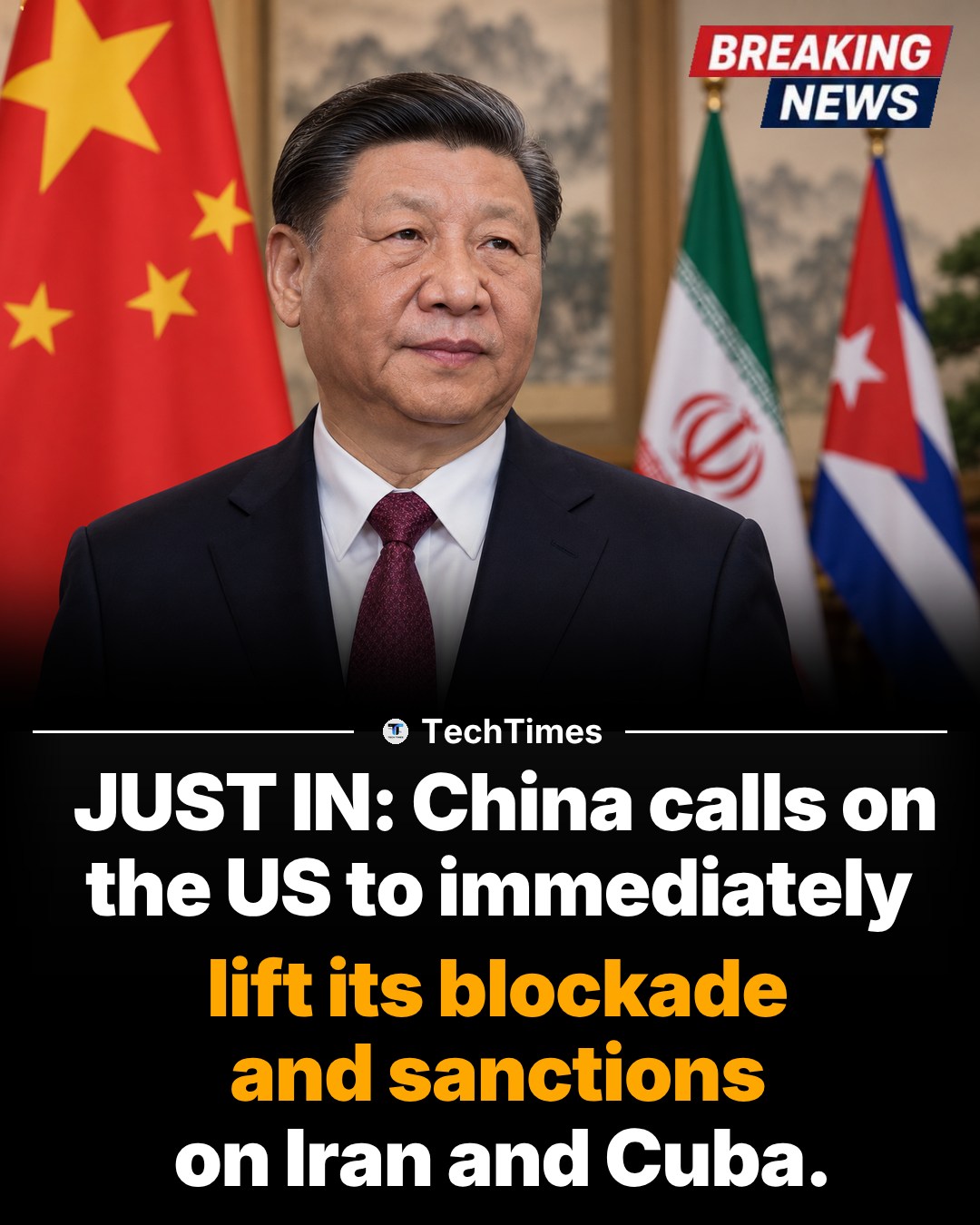
China is urging the United States to lift sanctions on Iran and Cuba. The call, made by China's President Xi Jinping, marks a decisive diplomatic move aimed at reshaping international relations and economic policies.
The Diplomatic Gamble
Reaching out with extended hands in international diplomacy, the Chinese government’s call for sanctions to be lifted on Iran and Cuba is both a bold move and a strategic one. In the high-stakes world of international relations, lifting economic sanctions is often viewed as a step toward normalization, paving the way for economic, political, and social restructuring. However, the sanctions in question stem from complex historical grievances — including Iran's nuclear program and US allegations of human rights violations against Cuba. This initiative would signal a shift in global relations. Sanctions serve as both a punitive measure and a diplomatic tool, but China's call to broaden the foreign policy landscape would have significant implications. While China is more lenient with economic sanctions in the name of diplomatic relations, the United States has historically used them as a pressure point to enforce global norms and foreign policies. Sanctions are generally a unilateral action by one or several countries to impose pressure on a target country through economic and trade restrictions. The call to lift such sanctions is effectively asking the US to change course and tone in its diplomacy approach to not just Iran and Cuba, but also to other countries facing similar scrutiny. Blockades are another term for this type of enforcement. China calls this blockade on Iran and Cuba — Beijing defines these measures harshly compared to other countries' more neutral phrasing.
A Global Chess Match
China's diplomatic overture intersects with a broader pattern of geopolitical maneuvering. In diplomacy, one needs allies and trade partners to exercise soft and hard power. Trade and economic policies are often the first step toward forming long-lasting partnerships, but China and the US are on opposite sides of this agreement. Economic sanctions and trade blockades are often used as tools of foreign policy to apply pressure on other countries to change or conform to international standards. The Chinese President’s call to lift these measures is not just a gesture toward Iran and Cuba; it is also a call to the United States to reconsider its current sanctions strategy. In the realm of geopolitics, every move comes with a strategic calculation. China wants to appear as a partner of choice and influence, asserting its own vision of international relations - one that includes greater economic cooperation sans political impediments. China’s influence in the global economy and politics cannot be overstated, and its diplomatic play could have far-reaching implications. In a world where actions are influenced by such political chess moves, it could only mean more strategic decisions in the future.
China's Approach to International Relations
Trade and Strategy
China has always seen the world through a lens that favors trade and development. Economic growth, trade deals, and mutual prosperity have been the cornerstones of China’s international relations strategy. The nation's narrative helps secure allies and promote trade agreements. Thus, China’s stance on lifting sanctions on Iran and Cuba is strategic, weaving into potential economic growth for both the sanctions-hit countries and China’s own trade networks.
International Dynamics
China and the US have always been at odds over international policy, but this move by Xi Jinping signifies a fresh attempt at reconciliation. China’s attempts to sidestep international sanctions show its unique perspective on regulating global stability and economic growth. The way China is trying to move forward with diplomacy shows the difference in how the US and China navigate the world.
The Road to Normalization
Lifting sanctions, if it happens, will open a myriad of possibilities for Iran and Cuba. It will not only ease the economic pressure of the blockade but also resume economic activities, trade, and diplomatic relations. However, it also comes with a set of concerns about the possibility of Iran resuming its nuclear program.
A Practical Impact
- Economic Activity: For businesses and consumers, lifting sanctions could mean greater access to new markets.
- Trade and Transportation: Resuming trade with Iran and Cuba could introduce new trade routes and improve logistics.
- Investment Opportunities: For investors, this policy shift could present fresh opportunities in previously restricted markets.
- Geopolitical Relationships: This shift in policy by the US could lead to significant changes in international relations, with China positioning itself as a mediator and potential ally. The Chinese government’s call to lift sanctions on Iran and Cuba not only carries immense weight. For businesses, people, and international relations, this is a move to watch. Keeping watch will be necessary, because the road ahead could shape global politics, trade, and international relationships.
Related deep dives
Similar reads based on topic and creator.

Recent articles
Fresh deep dives from the latest Reels we unpacked.




Comments
Be the first to comment.