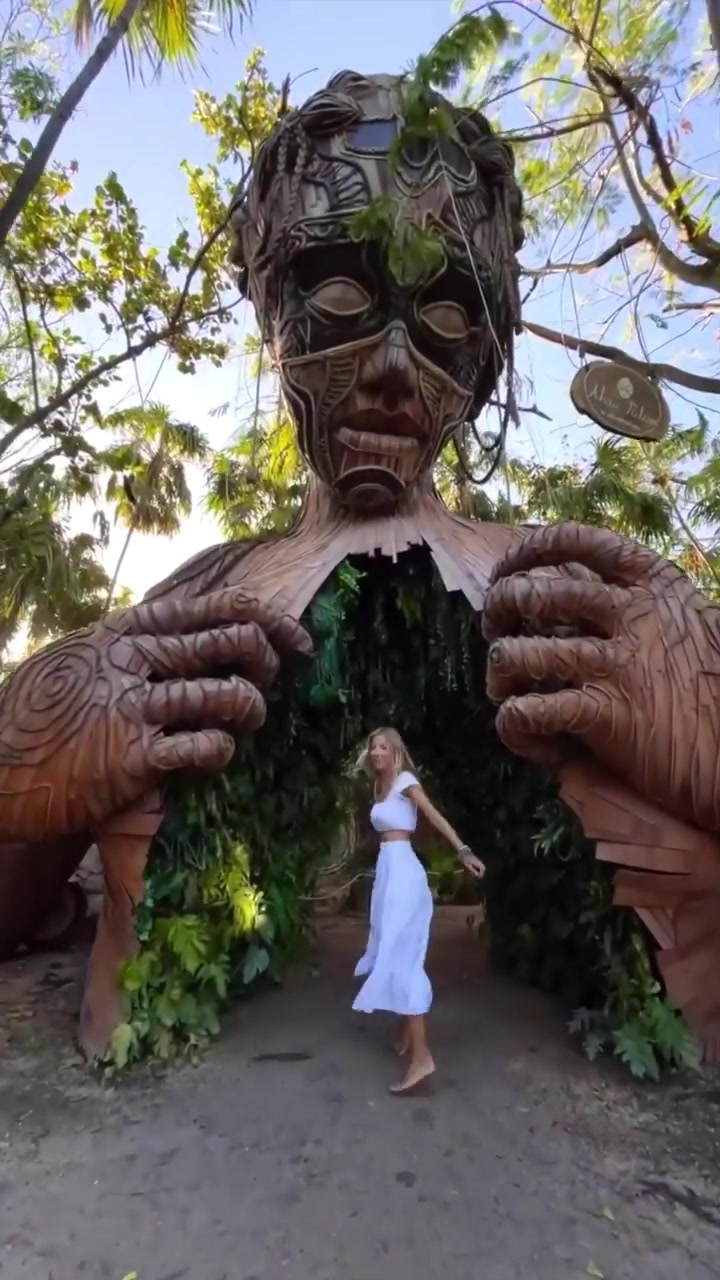
What is a cenote?
A cenote is a natural sinkhole formed by the collapse of limestone bedrock, revealing groundwater underneath. These geological formations are unique features of Mexico, particularly prevalent in the Yucatán Peninsula and other surrounding areas. They are not mere geological oddities; cenotes are often regarded as sacred sites by the indigenous Mayan people, who considered them portals to the underworld. A cenote comprises several components that make it distinctive: the opening or entrance, which is often circular and can vary in diameter from a few meters to several dozen; the submerged cave or chamber below, which contains clear, fresh water; and the surrounding vegetation and flora, often featuring hanging roots and lush greenery that add to the serene atmosphere. These formations are typically found in areas with porous limestone bedrock, where rainfall can easily dissolve the rock over time, creating subterranean rivers and caverns. Many cenotes also feature unique natural features like stalactites and stalagmites, which form over thousands of years as minerals in the water deposit layer by layer. These formations create a breathtaking underwater landscape that draws divers and snorkelers from around the world.
Why cenotes matter: A link to Maya culture and a hot tourism attraction
Cenotes hold immense cultural significance for the Mayan people. They were believed to be sacred entry points to the underworld, known as Xibalba. This significance is evident in the ancient Mayan myths and rituals that revolved around these natural sinkholes. For example, the Mayans often conducted rituals and sacrifices at cenotes to honor their gods and seek divine intervention. Today, some cenotes remain important religious sites, and Maya descendants continue to hold traditional ceremonies near these sacred pools. Within modern tourism, cenotes draw millions of visitors each year, offering opportunities for swimming, snorkeling, and diving in crystal-clear waters. The economic impact is substantial, particularly in regions like the Riviera Maya, where tourism has become a cornerstone of the local economy.
The types of cenotes visitors can explore
From open-air paradises to caverns that require special gear
Cenotes come in various types, each offering a unique experience. Open cenotes are the most accessible, featuring a large, open pool of water surrounded by lush vegetation. These are ideal for swimming, snorkeling, and adventurous explorers of all skill levels. For the more experienced, semi-open cenotes offer a mix of open water and partially submerged caves. These require careful navigation but reward visitors with stunning underwater landscapes and the thrill of exploration. The most challenging are cavern cenotes, which are fully submerged caves that often require diving certification and specialized gear. Exploring these requires technical diving skills and knowledge of underwater navigation.
How cenotes form: The geological dance of water and rock
Cenotes form through a process known as karstification, which involves the dissolution of soluble rocks like limestone by slightly acidic rainwater. This process creates underground cavities and tunnels, which eventually collapse, revealing the cenote. The distinctive features of a cenote are determined by its location, the composition of the bedrock, and its formation history. Over millennia, the interplay of water and rock sculpts these natural wonders into their unique shapes and sizes. Some cenotes are relatively shallow, while others plunge deep into the earth, revealing extensive underground networks.
Exploring a cenote:The thrills of jumping in and diving deep
One of the popular activities in a cenote is jumping in. With clear waters inviting visitors, nothing beats the sight of jumping from the top of a huge, naturally formed stone wall into the crystal water below. There are several skills someone must have when going into a cenote. As the water is very clear, it is essential to swim close to the surface to avoid collision with underwater rocks. Often, people can explore a cenote by swimming or snorkeling. Diving in a cenote offers a unique and thrilling experience for scuba divers. Given that cenotes are filled with freshwater and have clear visibility, it provides a serene and peaceful experience. In other countries, freshwater diving is not possible. However, cenotes in Mexico offer a once-in-a-lifetime opportunity. Many divers believe that diving in a cenote is more peaceful due to the calm water and lack of marine life in contrast to ocean diving. Feelings of anxiety and claustrophobia are common when diving into a cenote. However, the sights and sounds of diving in a new world make it worthwhile. Being cautious is essential since some cenotes dive sites are not easily accessible. Cenotes are considered among the best diving spots in the world, with over 7,000 underwater caves and sinkholes. The most popular diving activities include cavern diving and swimming in the cenote. If someone is planning to explore underground caverns, they must get certified for cavern diving. Fortunately, adventure experiences do not require certification. In addition to swimming and diving, cenotes also have therapeutic properties. The water contains minerals, like calcium, magnesium, and iron, which help in boosting the immune system. The therapeutic properties of cenotes provide a relaxing and calming experience while promoting overall health.
What to expect: Plan your cenote adventure
- Clothing and Gear — swimwear, water shoes, and snorkeling gear or diving equipment. If planning a long day of exploration, pack a towel, sunscreen, insect repellent, and water–there is usually no store nearby to buy these essentials.
- Skills — cliff jumping is a skill that can be acquired, but it requires strength, agility, balance, and concentration. When choosing the right cenote to explore, consider the difficulty of the jump, the water's depth, and the terrain. Experienced jumpers recommend starting with small jumps and gradually increasing the height.
- Entry Points and Access — research the location and available cervices. Many cenotes are open to the public and have designated entry points. Diving cenotes and those in protected areas may have limited access and require permits.
A doorway to adventure, culture, and wonder
Cenotes are natural wonders that offer a blend of adventure, cultural significance, and natural beauty. Whether swimming, snorkeling, or diving, visitors can immerse themselves in the crystal-clear waters and intricate cave systems. Beyond their geological marvel, cenotes connect us to the rich heritage of the Maya people, making them more than just travel destinations. They are living testament to nature's artistry and human history. With proper planning and respect for these natural wonders, anyone can embark on an unforgettable adventure into the underwater world.
Questions readers ask
What makes cenotes unique compared to other natural water formations?
Cenotes are unique because they are natural sinkholes formed by the collapse of limestone bedrock, revealing groundwater underneath. They are not just geological oddities; they hold significant cultural importance, particularly to the Mayan people, who considered them sacred sites and portals to the underworld. This cultural significance, combined with their distinctive geological features, sets cenotes apart from other natural water formations.
Can anyone swim in a cenote, or are there restrictions?
Most cenotes are accessible for swimming, especially the open cenotes, which are large, open pools of water surrounded by lush vegetation. These are ideal for swimmers of all skill levels. However, semi-open and cavern cenotes may require more experience and specialized gear, such as diving certification and knowledge of underwater navigation.
What kind of wildlife can you expect to see in a cenote?
While the article doesn't specify the wildlife, cenotes are known for their crystal-clear waters and unique underwater landscapes. You might encounter various aquatic species, including fish and possibly even small cave-dwelling creatures. The surrounding vegetation and flora also support a diverse range of plants and animals above ground.
Are there any cenotes that are off-limits to tourists?
The article mentions that some cenotes remain important religious sites for the Maya descendants, who continue to hold traditional ceremonies near these sacred pools. While many cenotes are open to tourists, it's possible that some may have restricted access due to their cultural or religious significance. It's always a good idea to respect local customs and regulations when visiting these sites.
What should I expect to see in a cavern cenote?
Cavern cenotes are fully submerged caves that offer a unique and challenging experience. You can expect to see stunning underwater landscapes with formations like stalactites and stalagmites, which have formed over thousands of years. However, exploring these requires technical diving skills and specialized gear, so it's not suitable for everyone.
How do cenotes contribute to the local economy?
Cenotes draw millions of visitors each year, offering opportunities for swimming, snorkeling, and diving in crystal-clear waters. This influx of tourists has a substantial economic impact, particularly in regions like the Riviera Maya, where tourism has become a cornerstone of the local economy. The local community benefits from tourism-related jobs and revenue generated by visitors.
What is the significance of cenotes in Mayan culture?
Cenotes hold immense cultural significance for the Mayan people. They were believed to be sacred entry points to the underworld, known as Xibalba. The Mayans often conducted rituals and sacrifices at cenotes to honor their gods and seek divine intervention. Today, some cenotes remain important religious sites, and Maya descendants continue to hold traditional ceremonies near these sacred pools.
Related deep dives
Similar reads based on topic and creator.
Recent articles
Fresh deep dives from the latest Reels we unpacked.
Comments
Be the first to comment.