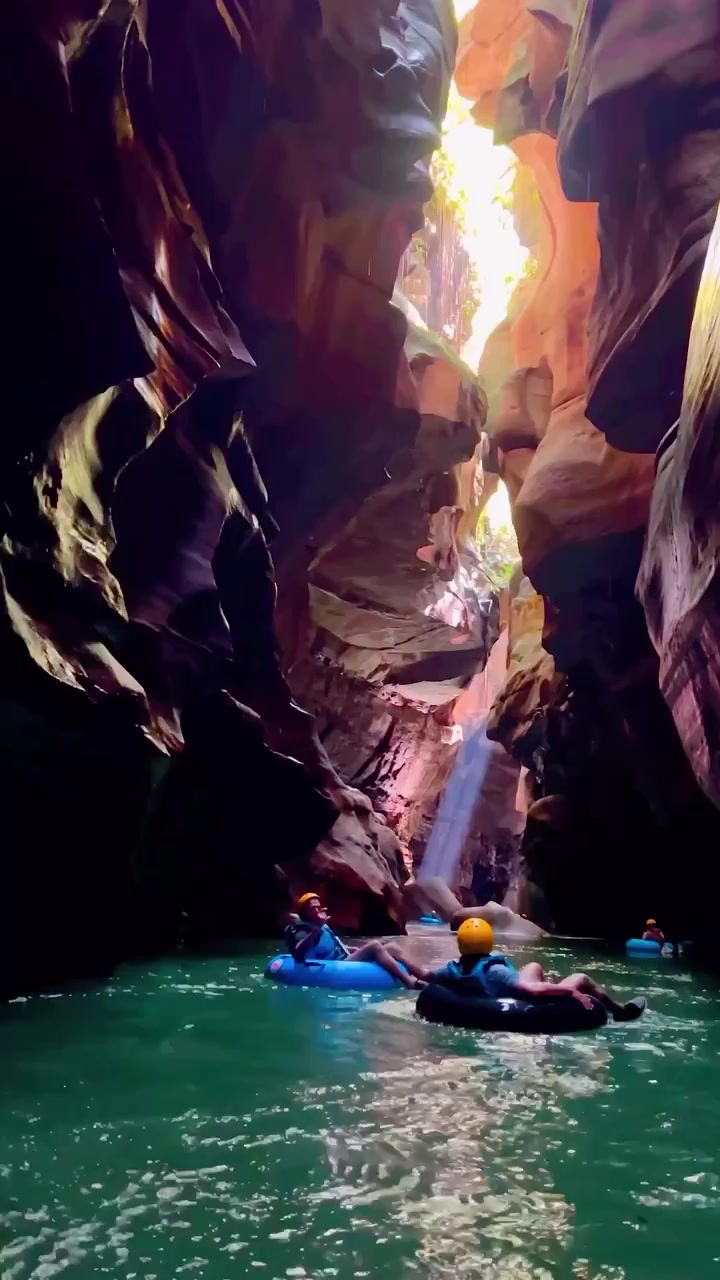
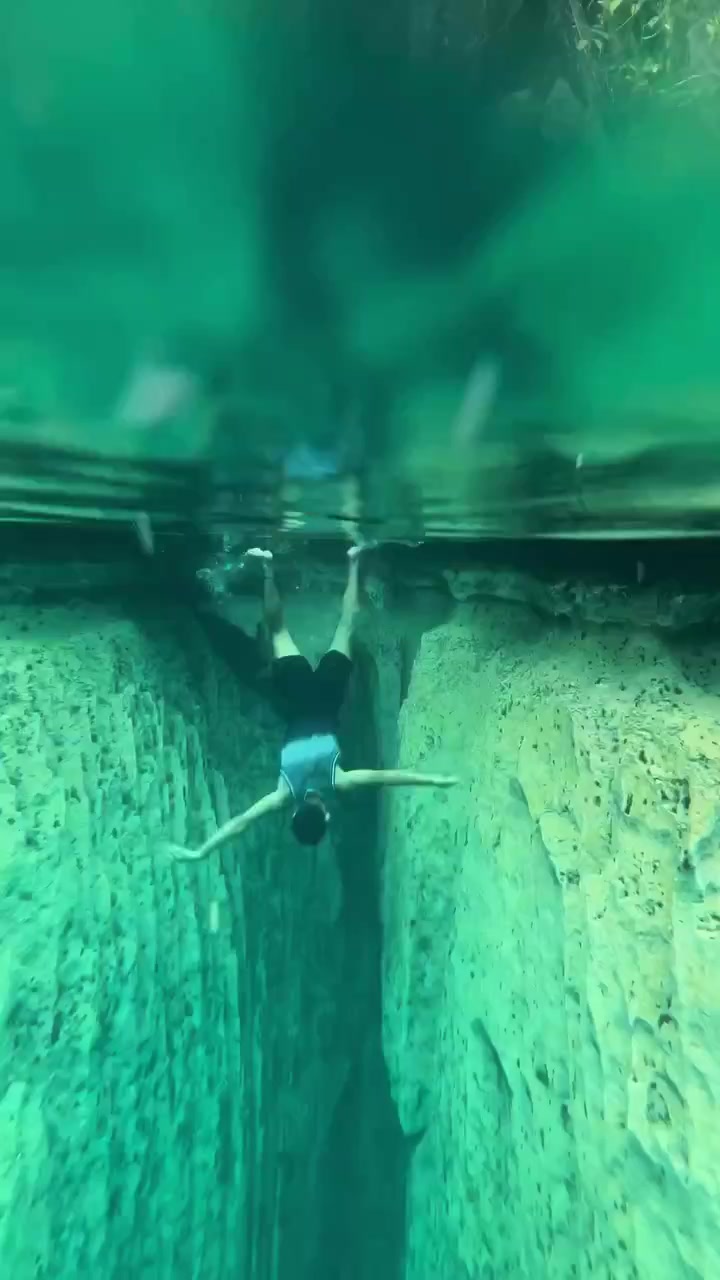
Footage of a group gliding on inflatable rafts on through rushing water between vertical rock walls is gripping — it’s canyoning. This extreme sport combines a mix of adrenaline, thrills and the beauty of natural surroundings, its immersion doesn't rely on sunsets or Instagram filters. Participants navigate canyons using techniques like rafting, swimming, and jumping.
Canyoning: glacial waterways with a twist
Canyoning is a twist on off-road trekking, once an obscure, niche activity for hardcore outdoor enthusiasts. The sport is an amalgam of adventure activities, commonly involving a descent down a canyon using a combination of walking, hiking, climbing, jumping, abdominal sliding, and swimming as well as rope work such as rappelling. Above all, the sport is synonymous with flowing streams and waterways. Mostly practiced in mountain ranges and secluded wildernesses, its appeal lies in the untamed plummeting waterfalls, submerged tunnels, and rough rock formations. The unique feature is the descent, it's not always downhill; sometimes it's a vertical climb or drop down into the water and a float down the watercourse, but the thrill lies in both the immersion and the release of fear. Canyoning adventures include the use of ropes for securing safety, as the terrain is unpredictable and risky. This includes abseiling and jumping into the water from various heights. By and large, it’s a sport that demands an active mindset and a passionate spirit.
Canyoning and the rise of river-based adventures
Canyoning is a clear sign of our thirst for fresh, fast-paced outdoor experiences. For a generation that is used to outdoor thrills — skydiving, bungee jumping, zip lining — canyoning offers a twist. It is something different and doesn't require participation in any other kind of sporting activities: It's exciting, adventurous, and beautiful. What makes the sport unique is the risk. The wet and unpredictable environment demands a rapid adaptation to challenging scenarios. No two rivers or rivers are the same, whether it is the cold mountain streams or snaking rivers wracked by rapids, there is always something new to uncover. Security measures are paramount, and most canyoning trips will include special equipment like a helmet and other gear which is used to safeguard the body from head injuries, cuts, and gashes from falling or other accidents.
The sport of fear: Bravery in the face of danger
The music in the video highlights the unmentionable aspect of canyoning: the thrill. The voiceover says "Let me blow your haunted dreams tonight", it's a antidote to our modern lives, both because it is so physical and because there's no denying it’s dangerous. Fear of falling, fear of the water, fear of the unknown, it’s all present. But canyoners are there in the challenging environment, not just to endure, but to embrace. A chance to mess with your personal terror and get away from it all in a middle of nature's grandeur. This thrill is multiplied by the fact that we must confront and manage it ourselves. It is not a sport where the challenges have been calculated and managed for our consumption. The canyon itself is the star — and it may or may not act the way we want it to. The sport comes with risks, from the potential dangers of fast-flowing water to the risk of the athletes losing control and falling off the rafts. All these risks are part of the adventure, to be avoided, but not entirely, as part of the thrill is a 'oh my God, I'm going to die', moment.
Adventure tourism and the sport
Canyoning is a part of the field of adventure tourism. It's an area that has grown rapidly, as people become more and more hungry for authentic and engaging experiences. The canyoning adventure, in particular, has potential to be very profitable. But it’s one that must be done carefully. The sport is growing in popularity, and there are numerous companies who offer canyoning packages. The business is lucrative because of the specialised tools and guide services necessary to navigate the challenging environment of river rapids and rocky cliffs. Canyoning is not for the average tourist looking for more comfort. It is crafted for the 20–30-somethings who might view something like a two-hour canyoning trip as a once-in-a-lifetime experience.
Equipment
The equipment involved in canyoning is essential. Every part of your body needs protection. The equipment includes a life vest, a helmet to protect the head from falling rocks or other debris, a harness for secure abseiling, and ropes for rappelling down waterfalls or cliffs. The person must also be able to swim. Waterproof shoes, a wetsuit and group communication gear are also imperative. The sport requires a professional guide. Safety precautions are paramount, and the guides are responsible for the safe execution of each canyoning activity. They help organise trips and provide the necessary equipment. Many companies, such as Swiss, cater to the safety requirements by employing professional adventure guides.
The Swiss Adventure
The Swiss have its unique charm, and the video showcases a group of people enjoying the experience riding inflatable rafts through a narrow canyon with steep rock walls. The scenery is a haven, beautiful, rugged, with sunlight filtering through the canyon opening. It offers an adventurous venture along the Swiss rivers, you can float down into the water and swim in the blue-green rivers. Swiss is known for its reliability, and they use inflatable rafts. All this is a part of the package — the adventure, coupled with the scenic views, makes it worth the hefty price.
Giving it a go: Taking on the canyon
Canyoning is not for everyone. The dangers are real, and even the most experienced participants get injured. But for those willing to take the plunge, canyoning is an adventure not to be missed. Before you go, make sure you know what you’re getting into. Research the company, make sure the guides are licensed, and find out what’s included. Whether you’re new to adventure sports or a lifetime Looney, a one-time experience can be fulfilling. If you’re looking to pass off the guide experience, here are some basics:
- Choosing a guide: Make sure the guide has the full certification and the experience to lead you.
- Comfort: Know your comfort boundaries. And be truthful with your guide about them.
- Abilities: Canyoning requires abilities like climbing, swimming, jumping, walking, and rappelling. Be prepared.
- Safety: Always remember that you should have a full body harness, life jacket, helmet and other gear to properly protect yourself. How you behave in the adventure will determine how you experience it and whether you want to put yourself through it again and again.
Canyoning: Conquering a river
The canyon is an adventure of self-discovery and achievement. No other sport can match the thrill, the adrenaline rush and the beauty of the immersive river adventure. Canyoning is life-changingly dangerous and has the potential to leave a deep impression, it can leave you with memories that can last a lifetime.
Questions readers ask
What exactly is canyoning and how is it different from regular hiking or rafting?
Canyoning is an adventure sport that combines various activities like hiking, climbing, jumping, swimming, and rope work to navigate through canyons. Unlike regular hiking, it involves more water-based activities and potentially dangerous terrain, requiring a lot more equipment. It's not just about floating on a river, but also about traversing through rough rock formations and plunging down waterfalls.
Is canyoning only for experienced adventurers, or can beginners try it too?
While canyoning can be intense, many tours cater to beginners. Most organizers provide necessary equipment and experienced guides to ensure safety. However, it's important to have a basic level of fitness and be comfortable with water activities.
What kind of equipment is needed for canyoning, and is it typically provided?
Canyoning requires specialized equipment such as helmets, harnesses, ropes, and sometimes wetsuits. Most reputable canyoning tours will provide this equipment, ensuring it meets safety standards. It's always a good idea to check with the tour operator beforehand to confirm what's included.
How does the experience of canyoning in Switzerland compare to other locations?
Switzerland is renowned for its stunning mountain ranges and pristine wildernesses, making it an ideal location for canyoning. The unique glacier-fed waterways, with their clear, cold water, and the dramatic rock formations, offer a thrilling and visually stunning experience. Compared to other locations, Switzerland's well-organized tour operators and strict safety standards enhance the overall experience.
What should I expect in terms of physical demands and safety measures during a canyoning adventure?
Canyoning is physically demanding, requiring a good level of fitness, agility, and stamina. Safety is paramount, with experienced guides and necessary equipment to mitigate risks. However, the unpredictable nature of the terrain means participants must be prepared for sudden changes and challenges.
Can I go canyoning if I’m afraid of heights or deep water?
Canyoning does involve high jumps, rappelling, and swimming in deep water, so it might not be suitable for those with a strong fear of heights or water. However, many tours offer a range of difficulty levels, so it’s worth discussing your concerns with the tour operator to find a suitable option. Some tours may provide alternative routes or activities to accommodate your fears.
What makes canyoning in Switzerland unique compared to other adventure sports like skydiving or bungee jumping?
Canyoning in Switzerland offers a unique blend of adrenaline and natural beauty. Unlike sports like skydiving or bungee jumping, which are often about a single thrilling moment, canyoning provides a continuous adventure through diverse landscapes. The unpredictable nature of the terrain and the need to adapt to changing conditions make it a more immersive and personal experience.
Related deep dives
Similar reads based on topic and creator.
Recent articles
Fresh deep dives from the latest Reels we unpacked.
Comments
Be the first to comment.