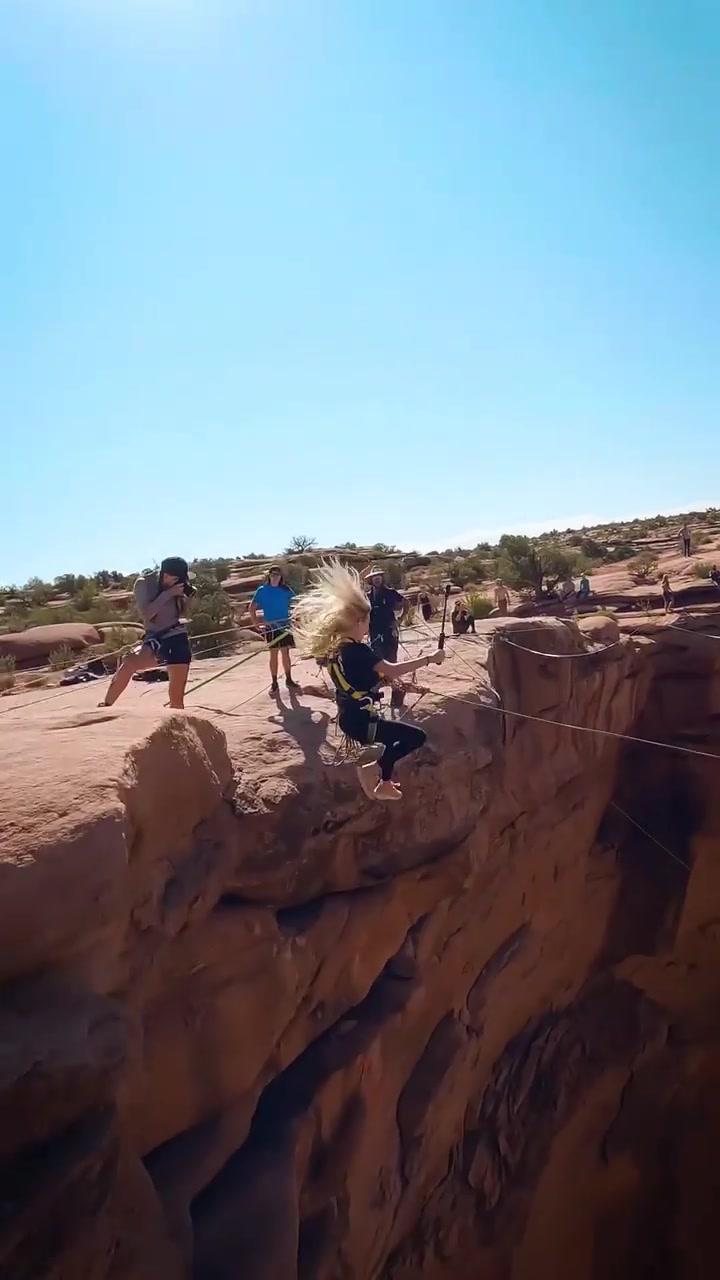
People are rappelling down a steep rock face, harnesses secure, ropes taut — a descent straight into a cliffside without water or snow to soften the fall. This is canyoneering, a no-holds-barred adventure sport that combines climbing, rappelling, and hiking to traverse the raw beauty of desert canyons. This is not a carefree Internet challenge, it’s a real sport that combines a range of techniques into a single adventure-sport.
Technical wilderness sport
Canyoneering involves navigating through canyons and other rugged terrain. The sport, offers a unique blend of climbing and rappelling. It requires specialized gear, such as ropes, harnesses that require technical skills, but the journey is the main attraction. Rather than focusing on a single destination, the thrill is the technical adventure itself. The activity takes place in rugged, natural environments like canyons and cliffs, often in remote and pristine landscapes. This offers adventurers an immersive experience in nature, often leaving only faint traces. Going down a steep canyon wall, rappelling is a crucial component that requires both equipment and skill. Participants' rapport with the natural world can be transformative. As you’re literally connected to the rock face, there is a deep sense of being part of the environment, often sparking moments of quiet awe. The activity requires significant physical stamina and mental focus. The emphasis is on both the physical journey and the mental clarity.
Outdoor Adventure Boom
The boom of outdoor adventure living is fuelled by a collective desire to embrace and experience a direct connection with nature. Canyoneering is part of this wider phenomenon. Initially popularized in the 1970s and 1980s, it has since gained popularity as extreme sports and nature-based tourism have grown. Sports like canyoneering, rock climbing, and other extreme sports have seen a resurgence in popularity, with more people than ever looking to push their limits in the outdoors. With growing interest in the sport, comes scrutiny about its impact on the environemnt, as well as the safety of participants.
Navigating the canyon
There’s a canyon, and there’s a route. First you need to approach the site where the canyon is located, which may include hiking. The actual canyoning portion involves rappelling, climbing, and other techniques to navigate through the canyon. Rappelling is the most familiar part of canyoneering: participants descend down vertical or near-vertical cliffs by letting out a suspended rope. Ascending is not unheard of, but safety measures must be in place. The canyon bottom can contain rivers, pools, or tight spots requiring crawl or swim to traverse.
The gear checklist
A canyoner’s gear is essential to the adventurer. The harness is a key piece of canyoneering equipment. It secures the climber to the rope, distributing weight and allowing for mobility. A safety system with a head set and double-ended carabiner is indispensable. There are multiple ways to descend into the canyon. A descender is a device that controls the rate of descent, ensuring a smooth and safe journey down the rope. The climber also relies heavily on friction from their ropes and slings to control descent.
Getting down: techniques
Descending a steep cliff, the right technique makes the difference between a safe journey and a potentially dangerous one. For example, a basic rappel technique involves attaching the hands to a rope and leaning back as you rappel. Climbers may also use various techniques such as body positioning, using feet and hands to control the speed and direction. Body positioning, such as leaning back to keep tension on the rope, is an important aspect of rappel technique.
Descent into familiar territory
What does canyoneering mean? There’s a reason why it’s not just a sport but a way of life; it’s the combination of physical and mental strength that allows a climber to navigate down the edge of a river bank or a cliff in a canyon. The aim is to traverse the space rather than conquering a peak — appreciate the journey and the challenges along the way. Life is often harsh, and there can be rough patches along the way. However, it’s the journey and how you navigate these rough patches that gives you a sense of accomplishment. The moment where you are falling steadily down a canyon wall and you know exactly where you are going and you know you’ll be alright.
Hitting the trail
Canyoneering involves significant physical exertion and mental focus. It requires a level of physical fitness, including strength, endurance, and balance. Climbers need to be able to carry and handle equipment and traverse challenging terrain. To keep everyone safe, groups should seek the guidance of experienced guides. Don’t forget to check regulations, and ensure that you have the required permits. Follow safety guidelines and ensure that all participants are properly equipped. And that all equipment is in good condition.
- Essentials: canyoneering rope, harness, helmet, rappelling device, carabiners, slings, and emergency supplies.
- Training: obtain training in canyoneering techniques, and safety procedures.
- Get familiar with the canyon: Know what the canyon has to offer and be aware of the challenges it may present.
- Go with a buddy: Canyoneering should never be done alone. It’s best for two people to ensure safety.
- Stay hydrated and fueled: Bring plenty of water and high-energy snacks to keep you going. .................................. With every descent, ropes and harnesses are the meditations of nature. The adrenaline rush of being suspended in the vastness of the canyon makes you feel alive and a sense of incredible accomplishment follows the challenges you’ve faced.
Questions readers ask
What is canyoneering and how is it different from regular hiking or climbing?
Canyoneering is an adventure sport that combines elements of climbing, rappelling, and hiking to navigate through rugged desert canyons. Unlike regular hiking or climbing, canyoneering involves descending steep rock faces with ropes and harnesses, often in remote and pristine landscapes. The focus is on the technical adventure and immersion in nature, rather than reaching a specific destination.
What kind of gear do I need for canyoneering?
For canyoneering, you'll need specialized gear including a harness to secure you to the rope, a descender to control your descent, and a safety system with a helmet and double-ended carabiner. Frition is also crucial for a smooth and safe journey down the rope. Other essentials might include ropes, climbing shoes, and protective clothing suitable for the environment.
Is canyoneering safe for beginners?
Canyoneering requires significant physical stamina, mental focus, and technical skills, so it's not typically recommended for beginners. It's crucial to have proper training and experience in rappelling and climbing before attempting canyoneering. Additionally, always go with an experienced guide or group to ensure safety.
How does canyoneering impact the environment?
Canyoneering takes place in remote and pristine landscapes, and participants are encouraged to leave only faint traces. However, the growing popularity of the sport has raised concerns about its environmental impact. It's important for canyoneers to follow Leave No Trace principles and minimize their impact on the natural environment.
What are the physical demands of canyoneering?
Canyoneering requires a high level of physical fitness, including strength, endurance, and flexibility. Participants need to be comfortable with heights, rappelling, and navigating through tight spaces. The sport also demands mental focus and problem-solving skills to navigate the technical challenges of the canyon.
Can you ascend back up a canyon after descending?
While rappelling is the most familiar part of canyoneering, ascending back up a canyon is possible but requires additional safety measures. Ascending typically involves different techniques and equipment, and it's essential to have the necessary skills and experience to do so safely. Always plan your route and have the appropriate gear for both descending and ascending.
Related deep dives
Similar reads based on topic and creator.

Recent articles
Fresh deep dives from the latest Reels we unpacked.

Comments
Be the first to comment.