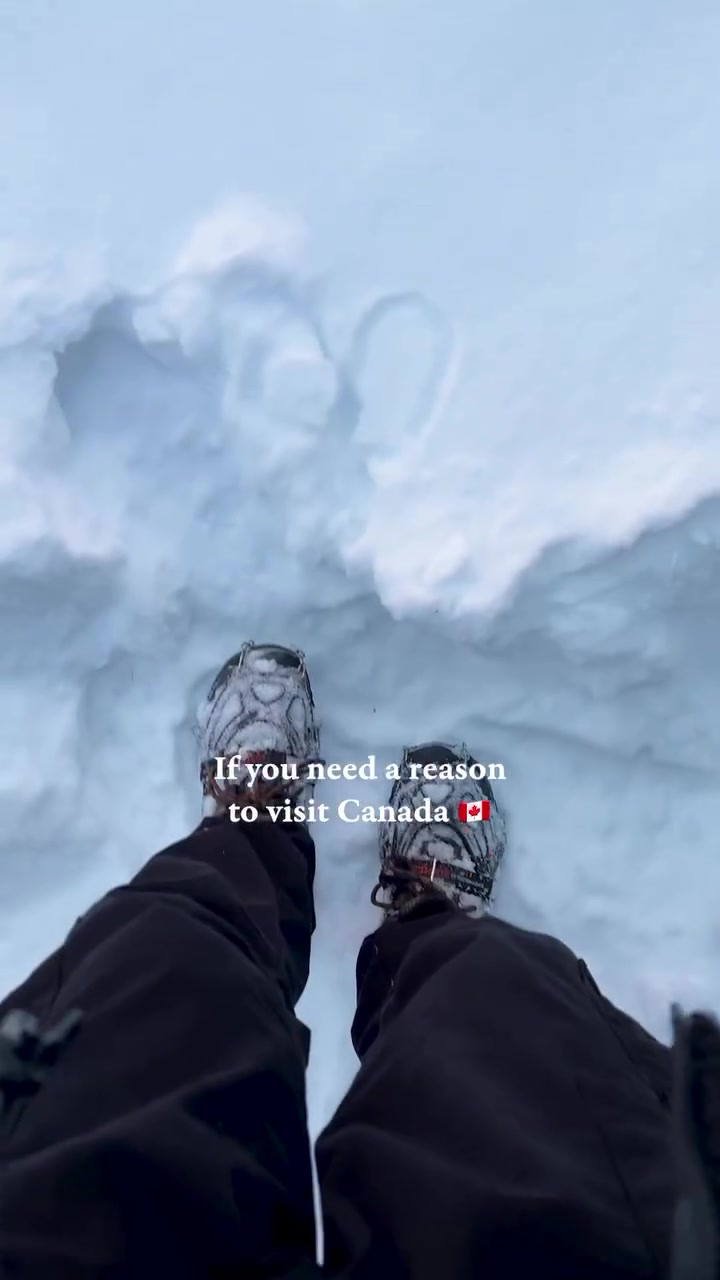
The Turquoise Lakes, Vast Mountains and Dreamlike Sunsets of Canada
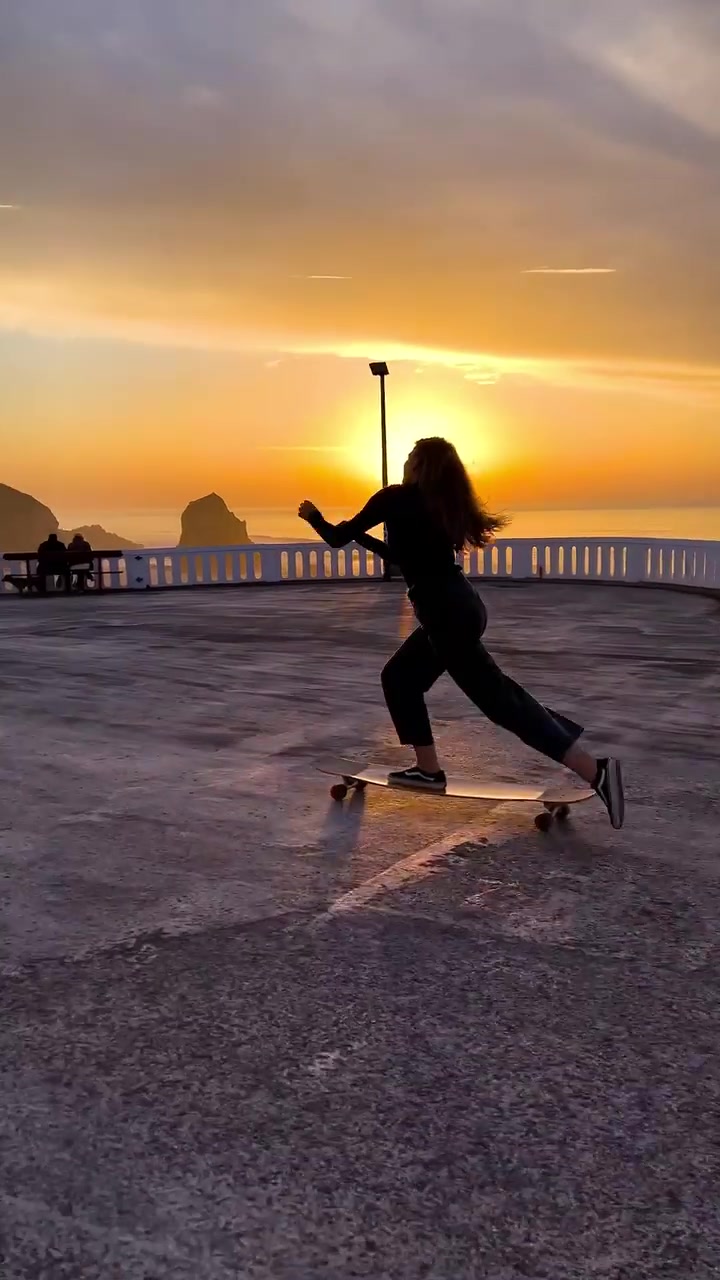
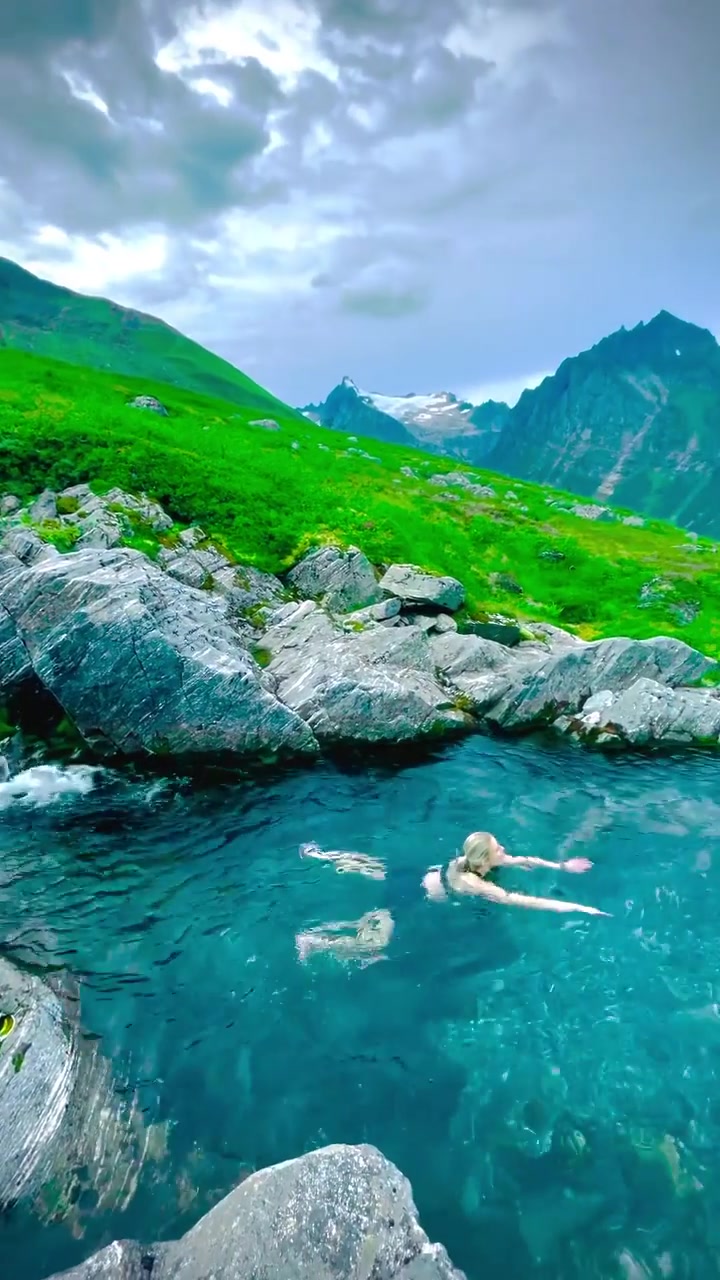
Canada’s natural beauty is legendary, and if it’s not yet on your bucket list, this virtual tour might just convince you to change that plan immediately. Its turquoise lakes, vibrant sunsets, and snow-capped mountains have become a symbol of natural beauty, and the short film is living proof of why these features draw visitors.
The Beauty of Canada’s Four Seasons
There is a lot a short clip cannot do. It can’t convey the country’s urban energy, the winter chill, or the subtle shift in colors from autumn leaves or summer blooms. But it can capture snapshots of what makes Canada a particularly beautiful place, no matter the season. In the case of the reel, it stretches from mountain tops to turquoise lakes, capturing the vividly iconographic biodiversity. Canada’s landscape is truly expansive. It includes Arctic tundra, sprawling prairies and dense forests, with varying features in each region. The tour in this video features clips shot in different locations, including Alberta and British Columbia, home to Banff National Park and Lake Louise, and Yukon, where the Northern Lights streak across the night sky. The film makes no secret of its intention to convey the dreamlike natural beauty of the country. Canada's unique blend of public and private lands and its emphasis on conserving parks have preserved much of these landscapes for use by the public, while operating within the principles of sustainability and ecotourism. It is a fact not lost on both tourists and locals. The country has been increasingly establishing itself as a premier travel destination and at a variety of price points.
Vanquishing Stereotypes: Every Canadian Season
The photos and videos that make up the reel don't separate nature from the Calgary’s urban skyline, Vancouver’s bustling streets and Montreal’s cobblestone alleyways. It does not feature the chilly winters, the hazy summer days, or how the roads in the Rocky Mountains get closed due to landslides and avalanches. This combines itineraries to give a full glimpse of how Canada is beyond the stereotype of vast wilderness. Canada is home to a vast array of microclimates. Banff and Jasper National Parks, for example, boast different ecosystems. The lush old-growth forests in northern B.C. provide a complete contrast to the dry, rocky plateaus of northern Alberta. Both are equally breathtaking in their own ways.
The Advantage of a Stereotype
Canada has always been stereotyped as land of vast forests and mountainous wilderness. But when it comes to tourism, stereotypes are not always a bad thing. The country has done a good job of marketing itself as a premier travel destination, and its popularity only seems to grow year after year. Canada has one particular advantage when it comes to tourism: it's a net-exporter of nature due to its unique geographical and ecological diversity. The colorful, graphic landscapes play a pivotal role in developing its tourism. The lakes are a palette of blues and greens. The yellows are of pine needles or fall leaves. Unlike in many countries, Canada’s skies are not dominated by airports. Instead of skyscrapers, it has mountains. And the grandeur of these mountains is such that you often find yourself forgetting you are on a road. It is no secret that the constant need to collect souvenirs stems from the desire to preserve memories. Canada's tourist industry has always prioritized the conservation of its natural resources and the protection of its wildlife.
Reframing the Context of Canada
As Canada aims to increase the number of tourists in the coming years, it is doing so without compromising on its principles of sustainability and conservation. The message is loud and clear. Canada is ready to astound you, whether you’re looking for a quick weekend getaway or a long-term exploration.
How to Craft Your Perfect Canadian Adventure: Step-by-Step
- The Ultimate Road Trip: Canada’s terrain is perfect for road trips that allow you to discover a different part of the country every day.
- Camping and Hiking: Make camping or hiking your main activity, knowing that you’ll have a natural stop to refresh at.
- Useful Apps: Traveling with pets? Consider using apps like Dog Park Finder to maximize the benefits of having a dog as your companion.
- Do Your Research: The easier thing to do is to book a trip with a guide. But if you want to do it on your own, there are a few things you’ll need to research carefully.
Questions readers ask
What makes Canada's turquoise lakes so distinctive?
Canada's turquoise lakes, like those in Banff National Park and Lake Louise, get their vibrant color from rock flour, which is created by glaciers grinding against bedrock. This fine powder reflects light in a unique way, giving the water its striking blue-green hue.
How do Canada's landscapes change with the seasons?
Canada's landscapes offer a diverse range of experiences throughout the year. In winter, you'll find snow-capped mountains and frozen lakes, while spring brings blooming flowers and thawing landscapes. Summer offers lush greenery and vibrant wildlife, and autumn showcases the stunning fall foliage, especially in places like Banff and Jasper National Parks.
Can I see the Northern Lights in Canada?
Yes, the Northern Lights, or Aurora Borealis, are a spectacular sight in Canada, particularly in the Yukon and the Northwest Territories. The best time to see them is typically from late August to mid-April, when the nights are dark and clear.
Is it true that Canada's tourism focuses on ecotourism?
Yes, Canada places a strong emphasis on ecotourism and sustainability. Many of its national parks, like Banff and Jasper, are managed with principles of conservation and eco-friendly tourism in mind, allowing visitors to enjoy the natural beauty while preserving it for future generations.
What are some unique ecosystems in Canada?
Canada is home to a wide variety of ecosystems, including the lush old-growth forests of northern British Columbia, the dry, rocky plateaus of northern Alberta, and the Arctic tundra. Each of these offers a unique and breathtaking landscape, showcasing the country's diverse natural beauty.
Do the seasons affect travel in the Rocky Mountains?
Yes, the seasons can significantly impact travel in the Rocky Mountains. Winter brings heavy snowfall and potential road closures due to avalanches, while summer offers milder weather and more accessible trails. Spring and fall can be unpredictable, with a mix of weather conditions that can affect travel plans.
How has Canada's tourism industry grown?
Canada's tourism industry has grown significantly, in part due to its marketing as a premier travel destination. Its unique blend of natural beauty, diverse landscapes, and commitment to ecotourism has attracted visitors from around the world, making it a popular choice for travelers at various price points.
Related deep dives
Similar reads based on topic and creator.

Recent articles
Fresh deep dives from the latest Reels we unpacked.


Comments
Be the first to comment.