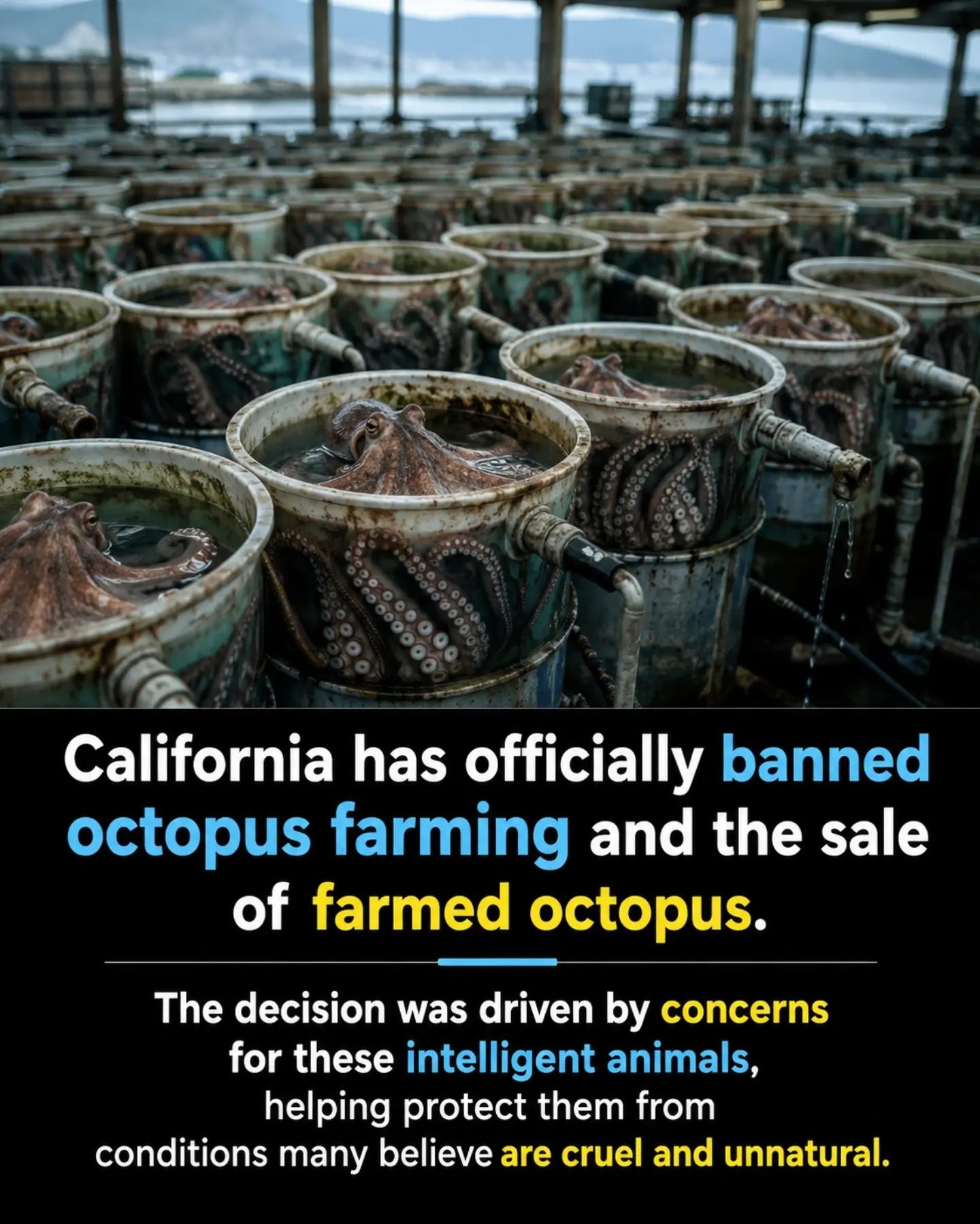
Octopus Farming Ban in California
California has recently made headlines with its decision to ban octopus farming and the sale of farmed octopus. This move is driven by significant concerns about the welfare of these intelligent creatures and the conditions under which they would be farmed. The state's decision reflects a growing awareness of the ethical implications of commercializing marine life.
Context / Why This Matters
Octopuses are fascinating creatures known for their high intelligence and problem-solving abilities. Their complex behaviors and cognitive capabilities have long intrigued scientists and animal welfare advocates. The ban on octopus farming in California underscores the state's commitment to protecting these remarkable animals from what many consider to be unnatural and potentially cruel conditions.
Main discussion
The Intelligence of Octopuses
Octopuses are often referred to as the "Einsteins of the sea" due to their exceptional cognitive abilities. They can solve puzzles, navigate mazes, and even use tools. Their complex nervous systems and large brains allow them to exhibit behaviors that are typically associated with higher mammals. This intelligence raises significant ethical questions about keeping them in captivity for farming purposes.
Ethical Considerations in Marine Animal Farming
The ethical debate surrounding marine animal farming is multifaceted. On one hand, there is the potential for sustainable seafood production to meet growing demand. On the other hand, there are concerns about the welfare of the animals involved. Octopuses, with their high intelligence and sensitivity, are particularly vulnerable to the stresses of captivity. Issues such as overcrowding, lack of enrichment, and unnatural diet can lead to significant suffering.
Welfare Concerns in Octopus Farming
Octopuses require specific environmental conditions to thrive. In a natural setting, they inhabit complex underwater habitats with plenty of opportunities for exploration and problem-solving. In contrast, farmed octopuses are often confined to tanks with limited space and enrichment. This lack of stimulation can lead to behavioral issues and physical health problems.
Ethical Farming Practices and Alternatives
Ethical farming practices focus on minimizing animal suffering and maximizing welfare. For octopuses, this could mean larger tanks, more complex environments, and a diet that closely mimics what they would eat in the wild. However, these measures can be costly and challenging to implement on a large scale. As a result, many advocates support the ban as a way to prevent potential abuse and ensure that these intelligent creatures are protected.
Regulatory and Legal Framework
California's ban on octopus farming sets a precedent for other regions considering similar regulations. The decision reflects a growing awareness of the ethical considerations involved in commercializing marine life. By prohibiting the farming and sale of farmed octopus, California is sending a clear message about the importance of animal welfare and the need for sustainable practices.
Practical Tips
For those interested in supporting ethical marine life practices, there are several steps you can take:
Choose Sustainable Seafood
Opt for seafood that is certified by reputable organizations that prioritize sustainable and ethical practices. Look for labels that indicate the fish or seafood was caught or farmed in a way that minimizes environmental impact and ensures animal welfare.
Support Local Conservation Efforts
Participate in local conservation efforts and support organizations that work to protect marine life. This can include volunteering, donating, or simply spreading awareness about the importance of marine conservation.
Advocate for Ethical Policies
Engage with policymakers and advocate for regulations that promote ethical marine life practices. Write letters, sign petitions, and participate in public consultations to ensure that animal welfare is a priority in policy-making.
Important Takeaways
- California has banned octopus farming and the sale of farmed octopus due to concerns about animal welfare and the unnatural conditions of captivity.
- Octopuses are highly intelligent creatures with complex behaviors and cognitive abilities, making them particularly vulnerable to the stresses of captivity.
- Ethical farming practices for marine life focus on minimizing animal suffering and maximizing welfare, but these measures can be costly and challenging to implement.
- Supporting sustainable seafood choices, local conservation efforts, and advocating for ethical policies can help protect marine life and promote sustainable practices.
Conclusion
The ban on octopus farming in California is a significant step towards ensuring the welfare of these intelligent and sensitive creatures. By acknowledging the ethical considerations involved in commercializing marine life, the state sets a precedent for other regions to follow. As consumers, we can play a crucial role in promoting ethical practices by making informed choices and advocating for policies that prioritize animal welfare. Through collective effort, we can work towards a more sustainable and compassionate future for marine life.
Questions readers ask
What prompted California to ban octopus farming?
California's ban on octopus farming is primarily driven by concerns about the welfare of octopuses, which are known for their high intelligence and complex behaviors. The state aims to address the ethical implications of commercializing these marine animals, particularly the conditions in which they would be raised in captivity.
What are the conditions like in octopus farm tanks?
Octopus farm tanks are often criticized for being too confined and lacking the environmental enrichment that these intelligent creatures need. This can lead to stress, poor health, and even early mortality, which are significant concerns for animal welfare advocates.
How does this ban align with California's other marine life laws?
This ban aligns with California's broader commitment to protecting marine life. The state has enacted various laws to safeguard marine animals, reflecting a growing awareness of the ethical considerations involved in commercializing marine species and the need for humane treatment.
What are the ethical implications of commercial octopus farming?
Commercial octopus farming raises substantial ethical concerns, particularly given the intelligence and sentience of octopuses. The farming practices often involve confined living conditions and stress-inducing environments, which many argue are detrimental to the animals' well-being and quality of life.
What are the main reasons behind the ban on octopus farming?
The main reasons for California's ban on octopus farming include the welfare of the animals, concerns about the conditions in which they are kept, and the broader ethical considerations of commercializing intelligent marine creatures. The state's decision underscores a commitment to protect these remarkable animals from potentially harmful farming practices.
How does the intelligence of octopuses factor into the ban?
The intelligence of octopuses is a key factor in the ban. Their problem-solving abilities, complex behaviors, and high level of sentience make them particularly vulnerable to the stress and negative impacts of captivity. The state's decision reflects a recognition of the unique cognitive capabilities of these creatures and the need to protect them from harmful farming practices.
What does the ban mean for the sale of farmed octopus in California?
The ban on octopus farming in California includes a prohibition on the sale of farmed octopus. This means that it is illegal to sell octopuses that have been raised in commercial farming operations within the state, further reinforcing the commitment to protecting these animals from commercial exploitation.
Related deep dives
Similar reads based on topic and creator.

Recent articles
Fresh deep dives from the latest Reels we unpacked.
Comments
Be the first to comment.