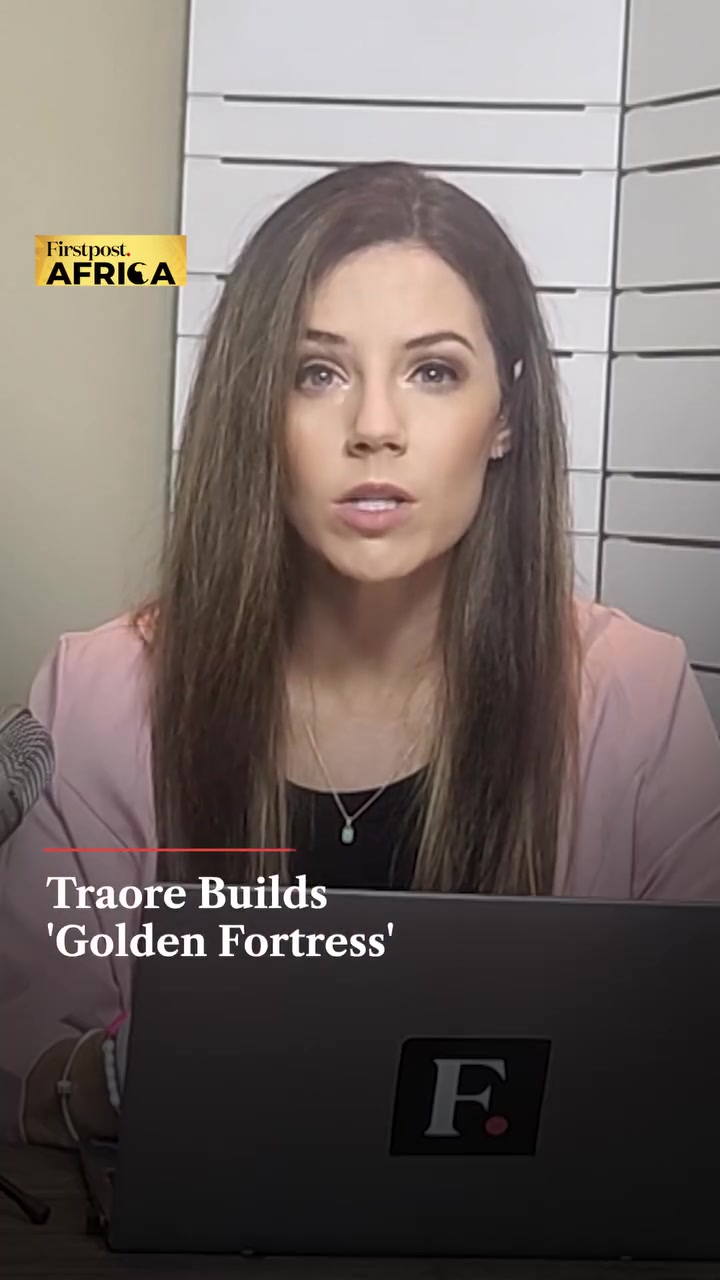
A New Dawn for Burkina Faso
Ouagadougou stands on the brink of a transformative moment as the city’s first gold refinery, Rafinor Biak, is about to open. The facility, operated by the state company Sonas, is not just a new addition to the city’s industrial landscape. It’s a symbol of Burkina Faso’s push towards resource sovereignty. This move aims to keep more of Burkina Faso’s mineral wealth at home, rather than exporting raw gold.
The Heart of the Revolution: Burkina Faso's First Gold Refinery
Rafinor Biak is more than just a refinery; it’s a statement of Burkina Faso’s commitment to economic sovereignty. The facility, located in the capital city, Ouagadougou, is designed to refine up to 400 kilograms of gold daily, amounting to an annual output of 150 tons. The refinery produces gold with a purity of up to 99.99%, meeting the Good Delivery standard, a benchmark for high-quality gold. This high standard of refining capacity is crucial for the country, as it ensures that Burkina Faso can compete in the global gold market without relying on foreign refining services.
Breaking the Chain of Exploitation
For decades, Africa’s gold has often left the continent for refining and further processing, leaving local communities with little benefit. This has been a vicious cycle, where Africa’s raw wealth was stripped by foreign powers, leaving nothing for local economies. The inauguration of Rafinor Biak marks a significant shift in this dynamic.
A Symbol of Sovereignty
With the inauguration of Rafinor Biak, Burkina Faso is making a bold statement to the world. The country’s gold, which has historically been a mainstay of its economy, will now undergo the critical processing stage within its borders. This move aims to ensure that more of the value derived from Burkina Faso’s gold remains within the country, fostering local economic growth and reducing dependence on foreign entities. The new gold refinery is about to open in Ouagadougou, Burkina Faso's capital. But the significance of this event goes beyond the economic, touching on the deeply political. Burkina Faso’s first gold refinery is about more than just refining capacity—the refinery symbolizes a shift in how the country engages with its mineral wealth. Ibrahim Traoré, the leader behind this initiative, wants the country to stop exporting its gold without adding value at home.
OUAGADOUGOU: A DOMINO FOR THE SAHEL
The inauguration of Rafinor Biak is more than a domestic event; it stands as a beacon for the entire Sahel region. The region, historically marginalized in global economic dialogues, will closely watch this development. The success of Burkina Faso’s state-controlled gold refinery could inspire other nations in the region to take similar steps, fostering a wave of economic independence across the Sahel. In addition to refining, the center acknowledges other mining processes essential to transforming raw ore into refined gold. The facility integrates sophisticated technology and machinery to ensure the purity and quality of the gold, meeting Good Delivery standards which is the Global benchmark for high-quality gold. The design of this ultra-modern plant is a testament to Burkina Faso’s commitment to excellence and innovation in the mining sector.
Rafinor Biak's Manufacturing Machinery
The machinery at Rafinor Biak is a marvel of modern engineering, designed to process gold with unmatched precision. The refinery’s capabilities extend beyond simple refining; it also encompasses other crucial mining processes. The machinery handles every step of the process, from raw ore extraction to the final refinement, ensuring that the gold produced meets the highest quality standards.
Follow Burkina Faso's Next Steps
As Burkina Faso unveils its first state-run gold refinery, the country stands at the frontier of economic independence. This initiative by Ibrahim Traoré, is reminiscent of Uganda's approach to oil refinement and other mineral resource processing. Those who want to watch this unfold can look forward to the official inauguration of Rafinor Biak and follow the developments closely. If you want to learn more about the vision of Captain Ibrahim Traoré and Burkina Faso’s push for resource sovereignty, stay tuned to Firstpost.
Sovereignty in a Glimpse
The gold refinery Rafinor Biak stands as a tangible symbol of Burkina Faso’s commitment to economic independence and sovereignty. People are watching, and it's in the long-term interest of Burkina Faso to keep the machinery operational.
Questions readers ask
What makes Rafinor Biak significant for Burkina Faso's economy?
Rafinor Biak is significant because it allows Burkina Faso to refine its own gold, keeping more of the wealth from its natural resources within the country. This reduces dependence on foreign refining services and ensures that the country can compete in the global gold market with high-quality, locally refined gold.
How much gold can Rafinor Biak refine daily and annually?
Rafinor Biak is designed to refine up to 400 kilograms of gold daily, which translates to an annual output of 150 tons. This capacity is crucial for Burkina Faso's economic strategy. The refinery produces gold with a purity of up to 99.99%, meeting the Good Delivery standard, a global benchmark for high-quality gold.
What is the significance of the Good Delivery standard in this context?
The Good Delivery standard is a global benchmark for high-quality gold. By meeting this standard, Rafinor Biak ensures that Burkina Faso's refined gold is of the highest purity and quality, making it competitive in the international market. This standard is crucial for the country's economic sovereignty, as it allows Burkina Faso to sell its gold at premium prices.
How does Rafinor Biak address the historical exploitation of Africa's gold?
Rafinor Biak breaks the historical cycle where Africa's gold was exported raw and refined elsewhere, leaving local communities with little benefit. By refining gold within its borders, Burkina Faso ensures that more of the value derived from its gold remains in the country, fostering local economic growth and reducing dependence on foreign entities.
What role does Rafinor Biak play in the broader Sahel region?
The inauguration of Rafinor Biak serves as a beacon for the entire Sahel region, which has historically been marginalized in global economic dialogues. Its success could inspire other nations in the region to take similar steps towards economic independence, fostering a wave of resource sovereignty across the Sahel.
Is the Rafinor Biak facility equipped with advanced technology?
Yes, Rafinor Biak is designed as an ultra-modern plant, integrating sophisticated technology and machinery. This ensures the purity and quality of the gold, meeting the Good Delivery standards. The facility also acknowledges other mining processes essential to transforming raw ore into refined gold.
Who is behind the initiative to open Rafinor Biak, and what are their goals?
The initiative to open Rafinor Biak is led by Ibrahim Traoré. The goal is to stop exporting raw gold and instead add value at home by refining it within Burkina Faso. This move is about more than just refining capacity; it symbolizes a shift in how the country engages with its mineral wealth, aiming for greater economic sovereignty.
Related deep dives
Similar reads based on topic and creator.


Recent articles
Fresh deep dives from the latest Reels we unpacked.


Comments
Be the first to comment.