What is Bungee Jumping?
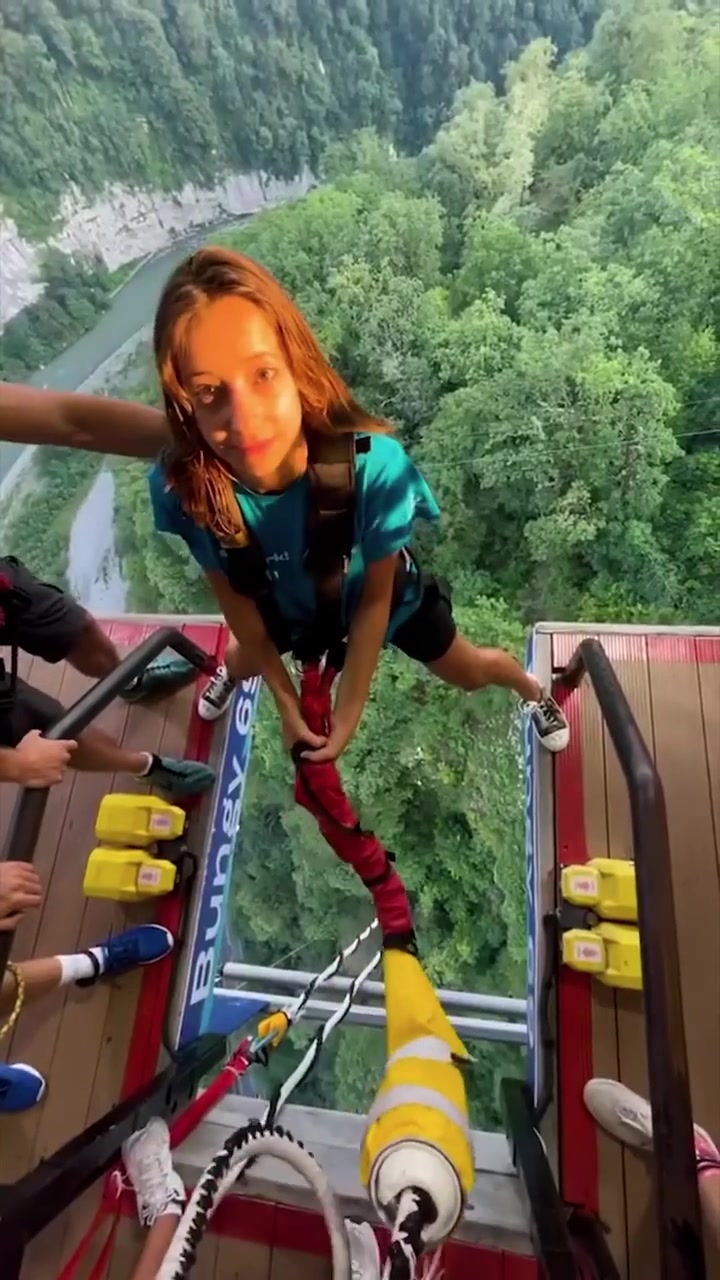
Bungee jumping is the thrilling sport of leaping from a great height with an elastic cord attached to your ankles—a safety first principle that allows the jumper to fall toward the earth at a high speed and then rebound. The adhesive force of inertia propels the jumper’s body toward the ground, with the elastic rope (bungee) absorbing the impact, pulling the jumper back upward, before gravity reverses the process. The fall speeds up until the bungee fully extends, a mechanism that keeps the jumper safe from hitting the ground. The key attraction of bungee jumping lies in the intensity of the freefall and the subsequent rebound which makes the body feel like it's flying. Adrenaline is an inevitable feeling during this adventure as the human body is under the pressure of a potentially lethal fall—only stopped by the tension on the bungee cord. Bungee jumping has its roots in the ancient ritual of the Pentecost Island land divers, who would jump from wooden towers with vines tied to their ankles. In more recent decades, the sport has evolved into a popular adventure activity, with certified platforms and safety measures to ensure that the thrill doesn’t come at an inordinate risk. Before the jump is an elaborate preparation process where the participant is hooked up to the bungee cord. The cord is typically made of strong elastic material and is connected to a harness around the jumper's ankles or waist. Once the jumper is securely attached, they lean back and jump from the platform.
The modern allure of gravity-defying thrills
The demand for extreme sports like bungee jumping has surged in recent years. This interest in overcoming fear and the desire for an adrenaline rush is evident in the rise of bungee jumping as a popular activity on adventure trips. Its rising popularity can be linked with the broader trend of extreme sports and adventure tourism, which has seen a notable increase in participation. This is also evident in the growing number of bungee jumping platforms across the globe, with operators like bungy.e setting up base in lush green forests. The mental challenge of overcoming fear, together with the adrenaline rush, drives people to try bungee jumping. This trend is not just about thrill-seeking; it’s also about the bragging rights that come with conquering this fear.
The gravity of safety
Bungee jumping is all about defying gravity — literally. This is made feasible by a bungee cord, a specially designed elastic cord that stretches and recoils. The length of the cord is carefully calculated based on the height of the jump and the weight of the jumper to ensure that the cord reaches its maximum extension just before the jumper hits the ground. The cord is typically made of latex or rubber, designed to absorb the impact of the fall. A crucial part of the experience is the harness, which secures the jumper to the bungee cord. The harness is typically a waist strap or ankle harness, with quick-release buckles for easy attachment and detachment. Another important aspect is the platform from which the jump occurs. Platforms can vary from bridges to cranes to purpose-built towers. The height and stability of the platform are crucial for a safe and enjoyable jump. The ground below the platform is usually clear, with no obstacles that could pose a risk.
The jump process
The preparation for a bungee jump is a ritual in itself. The jumper must go through a series of safety checks. These include checking the harness and bungee cord for any signs of wear or damage. The jumper is then secured to the cord, with the elastic material stretched to ensure it’s the correct length. After the jump, the rebound is a unique sensation, with the jumper feeling like they are being pulled back up into the air, followed by a series of oscillations until the bounce reduces. The best part of the jump is overcoming the fear of the drop and the sensation of falling—you feel good when you realize it’s all over. A seasoned jumper can enjoy the view from the platform, the thrill of freefall, the sensation of the rebound, and the exhilaration of surviving the experience. Experienced jumpers often talk about the "buzz" that keeps them coming back for more.
The risk factor of a sport that depends on measuring gravity
A controlled environment and robust safety protocols minimize the risk of bungee jumping. The most significant risk is the failure of the bungee cord or harness. However, modern bungee cords are designed to withstand multiple jumps and are regularly inspected for signs of wear and tear. The platform, and the surrounding area, must be clear of any obstacles that could pose a risk. The biggest danger is a malfunctioning cord which releases before it’s supposed to. Bungee operators often have back-up safety measures, such as secondary safety cords or net below the jump area, to mitigate this risk.
Practical guidance for enticing gravity
Bungee jumping isn't for everyone, but for those ready to take the leap, it's an unforgettable experience. Here are key considerations to prepare you before you leap:
- Choose a reputable operator: bungy.e offers professionally-certified operators and top-tier equipment ensuring safety standards are met. The equipment should be well-maintained and regularly inspected. The operator must have experience and a proven safety record.
- Get the right gear: The key piece of gear is the harness, which secures the jumper to the bungee cord. Make sure it fits well and is comfortable. The bungee cord itself should be made of high-quality, durable materials.
- Take precautions: Listening to the instructions of the safety officers before and after the jump is essential. Don't jump if you're not comfortable or if you think the equipment is faulty. If you're unsure, ask questions about the jump, the equipment, and the safety measures in place. Don't hesitate to ask.
Questions readers ask
What exactly happens during a bungee jump from a physical standpoint?
During a bungee jump, you leap from a high point with an elastic cord attached to your body. The fall accelerates until the cord fully extends, at which point it absorbs the impact and pulls you back up, creating a rebound effect. This process is repeated a few times until you come to a stop, giving you the sensation of flying. The harness and cord are designed to handle the forces involved, ensuring a safe experience.
How is the length of the bungee cord determined?
The length of the bungee cord is calculated based on the height of the jump and the jumper's weight. This ensures that the cord reaches its maximum extension just before the jumper hits the ground, providing a safe and thrilling experience. The goal is to have the jumper stop just short of the ground, creating that signature rebound.
What kind of equipment is used in bungee jumping?
The primary equipment includes the bungee cord, which is made of strong elastic material like latex or rubber, and a harness that secures the jumper to the cord. The harness can be a waist strap or ankle harness with quick-release buckles for easy attachment and detachment. The platform from which the jump occurs can vary, including bridges, cranes, or purpose-built towers.
Is bungee jumping safe?
Bungee jumping is generally safe when conducted with certified operators and proper safety measures. The equipment, including the bungee cord and harness, is designed to handle the forces involved. Operators like bungy.e ensure that the cord length is carefully calculated based on the jump height and the jumper's weight, minimizing risks.
What makes bungee jumping popular among adventure seekers?
Bungee jumping offers a unique combination of adrenaline rush and the mental challenge of overcoming fear. The thrill of freefall and the subsequent rebound, along with the bragging rights that come with conquering this fear, drive many people to try it. Its popularity is also linked to the broader trend of extreme sports and adventure tourism.
Can anyone try bungee jumping, or are there specific requirements?
While bungee jumping can be an exciting experience for many, there are some requirements and considerations. Typically, participants should be in good physical health, meet certain age and weight requirements, and follow all safety instructions. It's always best to check with the specific operator, like bungy.e, for their guidelines and any necessary preparations.
How does the bungee jumping experience differ depending on the platform?
The platform from which you jump can significantly impact the experience. For example, jumping from a bridge might offer a different perspective and adrenaline rush compared to jumping from a purpose-built tower or a crane. The height and stability of the platform can also affect the overall sensation and thrill of the jump.
Related deep dives
Similar reads based on topic and creator.



Recent articles
Fresh deep dives from the latest Reels we unpacked.



Comments
Be the first to comment.