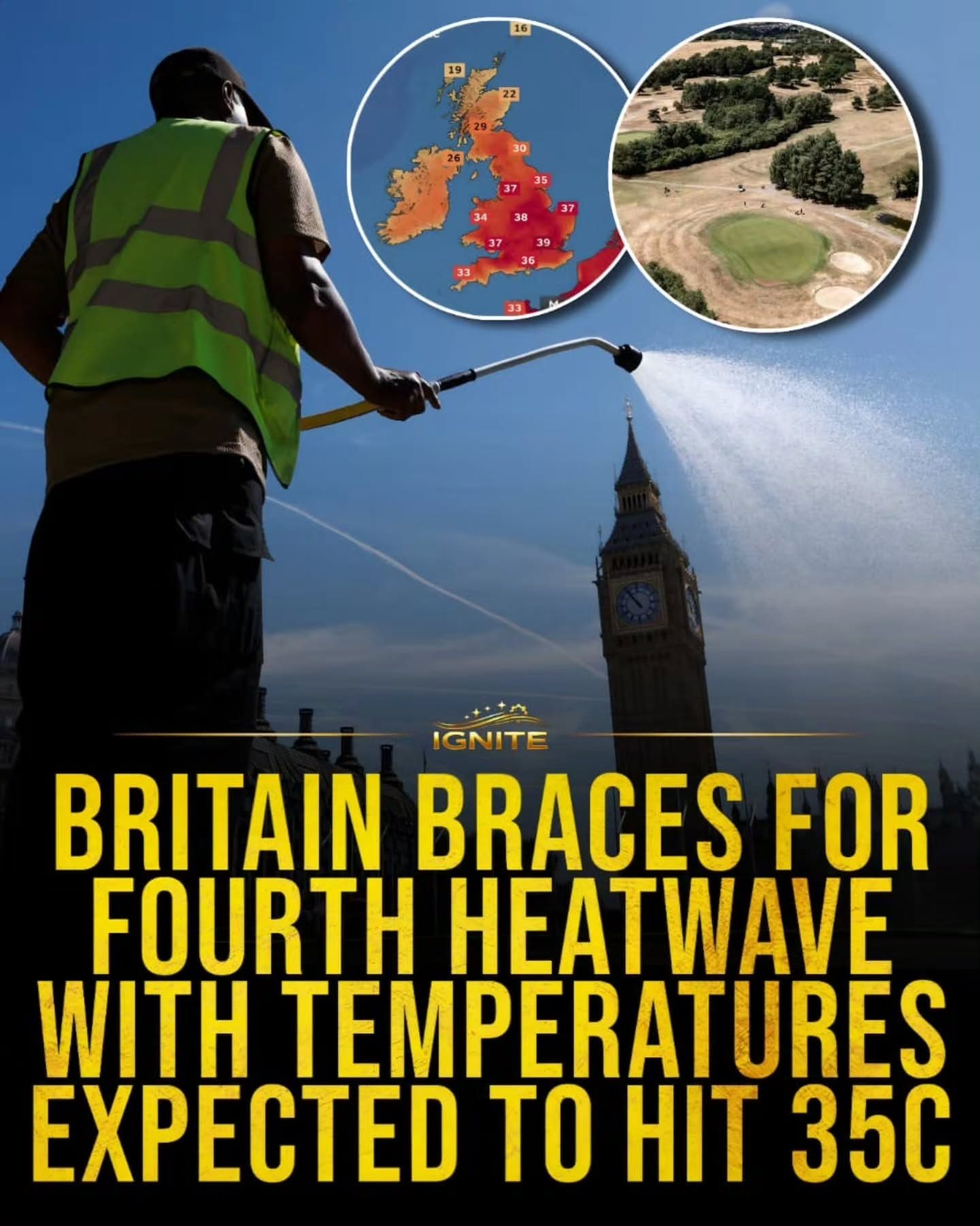
Heatwaves in Britain
The United Kingdom is facing a fourth heatwave, with temperatures expected to soar to 35°C. This is not an isolated event; Britain has been experiencing a series of heatwaves, making this the fourth one this summer. Understanding the context and implications of these extreme weather events is crucial for both residents and visitors.
Why this matters
Heatwaves are becoming more frequent and intense due to climate change, affecting various aspects of daily life, from health to infrastructure. For Britain, this means adapting to higher temperatures, which can strain the healthcare system, disrupt transportation, and impact outdoor activities.
Understanding the heatwaves
Causes and patterns
Heatwaves occur when high-pressure systems trap hot air, causing temperatures to rise significantly above average. In Britain, these conditions are exacerbated by the country's location and climate, which is typically characterized by mild summers. The current heatwave patterns indicate a shift in weather trends, with longer and more intense periods of high temperatures.
Impact on daily life
The impact of heatwaves extends beyond discomfort. Extreme heat can lead to heat-related illnesses, such as heat exhaustion and heatstroke, which can be life-threatening if not treated promptly. Vulnerable populations, including the elderly and young children, are particularly at risk. Additionally, heatwaves can strain the power grid as air conditioning use surges, leading to potential blackouts.
Healthcare systems are also under strain during heatwaves. Hospitals and clinics see an increase in patients seeking treatment for heat-related illnesses, which can overwhelm resources. Public health officials often issue warnings and advisories, urging people to stay hydrated, avoid outdoor activities during peak hours, and check on vulnerable neighbors.
Practical tips
Staying safe during a heatwave
- Stay hydrated: Drink plenty of water throughout the day, even if you don't feel thirsty.
- Avoid peak hours: Schedule outdoor activities for early morning or late evening when temperatures are cooler.
- Cool down: Use fans, air conditioning, or other cooling methods to keep your home comfortable. If you don't have access to air conditioning, spend time in public spaces like libraries or shopping malls that offer cool relief.
- Check on others: Regularly check on elderly neighbors, friends, or family members who may be vulnerable to heat-related illnesses.
- Wear appropriate clothing: Opt for lightweight, light-colored clothing made of breathable fabrics like cotton.
Important takeaways
Britain is experiencing its fourth heatwave this summer, with temperatures expected to reach 35°C. These extreme weather events have significant implications for public health, infrastructure, and daily life. Understanding the causes and impacts of heatwaves is essential for adapting to these changing conditions.
Key points to remember:
- Heatwaves are caused by high-pressure systems that trap hot air, leading to prolonged periods of high temperatures.
- Impact on daily life and healthcare systems is significant, requiring increased preparedness and awareness.
- Staying hydrated, avoiding peak hours, cooling down, checking on others, and wearing appropriate clothing are essential for staying safe during a heatwave.
Conclusion
Heatwaves in Britain are a growing concern, and understanding their causes and impacts is crucial for adapting to this new reality. By staying informed and taking necessary precautions, residents and visitors can navigate these challenging conditions more effectively. As climate change continues to shape weather patterns, it's essential to stay vigilant and prepared for future heatwaves.
Questions readers ask
Why is Britain experiencing its fourth heatwave this summer?
Britain is experiencing its fourth heatwave this summer due to persistent high-pressure systems that trap hot air, leading to extended periods of extreme temperatures. This is part of a broader pattern of more frequent and intense heatwaves driven by climate change.
What are the key risks associated with a 35°C heatwave in Britain?
A 35°C heatwave poses several risks, including strain on the healthcare system due to heat-related illnesses, disruption to transportation networks, and potential impacts on infrastructure such as the power grid. Outdoor activities, such as sports or leisure, can also be affected.
How do high-pressure systems contribute to heatwaves in Britain?
High-pressure systems contribute to heatwaves by acting as a barrier that prevents cooler air from moving in, effectively trapping hot air over an area. This results in prolonged periods of high temperatures, as seen in Britain's current heatwave.
What should residents and visitors do to stay safe during a heatwave in Britain?
During a heatwave, it's important to stay hydrated, avoid prolonged exposure to the sun, and seek shade when possible. Additionally, checking on vulnerable individuals, such as the elderly or those with health conditions, and being aware of local advisories can help ensure safety.
How might a heatwave impact outdoor activities, such as golf courses in Britain?
Extreme heat can lead to the closure of outdoor facilities, including golf courses, to protect both participants and staff from heat-related illnesses. It's advisable to check local updates and adjust plans accordingly during a heatwave.
What preparations should be made for the power grid during a heatwave in Britain?
To prepare for a heatwave, power grid operators may need to implement measures to manage increased demand for cooling, such as load balancing and ensuring backup systems are in place to prevent outages.
Are heatwaves expected to become more common in the UK in the future?
Yes, heatwaves are expected to become more frequent and intense in the UK due to climate change. Residents and visitors should be prepared for these extreme weather events by staying informed and taking necessary precautions during high-temperature periods.
Related deep dives
Similar reads based on topic and creator.




Recent articles
Fresh deep dives from the latest Reels we unpacked.




Comments
Be the first to comment.