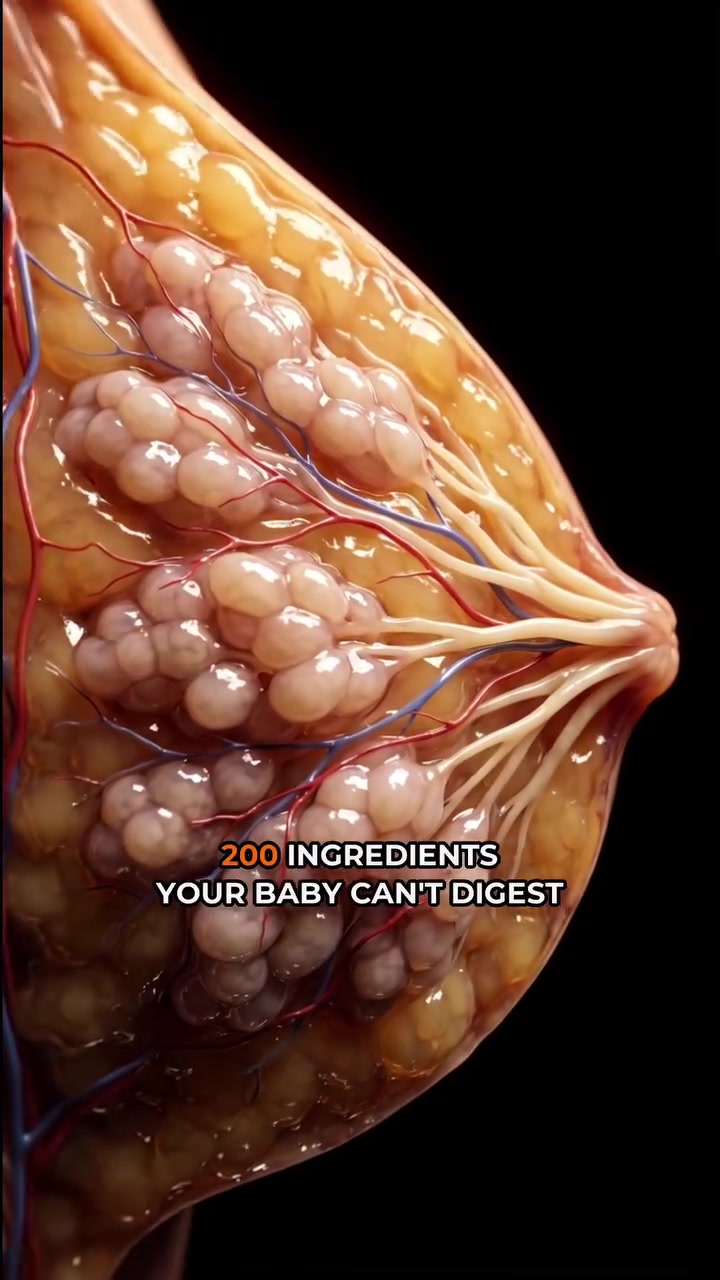
Breast milk is a biological marvel that packs 200 ingredients a baby cannot digest or use. Newborns lack the enzymes to break down these complex sugars, proteins, and fats. Breast milk is not derived from food, but from blood — 400 litres of it processed for every litre of milk produced. Yet, the purpose of these indigestible ingredients is far from wasteful.
Bottled Blood Sustenance — Milk From Bacteria
Breast milk is manufactured in the mammary gland. Clusters of cells, with surrounding muscle, extract vital components from flowing blood. Water, sugar, protein, and fat are separated from 400 litres of blood passing through the glandular functions. The mammary gland is a complex network of cells and muscle, including lobules where milk is produced and ducts through which milk is transported. The gland takes sugars, proteins, fats, and other components from the mother’s bloodstream and assembles them, as needed, into a highly specialized substance tailored to a baby's specific needs. These precursor ingredients are not mere components; they are "ingredients for the bacteria." Human milk oligosaccharides (HMOs) reach the large intestine unprocessed and ferment into beneficial microbes, bacteria, and other microbes that feed the baby’s immune system with the enzymes the baby doesn't.
Babies and Bacteria—Immune System Development
The foundations of the baby’s immune system lie in its gut microbiome. The indigestible ingredients in breast milk are vital for maintaining this balance. The human milk oligosaccharides (HMOs) are literally the sugar from breast milk that feed the bacteria in the baby’s gut and promote growth of beneficial bacteria. Infant immune systems are fraught with bacteria fighting within the body. Breast milk HMOs feed the microbes, and bacteria have the enzymes to break them down. These beneficial bacteria provide the enzymes to digest certain food sources, like HMOs. Once ingested, these HMOs are fermented, becoming food sources for the microbiome. These microbes thrive and grow on this pre-fermented, unique lactose formula. This process helps establish the balance of bacteria in the baby’s gut, protecting it by preventing the overgrowth of harmful bacteria while fostering a robust immune system and aids in the infant's digestion.
A Slice of Motherhood
Breast milk contains various antibodies from the mother, providing a layer of protection for the infant from pathogens in the external environment. The fermentation of human milk oligosaccharides plays a crucial role in developing the infant immune system. HMOs are found in breast milk and are relatively high in quantity and diversity.
The Ovarian Gland —A Milk Factory
The mammary gland is a complex network of cells and muscle that includes lobules where milk is produced and ducts through which milk is transported. Milk is produced in the alveolar or secretory cells that make up the milk-producing gland tissue. These glands perform a crucial biological function of transferring nutrients and antibodies from mother to child in its first six months. These are complex networks of blood vessels, muscles, and glands. Breast milk is assembled from the mother’s blood. The gland extracts vital components from flowing blood. These nutrients include water, sugar, protein, and fat. The gland then assembles these proteins and fats into a nutrient-rich structured milk. Human milk oligosaccharides are a prime example of human milk ingredients that are more growth-promoting for the baby’s microbiome, which feeds the exact microbes. It is considered the natural way to feed a newborn, including the thousands of nutrients and antibodies that can not be manufactured or synthesized in a lab. The immune system is developed through breastfeeding. This transfer of mother and child milk ingredients fertilization generates a robust immune system.
Fostering the Microbic Multitude
Human milk oligosaccharides (HMOs) are the world's third most abundant form of carbohydrate. These are not for the baby, but for the bacteria that have enzymes that break them down, turning them into prebiotic material. These microbes shape the microbiome in the baby’s gut, which is crucial to its immune system. The ingredient HMOs (from the mother’s blood) is a vital component of the baby’s gut health, stimulating the growth of the microbiome’ beneficial bacteria. Breast milk's nutrition structure and ability to feed these microbiome bacteria are crucial to the developing baby’s well-established immune system. The lactose is the sugar and food source to feed the microbes in the baby’s gut. This prebiotic effect of HMOs is important for the baby's health.
This Prebiotic Transfer of Gut Health
Today, human milk oligosaccharides (HMOs) are a focus in the growing field of nutritional science. They are being supplemented in formula milk to provide some immune system functionality. Breast milk is a prolific source of HMOs. For infants without access to breast milk, formula milk is enriched with HMOs to offer the same prebiotic benefits. Mothers pass on specific bacteria from the vagina and skin of the mother to the infant. These bacteria enter the infant's intestine in the first few days of birth. Babies born by c-section miss out on this exposure. They can be supplemented with human milk oligosaccharides to replicate this exposure and support the growth of beneficial bacteria. The way breast milk is produced is a function of the mother’s body taking the food they eat and converting it into breast milk. The body also takes the beneficial bacteria that the mother has ingested and converts it to beneficial bacteria for the baby. The HMOs are the most complex carbohydrates present in milk. They serve as prebiotics and help beneficial bacteria in the baby’s gut. The prebiotic effect of HMOs is crucial to the health and growth of the baby. These HMOs are taken from the mother’s blood and carried to the mammary gland. The gland then assembles the HMOs into breast milk. These HMOs feed the bacteria that build a baby’s immune system. How breast milk is produced is a function of the mother’s body taking in components from the bloodstream and assembling them into breast milk.
If You Want to Try It —
Want to grow a new, healthier gut microbiome? Trying a new milk formula can be beneficial. Supplementing breast milk or milk formula with human milk oligosaccharides (HMOs) provides the infant with a robust immune system. There are various sources of formula milk. These sources can be spoilt quickly if not consumed quickly. Make sure to find a good source of formula milk that is enriched with HMOs for the infant. It is best to purchase freshly made formula milk for quick consumption.
- Baby Immune System: While human milk oligosaccharides (HMOs) have beneficial effects on infants, these benefits depend on the proper gut conditions. The presence of non-beneficial bacteria in the baby’s gut may inhibit the HMOs' beneficial effects.
- Breast Milk: Breast milk is the best milk for babies. If you are a lactating mother, enjoy the natural process of feeding your baby. You are making two meals: one for your baby and one for the bacteria. You are the only one who can make your milk. Your milk will be unique to your baby. Your baby's immune system will benefit from your unique HMOs.
- Prebiotic: The HMOs are the sugars present in breast milk that feed the microbes. These microbes are present in the baby’s gut. These microbes help the baby develop a better immune system. The HMOs also have anti-inflammatory effects which are beneficial to babies with digestive issues.
- Probiotic: If you are using formula milk, try to get one that contains probiotics and HMOs. This formula milk can impart to your baby the same benefits as of breastfeeding.
Questions readers ask
What exactly are human milk oligosaccharides (HMOs) and why are they so important for babies?
HMOs are complex sugars found in breast milk that babies can't digest. They pass through the baby's digestive system and feed the beneficial bacteria in the gut, which helps to develop the baby's immune system. They also help to prevent harmful bacteria from overgrowing, which is crucial for a baby's health.
How does the mammary gland produce breast milk from the mother's blood?
The mammary gland has a complex network of cells and blood vessels that extract vital nutrients from the mother's blood. It then assembles them into breast milk, which is tailored to the baby's specific needs. This process involves separating and processing 400 litres of blood for every litre of milk produced.
What makes breast milk such a unique and complex substance?
Breast milk is unique because it contains over 200 ingredients that babies can't digest, like HMOs, which are crucial for immune system development. It's also assembled from the mother's blood, not just from the food she eats, making it a highly specialized and personalized substance for each baby.
Can formula milk replicate the complex sugars and antibodies found in breast milk?
Formula milk is unable to replicate the full range and complexity of the indigestible ingredients found in breast milk. Formula milk cannot replicate the complex sugars in breast milk, such as human milk oligosaccharides, which are crucial for feeding the beneficial bacteria in a baby's gut and supporting the immune system.
What happens if a baby doesn't receive breast milk?
If a baby doesn't receive breast milk, they may miss out on the unique benefits of HMOs and other complex sugars that support immune system development. However, formula milk can provide essential nutrients for growth and development, and it's important to consult with a healthcare provider for personalized advice.
How does the fermentation of HMOs help babies?
Once ingested, HMOs are fermented in the baby's gut and become food sources for beneficial bacteria. This process helps to establish a healthy balance of bacteria in the baby's gut, protecting it from harmful bacteria and supporting the development of a robust immune system.
What role do antibodies in breast milk play in protecting babies?
The antibodies in breast milk provide a layer of protection for the infant from pathogens in the external environment. These antibodies are transferred from the mother to the baby and help to boost the baby's immune system, especially in the first few months of life.
Related deep dives
Similar reads based on topic and creator.




Recent articles
Fresh deep dives from the latest Reels we unpacked.


Comments
Be the first to comment.