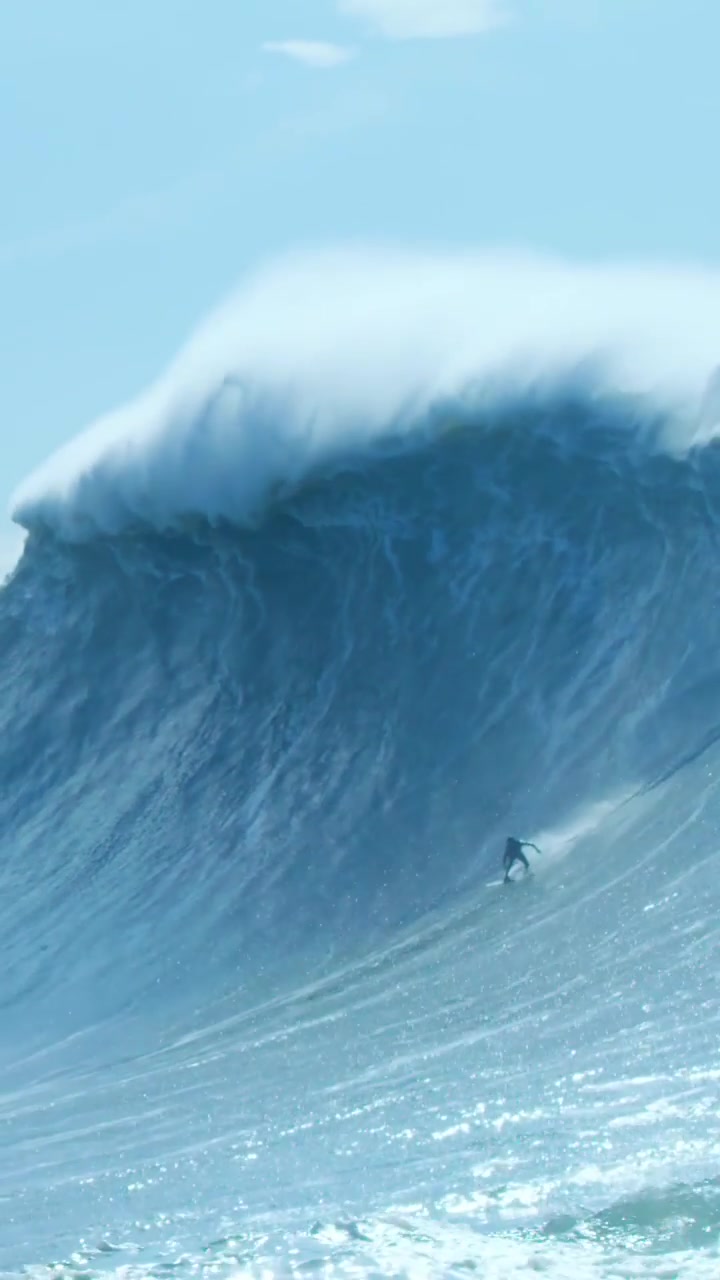
Big-wave surfing epitomizes human bravery against nature. A surfer maneuvers a gigantic wave with a towering crest and churning face, making them seem tiny in contrast. The raw power of the ocean and the surfer’s skill are on display.
The Oceanic Challenge
Big-wave surfing is an extreme sport known for its colossal waves and the bravery of surfers who challenge them. Surfers ride waves often taller than the average building. The waves encountered in big wave surfing are generally 20 feet tall or larger. This sport requires a complete understanding of the ocean, a massive amount of skill, courage, and expert equipment. A core difference between big waves and traditional surfing is the sheer danger and power of the waves. For comparison, the regular beach breaking waves are typically under 10 ft. These big waves are formed by specific wind conditions coming with deep water swells. Special boards and wetsuits are essential, as cold water and powerful waves demand different equipment than warmer, smaller surf. Experienced surfers push their limits, riding giant waves that can reach up to 80 feet or more. Surfers often free fall before riding the wave's massive curl. The sport demands a deep understanding of ocean currents, weather patterns, and wave formation.
Unleashing the Power of the Ocean
This adventurous sport is no flash in the pan; it's part of a broader culture of oceanic challenges. Big wave surfing has grown into a distinct niche following. Not everyone wants to face colossal waves, yet big wave surfing has a high cultural visibility. The extreme sport events are often broadcasted and popularized in surfing culture. While many surfers seek thrills, the risk of injuries is always present. The surfers must navigate extremely powerful waves to ensure they avoid colliding with the ocean floor, which can cause catastrophic damage to their well-being. The risks are severe, but the rewards are also significant. The adrenaline rush and the thrill of facing a beastly wave make big-wave surfing an adventure that many surfers seek. Relatively few surfers are genuinely attempting to ride such humongous waves, making this community an extremely exclusive demographic.
The Risk and Skill Required
The journey into big wave surfing is no casual venture. Each wave ridden is a battle to determine the quality of the ride. The surfer cannot just let go and ride the wave freely. They need to position themselves to get the perfect ride and avoid disaster. This is where the sport's blend of skill and instinct comes in. Paddling or being towed into a massive wave requires exceptional strength and timing. Riding such a wave is dangerous. The primary risk comes from the wave itself, which can send surfers into the ocean depths. The lack of air and the intense pressure can lead to severe injuries. Apart from that, collisions with underwater rock formations or other surfers pose a significant risk. Many surfers have been severely hurt during such falls. In extreme cases, it might even cause fatal injuries.
The Evolving Community
The community shares a unique sense of camaraderie. The participants are a close-knit group that supports each other. The video showcases the intensity and sense of belonging shared by extreme surfers. While many surfers keep finding bigger waves to ride, the secret spots are usually protected within the community. In the videos, see how the surfer’s actions show an elite sense of adventure while maintaining a certain reverence for the ocean.
Choosing the Right Gear
Curious about big wave surfing? Specialist equipment is crucial, and finding the right gear is essential. Most surfers use big, heavy boards that help them catch large waves and stay afloat. A couple of tips:
- Find the Right Board: Big wave surfing boards are much heavier and thicker than standard surfboards. Choose a stable, buoyant board for riding massive waves.
- Safety Gear: Paddling out in the ocean is risky. Paddling into the waves can be exhausting, so always take safety gear like a fanny pack with essentials.
- Observe the Wave: Since the ride is limited to a few seconds, surfers must position themselves strategically to execute optimal rides. Analyze the wave’s shape and strength before deciding on the best position.
The Thrill of the Unknown
The allure of big-wave surfing will always stay strong, driven by the quest to conquer the world. Life on the edge of danger is the essence of the surfing community. The surfer is both driven and restrained by the ocean. As the sport continues to evolve, it will always be a test of human endurance and adaptability in the face of immense power.
Questions readers ask
What makes big wave surfing different from regular surfing?
Big wave surfing stands out due to the sheer size and power of the waves, which can be 20 feet tall or more, compared to regular beach waves that are typically under 10 feet. The equipment, skills, and risks involved are also much greater, requiring specialized boards, wetsuits, and a deep understanding of ocean conditions.
How do surfers actually get onto these massive waves?
Surfers typically paddle or are towed into the wave using jet skis or boats. This requires exceptional strength, timing, and a lot of courage. The goal is to position themselves correctly to catch the wave and ride it safely.
What kind of equipment do big wave surfers use?
Big wave surfers use specialized equipment designed to handle the extreme conditions. This includes larger, thicker boards and heavier wetsuits to protect against the cold water and powerful waves. The equipment is crucial for navigating the intense forces at play.
How do big wave surfers stay safe in such dangerous conditions?
Safety in big wave surfing involves a deep understanding of ocean currents, weather patterns, and wave formation. Surfers must also be highly skilled and physically prepared. They need to avoid collisions with the ocean floor or other surfers, and be ready to handle the intense pressure and lack of air during falls.
Isn't big wave surfing extremely dangerous? What are the risks?
Yes, big wave surfing is extremely dangerous. The primary risks come from the wave itself, which can send surfers into deep water, causing severe injuries or even fatalities. Additionally, collisions with underwater rock formations or other surfers pose significant threats.
How has big wave surfing evolved over the years?
Big wave surfing has grown from a niche pursuit to a distinct culture within surfing. It has gained cultural visibility through broadcasts and events, attracting a dedicated following despite the high risks involved. The community is close-knit, with surfers supporting each other in this extreme sport.
Why do surfers choose to take on such enormous risks?
The adrenaline rush and the thrill of conquering a massive wave drive many surfers to attempt big wave surfing. It's an exclusive community, and the rewards, both in terms of personal achievement and cultural recognition, make the risks worth it for those who pursue it.
Related deep dives
Similar reads based on topic and creator.

Recent articles
Fresh deep dives from the latest Reels we unpacked.



Comments
Be the first to comment.