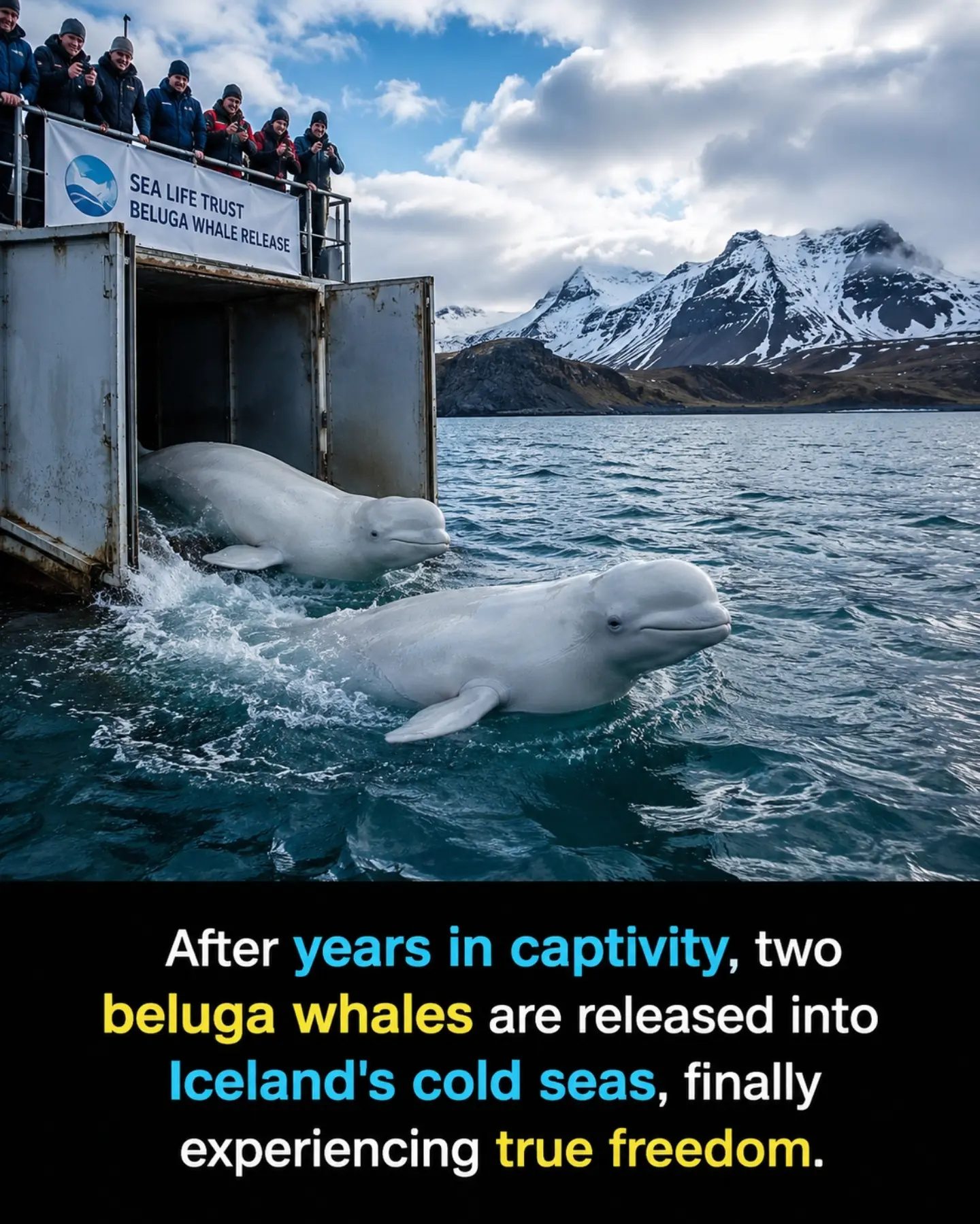
Beluga Whale Release: A Conservation Milestone
Beluga whales, known for their distinctive white color and sociable nature, have long captivated marine life enthusiasts. The release of two beluga whales into the cold seas of Iceland marks a significant moment in wildlife conservation. This event, orchestrated by the SEA LIFE TRUST, highlights the ongoing efforts to rehabilitate and reintroduce marine animals into their natural habitats.
Why This Matters
The return of these beluga whales to the wild is more than just a heartwarming spectacle; it signifies a broader commitment to marine conservation. By releasing these whales, conservationists aim to address the ecological imbalance caused by captivity and to promote the overall health of marine ecosystems. This event underscores the importance of collaborative efforts between wildlife organizations and the broader scientific community.
Beluga Whales and Their Habitats
Natural Environment
Beluga whales are found primarily in Arctic and sub-Arctic waters. Their natural habitat is characterized by cold, nutrient-rich waters that support a diverse array of marine life. These waters provide ample food sources, such as fish and crustaceans, which are essential for the whales' survival. The cold temperatures also play a crucial role in regulating the whales' metabolism and maintaining their health.
Challenges in Captivity
Captivity poses significant challenges for beluga whales. Limited space, restricted social interactions, and unnatural environments can lead to physical and psychological stress. The whales often struggle with behavioral issues, such as stereotypical behaviors like repetitive swimming patterns, which are indicative of distress. Additionally, the lack of natural prey and hunting behaviors can compromise their overall well-being.
The Release Process
Preparation and Planning
The release of beluga whales into the wild is a meticulously planned process that involves extensive preparation. Conservationists work closely with veterinarians, marine biologists, and other experts to ensure the whales are physically and mentally ready for their return to the wild. This includes monitoring their health, assessing their swimming abilities, and gradually acclimating them to colder waters. The SEA LIFE TRUST's expertise in marine conservation has been instrumental in this process.
Iceland: A Suitable Habitat
Iceland's cold, pristine waters provide an ideal habitat for beluga whales. The country's marine environments are relatively free from pollution and human interference, making them suitable for the whales' long-term survival. The release was carefully timed to coincide with optimal environmental conditions, ensuring the whales' smooth transition back to their natural habitat.
The Release Event
The release event, captured in the video, showcases the culmination of these efforts. The beluga whales, carefully transported to the release site, were guided into the icy waters by a team of experts. As they swim freely, the whales exhibit a sense of curiosity and excitement, exploring their new environment with a renewed sense of freedom. The backdrop of snow-capped mountains and a vast, open sea adds to the emotional significance of the event, highlighting the whales' return to their natural home.
Practical Tips for Supporting Wildlife Conservation
Educate Yourself
One of the most effective ways to support wildlife conservation is to educate yourself about the issues facing marine life. Stay informed about the challenges beluga whales and other marine animals face, and learn about ongoing conservation efforts. This knowledge can empower you to make informed decisions and take meaningful action.
Support Conservation Organizations
Organizations like the SEA LIFE TRUST play a crucial role in marine conservation. By supporting these groups through donations, volunteering, and advocacy, you can contribute to their efforts to protect and rehabilitate marine animals. Your support can help fund research, conservation projects, and educational programs, making a tangible difference in the lives of marine creatures.
Practice Sustainable Habits
Adopting sustainable practices in your daily life can have a significant impact on marine ecosystems. Reduce your use of single-use plastics, choose sustainably sourced seafood, and support local conservation initiatives. Simple changes can contribute to the broader goal of preserving marine habitats and protecting marine life.
Important Takeaways
The release of beluga whales into the wild by the SEA LIFE TRUST is a testament to the power of collaborative conservation efforts. This event underscores the importance of providing marine animals with the opportunity to live in their natural habitats, free from the constraints of captivity. It also highlights the critical role of organizations and individuals in ensuring the survival and well-being of marine life.
Conclusion
The beluga whale release in Iceland is more than a single event; it represents a broader commitment to marine conservation and the rehabilitation of marine animals. By returning these whales to their natural habitat, we take a significant step toward preserving the delicate balance of marine ecosystems. This milestone serves as a reminder of the importance of collective efforts in safeguarding our oceans and the creatures that call them home.
Questions readers ask
What is the significance of beluga whales returning to Iceland's wild seas?
The return of beluga whales to Iceland's wild seas is a major milestone in marine conservation. It demonstrates a successful effort to reintroduce captive marine life back into their natural habitats, aiming to restore ecological balance and promote the health of marine ecosystems.
Which organization orchestrated the beluga whale release in Iceland?
The SEA LIFE TRUST is the organization behind the beluga whale release in Iceland. They are committed to rehabilitating and reintroducing marine animals into their wild environments.
What makes beluga whales unique among marine species?
Beluga whales are renowned for their distinctive white color and sociable behavior. These characteristics make them captivating to marine enthusiasts and highlight the importance of their conservation.
How does the beluga whale release contribute to marine conservation efforts?
The release of beluga whales into the wild in Iceland addresses the ecological imbalance caused by captivity. It promotes the overall health of marine ecosystems and highlights the ongoing commitment to restoring marine life.
What can be expected from whale sightings in Iceland after the beluga whale release?
With the release of beluga whales, Iceland whale watching could potentially increase the likelihood of beluga whale sightings. This presents an opportunity to observe these majestic creatures in their natural habitat.
Related deep dives
Similar reads based on topic and creator.


Recent articles
Fresh deep dives from the latest Reels we unpacked.



Comments
Be the first to comment.