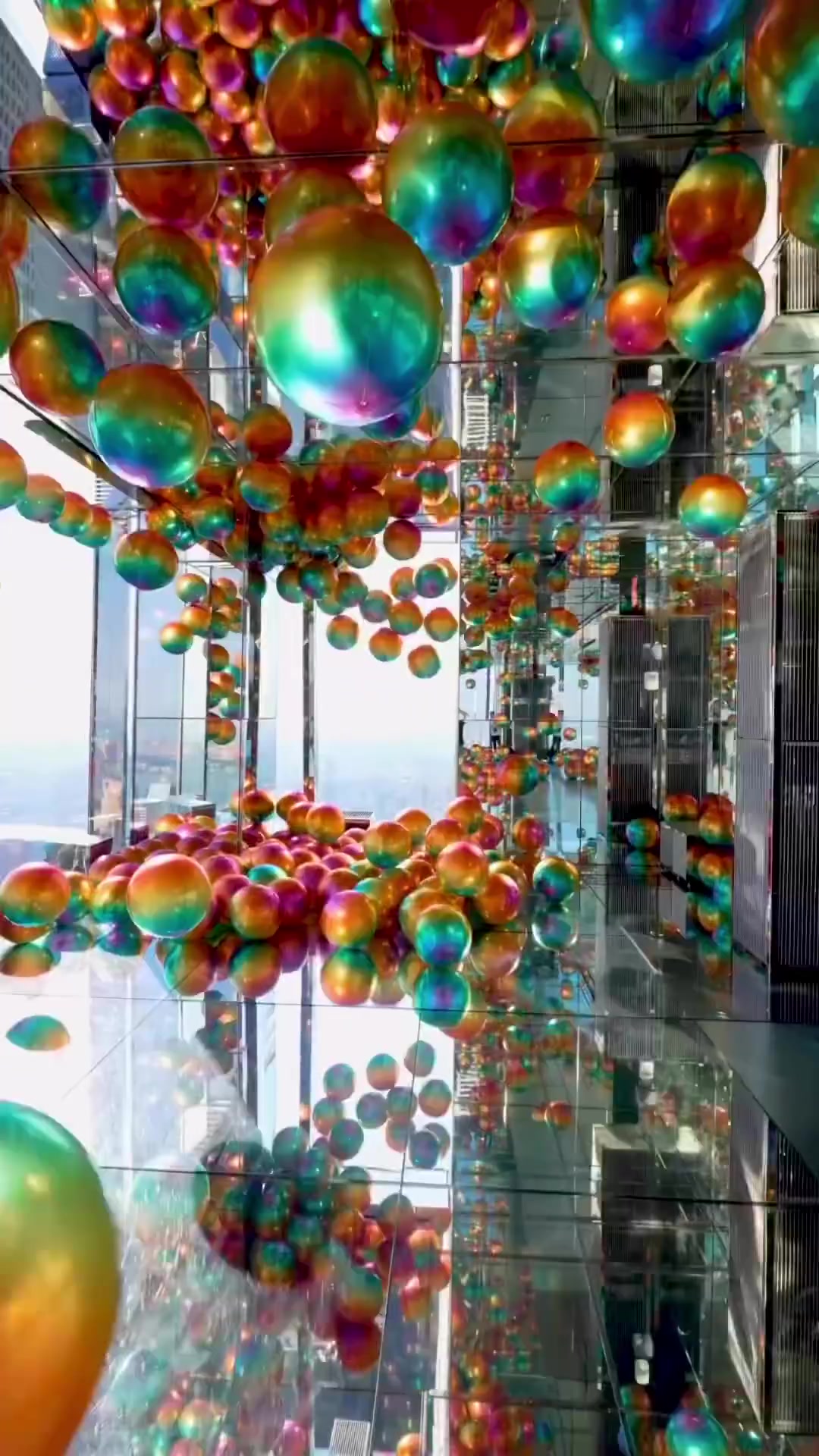
The dazzling, oversized balloons, dancing in the air are not kids' party decorations. They're an art installation. Hundreds — if not thousands of balloons suspended from a modern building’s ceiling. Tucked inside a sleek building with floor-to-ceiling windows, each balloon shifts colors like an opal. Some are green. Others purple. Some even glow or throw off a rainbow of hues, depending on the angle and the light. The effect is not subtle. Balloon installations have been charming visitors at museums and galleries. But these are not the pastel party balloons of yesteryears. They’re a modern take on a common household staple, elevated into an art form.
Color, Light, and Space
The most effective balloon installations are a marriage of color, light, and space. This particular installation relies on that aspect. The use of iridescent balloons adds a dimension of color-shifting, fusing the lines between form and color. Iridescent balloons aren’t just one color, but a shifting range of colors that change with every glance. They act as a prism to light. Art installations, however, aren’t measured by an intensity of color. The balloons’ ability to reflect light, coupled with the modern building, elevate the space into a visual spectacle. The color-shifting property of the balloons emphasizes the element of light, and also creates a visual effect of depth through reflections in the windows. These aren’t party decorations hanging from the ceiling. The balloons are suspended in the air.
Expanding installation art
Balloon installations are far from new, whether in public plazas, art museums, art galleries, or even art festivals. Today's installations push the boundaries between sculpture and site. The installation stands out from traditional decorative installations. They are aesthetically and spatially woven into the fabric of the architecture. They aren’t just aesthetically pleasing though, they are also playful. Their whimsy invites viewers to challenge assumptions about what constitutes a serious, gallery-worthy art piece. An installation might look like a children’s party decoration. But the effect of the installation is anything but childish. The balloons stretch from floor to ceiling in their enclosure. Creating complex reflections and multiplying the number of balloons visible in the space.
Contemporary installations evoke emotion
The installation effect is a profound visual experience. They employ the viewers in the space, but they also invite playful interaction. The iridescent balloons create different emotional responses depending on the lighting and the viewer’s perspective. Each viewer’s experience can shift between the uplifting and immersive. The installation becomes a form of spatial expression. It doesn’t just want the visitor to observe. It’s designed to provoke and stimulate reflection. It’s interactive and symbiotic, transforming the viewer’s perspective and mood.
Reflective Materials and Ambient Light
The iridescent balloons rely on ambient light for full aesthetic effect. The balloons give off a glow that is amplified by the reflections from the surrounding windows. This interaction between the light and the reflective materials creates a rich visual tapestry that changes dramatically as the viewer moves through the installation. The balloons dance in the viewers’ sweeping gaze, even while the balloons stay still. The building’s angular design further enhances the dynamic nature of the installation. The reflections bounce off the glass, creating multiple layers of light and color, “multiplying the number of balloons visible”.
The fusion of art and architecture
These installations are installations that work in tandem with the architecture. It’s a marriage between the installation and the space it occupies, creating a unique aesthetic experience. The installation’s use of color and light is enhanced by the building’s reflective surfaces, making the installation feel like an integral part of the space. The installation’s design invites viewers to explore and engage with it, while also challenging their perceptions of what constitutes an art piece. The balloons almost seem to be floating in the air. The effect of the installation is an immersive experience. Visitors are invited to explore and interact with the installation. It’s not static. The color of the installation shifts as the sun moves. The choice of iridescent balloons adds a playful, almost magical element to the installation. The balloons have a rounded, organic structure, but when the viewer looks at them from different angles, the angles become more pronounced. The color-shifting quality of the balloons reflects the light and creates a visually complex effect.
Understand Dimensions
You might find the building’s size imposing. Or the installation’s scale overwhelming. But don’t be. The installation can be appreciated from any angle or perspective. It can be approached from any angle, and each angle will reveal a different facet of the installation. The balloons are dense in some areas and sparse in others. The different angles and perspectives from which the installation can be viewed contribute to its unique and dynamic visuals. If you’re looking to see the installation in all its glory, visiting during daylight hours is a good idea. The installation relies on ambient light. The sun’s rays cast dramatic shadows, adding depth and dimensionality to the balloons. The installation’s changing colors and reflections make it a dynamic visual experience. You might almost feel the urge to touch the balloons.
Questions readers ask
What are balloon installations, and how do they differ from regular party decorations?
Balloon installations are large-scale artistic displays featuring hundreds or thousands of balloons, often suspended in public spaces. Unlike regular party decorations, these installations use iridescent, color-shifting balloons that create a dynamic visual effect. They're designed to interact with light and space, transforming the environment into a vibrant, immersive experience.
How do these installations create a visual spectacle?
The installations rely on the interplay of color, light, and space. The iridescent balloons change color with the angle and light, acting as prisms. This, combined with reflections from the surrounding architecture, creates a depth and visual complexity that makes the space feel alive and dynamic.
What is the purpose of using iridescent balloons in these installations?
Iridescent balloons are used to create a shifting range of colors that change with the viewer’s perspective and the lighting. This adds a layer of dynamism and intrigue, making the installation more engaging and thought-provoking. They also reflect light in a way that enhances the overall visual experience.
Can balloon installations be found in places other than museums and galleries?
Yes, balloon installations can be found in a variety of public spaces, including plazas, festivals, and even modern buildings. They are designed to push the boundaries of traditional art and architecture, often becoming a focal point in these environments.
How do these installations interact with the architecture and light?
The installations are carefully designed to complement and interact with the surrounding architecture. The balloons reflect light, creating a visual dialogue with the building's features, such as windows and walls. This interplay amplifies the installation's impact, making it a symbiotic part of the space.
Are balloon installations meant to be interactive?
Yes, these installations are designed to be interactive and immersive. They provoke reflection and stimulate the viewer's perspective and mood. The shifting colors and reflections encourage viewers to engage with the installation from different angles and lighting conditions, making each experience unique.
Related deep dives
Similar reads based on topic and creator.


Recent articles
Fresh deep dives from the latest Reels we unpacked.


Comments
Be the first to comment.