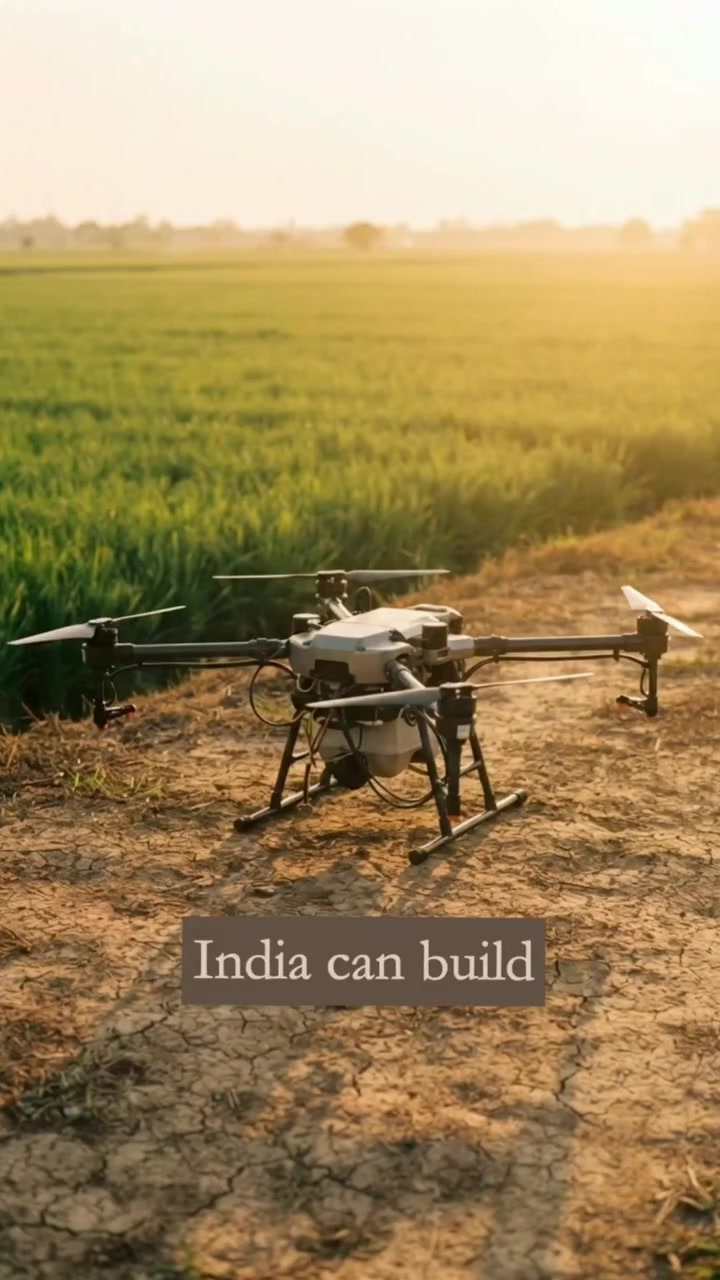
A field operates without the traditional sights. A drone hoovers over the crops. This drone-based agriculture, once a niche pursuit, is a growing force in India's farming sector. The Gurgaon-based AVPL International is leading the charge to make this technology widely accessible. AVPL is building the entire ecosystem for drone-based agriculture — manufacturing and distributing drones, training the youth as pilots, and offering operational services to farmers. Instead of buying drones, farmers can just hire a drone, pilot, and data expert.
India's Startup Navigates the Skies
AVPL has built the backbone for drone-based farming from scratch. Their enterprise is a four-pillar model. This model contributes to manufacturing, training, skill-building, and operational services. They manufacture and distribute their drones to farmers and related clients. AVAIL distributes drones in four primary ways:
- The four pillar model for agriculture and logistics.
- The Rural Network.
- The Physical Footprint.
- The financial reality, plus other infrastructure At the heart of AVPL's model is the "Drone as a Service" package. Clients hire drones, pilots, and data analysis — rather than purchasing expensive hardware. Instead of buying drones, farmers can hire these drones and pilots in a package. AVPL is building the entire missing drone economy from scratch in India. This model has proven so successful in part because it trains and certifies 100,000 youth to pilot. This grassroot approach has made the entire drone economy accessible and practical for a wide audience.
Agricultural Drones and India's Next Green Revolution
India's drone industry has the potential to transform agriculture. It introduces new levels of efficiency and precision. Instead of traditional chemical spraying, farmers can use drones to spray pesticides and other liquids. This increases the quality and yield of the crop. India's drone industry is on a breakneck trajectory. They tackle manufacturing, training, skilling, and complete operational service. However, the drone industry needs pilots, not hardware. India needs more pilots to fly these drones. India can build agricultural drones, but we don't have nearly enough pilots to fly them.
As A Service, Always
Drone as a Service model distributes drones in four primary ways. These are the core services provided by AVPL.
Farmers and Rural Networks
AVPL's Rural Network model brings drone technology to rural farmers. The Rural Network consists of local entrepreneurs who hire out drones to farmers. This system avoids the need for farmers to invest in drone technology.
- Rural Network: local drone entrepreneurs monetize by providing drone services.
- Udyami model: one-panchayat, one-drone is an ideal model for local entrepreneurs.
- Farmers: avoid the need for a 5-lakh-rupee drone. Farmers just hire the local entrepreneur.
Training
AVPL already runs over 70 training centers, certifying more than 100,000 youth. This makes it possible to get as many pilots as possible out into the field. The training centers are across India. The four pillars model for agriculture and logistics works.
Field Services
Drone is the technology for India's drone economy. They have set up their entire infrastructure grid. Pilot skills are also a core part of the training. This includes operational services. This includes training and operational services are a core element of the four-pillar model. Drone as a Service is available in an accessible and affordable way.
Cost and Profit
AVPL earned 106 crore in revenue and achieved a past valuation of 1500 crores. This value is driven by operational services and not hardware sales. Expenses include training centers and operational services. Training is the key element of the four-pillar model. AVPL distributes drones in four primary ways.
The Infrastructure Grid Behind Drone Fliers
Several factors make AVPL's Drone-as-a-Service model work. Each bolsters the entire drone industry.
Pricing
The cost of a drone ranges from 5,00,000 rupees to 10,00,000 rupees. Farmers who can't afford such a high-value item can hire drones instead. This makes drone technology accessible and affordable.
Purchase Alternatives
Instead of buying drones, farmers can hire drones, pilots, and data experts. This makes drone technology accessible to even the smallest of farmers in India. Farmers hire local entrepreneurs to spray their fields. Farmers are not required to invest in drone technology.
Low Supply
Instead of being hardware-based, AVPL's model is based on operational services. This is how AVPL distributes 50,000 drones. AVPL's ultimate moat isn't the aircraft itself. It is the entire infrastructure grid that will power India's drone economy.
Farmers: Practical Pricing
The cost of a drone ranges from 5,00,000 rupees to 10,00,000 rupees. This makes drones expensive and inaccessible for farmers. Instead of buying drones, farmers can hire drones and pilots in a package. This makes drone technology accessible and affordable to even the smallest of farmers.
- Drone: ranges from 5,00,000 to 10,00,000.
- Local Entrepreneur: farmers hire the local entrepreneur to spray their fields.
- Training Center: AVPL runs 70 training centers.
- Farmers: can hire drones and pilots in a package.
The Future of Farming
AVPL is building the entire ecosystem for drone-based agriculture. AVPL prepares for a 200-crore Initial Public Offering (IPO). This demonstrates the onset of India's drone economy. AVPL distributes 50,000 drones to farmers. India's drone economy is on a rapid trajectory. The drone economy has a wide range of applications and potential. This makes drones an essential tool for farmers.
Questions readers ask
What is AVPL doing to make drone technology affordable for farmers in India?
AVPL International is making drone technology affordable by offering a 'Drone as a Service' model. Instead of farmers buying expensive drones, they can hire drones, pilots, and data experts on an as-needed basis. This approach eliminates the need for a large upfront investment, making drone technology accessible to a wider range of farmers.
How does AVPL's training program contribute to the drone ecosystem in India?
AVPL's training program is crucial for building a skilled workforce of drone pilots. By certifying over 100,000 youth, they ensure there are enough pilots to operate the drones. This grassroots approach helps make the drone economy accessible and practical, as trained pilots can provide services to farmers across the country
What are the four primary ways AVPL distributes drones to farmers?
AVPL distributes drones through their four-pillar model, which includes manufacturing, training, skill-building, and operational services. Additionally, they use the Rural Network model, where local entrepreneurs hire out drones to farmers, the Physical Footprint, and a financial reality model ensuring that drone services are affordable and accessible.
How does using drones for pesticide spraying benefit farmers?
Using drones for pesticide spraying increases the quality and yield of crops. Drones can apply pesticides more precisely and efficiently than traditional methods, reducing waste and improving the overall health of the crops. This precision agriculture technique can lead to better harvests and potentially higher profits for farmers.
What is the 'Drone as a Service' model and how does it work?
The 'Drone as a Service' model allows farmers to hire drones, pilots, and data experts rather than purchasing the expensive hardware outright. This model is designed to make drone technology more accessible and affordable. Farmers can use these services on an as-needed basis, which reduces the financial burden and makes it easier for them to adopt this technology.
What role do local entrepreneurs play in AVPL's Rural Network model?
In AVPL's Rural Network model, local entrepreneurs act as service providers, hiring out drones to farmers. This model, often referred to as the 'one-panchayat, one-drone' approach, allows farmers to access drone technology without having to invest in a drone themselves. This makes the technology more accessible and affordable for rural farmers.
Related deep dives
Similar reads based on topic and creator.



Recent articles
Fresh deep dives from the latest Reels we unpacked.



Comments
Be the first to comment.