Cellular Housekeeping: The Repairs Happening Inside You
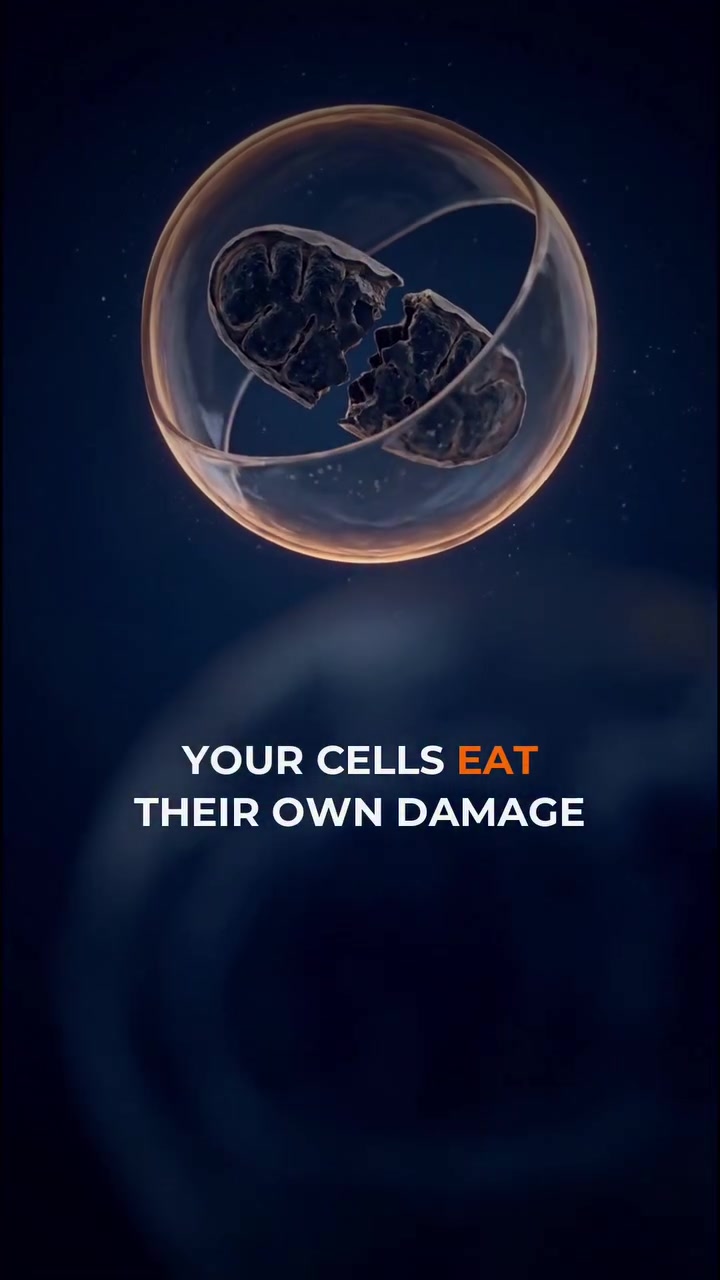
Your body constantly performs microscopic maintenance. Autophagy — which earned Yoshinori Osumi the 2016 Nobel Prize in Physiology or Medicine—is the process where cells "eat" their own damaged parts, melting them down for spare components. Cells trap worn-out parts with tiny membranes and recycle them for new materials. The repair is complete. Humans have around 37 trillion cells. All of them undergo autophagy. Autophagy’s efficiency peaks at various points, especially during periods of fasting. Animal studies point to its influence on extended, healthier lives. The process barely engages while cells remain sated. Instead, about 12 hours after the last meal, the autophagy process starts. It switches to fat burning by the 16-hour mark, kickstarting the deep clean after 24 hours.
The Intersection of Diet and Cellular Health
Fasting isn't a display of deprivation. It is a strategic technique to boost cellular repair, shifting the body into a state of efficient regeneration. Hunger between meals is not a sign of weakness. Rather, it signals the body's cleanup crew starting its shift. In the 2016 Nobel Prize-winning research by Yoshinori Osumi, deeper insights were revealed. Osumi’s work uncovered the sophisticated mechanisms behind autophagy and its role in maintaining cellular health. He made the world a step closer to the potential of cellular regeneration.
Switching on Cellular Repair
Cellular Housekeeping
Autophagy is a general, ongoing process that happens to every cell, not just particular cell types. Cells constantly need repairs. Their health directly affects the overall health of the organism. Autophagy is the housekeeping mechanism that makes this happen. It engages tiny membranes to collect damaged cell bits, then breaks them down for reuse. Fruits of this process go into maintaining the overall health of the cell. When autophagy is interrupted during feeding, it becomes sluggish, performing close to a minimum.
The Role of Nutrition
The process is triggered when the body realizes there are no external nutrients to process. Researchers are learning that its efficiency is linked with the length of the fast. Studies have noticed observable positive results in the fasted state of 14-24 hours in animals. The process is based on how much time has passed since the last meal. The health of all cells becomes better when they are given enough downtime to repair themselves. Here, the good news is that the body is designed to signal for health. When you are not feeding it, the body goes into deep clean mode. Scientists have observed that in animals, this process leads to not only longer lives, but also healthier ones. This is where hunger acts as a cue, signaling the body to start repairing.
The Nobel Contribution
Over the years, the work of many researchers has played an essential role in our understanding of autophagy. The Nobel Prize winner Yoshinori Osumi’s work was groundbreaking because it identified the complete pathway of this process. It did so in yeast, but it also led to understanding autophagy in the human body. The impact of Osumi’s work is profound. It gave people a pathway into understanding cellular health. It can also give the world probabilities for the cure of diseases that have prostate, heart, brain, and muscle cell damage in common.
Autophagy's Lifestyle Boost
Fasting for Health
If your cells are waiting 14–16 hours for a meal, they are burning fat for energy instead of stale carbohydrates. The hunger pangs are simply a side effect of the body switching into high gear. Over time, it can optimize your health. It feels like a mere diet hack. But longer durations of fasting have been found useful as regular activities of humans. The idea behind this is that cells get healthier when they go through regular repair cycles in between ingesting food.
Taking Charge of Your Autophagy
Autophagy is not just a cellular process, it can be a life hack. If you want improved cellular health, the smartest way to do that is through fasting for 14 hours. It keeps cells healthier by improving the recycling process. The cells get cleaner, and the body gets healthier. The most common pattern is to delay the first meal of the day and finish the last meal of the day early. Your cells have all the tools necessary for repair, but they need the right conditions to do so. Autophagy is one of the best frontiers of ongoing human research and understanding. We are getting closer to knowing what exactly triggers this process.
Related deep dives
Similar reads based on topic and creator.




Recent articles
Fresh deep dives from the latest Reels we unpacked.



Comments
Be the first to comment.