The Satellite Salvage Solution
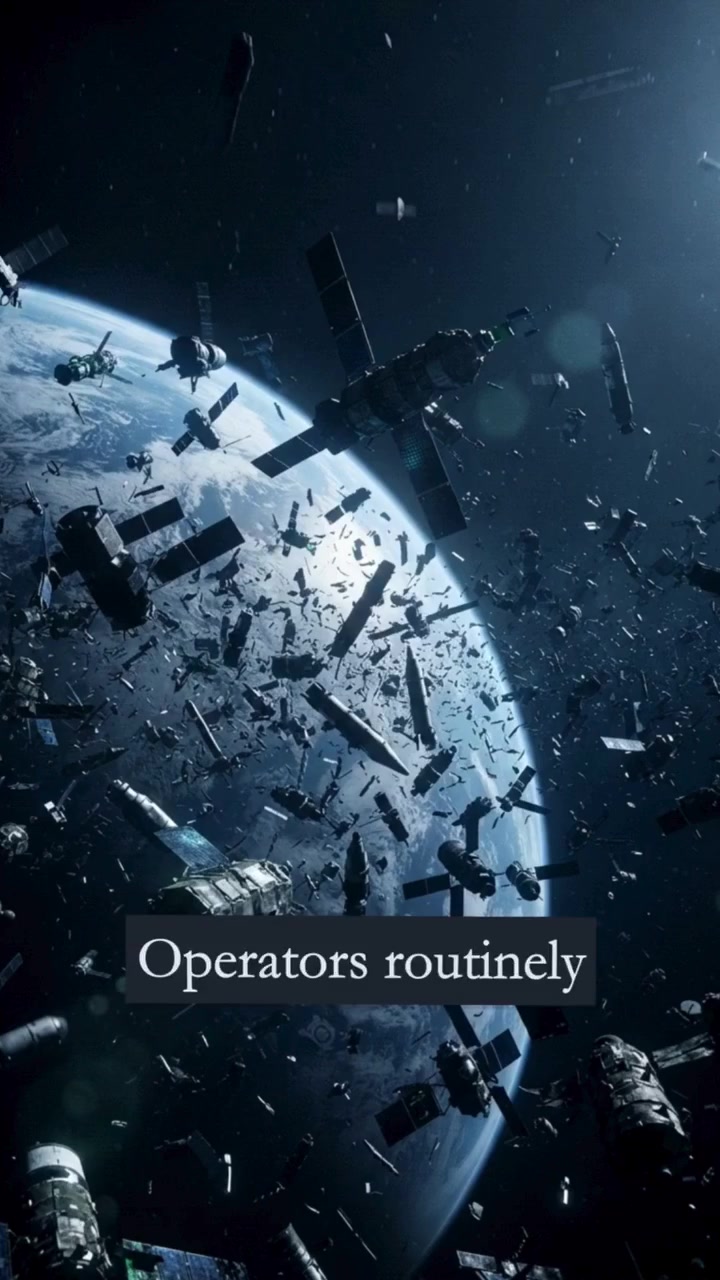
Every year, operators send millions of dollars worth of satellites into orbit. But many end up abandoned, not because they fail, but because they run out of fuel. This has created a $100 billion graveyard in orbit. But one startup, AllaSpace, is working on a solution: robotic tow trucks that can dock with dying satellites, inspect them, and even drag them down to burn up in the atmosphere. At the heart of their technology is rendezvous, proximity operations, and docking, or R-Pod as engineers call it.
A Robotic Infrastructure for the Future
As low Earth orbit becomes increasingly crowded, the next wave of innovation in space technology will likely focus on maintaining existing assets rather than just launching new ones. An estimated 6,542 satellites were in orbit as of March 2023 and thousands more are expected in the coming decade, according to the Union of Concerned Scientists. AllaSpace and other companies that repair, service, and dispose of satellites could play a critical role in retaining usable capacity in orbit and avoiding collisions.
The Solution Could Help Mitigate the Kalpana Misuses of Space
The $100 Billion Graveyard
Sending rocket fuel into space poses a unique set of costs and logistical challenges, leading to an estimated $100 billion worth of satellites in orbit essentially abandoned, orbiting aimlessly or deactivated in space. Satellites are expensive enough to launch, but the costs of launching additional fuel to replenish them are prohibitive. Adding to this, the fuel-to-satellite ratio is so small that satellites reaching the end of their fuel have inevitably lost their ability to maintain a stable orbit. Running out of fuel is like a car running out of gas and having no way to get it topped up. This challenge is at the root of the problem: it’s not the satellite's fault but an operational one that AllaSpace aims to solve.
The Rendezvous, Proximity, Operations, and Docking
The R-Pod or rendezvous, proximity, operations, and docking is at the heart of AllaSpace’s solution. Satellite salvage involves intricate maneuvers to track and lock onto an aging satellite for inspection, repair or to help it avoid collisions. The process is not simple, as all spacecraft move at a speed of 28,000 kilometers per hour. However, AllaSpace’s team of experts harness the power of AI and computer vision to achieve this feat. These autonomous spacecraft mimics the work of a mechanic but, instead of fuel, these satellites can extend the operational life of their clients by ‘topping up’ the fuel, reducing the risk of them becoming space debris.
The Double-Digit Valuation Sortie
AllaSpace is moving incredibly fast through the space race; they have just raised $2 million in pre-seed funding. The Indian startup demonstrates its ambition through its investors. They’ve opted for partners that have a significant footprint in the space tech sector, including NVIDIA’s Inception program. This startup, founded in Bangalore by Jay Panchal, Nithya Geary, and Rishat Thambi, has demonstrated a commitment to ambitious R-Pod technology. Lately, they’ve indicated plans for first demonstration flights, which will probably begin soon. As technology continues to develop, this could be a big win for India, pushing their tech and engineering industries to the forefront of the space race.
What Space Junk Could Mean for the Future
The next round of the space race will likely be about maintaining existing assets. Start-ups like AllaSpace are working to increase space assets’ operational lifespans by using AI-powered robotic spacecraft. By building a robotic infrastructure layer, AllaSpace seeks to reduce the impact of abandoned satellites in the long-term.
Combatting Debris
The future of space maintenance might not just rely on human ingenuity, but also on AI. One of AllaSpace’s big ideas for combating space debris is to create a robotic infrastructure layer. The idea is that these robotic tow trucks can inspect and manage dangerous space junk and help avoid collisions between satellites, including those that are operational. By combatting the problem of space debris, AllaSpace can help mitigate the risk of collisions, which could impact the operational satellites above us.
Equipping the Next Generation of Space Mechanics
If you're curious about joining the space race, you can start by learning about AI, computer vision, and aerospace engineering. Research the kind of training and tools that companies like AllaSpace use in their satellite servicing efforts and the role that AI and computer vision play in rendezvous, proximity, operations, and docking. Ensure that you understand how fuel-to-satellite ratios work, the costs of satellite launches, and how R-Pod technology works.
Questions readers ask
What exactly is the R-Pod technology that AllaSpace is developing?
R-Pod, or rendezvous, proximity, operations, and docking, is a technology that allows robotic spacecraft to approach, inspect, and potentially repair or de-orbit aging satellites. It involves intricate maneuvers to track and lock onto a target satellite, which is moving at high speeds, using AI and computer vision for precision.
How does AllaSpace plan to extend the lifespan of satellites?
AllaSpace’s robotic tow trucks can dock with satellites that are running low on fuel, inspect them, and even refuel them. This process, facilitated by R-Pod technology, helps satellites maintain a stable orbit and continue operating, thereby extending their lifespan and reducing the risk of them becoming space debris.
Why is the current situation with satellites a problem, and who does it affect?
Currently, many satellites are abandoned in orbit because they run out of fuel, creating a $100 billion graveyard of space debris. This affects satellite operators and space agencies, and it poses a risk of collisions and loss of usable capacity in orbit, which could disrupt services like telecommunications and navigation.
What makes the R-Pod technology challenging to implement?
The primary challenge is the high speed at which satellites move—around 28,000 kilometers per hour. This requires precise maneuvers and advanced technologies like AI and computer vision to accurately track, approach, and dock with a target satellite. AllaSpace’s team is working to overcome these challenges with their robotic tow trucks.
What is AllaSpace’s current progress and future plans?
AllaSpace has raised $2 million in pre-seed funding and has partnered with significant players in the space tech sector, including NVIDIA. They are working on demonstration flights to showcase their R-Pod technology and are committed to advancing their robotic satellite maintenance solutions.
Is AllaSpace the only company working on satellite maintenance solutions?
No, AllaSpace is one of several companies focusing on satellite repair, servicing, and disposal. As low Earth orbit becomes more crowded, the industry is likely to see more innovations in maintaining existing satellites rather than just launching new ones. This trend is driven by the need to retain usable capacity in orbit and avoid collisions.
Related deep dives
Similar reads based on topic and creator.

Recent articles
Fresh deep dives from the latest Reels we unpacked.



Comments
Be the first to comment.