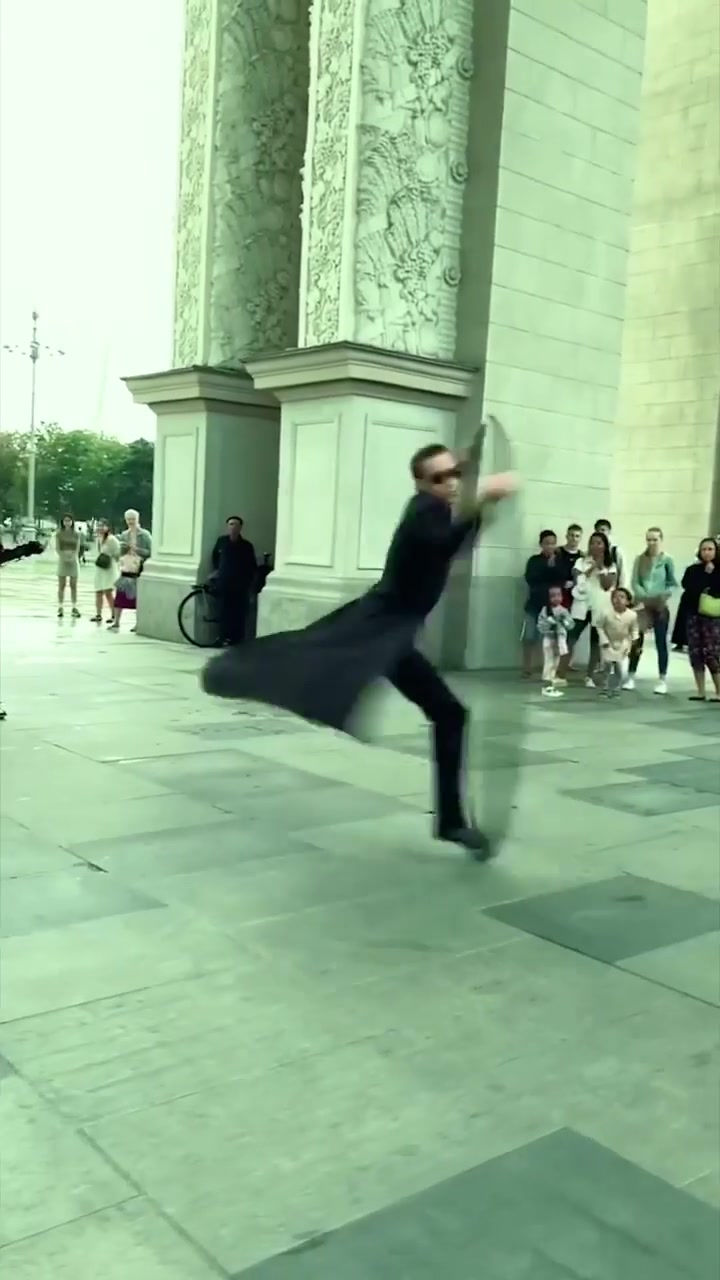
Under the watchful gaze of the Arc de Triomphe, a dancer spins an enormous hoop overhead, flipping and leaping in a seamless fusion of grace and power. Acrobatic hooping, known for blending dance, gymnastics, and circus arts, hooks us with its high-flying spectacle.
Hoop Dance: Grace in Motion
Hoop dance is a contemporary performance art that combines rhythmic gymnastics, dance, and acrobatics. The performer manipulates a large, usually made of metal or plastic, hoop in a fluid, continuous motion. Unlike traditional hula hoops, these hoops are often larger and more rigid, allowing for intricate spins, flips, and aerial stunts. What distinguishes hoop dance from other performance arts is its fusion of strength, flexibility, and fluidity, creating a mesmerizing spectacle. The hoop itself can be modified for added visual effect and complexity. Hoops can be spun horizontally or vertically. Fire hoops add a dramatic element of danger, and weighted hoops can be manipulated to create complex patterns and shapes. The hoop becomes an extension of the performer, their flowing costumes and the hoops creating a visual statement that pulls the audience in. Many hoop dancers train for years. The sport requires rigorous physical preparation, including strength, flexibility, and endurance training. The hoop dance community is tight-knit, with dancers often training together, sharing techniques, and creating performance pieces. One of hoop dance's hallmarks is its inclusivity. Performers range from young amateurs to professional dancers, each bringing a unique style to the performance. Hoop dance—showcasing flexibility and endurance—is perfect for public spaces like the Arc de Triomphe. It demands little in the way of setup or rehearsal, making it ideal for spontaneous performances. The combination of public interest and flexibility means hoop dance can adapt from staged performances to impromptu street acts.
Hoop Dance: A New take on Street Performance
The Arc de Triomphe features prominently in performance art. It’s an intersection where art, history, and culture converge. Hoop dance fits well in this context. Hoop dance offers a modern twist to traditional street performance. It blends athleticism and artistic expression. The sport integrates elements from gymnastics, dance, and acrobatics, creating a dynamic display. Such performances breathe life into iconic landmarks and public spaces. People who see it can be inspired to participate. A global performance art movement has seen hoop dance flourish. Artists in major cities, including Paris, New York, and Tokyo, often host street performances. Hoop dance has become a signature in contemporary urban culture, bridging the gap between street performance and high art. Its rising popularity might push it into mainstream performance venues. It is an expression of modern creativity.
Creating the Hoop Dance Spectacle
Hoop in Hand
The hoop—typically 36 to 48 inches in diameter—is a performer's primary tool. The hoops can be made of flexible, lightweight materials, making them easy to spin and manipulate. Materials like PVC, aluminum, or fibreglass are commonly used. They are often lightweight and durable. Hoops can vary in size and thickness, influencing how they perform. Thinner hoops may move faster, while thicker ones offer more control. Hoops often have handles or grips, making them easier to hold and spin. Some hoops have additional modifications, such as LED lights or fire elements, to enhance visual appeal. The hoop's design and proportions significantly affect the dancer's ability to manipulate it, influencing the choreography and overall performance.
Mastery in Motion
With graceful, flowing movements, hoop dancers spin, leap, and flip. They continuously rotate the hoop around the body, arms, and legs. Skilled hoop dancers learn to spin on the hoop, balancing their body weight and maintaining fluid motion. Performers practice specific techniques to refine their skills. Techniques include isolated movements, where a performer manipulates the hoop with one body part while the rest remains still. Stunts such as lifts involve hoops placed on the performer’s chest, head, or back, while they execute complex body movements. The challenges push the boundaries of what is possible. Advanced techniques involve integrating dance elements, such as spins and pirouettes, with hoop manipulation. Preparing for these performances requires rigorous conditioning to build strength, flexibility, flexibility, and endurance. Hoop dancers often practice regularly to maintain their skill level.
Dynamic Choreography
The choreography of hoop dance is undeniably graceful. Performances often incorporate a mix of traditional dance forms, like ballet and contemporary dance. The hoop becomes a living extension of the dancer's body, moving in harmony with the performer's movements. Choreographers often design routines that tell a story or evoke a specific emotion. Hoop dance routines are often short, dynamic segments designed to mesmerize and entertain. Techniques like hoop rolls, jumps, and transitions create a continuous flow. Choreography involves positioning the hoop at various angles and manipulating it with the body. It includes lifts with hoops placed on the chest, head, and back. Despite their complexity, hoop dance routines flow seamlessly, making them visually captivating. The choreography integrates rhythmic movements, such as spins and jumps, with hoop manipulation.
Adding Spice to the Routine
Fire and Light
Fiery hoops are popular in hoop dance. They add a thrilling, dangerous factor to performances. Fire hoops are lit with fuel-soaked wicks and spun like traditional hoops. The performer controls the fire through movement and agility while maintaining a safe distance. Fire hoop dance requires precise choreography, attention to detail, and safety measures. Performers need extensive training before they can attempt a fire hoop routine. Fire rituals often involve a selection of large props, requiring the performer to balance grace and safety. LED hoops are another popular variation. These hoops are designed with built-in LED lights that can change colors and patterns. LED hoops create a dynamic visual display that engages the audience, adding to the performance's excitement. Lighting the hoops is a dance in itself, showcasing the performer's ability to control the light.
Getting Into Hoop Dance
Any fledgling hoop dancer can start by using a basic hoop. The key is finding a hoop that matches your physical build and skill level. Smaller hoops are easier to control but require more strength. Larger hoops provide more space for movements but are more challenging to manipulate. Choose a hoop that offers a comfortable grip. You can always upgrade later. When starting out, it is important to find the right techniques. It is crucial to have a strong core, arms, and legs. It is important to warm up before training to avoid injuries.
- Body Awareness: Building body awareness is key. Basic movements such as lifting, over the head, and around and under are fundamental. Get comfortable with these before you move onto more complex techniques. As you gain confidence, try incorporating spins and jumps.
- Jumps with Hoops: Leap jumps are an important part of hoop dance. With jumps, hoops can be spun around the waist and arms. Performers can create a beautiful display with leaps and spins.
- Strength and Flexibility: Building strength and flexibility is an ongoing process. Maintain a healthy lifestyle to maintain top performance. Training routines include cardio exercises and weightlifting to improve endurance. Performers need flexibility to pull off some of the more advanced moves. Hoop dance is a growing art form, attracting dancers of all ages. It’s a blend of dance, acrobatics, and rhythmic gymnastics, creating an exciting and dynamic spectacle. It requires dedication, and the performer must know their limits. The performance is a beautiful sight that continues to captivate audiences worldwide.
Questions readers ask
How does hoop dance differ from traditional hula hooping?
While traditional hula hooping is often more casual and focused on keeping the hoop spinning around the waist, hoop dance is a performance art that combines elements of dance, gymnastics, and acrobatics. It involves large, rigid hoops that allow for intricate spins, flips, and aerial stunts. The hoops are also manipulated in various ways, such as being spun horizontally or vertically, and can even be modified with weights or fire for added complexity and visual effect.
What kind of training is required for hoop dance?
Hoop dance requires rigorous physical preparation, including strength, flexibility, and endurance training. Performers often train for years to master the intricate movements and stunts involved. The community is tight-knit, with dancers frequently training together, sharing techniques, and collaborating on performance pieces.
What makes hoop dance suitable for public spaces like the Arc de Triomphe?
Hoop dance is ideal for public spaces due to its minimal setup and rehearsal requirements. It demands little in the way of equipment and can be performed spontaneously, making it perfect for impromptu street acts. The combination of public interest and flexibility allows hoop dance to adapt from staged performances to spontaneous acts, bringing life and excitement to iconic landmarks.
How does hoop dance blend with the historic significance of the Arc de Triomphe?
The Arc de Triomphe is a historic monument that serves as a backdrop for various performance arts. Hoop dance, with its modern and dynamic display, adds a contemporary twist to traditional street performances. It integrates elements from gymnastics, dance, and acrobatics, creating a vibrant and engaging spectacle that breathes new life into the iconic landmark and public spaces.
What are some of the different types of hoops used in hoop dance?
Hoops used in hoop dance can vary widely. They can be made of materials like PVC, aluminum, or fibreglass and typically range from 36 to 48 inches in diameter. Some hoops are designed for specific effects, such as fire hoops that add a dramatic element of danger, or weighted hoops that allow for more complex patterns and shapes. These modifications enhance the visual and performance aspects of the dance.
How has hoop dance evolved in recent years?
Hoop dance has seen a significant rise in popularity, especially in major cities like Paris, New York, and Tokyo. It has become a signature in contemporary urban culture, bridging the gap between street performance and high art. Artists often host street performances, and the growing interest in hoop dance might even push it into mainstream performance venues, making it a more recognized and appreciated art form.
Related deep dives
Similar reads based on topic and creator.


Recent articles
Fresh deep dives from the latest Reels we unpacked.



Comments
Be the first to comment.