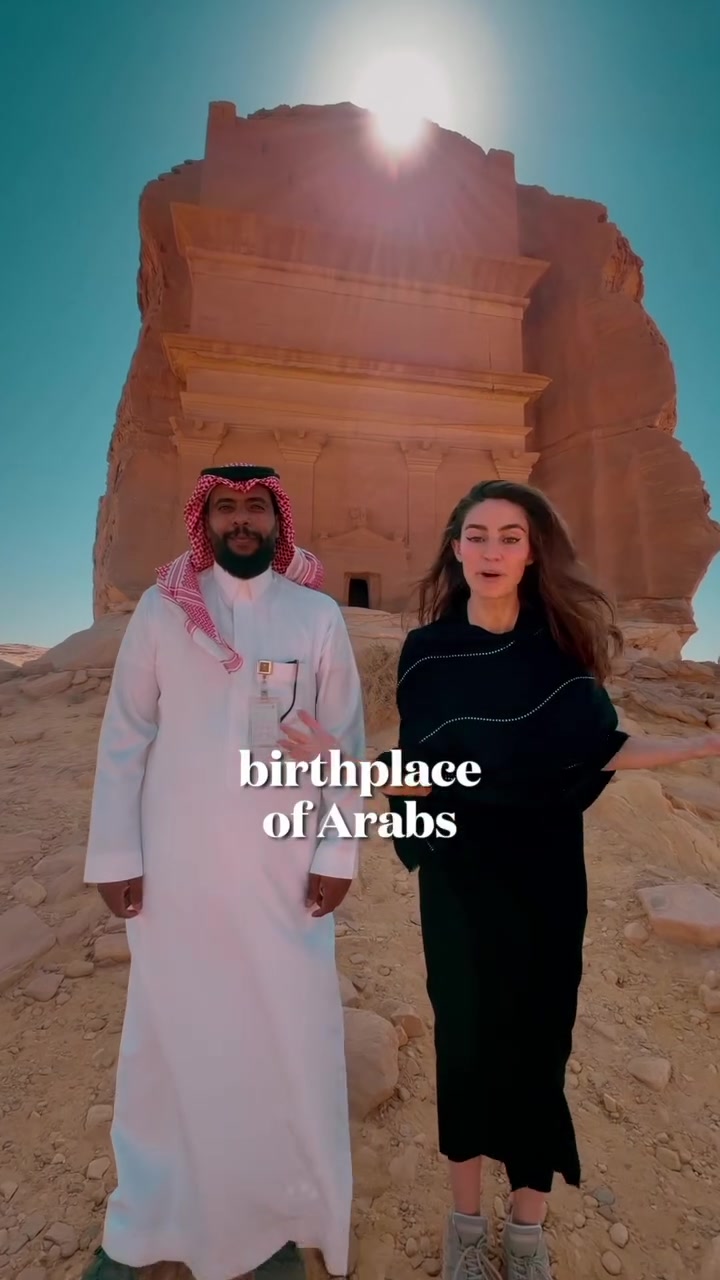
The heart of Arabia is not just a geographical marker. It's the cradle of an ancient culture and language that still resonate across the globe. The region's first civilizations were not only shaped by the harsh Saudi desert but also by tribes. The Nabataeans, for example, were skilled stone craftsmen, ruling trade routes and leaving behind a legacy of carvings.
Where Arab Culture Originates
Arab culture and language didn't emerge instantaneously. Instead, they evolved from the diverse history and people of the Arab world. The roots of Arab culture stretch far back. The region of Saudi Arabia was home to the first Arabs. The Nabataeans were crucial in shaping the culture of the region. Named for the Nabataean language, this particular people and their distinctive Canaanite tongue helped form the foundation of Arabic. Region has played, and continues to play, a significant role in shaping the Arab world. Saudi Arabia has been home to multiple tribes who lived in the desert and built structrues out of stone. Despite the harsh environment, the region was home to thriving civilizations. The ancient Nabataeans and the Theimud, ruled trade routes across Arabia. Arab culture comes from here. According to the sources, many people today can trace their Arab ancestry back to this region and link it to the region through a combination of DNA and family history. The cultural influence from this region doesn't just apply to those with Arab ancestry and can still be observed in the modern world. The Arabic language began here, with the earliest written word carved into stone. These stones helped develop the concepts of "an" and "in" in Arabic. Shopping and travel locations, including the heart of Arabia, still use these symbols in their cultural decorations and signs, showing that past and present remain connected. Arabic script can still be seen today carved onto rocks but also on signs and in shops in the region. Language is a key component of the Arab people's identity. "This is not just Saudi Arabia. This is where the Arab identity and the Arabic language was born." This is a sentiment that rings true for many who call this region home or have ancestry here. It shows that the history of Saudi Arabia is deeply connected to not just the Arab cultural heritage but to the people who live there.
Arabic identity: beyond genetics
Arab identity is more than just genetics. The development of the Arabic language was a key part of forming this identity. The first documented word of Arabic seen by scholars was carved into stone in Saudi Arabia. People who live in this region can trace their ancestry back to these authors. It's easy to see how people from all over the globe can trace their roots to this region. With a population of 400 million, the large number of people across the world who are descendants of this land shows how meaningful the identity of an Arab can be. The roots of the Arabic language are still alive in modern Arabic, written and spoken. This means that the Arabic language has not lost a single meaning or word during its life span.
The language saw a revolution from basic to complex forms.
The Arabic language has continued to develop from its earliest written forms. The earliest forms of the language were simple symbols, such as "an" and "in" before it evolved into a modern understanding of Arabic. Tomatoes, for example, were called “al-badhinjan” in Arabic. Many of these words are still used in Arabic today and have evolved with the language. “Al” is one of the most common prefixes in the Arabic language and comes from these old scripts. People today can still read the language and understand how the words are connected to one another. The evolution of Arabic has been long and continues to develop today.
The origins of the Arabic language
The origins of the Arabic language can be traced back to Saudi Arabia. The Arabic language is a direct descendant of the Nabataean language but also has ties to Canaanite, old Hebrew and Arabic. Nabataean was the language developed into Arabic. This language was used by tribal rulers. The first written word of Arabic was written in these times. According to peoples, sources state, the first letter written in Arabic is "an" (or 'an). This letter eventually became part of the Arabic alphabet. These ancient scripts helped develop the Arabic language. The birth of the Arabic language within is another key reason it's so important. The first written Arabic came from Saudi Arabia, with the earliest words carved into stone. These stones helped develop concepts in Arabic which are still used in the language today. The oldest forms of the Arabic language were complex and hardly understood. The Arabic language has evolved into a modern understanding that is widely recognized, spoken and written today.
Decoding your Arabic heritage through DNA
DNA testing helps confirm the story of your origins. There are several companies that offer DNA testing. The ancestry results were created by closely examining my DNA. The company compared my DNA to a large database of genetic markers and donated records from Pakistani people. This shows that DNA results are not 100% accurate. However, people who research their DNA results often see a link back to the region. Finding your heritage through DNA testing can be a rewarding process, and understanding your results can open new doors to your heritage. The widespread availability of DNA testing has made it a more accessible way to understand your origins. Regardless of your results, you can take pride in who you are and where you come from.
Decoding your Arabic heritage through DNA
Understanding your own heritage does not need to be a complicated process. The widespread availability of DNA testing has made it a more accessible way to understand your origins. While most people's understanding of the region is that of a vast desert, you will also find bustling cities and lush, green villages and a unique history. The region has rich history and people who take pride in their heritage. " The stories of the desert, what they call the Nabataean tribes. This is where Arabs come from. 2000 and 3000 years ago were building civilizations." This history can be seen in the various cultural and historical sites throughout the region. Step into the heart of it all by exploring Saudi Arabia and its rich culture, history, and people.
Questions readers ask
Who were the Nabataeans and what role did they play in shaping Saudi Arabia's culture and language?
The Nabataeans were an ancient civilization known for their stone craftsmanship. They ruled trade routes and left a lasting mark on Saudi Arabia, influencing the development of the Arabic language and contributing to the region's architecture and cultural identity. Their distinctive language, a form of Canaanite, helped shape modern Arabic.
What is the significance of Saudi Arabia's role in the development of Arabic language?
Saudi Arabia is considered the birthplace of the Arabic language, with the earliest written Arabic words carved into stone in the region. The harsh desert environment didn't hinder the development of a rich culture and language, which continues to resonate globally.
What are some examples of the Nabataeans' influence on modern Saudi Arabia?
The Nabataeans' influence can still be seen in Saudi Arabia's architecture and road signs, where Arabic script and symbols are prominently displayed. These elements connect the past with the present, showcasing the enduring legacy of the Nabataeans.
How does Arab identity extend beyond genetics, and what role does Saudi Arabia play in this?
Arab identity is deeply rooted in the development of the Arabic language and the region's cultural heritage. Saudi Arabia is seen as the birthplace of both the Arabic language and Arab identity, with many people around the world tracing their ancestry back to this region, making it a crucial part of the Arab world's heritage.
What is the significance of the Arabic language in the identity of Arab people?
The Arabic language is a key component of Arab identity. It originated in Saudi Arabia and is deeply connected to the region's history and culture. The language's evolution from basic to complex forms reflects the rich cultural heritage of the Arab people.
Related deep dives
Similar reads based on topic and creator.




Recent articles
Fresh deep dives from the latest Reels we unpacked.




Comments
Be the first to comment.