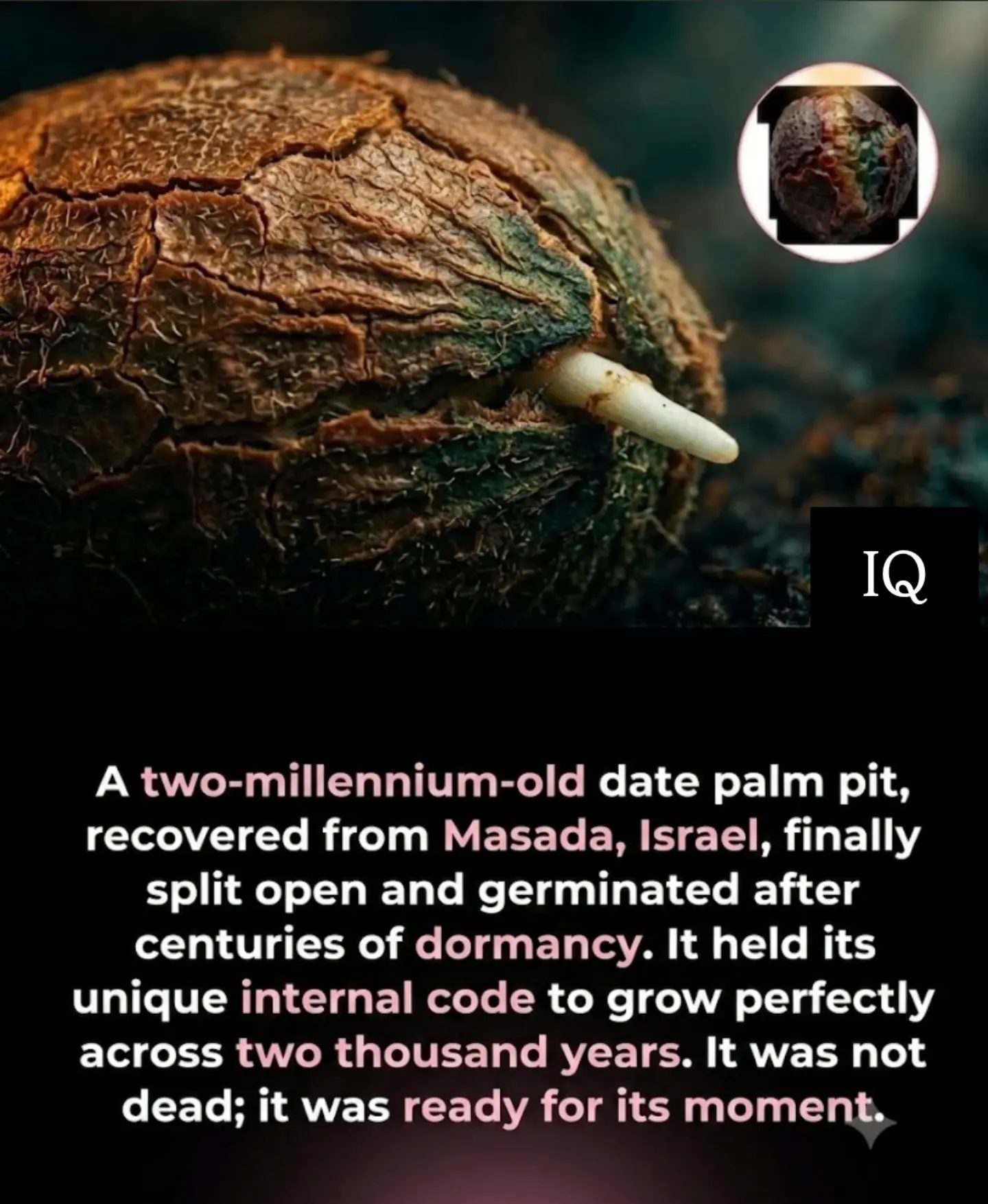
Ancient Date Palm Seed Germination
A 2,000-year-old date palm seed, unearthed from the ancient fortress of Masada in Israel, is a testament to the enduring power of life. This seed, once thought to be dormant, defied expectations by germinating after centuries of being untouched. The story of this remarkable seed offers insights into the resilience of ancient plant species and the potential for future discoveries.
Why This Matters
The germination of an ancient date palm seed is significant for several reasons. It demonstrates the potential for long-term preservation of plant life under the right conditions. This discovery also raises intriguing questions about the biology of ancient plants and the viability of seeds over extended periods. Understanding these processes could have implications for conservation efforts and the potential revival of extinct plant species.
Main Discussion
The Discovery
The date palm seed was recovered from the archaeological site of Masada, a historic fortress in Israel. Masada is known for its rich history and well-preserved ruins, making it a prime location for significant archaeological findings. The seed, which was about two millennia old, was found in a state of dormancy, having remained untouched for centuries. The fact that it was able to germinate after such a long period is a testament to the robustness of these ancient seeds.
The Germination Process
The germination process involved several key steps. Scientists began by soaking the seed to soften its hard outer layer, allowing it to absorb water. After soaking, the seed was planted in a controlled environment designed to mimic the conditions it may have experienced in ancient times. To everyone's surprise, the seed began to sprout, eventually growing into a healthy tree. This tree, affectionately nicknamed Methuselah, became a symbol of resilience and the extraordinary potential of ancient seeds.
The Role of Internal Code
The seed's ability to germinate after centuries of dormancy is attributed to a unique internal code that allowed it to grow. This code is a complex biological mechanism that enables the seed to remain viable over extended periods. When the right conditions are met, such as the presence of water and suitable soil, the internal code activates, triggering the germination process. This internal code is a fascinating aspect of plant biology that deserves further study to better understand how seeds can maintain their viability over such long periods.
Practical Tips
While the germination of an ancient date palm seed is a rare and extraordinary event, there are practical tips that gardeners and botanists can apply to their own efforts to grow date palms and other plants:
Proper Soil Preparation
One of the most critical steps in successful germination is preparing the soil correctly. Date palms thrive in well-draining soil that is rich in organic matter. Ensure the soil is loose and free from large rocks or debris, which can hinder root growth.
Adequate Watering
Watering is crucial for the germination and growth of date palm seeds. While the seed should be soaked before planting, it is important to maintain consistent moisture levels in the soil without overwatering. Too much water can rot the seed, while too little can prevent it from germinating.
Optimal Temperature
Date palms prefer warm temperatures, typically between 70-90°F (21-32°C) for optimal growth. Ensure that the planting environment is consistently warm, especially during the germination phase. If growing indoors, consider using a grow light or heat mat to maintain the right temperature.
Patience and Observation
Growing date palms from seed requires patience, as the germination process can take several months. Regularly monitor the seed and soil for signs of germination, such as the appearance of a small sprout. Once the seed has germinated, continue to provide the right conditions for growth.
Important Takeaways
The germination of a 2,000-year-old date palm seed from Masada offers valuable insights into the resilience of ancient plant species. Key takeaways from this remarkable event include:
- Ancient seeds, when preserved correctly, can remain viable for centuries.
- The internal biological mechanisms within seeds, such as the unique internal code, play a crucial role in their long-term viability.
- The right conditions, including soil quality, water, and temperature, are essential for successful germination.
Conclusion
The story of the 2,000-year-old date palm seed that germinated after centuries of dormancy is a fascinating journey into the world of ancient plant life. It demonstrates the extraordinary resilience of these seeds and the potential for future discoveries in plant biology. By understanding the processes involved in the germination of ancient seeds, scientists and botanists can better preserve and revive plant species, contributing to the conservation of our natural heritage.
Questions readers ask
What is so special about the date palm seed from Masada?
The date palm seed from Masada is special because it germinated after being dormant for 2,000 years, making it the oldest seed to do so. This event highlights the extraordinary resilience of ancient plant life.
How was the ancient date palm seed from Masada discovered?
The 2,000-year-old date palm seed was unearthed during archaeological excavations at the ancient fortress of Masada in Israel, which is a UNESCO world heritage site.
What does the germination of the 2000 year old seed tell us about plant preservation techniques?
The germination of the 2000 year old seed suggests that under the right conditions, ancient seeds can remain viable for extremely long periods. This offers promising insights into plant preservation techniques and the potential for reviving ancient plant species.
Who named the ancient date palm tree from Masada?
The ancient date palm tree was named Methuselah. The name is a nod to the Biblical figure Methuselah, known for his longevity, reflecting the tree's remarkable age and resilience.
What can the germination of the very old date palm from Masada teach us about ancient plant species?
The germination of the very old date palm from Masada offers a unique glimpse into the biology of ancient plant species. It provides insights into the viability of seeds over extended periods and the potential for future discoveries in plant revival.
What can the germination of the ancient date palm seed from Masada tell us about its potential to survive?
The fact that this split date palm seed germinated after 2000 years indicates that it has a remarkable capacity to survive harsh conditions. This is a testament to the potential for future plant revival and preservation efforts.
Related deep dives
Similar reads based on topic and creator.


Recent articles
Fresh deep dives from the latest Reels we unpacked.

Comments
Be the first to comment.