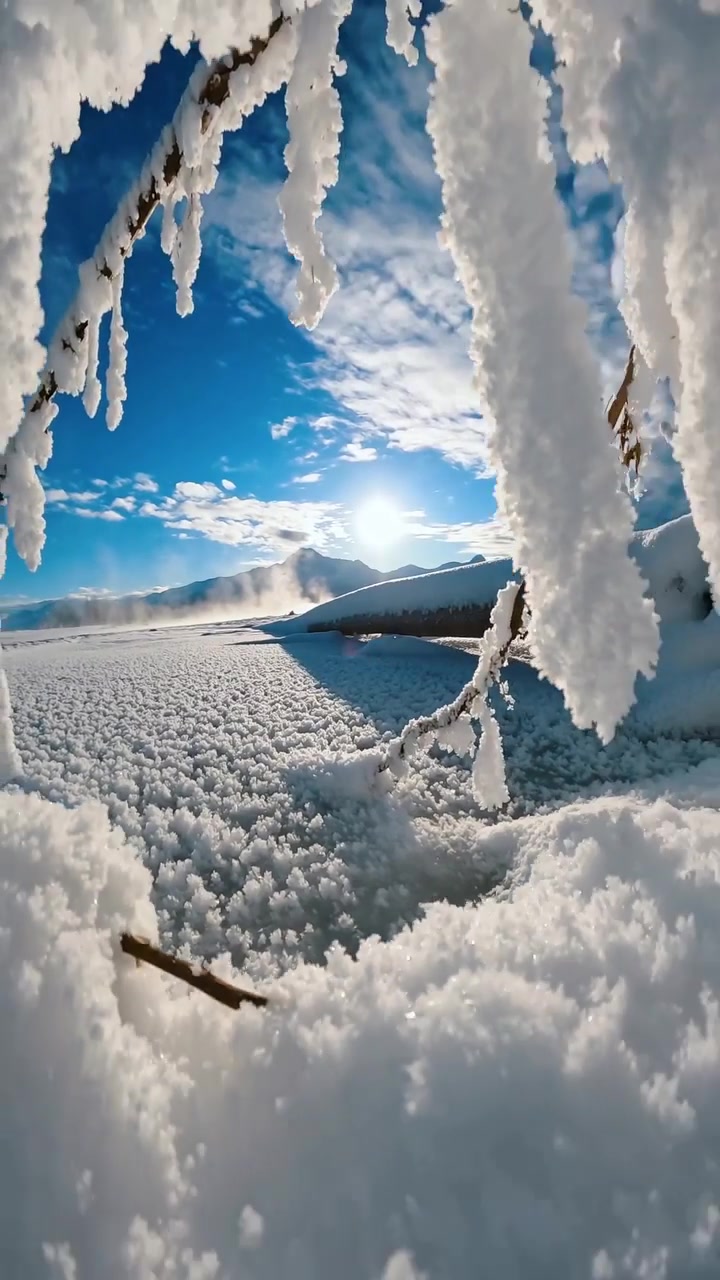
The Perfect Fusing: Alaska's Snow Rivers, Icy Frames, and Snowy Landscapes.
Alaska’s scenery is more than just a winter wonderland—it is the frozen north, where extreme weather conditions create breathtaking landscapes, including a unique natural feature: snow-covered rivers. The blue sky, shining sun, and vast snow-covered fields seen in this video are iconic of the Alaskan winter. Here, the icy branches are a key part of the beauty — some of these branches are "up to 100 feet long," says John Derting, a resident in Talkeetna, “framing the landscape” by forming an arch over rivers. In Alaska’s harshest winters, the state can encounter temperatures between -30°F and 20°F. The “Permafrost” causes rivers to freeze over. As the water flows, it causes the surface of the river to crack and form a unique frozen pattern.
Why It Matters / Winter's Extreme
Alaska’s winter is special because it is home to some extreme landscapes with some of the coldest winters, chilliest summers, and the longest winters in the US where the cold creates natural sculptures. It is where Alaska’s freezing degree days come alive and turn rivers into blankets of snow. The extreme of the place is something to marvel at. From the icy branches that create a natural frame to the crystal-clear blue skies, a frozen river is unlike anything else.
The Haunting Beauty of the Icy Frames
Ice River Formation
Alaska is rich in rivers, and many of them freeze over in the winter, turning into a sight to behold. The combination of the water flowing and air temperature, which is coldest in the area creates the phenomenon of “ice jams”. These ice jams lead to the formation of a sheet of ice that floats above the flowing water. This frozen phenomenon draws tourists to Alaska in the winter.
The Truly Frozen Field
Alaska boasts “the most freezing degree days” during winter, with average temperatures below freezing. Despite the bitter cold, Alaska’s snow-covered field brings out its scenic beauty. A field covered in fluffy snow under a bright blue sky and a shining sun evokes a sense of peace, making the place a winter paradise.
The Arctic’s Changing Face
The Arctic places are known to be warming much faster than other places. In some parts, the season does not define the month. With climate changes and rising temperatures, there are major changes in the Arctic. According to the National Oceanic and Atmospheric Administration, “On the West Coast of Alaska, the average number of days where temperatures reach 32°F or higher has increased by 25 percent.” The average winter temperature has increased considerably over the last 50 years. Thus, the beauty and impact of these icy rivers and landscapes that we see today might not be the same as they are now after a few decades.
When the Cold Meets the Water.
The Truly Idyllic Utopia
What if you enjoyed the cold? The bright blue sky, shining sun, icy branches, and vast snow-covered field create a truly picturesque environment, evoking a sense of tranquility emanating peace and beauty. Snowy landscapes would be a perfect destination for you.
The Breath-taking Panoramic View
The videographer, John Derting, frames the scene using the icy branches to add depth to the scene. The bright sun, blue skies, icy branches, and vast snow-covered field are a feast to the eyes. The scenery is so beautiful that it makes you forget about the chilly temperatures.
For the Winter Wanderlust
- Plan Your Adventure: If you enjoy the cold, Alaska is a dream destination during winter. The state boasts the coldest winters, chilliest summers, and the longest winters.
- Including the Aurora: Be sure to check out the Northern Lights, which are at their peak brilliance in the frozen north. It’s one of the must-see attractions.
- Bring the Right Gear: Dress appropriately to shield yourself from the extreme cold. Pack your thermals, snow boots, gloves, and a heavy winter coat.
- Gear Into The ‘Icy Frame’: Most tourists flock to Alaska in the summer, but if you are an adventurer, winter is the best time to visit. Activities like ice fishing, observing animals, snowshoeing, and visiting the glacier will be more fun under the tranquil Arctic sky and the framing icy branches. ##Enjoy this winter wonderland. But because of the extreme nature of the location, it can be challenging to navigate and live there. Thus, do not let the harsh weather deter you. John Derting goes out in the biting cold to capture the best of what Alaska has to offer. Therefore, put all your doubts aside, and dive into this winter wonderland for a truly enchanting experience.
Questions readers ask
What causes the unique frozen patterns on Alaska's rivers during winter?
The unique frozen patterns on Alaska's rivers are primarily caused by the extreme cold temperatures, which can drop as low as -30°F. When rivers freeze over, the flowing water beneath the surface creates cracks and patterns, forming a distinctive frozen landscape. The snow and ice also create a beautiful contrast with the blue skies and sunshine, enhancing the visual appeal.
How do the icy branches in Alaska contribute to the winter landscape?
The icy branches in Alaska, some of which can be up to 100 feet long, create a natural frame over rivers and fields. They add a dramatic and picturesque element to the landscape, making the winter scenery even more breathtaking. These branches often form arches that frame the snow-covered fields and frozen rivers, enhancing the overall beauty of the environment.
What is the significance of the term 'permafrost' in Alaska's winter landscape?
Permafrost refers to ground that remains at or below freezing for at least two consecutive years. In Alaska, permafrost is crucial for the formation of frozen rivers and landscapes. It helps to maintain the cold temperatures necessary for the rivers to freeze over, contributing to the unique and extreme winter landscapes that Alaska is known for.
How does climate change impact the icy landscapes in Alaska?
Climate change is causing significant shifts in Alaska's winter landscapes. Rising temperatures mean that the number of days with temperatures reaching 32°F or higher has increased, leading to fewer freezing degree days. This could alter the icy rivers and snow-covered fields that are currently a hallmark of Alaska's winter. The changes might make these landscapes less stable and less predictable.
Can visitors safely enjoy the frozen landscapes in Alaska during winter?
Visiting frozen landscapes in Alaska can be a truly magical experience, especially with the stunning blue skies and shining sun. However, it’s important to be prepared for the extreme cold and to follow safety guidelines. Visitors should dress in appropriate winter clothing, stay informed about weather conditions, and avoid venturing onto thin ice or unstable surfaces. Local guides and tours can provide valuable insights and ensure a safe adventure.
Related deep dives
Similar reads based on topic and creator.


Recent articles
Fresh deep dives from the latest Reels we unpacked.
Comments
Be the first to comment.