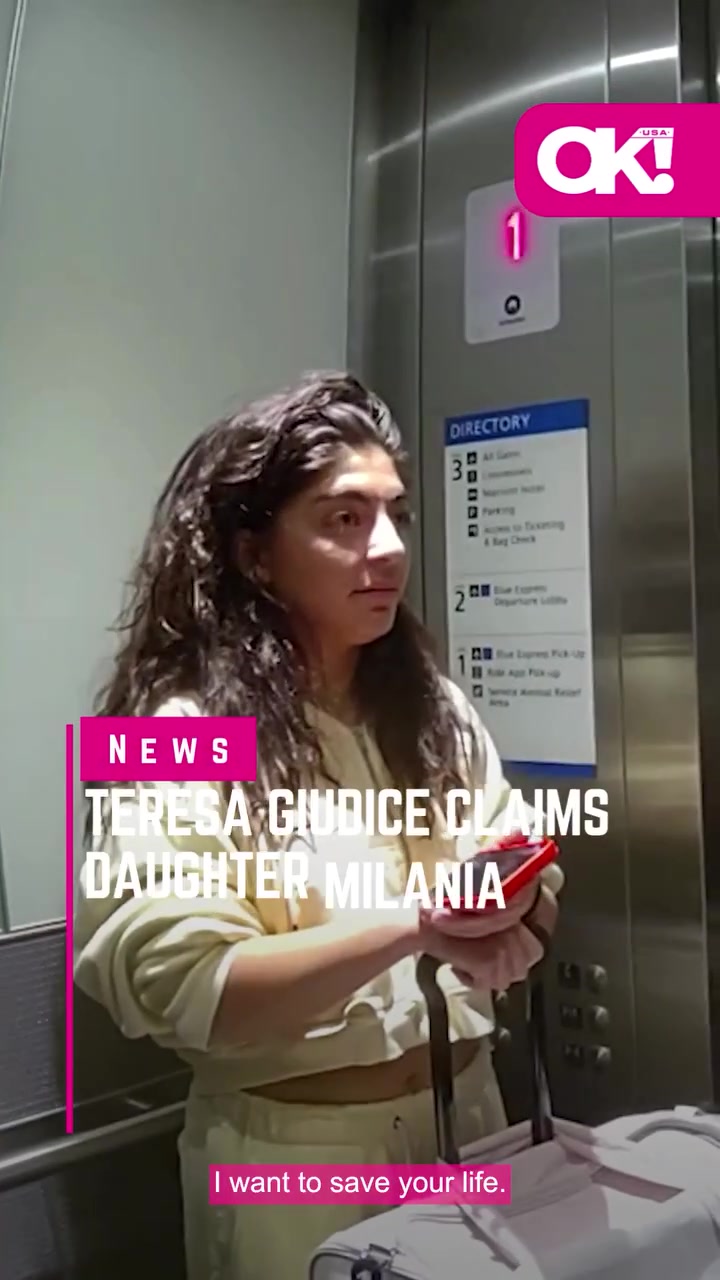
The Chilling Encounters at an Airport
Airport encounters are rarely, if ever, as dramatic as the one shown in this video. The first words repeated by a woman named Teresa — "I want to save your life" — paint a stark picture of an encounter gone wrong. The woman mentions fentanyl and laced drugs. These are not the typical phrases heard in casual conversation; they evoke a sense of urgency and concern.
A Troubled Encounter in Transit
Teresa's exchange with an airport security official is marked by a sense of urgency and concern. She repeatedly tells everyone and herself that "I want to save your life." This phrase acts as a mantra throughout the conversation, highlighting her apparent sense of urgency and desperation. She includes a number of repeated phrases, including "We're so numb," and "This is what we do nowadays." As the conversation progresses, it becomes clear that Teresa believes she has been given drugs laced with fentanyl, a highly potent and dangerous opioid. Her behavior is erratic, punctuated by frequent interruptions and nonsensical commands, typical behavior indicates a person experiencing a drugs crisis. The lack of dialogue from the other participants exacerbates the sense of unease — it's as if everyone else is trapped in a strange, tense limbo, trying to defuse the situation while also going about their duties.
The Complexities of Public Drug Interventions
The Affects of Fentanyl at the Scene
Teresa repeatedly mentions fentanyl, to the extent that it seems to be central to her frantic behavior. Fentanyl is a synthetic opioid that is 50 to 100 times more potent than morphine, and even small amounts can be lethal. This mention adds a layer of gravity to the situation, as fentanyl-related overdoses have been a significant public health concern in recent years. Teresa’s reference to being laced with fentanyl suggests a possible explanation for her erratic behavior and heightened state of anxiety. The situation underscores the seriousness of fentanyl's impact on individuals and communities.
The Dance of Control
Teresa's interaction with the airport security and her repeated attempts to sit down, wait for her mom, and get home reveal the power struggle inherent in the situation. Authorities struggle to maintain control and calmness amidst Teresa's erratic behavior, which can be interpreted as a manifestation of a frantic mind. The repeated phrases "Sit down" and "No. I'm just gonna wait" demonstrate the futility of attempting to control the uncontrollable. The lack of coherent responses from Teresa further highlights the difficulty of managing such situations, where clear communication and understanding are critical but elusive.
Navigating the Airport
The Eloquent Elevator
An airport elevator serves as the setting for some of the most unsettling moments of Teresa's journey. The word "NEWS" plastered on the directory and Teresa's repeated phrase "I want to save your life" contrasts starkly with the sterile, utilitarian design of the elevator. Teresa's chaotic state is juxtaposed with the quiet hum of the elevator, making the scene even more surreal. The airport, typically a place of transit and routine, becomes a stage for a deeply personal and troubling drama unfolding.
The Public Nature of Private Struggles
The video is a poignant reminder that public spaces often serve as the stage for deeply personal struggles. Teresa's encounter, while clearly urgent and concerning, also highlights the public nature of private crises. The airport setting, with its steady stream of travelers, adds a layer of complexity to the situation. While Teresa's behavior is disruptive and concerning, it also serves as a mirror reflecting the broader societal issues of drug abuse, mental health, and public safety.
Advice for Onlookers
A woman in a public space behaves erratically and seems to be under the influence of a dangerous substance, such as fentanyl. The appropriate action would be to contact local authorities immediately. Here’s a list of tips for someone witnessing such a situation:
- Stay Calm and Safe: Maintain a safe distance and avoid engaging with the person if they appear agitated or aggressive. Your safety is paramount.
- Contact Authorities: Immediately call emergency services and provide as much detail as possible. Mention any known substances and the person's behavior.
- Do Not Intervene Directly: It’s crucial not to attempt to intervene or handle the situation yourself. Professionals are trained to manage such crises.
- Provide Information: If approached by authorities, be ready to provide information about what you observed, including the person's behavior, any substances mentioned, and the duration of the encounter. Stay in a safe, visible area to assist the authorities.
- Follow Up: If possible, stay with or can help the authorities about details.
Questions readers ask
What exactly is fentanyl and why is it so dangerous?
Fentanyl is a powerful synthetic opioid that's 50 to 100 times stronger than morphine. Even small amounts can be lethal, which is why Teresa's repeated mention of it adds a serious layer to the situation. It's a significant public health concern because of the high risk of overdose, and it plays a central role in Teresa's frantic behavior.
How common are drug-related incidents like Teresa's at airports?
Incidents like Teresa's are quite rare at airports. Airport security is generally designed to handle a wide range of situations, but encounters involving individuals in a drug crisis are not typical. Most airport security checks are routine and uneventful, so Teresa's situation stands out as unusually dramatic.
Why does Teresa keep saying 'I want to save your life'?
Teresa's repeated phrase 'I want to save your life' seems to be a mantra for her, reflecting her heightened state of anxiety and desperation. She believes she has been given drugs laced with fentanyl, which is why she feels an urgent need to warn others and seek help. It's a clear indication of her mental state and the severity of her situation.
What is the role of airport security in such situations?
Airport security personnel are trained to handle a variety of situations, including medical emergencies. In Teresa's case, they likely tried to maintain control and calmness while assessing her condition and ensuring the safety of everyone involved. Their lack of dialogue in the video suggests they were focused on managing the situation without escalating it.
How does the presence of fentanyl complicate drug crisis interventions?
Fentanyl's extreme potency and the high risk of overdose make it particularly dangerous. In Teresa's case, her belief that she has been given fentanyl-laced drugs adds urgency and complexity to the situation. Intervening in such cases requires immediate medical attention and careful handling to prevent a potential overdose, which can be life-threatening.
Can airport security officials administer medical help in such cases?
Airport security officials are generally trained to handle emergencies, but their primary role is to maintain security. While they can provide basic first aid and call for medical help, they typically rely on trained medical personnel for more serious interventions. In Teresa's case, their focus would have been on keeping her and others safe while waiting for medical assistance.
Is there a protocol for handling drug crisis situations in airports?
Airports generally have protocols in place for handling medical emergencies, including drug-related crises. These protocols likely involve calling for medical assistance, ensuring the safety of all passengers, and providing any necessary first aid. However, the specific details can vary depending on the airport and local regulations.
Related deep dives
Similar reads based on topic and creator.




Recent articles
Fresh deep dives from the latest Reels we unpacked.




Comments
Be the first to comment.