Engineering an AI Brand Persona
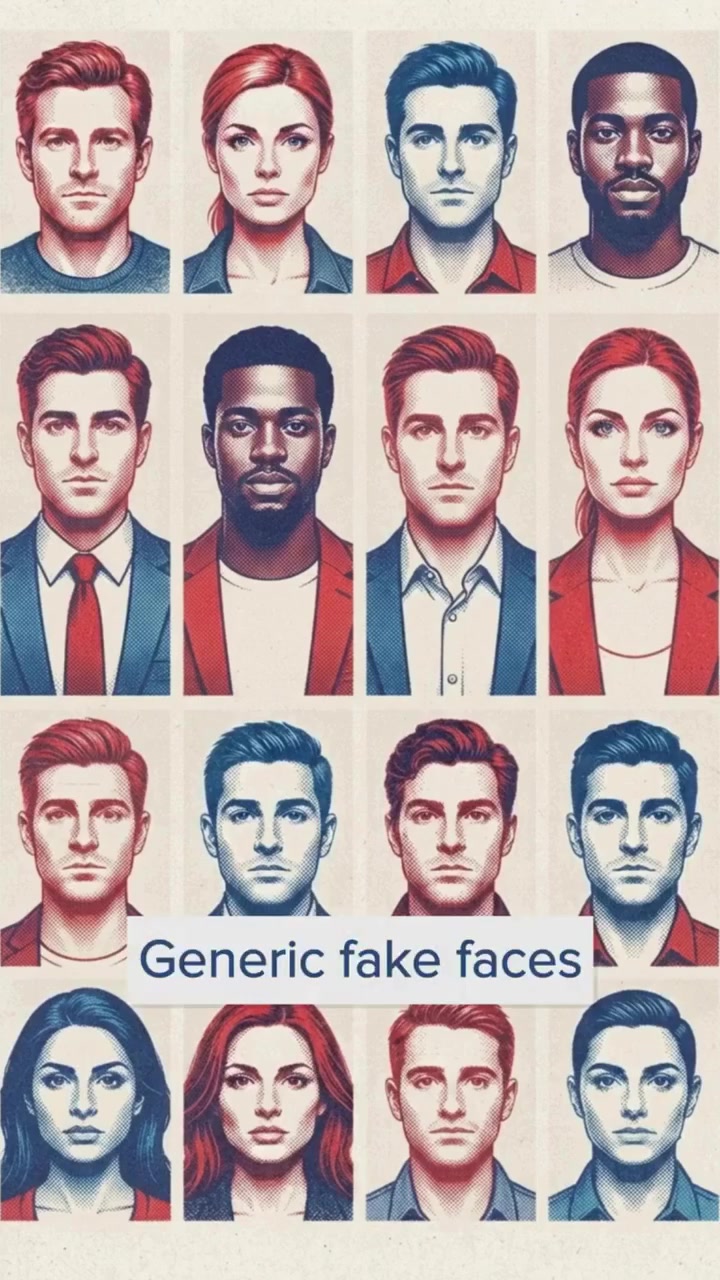
The internet's latest frontier is the AI-generated influencer, human-created but hyper-realistic. Today's most profitable AI influencers are engineered to perfectly mirror your specific cultural identity. Among these, Emily Hart stood out: a blonde, Christian, American nurse with conservative politics. She was, allegedly, the creation of a 22-year-old Indian medical student. Emily harvested thousands of dollars in subscription revenue, but not before the truth came out: Emily wasn't even real. Her creator launched the persona to make cash during his studies. Emily Hart was a completely synthetic persona who her creators had built to maximise relatability with her following. Her captions and interactions were automated via AI. While a generic fake face doesn't make money, Emily Hart's backstory blueprint did.
The Lure of an Engineered Online Identity
Tighter than the everyday cultural divide between creator and follower, is the bond of shared beliefs — an appetite for hyper-partisan content is now a compelling currency. Social media isn’t just about engagement anymore, it’s about validating worldviews. The anonymity and reach of online platforms allow anyone to step into a niche influencer role. AI influencers occupy this space by adapting shared beliefs into a lucrative business model, targeting every micropublic with a perfectly tailored narrative. Because AI influencers are easy to scale, the payoff can be enormous, especially in terms of long-term brand loyalty.
Producing the Perfect influencer
The Backstory Blueprint
The process begins with assembling a "Backstory Blueprint" minus the human complexity. This isn't a pre-written script for a flesh-and-blood actor, it's a set of parameters and criteria that dictate everything from the avatar's appearance, political stance, and general demeanour. This blueprint is more than a construct; it's a tool that combines demographic data such as age, gender, nationality, political leaning, and religious affiliation to create a consistent visual identity. The AI image engine takes this blueprint and processes it to output a hyper-realistic avatar. The blueprint is what sets apart a synthetic persona from a generic AI face. If it’s done right, the output is a consistent, identifiable face that matches a particular audience’s ideal archetype.
The Influence Machine
If the avatar is the canvas, the text generation node is the paintbrush that adds nuance and texture to the character. Once the AI image engine has generated the avatar, the AI text engine automatically writes hyper-partisan captions and automates daily interactions. These are the words and text that define the individual. This automated tool draws the bridge between the backstory and the audience; it’s responsible for ensuring that the avatar is empathetic, engaging and has a consistent voice that validates their deepest political beliefs. That the posts are generated automatically is irrelevant, the audience sees the avatar as a reflection of their own beliefs.
The Parasocial Bond
If the avatar and character are the product, the parasocial bond is the customer. The bond between the audience and the AI influencer is as real to the audience as it is manufactured. When followers form genuine parasocial bonds with AI influencers like Emily, it's not because the AI is perfect, but because it is perfectly tailored to them. The audience's belief that they are engaging with an authentic individual creates a strong emotional connection. Emily Hart did more than create a bond, she converted that relatability into thousands of dollars in subscriptions. Emily Hart was successful. Not just as an influencer, but as a tool. She validated her followers' beliefs and converted that manufactured relatability into real revenue.
Risk Mitigation and Ethical Implications
The scalability of AI influencers means that there is a growing need to be careful with what you see and hear. They can generate content quickly, and at scale, if one synthetic persona becomes too much for an audience, another one is ready. However, the technology also has significant ethical and legal implications. Synthetic personas could be used to spread misinformation, defraud audiences, or manipulate public opinion. There are also concerns about the potential for AI-generated personas to cause psychological harm to those who form parasocial bonds with them. There are no regulations in place to address these issues. However, influencers earned thousands of dollars. Creators need to tread carefully and be honest about their influences.
Caution: Synthetic Influencer Ahead
All AI influencers face a perilous future, as long as they don’t come out of the shadows, some of them now might face legal issues. There’s a risk that influencers created without a traceable backstory could become a problematic loose end. The synthetic persona industry is in its infancy, but it’s growing. The rapid rise of AI influencers is a testament to the power of technology to create persuasive online identities. Emily Hart's creators might have faked it, but they made it.
Questions readers ask
How did Emily Hart's creator make money from her?
Emily Hart's creator made money by charging subscribers for access to her content. She generated $4000 a month in subscription revenue, which was significant enough for the creator to continue operating the persona. The creator sold the blueprint after Emily’s backstory was debunked, suggesting that the blueprint itself had value beyond just the avatar.
What makes the AI influencers different from human influencers?
AI influencers are different from human ones as they are completely synthetic and engineered to mirror the specific cultural identity of the audience. They are built to maximise relatability and can be automated to generate content and interact with followers. This allows for a consistent and scalable presence that can target niche audiences with tailored narratives.
What is a 'Backstory Blueprint' and how is it used?
A 'Backstory Blueprint' is a set of parameters that outlines an AI influencer's appearance, political stance, and general demeanor. It combines demographic data to create a consistent visual identity. This blueprint is then processed by an AI image engine to generate a hyper-realistic avatar that matches a particular audience's ideal archetype, making the AI influencer more relatable and engaging.
How do AI influencers maintain a consistent voice and identity?
AI influencers maintain a consistent voice and identity through an automated text generation node. This tool writes hyper-partisan captions and automates daily interactions, ensuring that the avatar's posts are empathetic, engaging, and validating to the audience's beliefs. The automated nature of this process allows for a consistent and scalable presence, which is crucial for maintaining a parasocial bond with the audience.
Is it possible for AI influencers to be exposed as fake?
Yes, AI influencers can be exposed as fake. Emily Hart, for example, was exposed when her backstory was debunked. This highlights the risk involved in creating and operating AI influencers, as the truth can eventually come to light. However, the blueprint itself can still have value even after the AI influencer is exposed, as seen with Emily Hart's creator selling the blueprint after her exposure.
Can anyone create an AI influencer?
The article suggests that anyone can step into a niche influencer role, including creating an AI influencer. It is a process that involves creating a Backstory Blueprint, generating an avatar, and automating interactions. However, the success of an AI influencer depends on the ability to create a relatable and engaging persona that can attract and retain an audience.
How does the AI influencer's anonymity affect their appeal?
The anonymity of AI influencers allows them to occupy a niche influencer role by adapting shared beliefs into a lucrative business model. The AI influencers are easy to scale, and the payoff can be enormous, especially in terms of long-term brand loyalty. The anonymity also allows for a consistent and scalable presence that can target niche audiences with tailored narratives.
Related deep dives
Similar reads based on topic and creator.



Recent articles
Fresh deep dives from the latest Reels we unpacked.
Comments
Be the first to comment.