AI and Architectural Design: Revolutionizing the Construction Process
Every architectural project begins with an idea, but transforming that idea into a cohesive design involves a multitude of tools, expertise, and significant time investment. However, recent advancements in artificial intelligence (AI) and architectural design are changing the game. AI is making inroads into the architectural design process, enabling architects to design at an unprecedented speed and efficiency.
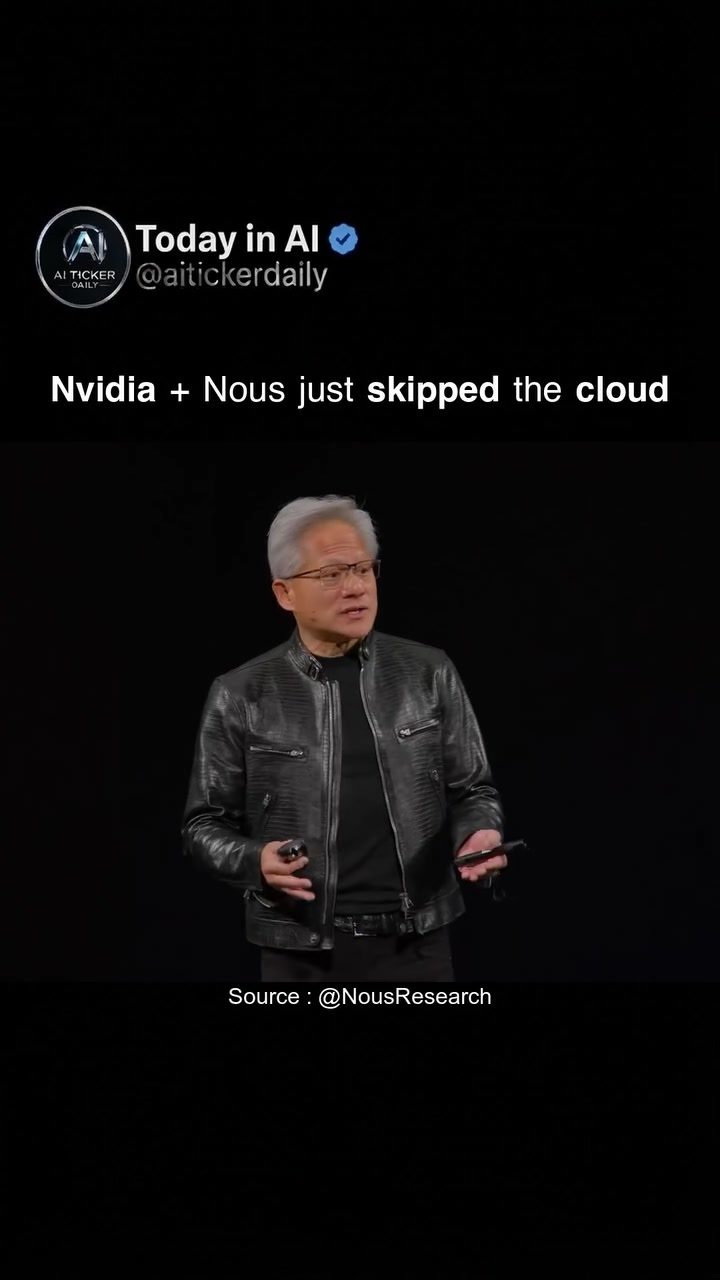
This revolution is spearheaded by companies like NousResearch and Nvidia, which are pushing the boundaries of AI in architectural design. Their latest developments integrate AI with popular design software, creating a seamless workflow that enhances both the speed and accuracy of the design process.
Context / Why This Matters
Traditionally, architects rely on a variety of tools and software to turn their ideas into concrete designs. This process is often time-consuming and requires a high level of expertise. The integration of AI into this process promises to streamline these tasks, making it faster and more efficient. For architects and designers, this means being able to focus more on the creative aspects of their work while the AI handles the technical details.
Main Discussion
The Role of AI Agents in Architectural Design
AI agents are at the forefront of this transformation. These agents can run locally on powerful hardware like Nvidia's RTX Spark superchip, which is integrated with an open-shell sandbox. This setup allows the AI to leverage both local and cloud-based resources, providing a robust environment for design work.
One key tool in this setup is the Hermes harness, which connects to Claude Sonnet in the cloud. This harness allows the AI to access a wide range of styles and prompts, providing a comprehensive set of tools for inspiration and design execution. The AI agent can then start modeling the site using software like Rhino, shaping terrain, setbacks, and the building envelope. This initial phase is crucial as it lays the groundwork for the entire design.
Site Modeling and Form Optimization
Once the site is modeled, the AI agent proposes building forms that are optimized for cost, comfort, and quality. This step is where the AI's analytical capabilities come into play, ensuring that the design is not only aesthetically pleasing but also functional and cost-effective. The agent can automatically generate layouts, including walls, circulation, and rooms, allowing architects to fine-tune the design as needed.
Interior Layout and Structural Elements
The interior layout generation is another significant area where AI agents excel. The agent can place doors, windows, and structural elements automatically, ensuring that the design is both efficient and safe. The AI's ability to detect and fix its own mistakes further enhances the reliability of the design process.
Transitioning to Blender and Generative AI
As the design progresses, the agent transitions the model from Rhino to Blender. This transition ensures that all materials and object properties are transferred with the design context intact. In Blender, architects can fine-tune the materials and get the look just right. The agent then uses generative AI with the Flux II model to render the house, creating photo-realistic images from multiple viewpoints and lighting conditions. This step simplifies the complex workflow, making it more guided and efficient.
The Hermes Agent in Action
The Hermes Agent, developed by NousResearch, exemplifies this advanced integration. Running natively on Nvidia's RTX Spark superchip, it integrates with the new OpenShell runtime and is tied into Microsoft's security layer. This setup ensures that the AI operates smoothly and securely, providing a robust platform for on-device AI processes.
Practical Tips
For architects and designers looking to leverage AI in their workflow, here are some practical tips:
-
Start with a Clear Prompt: A well-defined prompt describing the requirements and design intent can guide the AI effectively.
-
Utilize Multiple Software Tools: Combine different software tools like Rhino and Blender to take full advantage of their unique strengths.
-
Leverage Generative AI: Use generative AI models like Flux II to create photo-realistic renders, which can help in visualizing the final design.
-
Integrate On-Device and Cloud Resources: Use powerful local hardware like Nvidia's RTX Spark superchip and connect it to cloud-based resources for an enhanced design experience.
-
Regularly Fine-Tune: Continuously fine-tune materials and design elements to get the look and functionality just right.
Important Takeaways
AI is revolutionizing the architectural design process by making it faster, more efficient, and more reliable. The integration of AI agents with powerful hardware and software tools is enabling architects to design at the speed of imagination. This transformation not only streamlines the workflow but also allows architects to focus more on the creative aspects of their projects.
Conclusion
The integration of AI in architectural design is a game-changer. Tools like the Hermes Agent, powered by Nvidia's RTX Spark superchip and connected to cloud-based resources, are simplifying and accelerating the design process. As AI continues to evolve, its role in architectural design is set to become even more significant, redefining how architects bring their ideas to life. For those in the field, embracing these advancements means staying ahead in a rapidly changing landscape, where creativity and technology converge to create incredible designs.
Questions readers ask
How does AI enhance the architectural design process?
AI speeds up the architectural design process by automating technical tasks, allowing architects to focus on creative aspects. With AI-driven tools, generating detailed plans and designs becomes more efficient, reducing the time spent on repetitive tasks.
What role do NousResearch and Nvidia play in AI-driven design?
NousResearch and Nvidia are at the forefront of integrating AI with design software. They develop tools that assist architects by handling technical aspects, thus streamlining the workflow and improving the overall design process.
How do AI agents assist in architectural design?
AI agents in architectural design handle the technical and laborious parts of the process, such as generating detailed plans and ensuring compliance with regulations. This allows architects to dedicate more time to the creative and conceptual phases of their projects.
What are some benefits of using AI in architectural software?
AI in architectural software enhances speed, accuracy, and efficiency. It helps in creating detailed designs quickly, reducing the likelihood of errors, and ensuring that architectural plans meet all necessary standards and regulations.
How do AI-driven tools from NousResearch and Nvidia improve architectural workflows?
AI-driven tools from NousResearch and Nvidia create a seamless workflow by integrating AI functionalities into popular design software. This integration allows architects to leverage AI capabilities directly within their existing tools, making the design process more intuitive and efficient.
Can AI in architecture help with compliance and regulation issues?
Yes, AI can assist with compliance and regulation issues by automating the process of checking designs against building codes and standards. This ensures that architectural plans meet all necessary requirements, reducing the risk of errors and delays.
Related deep dives
Similar reads based on topic and creator.




Recent articles
Fresh deep dives from the latest Reels we unpacked.




Comments
Be the first to comment.