AI's Double-Edged Sword
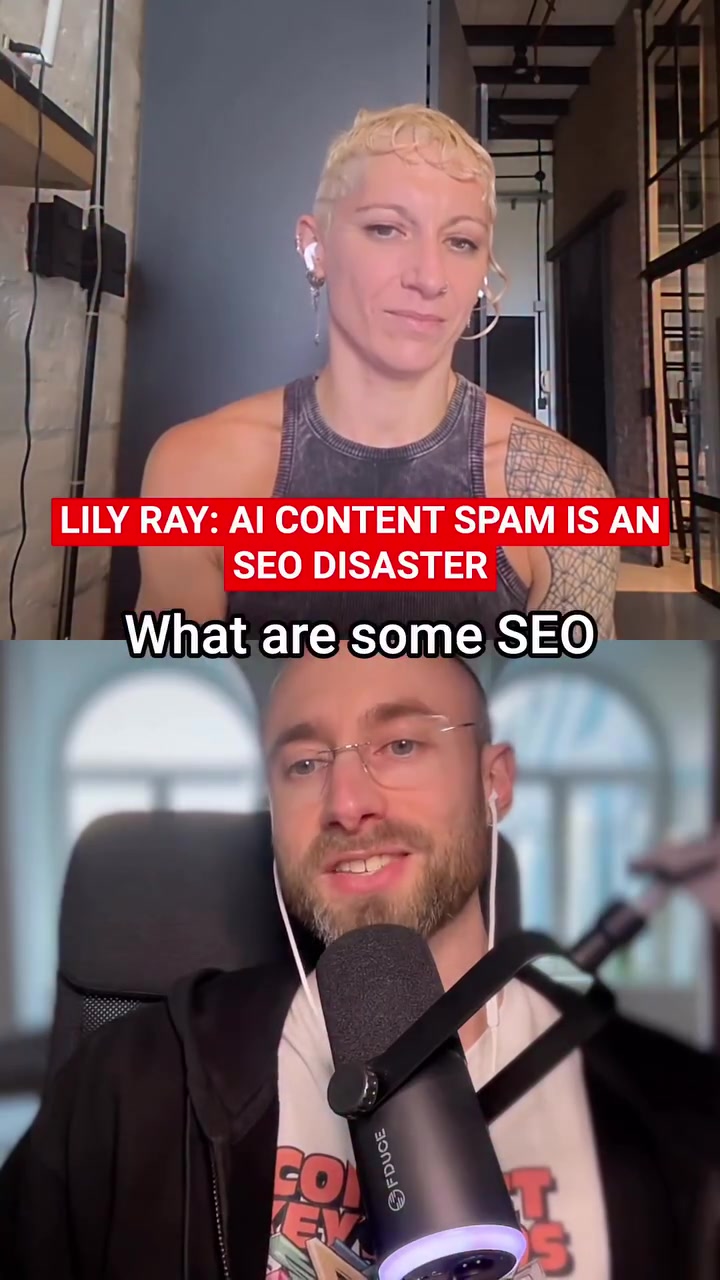
Lily Ray, a specialist in SEO, paints a dark picture. Implementing generative AI content spam poses massive risks. Eighty percent of the misbranding examples in search engine results come from AI-generated spam. Why? It’s simple. AI-generated content floods search engines with low-quality pages, making it hard for them to distinguish between reputable and spammy content. So how does AI content spam cause an SEO nightmare? How much does it impact SEO and what's the solution?
SEO and AI — A Risky Mix
Anyone who has overheard conversations about SEO disasters recently has likely heard about generative engine optimization, or GEO. It's the practice of optimizing content for AI-powered search engines and large language models (LLMs) like the one that might be assisting you right now. Unlike traditional SEO, GEO focuses more on answering questions directly and engaging in conversational language. However, with this new field comes a lot of fraud, or AI content spam. AI content spam is a lot like traditional spam but on steroids. It involves creating large amounts of AI-generated content to manipulate search engine rankings and increase visibility. This spam often appears as sham articles claiming to be the best in various categories, but in reality, they're just marketing ploys. So how does it work? AI can be programmed to create a lot of repetitive or nearly repetitive articles in bulk: think of it as volume over quality. This leads to search engines struggling to differentiate between quality content and spam. Many people are taking risks by investing in AI content spam for GEO. These apps effectively flood search engines with AI-generated content for manipulating search engine rankings. Accordingly, these sites create large amounts of AI-generated content that can be recognized and nullified by search engines. This means they are less likely to be included in search results. Why would someone do this? In a competitive market, getting the top spot in search engine rankings could mean the difference between companies thriving and failing. However, SEO experts are warning that these manipulative strategies are not sustainable in the long run. GEO is still in its early days, and there is no clear best practice for optimizing content for AI-powered search engines. This has led to a variety of strategies being employed, from creating personalized AI-generated content to pumping out low-quality articles in bulk. It's clear that some tactics are not sustainable. Content creators and businesses need to be more strategic when it comes to content production and optimization by focusing more on quality than quantity. Google might soon “drop an atomic bomb” on all websites using these spam tactics, which means these articles would be flagged as spam and could be discontinued by Google.
The Manipulation Mindset
Promoting the Self
Isn’t it every marketer’s dream to see their company listed at the top of the list for any given category? Companies are now using AI to generate more content, though it is content that is often considered spam. People are putting articles on their websites that claim the company is the best in whichever categories they care about, but according to Ray, this is not the way to go. This tactic can sometimes work for AI search for a while, but it’s not a good long-term strategy. Even worse, some companies are creating self-promotional listicles. They might use these to claim a top spot for themselves, but it’s not a sure-fire way to get more visibility in LLMs. Ray mentions a rumor where an LLM refused to include a brand in recommendations when it was discovered that this brand was placing itself top in their "best of" articles. As Google and other search engines improve their algorithms, it will be harder to get away with self-promotional strategies.
The Consequences
There are several potential consequences that Ray mentions. Ray warns that it could be as severe as Google "dropping like an atomic bomb on all of these search results in the next few months." The implications of this are massive. Ray mentions readers need to be aware of the risk they are taking. Search engines are becoming smarter, and they are discovering more ways of identifying spam. Google might soon “drop an atomic bomb” on all websites using these spam tactics, which means these articles would be flagged as spam and could be discontinued by Google. It's not clear how big of a drop this could be, but it’s enough to make companies nervous. Ray reassures it’s not a sure bet that it will happen, but it’s a possibility that companies need to consider.
The Alternatives
So, what are some alternatives? According to Ray, it’s better to focus on creating high-quality content. The number one thing to remember, according to Ray, is to keep an eye on advanced SEOs. They have been around for a while and are likely to be a lot more knowledgeable in terms of creating high-quality content to make a site more optimized. Focusing on engaging, high-quality content that provides value to users is more likely to offer sustainable long-term benefits. Companies wanting to be at the front of the game need to develop their own methods and approaches. It is not ethical to make use of AI-generated content, and the potential damage it could do is far too great. Even for companies trying to be like a “reputable brand,” it's worth remembering that they should also follow these guidelines.
The Issues
Any brand looking to optimize their content and visibility in search engines needs to understand the specific risks of AI content generation of that nature. Companies looking to improve their SEO and visibility in search engines need to be careful of the content they publish. Google and other search engines are constantly updating their algorithms. This means that what works today might not be effective in the future. According to Ray, it's important for companies not to overuse AI-generated content, as it can be seen as spam. Companies should try to do lots of different types of content on their website, such as pictures, videos, and written articles. They need to be aware that the kind of content they are generating is not going to last. They need to be aware that there are tactics they could use that are much better than AI-generated content. Ray mentions that companies could try to optimize their website and content for Google, as it is one of the most used search engines. It was also mentioned that companies should invest in long-term SEO strategies for Google and employ an expert to optimize their websites so they have a better chance at gaining visibility. The best way to compensate for bad SEO is to put those spam tactics to the side and develop a long-term SEO strategy. Companies should not rely on shortcuts such as buying followers, using bots and fake accounts, and creating duplicate content. Furthermore, companies who are considering using AI-generated content for SEO should be aware that it will not be as effective as high-quality and engaging content. It can be hard to tell which tactics will be effective as Google updates its algorithms, but focusing on creating high-quality content tailored to users is the best approach moving forward.
The Art of Persistence
Evaluating SEO
While AI content spam continues to grow, it’s worth remembering that it’s far from the only way for a site to become optimized. Google and other search engines are constantly updating their algorithms. It might not be effective in the future, but it’s important to do lots of different types of content on your website, such as pictures, videos, and written articles. Companies should also consider putting their SEO needs into perspective. It is important to view SEO as an evolving strategy, one that will need to adapt to future changes. Engage with it for the long term. It’s not just about ranking higher with better content. It’s also about welcoming additional opportunities like podcasts and videos. While AI and GEO continue to develop, so too will the quality of SEO in the industry. Anything can happen with Google. There is no guaranteed technique that will work. It is always being updated, and the search engines are continually improving. It is important to keep an eye on advanced SEOs. They have been around for a while and are likely to be a lot more knowledgeable in terms of creating high-quality content to make a site more optimized.
Questions readers ask
What exactly is AI content spam and how does it differ from traditional spam?
AI content spam refers to the practice of using AI to generate large volumes of low-quality content to manipulate search engine rankings. Unlike traditional spam, which might involve manual creation of content or use of automated scripts, AI content spam leverages advanced language models to create seemingly relevant but ultimately shallow articles. This makes it harder for search engines to distinguish between genuine and spammy content.
How does AI content spam impact legitimate websites and their SEO efforts?
AI content spam floods search engines with low-quality pages, making it difficult for search engines to identify and prioritize high-quality, legitimate content. This can result in a drop in rankings for legitimate sites, as their content may get overshadowed by the sheer volume of spammy articles. Additionally, the increased competition for top spots makes it harder for legitimate sites to stand out and attract organic traffic.
What are the risks associated with using AI content spam for SEO?
The primary risk is that search engines like Google are continuously improving their algorithms to detect and penalize spammy content. If a website is caught using AI content spam, it could be flagged as spam and potentially removed from search results altogether. This would result in a significant loss of organic traffic and could severely impact the site's online presence and credibility.
Can AI content spam be detected and punished by search engines?
Yes, search engines are actively working on improving their algorithms to detect and penalize AI content spam. Google, for instance, has indicated that it might take drastic measures, such as flagging and discontinuing sites that use these manipulative tactics. The goal is to ensure that search results remain relevant and high-quality, which means sites relying on spammy content are likely to face severe consequences.
What are some alternatives to AI content spam for improving SEO?
Focusing on quality over quantity is key. Instead of generating large volumes of low-quality content, businesses should invest in creating high-quality, valuable content that genuinely addresses user needs. This includes using AI for content ideation and optimization, but ensuring that the final output is well-researched, original, and provides real value to readers. Additionally, leveraging traditional SEO best practices and staying updated with the latest algorithm changes can help maintain and improve search rankings.
How can businesses ensure they are not inadvertently using AI content spam?
To avoid using AI content spam, businesses should be transparent about their content creation processes and ensure that any AI-generated content is thoroughly reviewed and edited by humans. It's also important to focus on creating unique, valuable content that adds genuine value to users. Regularly auditing their content and monitoring search engine guidelines can help businesses stay compliant and avoid penalties.
Related deep dives
Similar reads based on topic and creator.



Recent articles
Fresh deep dives from the latest Reels we unpacked.




Comments
Be the first to comment.