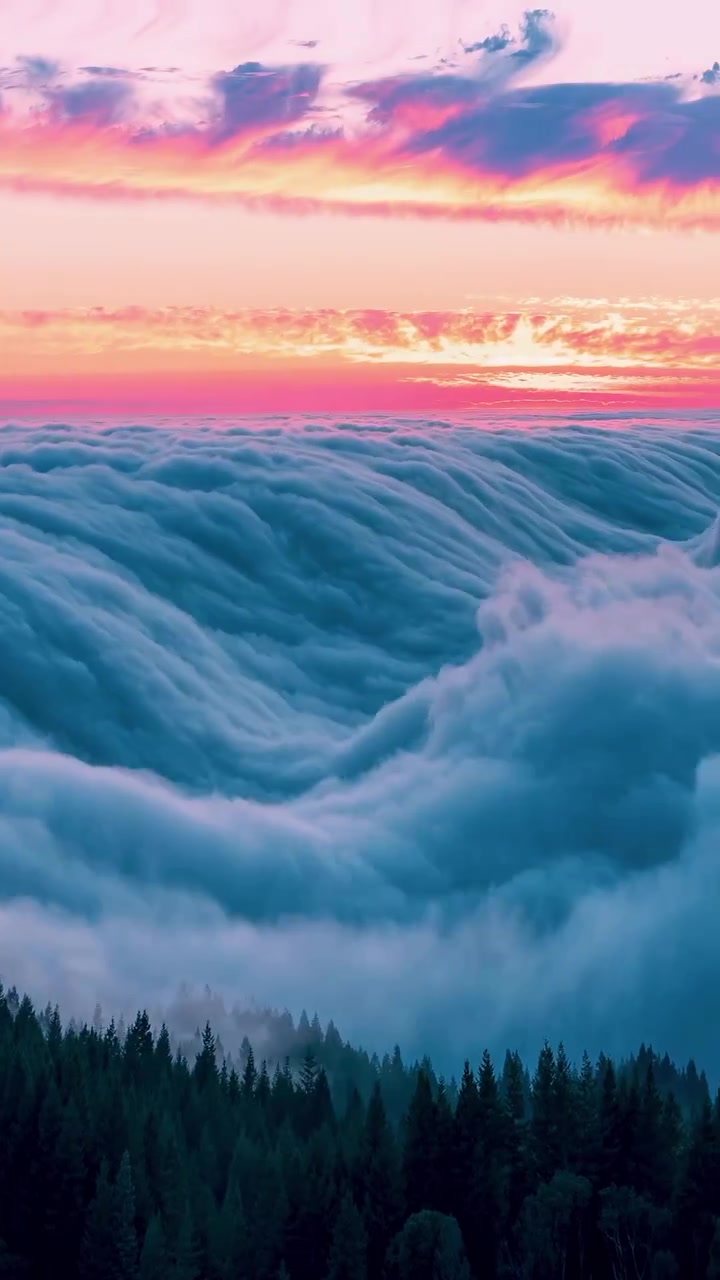
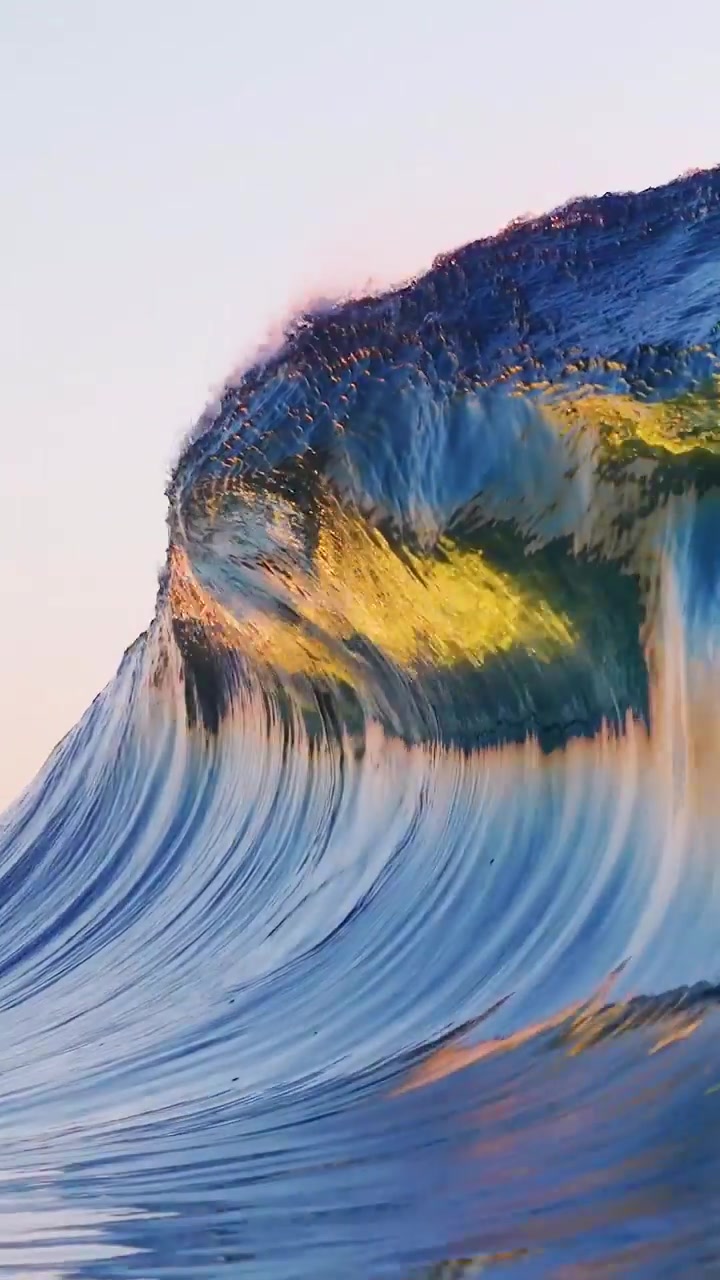
A sea of clouds stretches out under a mountain range, painted with the vivid hues of sunrise or sunset. The scene captures the ephemeral beauty of nature, a silent affirmation of life's fleeting moments.
What is a Sea of Clouds?
A sea of clouds is a stunning natural phenomenon where clouds form a vast, unbroken layer below the observer, creating the illusion of a floating ocean. This effect is often seen from high elevations, such as mountaintops or aircraft, and is typically accompanied by clear skies above. The visual contrast between the bright, often colorful sky and the dense, shadowy layer of clouds below creates a breathtaking landscape. Seeing a sea of clouds is more than a picturesque backdrop; it’s an enthralling sensory phenomenon, an immersive experience that transforms the observer’s relationship with both the sky and the earth. A sea of clouds can vary in appearance and scale depending on factors like elevation, geographical location, and climate conditions. They can form vast, continuous layers or break up into smaller sections. They are often accompanied by different aesthetic elements: mountains, forests, or other natural wonders. Whether the clouds are smooth and uniform or textured with rolls of fog and mist. In popular culture, the image of a sea of clouds is often associated with dreams, serenity, and the ethereal – and the particular scenic landscape of mountain ranges.
Why This is More Than a Cool Visual
The phenomenon of a sea of clouds is more than just a fascinating visual; it’s a signature of a unique climate and weather phenomenon, a glimpse into a world that exists just below our own. The sea of clouds beneath a mountain range is a rare sight and a testament to the delicate balance of nature. It’s a dramatic portrayal of climatic conditions where the lower atmosphere is humid and the upper atmosphere is dry, creating the distinction between the sea of clouds and the clear skies. The visual stands out as a vivid reminder of nature’s complexity and beauty. Mountain ranges often play a key role in the formation of sea of clouds. This is due to the varying temperatures and air currents which result in clouds forming atop these mountains to create a sea of clouds below the ridgeline. Sunrise and sunset add an extra dimension to the experience, as the first and last light of the day reflects off the vibrant hues, creating a palette of warm colors that enhances the already dramatic scene. This isn’t just a serene sight; it’s an invitation to appreciate the ever-changing beauty of our planet from a new perspective.
The Science of Seeing Sky Shapes
The Formation of Clouds: Science in the Sky
The formation of a sea of clouds is a result of particular atmospheric conditions. It typically occurs when a layer of moist, warmed air rises and then cools, forming clouds. This cooler air then descends, creating a stable layer of clouds. Frequently, sea clouds form at high altitudes. The mix of pressure, moisture, and temperature creates a layer of clouds that hovers below the observer.
The Magic of Mountains and Moisture
Mountain ranges play a crucial role in the formation of sea of clouds. As the air rises and cools, it creates a fog layer. Mountainous regions are prone to these conditions because of the variation in elevation and slopes, which can create the ideal conditions for this phenomenon. From the observer’s perspective on a mountain, the clouds lay below, opening the sky for vibrant sunlight and a unique horizon.
The Role of Light: Sunrise Versus Sunset
The most striking seas of clouds are often captured during sunrise or sunset, as the sun's rays cast golden and pink hues. The colors of the clouds reflect this, creating a visually stunning scene. The angle of the sun during these times highlights the contrast between the bright sky and the dark clouds, adding to the dramatic effect. Sunrises create a gentle glow, while sunsets can cast a fiery glow and richer hues. Sunrises and sunsets not only offer a vivid color palette, but they also signify the transition moments from night to day and vice-versa, inviting introspection for those who witness it. When these moments align with the sea of clouds, the experience becomes deeply transformative.
How to Capture This Sight
Halcomo, Colorado
One of the top places to see a sea of clouds is in Halcomo, Colorado. The location offers stunning views of the Rocky Mountains, which frequently produce this spectacular phenomenon. The area's high elevation and varying climates contribute to the formation of clouds, adding a dramatic backdrop. The trail to the peak is straightforward and suited to hikers of different levels. The panoramic trails give hikers the freedom to view the clouds from different perspectives, giving spectators a unique and dynamic experience.
The Japanese Alps
The Japanese Alps, particularly the Kamikochi region, offer a stunning vista of sea of clouds. The region is filled with forested areas and massive granite peaks. The contrast between these peaks and the sea of clouds below is breathtaking, offering a serene and rejuvenating view. The misty forests and unspoiled terrain add to its allure.
Practical tips for experience seekers
- Know your forecasting: Understanding the weather patterns and forecasts can help you predict a sea of clouds. Typically, early morning or late evening during a temperature inversion or when the weather conditions are stable.
- Pick the right equipment: If you’re a photographer or videographer, ensure that you have the right equipment. A wide-angle lens helps in capturing the expansive view, and a tripod ensures stability for long-exposure shots. Always bring a camera but also take moments to look with your eyes.
- Wear comfortable gear and be patient: Comfortable hiking gear and patience are key for this adventure. Sea of clouds can be elusive and may not appear exactly when you expect.
- Respect the environment: Always follow the guidelines of the area you are visiting. Minimize your impact on the environment by staying on marked trails, carrying trash, and respecting wildlife.
A View That Transcends the Eye
Seas of clouds transcend the visual; they’re an invitation to pause and consider the vastness and complexity of the world around us. These scenes evoke a sense of wonder and awe, reminding us of the beauty that exists just beyond our perception. This visual feast is a reminder that nature holds marvels beyond words, and we often merely need the chance to stop and observe them.
Questions readers ask
What causes the sea of clouds to form?
The sea of clouds forms due to specific atmospheric conditions. Warm, moist air rises and cools, creating clouds, while the cooler air descends to form a stable layer of clouds. This often happens at high altitudes, where the unique mix of pressure, moisture, and temperature come together.
How do mountain ranges influence the formation of a sea of clouds?
Mountain ranges significantly influence the formation of sea of clouds. As air rises over the mountains, it cools and condenses, forming clouds. The air then descends on the other side, creating a stable layer of clouds below the mountain ridge. This process is enhanced by the varying temperatures and air currents around the mountains.
Why do sea of clouds often appear during sunrise or sunset?
Sunrise and sunset enhance the visual impact of a sea of clouds. These times of day reflect light off the clouds, creating a warm, vibrant palette of colors. The contrast between the bright, colorful sky and the dense, shadowy layer of clouds below makes for a particularly stunning scene.
Can sea of clouds form anywhere, or are there specific locations where this phenomenon is more likely to occur?
Sea of clouds are more likely to form in areas with high elevations, such as mountain ranges. The specific geographical and climate conditions in these locations make it easier for the necessary atmospheric conditions to occur. However, it’s not exclusive to mountains—any area with a significant elevation change can potentially experience this phenomenon.
Is the sea of clouds phenomenon always the same, or does it vary?
The appearance of a sea of clouds can vary greatly. It can form vast, continuous layers or break up into smaller sections, and the texture can range from smooth and uniform to textured with rolls of fog and mist. The specific look depends on factors like elevation, geographical location, and climate conditions.
Are sea of clouds a rare sight, or can they be seen regularly in certain places?
Sea of clouds are considered a rare sight, but they can be seen more regularly in certain places, particularly in areas with high elevations like mountain ranges. The unique climatic conditions in these locations make the phenomenon more likely to occur, though it’s still not a daily occurrence.
What makes sea of clouds more than just a pretty sight?
Sea of clouds offer more than just a visually stunning experience; they provide a glimpse into the unique climatic conditions of a region. They serve as a reminder of nature’s complexity and beauty, showcasing the delicate balance of atmospheric conditions that create this dramatic landscape.
Related deep dives
Similar reads based on topic and creator.

Recent articles
Fresh deep dives from the latest Reels we unpacked.



Comments
Be the first to comment.