Zinc Oxide Sunscreen - The Ultimate Skin Protector
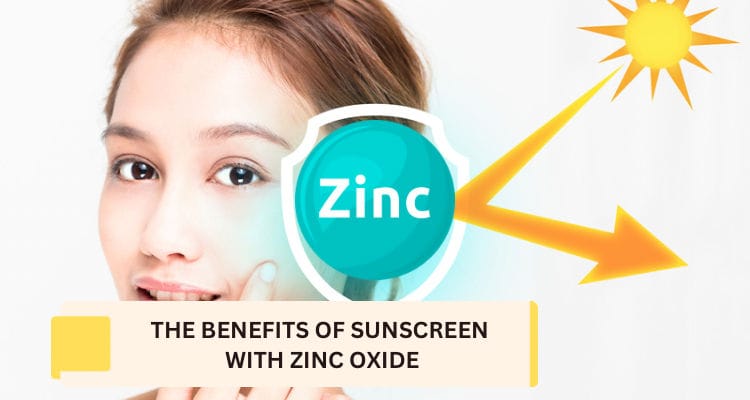
As the scorching summer sun beats down on us, protecting our skin from its harsh rays has become more crucial than ever. Did you know that India's skin cancer incidence rate has risen by 44% in the past decade? With UV radiation being a major contributor, it's time to arm ourselves with the ultimate skin protector - Zinc Oxide Sunscreen. Recent studies have shown that Zinc Oxide offers unparalleled broad-spectrum protection, making it the go-to ingredient for dermatologists worldwide. But what makes Zinc Oxide so special, and how can it shield your skin from the sun's damaging effects? Let's dive into the world of Zinc Oxide Sunscreen and uncover its incredible benefits.
The Sun's Fiery Challenge
You know the feeling of warmth on your skin when the sun's rays hit just right? Well, that warmth comes with a price. The sun's ultraviolet (UV) rays are the primary cause of skin damage and skin cancer. According to the American Academy of Dermatology, one in five Americans will develop skin cancer by age 70. That's about 9,500 people diagnosed every day in the US alone. The risks are real, and it's not just about getting a tan or avoiding sunburn. UV rays can cause premature aging, wrinkles, and age spots. Dr. Debra Jaliman, a dermatologist in New York City, puts it this way: "The sun's rays are like a ticking time bomb for your skin." You might not see the damage right away, but it's happening, and it's cumulative. So, what's the best defense? Sunscreen, of course! But not just any sunscreen – broad-spectrum protection is key. That's where zinc oxide sunscreen comes in. This mineral-based active ingredient provides a physical barrier against both UVA and UVB rays, deflecting them like a shield. Unlike chemical sunscreens that absorb UV rays, zinc oxide sits on the skin's surface, offering immediate protection. You might be wondering, "Why zinc oxide?" Well, it's not just about blocking UV rays; it's about preventing skin damage and skin cancer. The Skin Cancer Foundation recommends using a broad-spectrum sunscreen with an SPF of at least 30, and zinc oxide is one of the most effective ingredients out there. In fact, zinc oxide is so effective that it's often used in babies' sunscreens and for people with sensitive skin. The stakes are high, but with the right protection, you can enjoy the sun without worrying about the damage. Let's dive deeper into how zinc oxide sunscreen works its magic. Dive deeper: [How does zinc oxide sunscreen compare to other types of sunscreen?]((link unavailable)) [What are the benefits of using zinc oxide sunscreen for skin conditions like rosacea?]((link unavailable)) [Can zinc oxide sunscreen be used on sensitive areas like the lips and nose?]((link unavailable))
What Makes Zinc Oxide Special
Zinc oxide has been used for centuries, and for good reason. This natural mineral is derived from zincite, a mineral found in the earth's crust. The ancient Egyptians and Romans even used it to protect their skin from the harsh desert sun! Fast forward to today, and you'll find zinc oxide in many modern sunscreens, including popular brands like Blue Lerma and Badger.
A Physical Barrier Against UV Rays
So, what makes zinc oxide so effective? It's simple: zinc oxide creates a physical barrier on the skin's surface, reflecting UVA and UVB rays like tiny little mirrors. Unlike chemical sunscreens that absorb UV radiation, zinc oxide just sits there, deflecting those nasty rays and keeping your skin safe. Studies have shown that zinc oxide offers broad-spectrum protection, blocking up to 97% of UVA rays and 98% of UVB rays.
More Than Just Protection
But here's the best part: zinc oxide isn't just a one-trick pony. It's also got anti-inflammatory properties, making it perfect for sensitive skin types. Whether you're dealing with acne, eczema, or just plain old sunburn, zinc oxide can help soothe and calm your skin. Plus, it's non-comedogenic, meaning it won't clog your pores or leave you feeling greasy. Sounds like a win-win to me!
Take Australian surfer Sally Pearson, for example. She's a big fan of zinc oxide sunscreen, using it to protect her skin from the harsh Aussie sun. Or consider the 2019 study published in the Journal of Clinical and Aesthetic Dermatology, which found that zinc oxide was effective in reducing inflammation and promoting wound healing.
So, there you have it – zinc oxide's secret sauce. It's not just a sunscreen; it's a skin protector, and a mighty fine one at that.
Shielding Sensitive Skin
If you've got sensitive skin, you know the struggle of finding a sunscreen that won't irritate or clog your pores. That's where Zinc Oxide comes in - it's a game-changer. This mineral sunscreen is perfect for acne-prone skin, and it's non-irritating, making it ideal for compromised skin.
Zinc Oxide is gentle, yet effective. Studies have shown that it's an excellent option for post-procedure skin care, reducing inflammation and promoting healing. In fact, many dermatologists, like Dr. Sheila Farooqui, recommend Zinc Oxide-based sunscreens for patients after treatments like chemical peels or microneedling.
So, what makes Zinc Oxide so special?
For starters, it creates a physical barrier on the skin's surface, protecting it from UVA and UVB rays without penetrating the skin. This means it's perfect for sensitive skin types, and it's less likely to cause irritation or allergic reactions. Plus, it's non-comedogenic, so it won't clog pores or cause breakouts.
- Reduces inflammation and redness
- Soothes and calms irritated skin
- Provides broad-spectrum protection
- Non-irritating and gentle
Whether you're dealing with acne, rosacea, or just plain sensitive skin, Zinc Oxide is an excellent choice. It's like a big hug for your skin - gentle, comforting, and protective.
Beyond Sun Protection
You're probably already aware of zinc oxide's ability to shield your skin from harsh UV rays, but its benefits don't stop there. Let's dive into some of the other amazing ways zinc oxide can support your skin health.
Wound Healing and Skin Soothing
Zinc oxide has been used for centuries to aid in wound healing. It's a key ingredient in many wound care products, including bandages and topical creams. When applied to a wound, zinc oxide creates a protective barrier that helps to lock in moisture, reduce bacterial growth, and promote collagen synthesis. This can lead to faster healing times and reduced scarring. In fact, a study published in the Journal of Wound Care found that zinc oxide dressings reduced wound size by an average of 43% after just 14 days. But zinc oxide's soothing properties don't stop at wound care. It's also commonly used to calm irritated skin, including sunburns, eczema, and acne. When applied topically, zinc oxide can help to reduce inflammation and itching, providing quick relief from discomfort.
Astringent Effects for Oil Control
If you struggle with oily skin, you might love zinc oxide's astringent properties. When applied to the skin, zinc oxide can help to reduce the appearance of pores and control oil production. This can be especially beneficial for those with acne-prone skin, as excess oil can clog pores and lead to breakouts. In a study published in the Journal of Cosmetic Dermatology, researchers found that a zinc oxide cream reduced sebum production by an average of 27% after just 4 weeks.
Supporting Hyperpigmentation Treatment
Zinc oxide can also play a role in reducing the appearance of hyperpigmentation. By inhibiting the production of melanin, the pigment responsible for dark spots, zinc oxide can help to even out skin tone and reduce the appearance of age spots and freckles. When combined with other skin-lightening agents, such as vitamin C or niacinamide, zinc oxide can be a powerful tool in the fight against hyperpigmentation. With its ability to soothe, protect, and even out skin tone, it's no wonder zinc oxide is a staple in many skincare routines. Whether you're dealing with acne, hyperpigmentation, or just want to protect your skin from the sun, zinc oxide is definitely worth considering.
Choosing the Right Zinc Oxide Sunscreen
Now that you've seen the benefits of zinc oxide sunscreen, let's get you picking the perfect one. You've got a lot of options out there, but don't worry, I'm here to help you navigate. When choosing a zinc oxide sunscreen, there are a few key factors to keep in mind: SPF, texture, and your skin type.
SPF: The Sun Protection Factor
SPF is a measure of how well the sunscreen protects against UVB rays, which are the primary cause of sunburn. Look for a broad-spectrum sunscreen with an SPF of at least 30. If you're planning to be outdoors for an extended period, consider an SPF 50 or higher. For example, Neutrogena's Sheer Zinc Dry-Touch Sunscreen has SPF 50, offering excellent protection without the greasy feel.
Texture Matters
Zinc oxide sunscreens can sometimes feel heavy or leave a white cast, but that's not the case with all of them. If you've got dry skin, you might prefer a moisturizing sunscreen like La Roche-Posay Anthelios Zinc Oxide Sunscreen, which has added antioxidants and a lightweight texture. For oily skin, try EltaMD's UV Clear Broad-Spectrum SPF 46, oil-free and non-comedogenic.
Skin Type Considerations
If you've got sensitive skin, look for mineral sunscreens labelled 'fragrance-free' and 'hypoallergenic'. Badger's Zinc Oxide Sunscreen Cream is a great option, with just a handful of ingredients and soothing aloe vera. For acne-prone skin, opt for non-comedogenic sunscreens that won't clog pores.
- Avoid white cast: Opt for micronized zinc oxide or sunscreens with tinted formulas.
- Beat greasiness: Look for 'lightweight' or 'oil-free' labels, and apply a small amount for a more comfortable feel.
- Reapply often: Regardless of SPF, reapply every 2 hours or immediately after swimming or sweating.
With these tips, you'll find a zinc oxide sunscreen that protects and feels amazing on your skin.
Expert-Recommended Picks
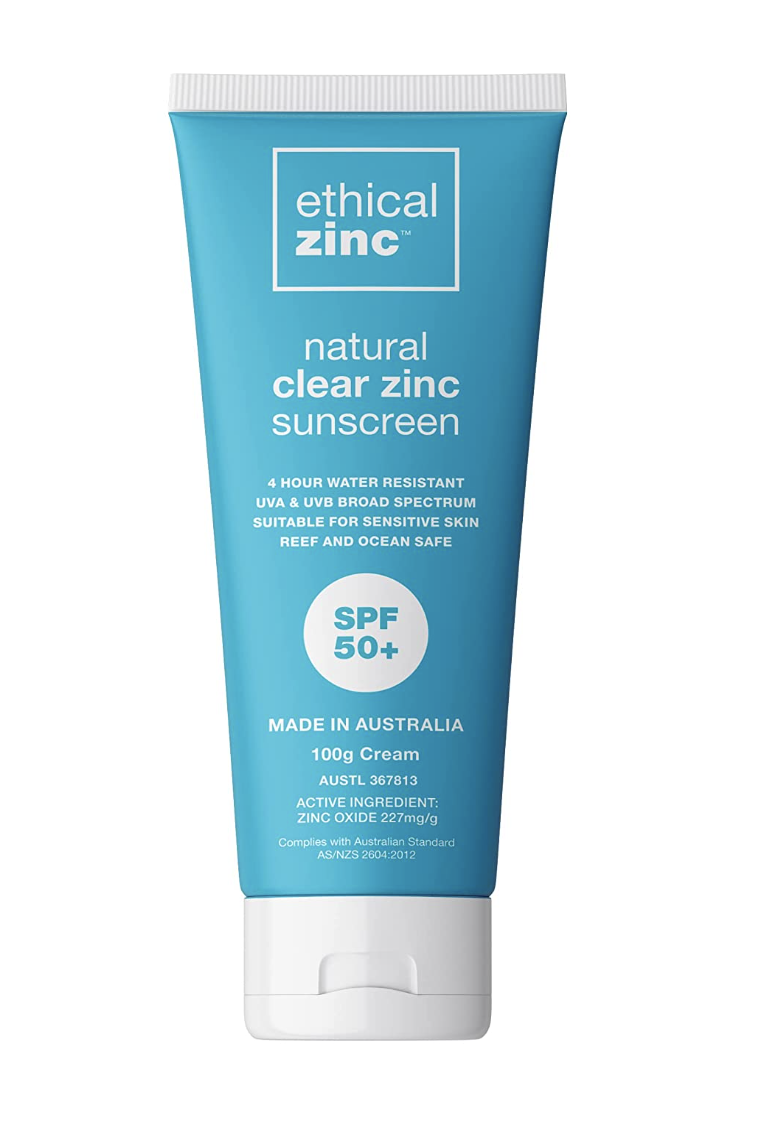
You're probably wondering which zinc oxide sunscreens actually work. Dermatologists and skincare experts have weighed in, and here are their top picks for various skin needs. Whether you're looking for a silky texture, antioxidant benefits, or reef-safe formulas, these standout products have got you covered.
For Sensitive Skin: EltaMD UV Clear Broad-Spectrum SPF 46
This one's a crowd favorite, and for good reason. With 9% zinc oxide and a lightweight, oil-free formula, it's perfect for acne-prone skin. Plus, it's got antioxidants like vitamin E to neutralize free radicals and soothe skin.
For Active Use: Badger Sport Mineral Sunscreen Cream SPF 35
Need a sunscreen that can keep up with your active lifestyle? Badger's got you. This reef-safe formula is sweat-resistant, water-resistant, and packs 21% zinc oxide for broad-spectrum protection. And it's got antioxidants like raspberry seed oil to boot.
Other notable mentions include La Roche-Posay Anthelios Mineral Sunscreen and Blue Lotion SPF 50, which offers a silky, non-greasy texture and antioxidant-rich formula. You're spoiled for choice with these expert-approved picks.
- Reef-safe options: Badger Sport Mineral Sunscreen Cream SPF 35, Cozy Earth Zinc Oxide Sunscreen SPF 30
- Antioxidant-rich: EltaMD UV Clear Broad-Spectrum SPF 46, La Roche-Posay Anthelios Mineral Sunscreen and Blue Lotion SPF 50
- Silky textures: EltaMD UV Clear Broad-Spectrum SPF 46, La Roche-Posay Anthelios Mineral Sunscreen and Blue Lotion SPF 50
These expert-recommended picks have been tried and tested, and they're sure to give you the protection and peace of mind you need. So go ahead, take your pick, and make zinc oxide sunscreen your skin's new BFF.
Making Zinc Oxide a Skincare Staple
So, you've got zinc oxide sunscreen in your bag – that's awesome! Now, let's talk about making it a non-negotiable part of your daily routine. Applying it every morning can become as habitual as brushing your teeth. Just imagine starting your day with a shield of protection, knowing you're covered against those sneaky UV rays.
Incorporating Zinc Oxide into Your Daily Routine
You can mix zinc oxide sunscreen with your moisturizer for an easy 2-in-1 step. Or, if you're a fan of layering products like Korean skincare enthusiasts, apply it as the last step to lock in all the goodness. Either way, consistency is key – use it every day, even when it's cloudy (UV rays don't take breaks, after all!).
Combining with Other Skincare Products
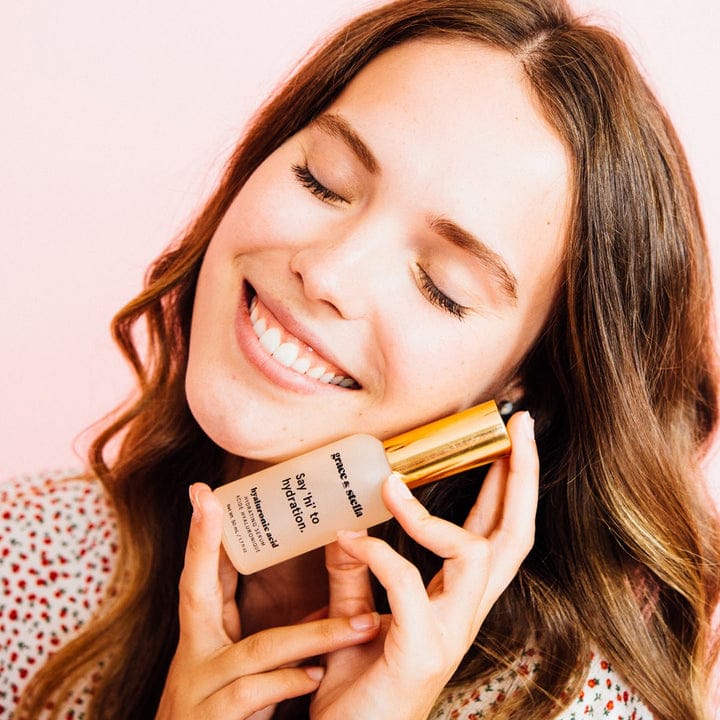
Zinc oxide plays nice with others – like vitamin C serums or hyaluronic acid moisturizers. In fact, combining it with antioxidants can boost your skin's protection against environmental stressors. Just check the ingredient list to ensure they're compatible, and you're good to go!
The future of zinc oxide in sun protection looks bright, with innovations like tinted formulas and powder versions making it easier to incorporate into your routine. As Dr. Sheila Krishna, a dermatologist, notes, "Zinc oxide is here to stay – it's one of the safest and most effective sunscreens out there."
Bottom line: make zinc oxide your skin's BFF. It's time to make sun protection a breeze and keep your skin happy and healthy for years to come!
.png)







Comments ()