Why Is My Old Dog Losing Hair - Understanding Canine Aging
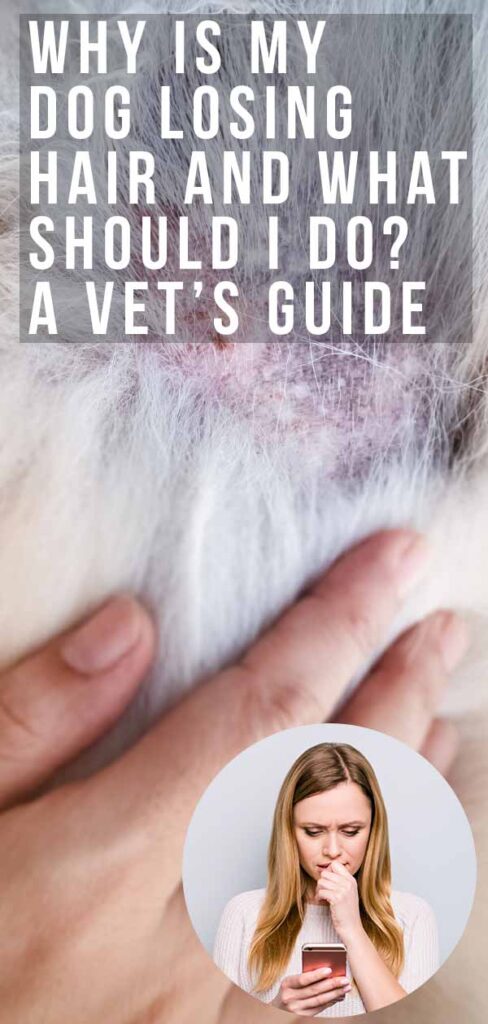
As your furry friend ages, you've probably noticed something's amiss - their once-luxurious coat is thinning, and hair's showing up in places it shouldn't, like your favorite couch. It's heartbreaking to see our loyal companions go through this, isn't it? Did you know that over 90% of senior dogs experience some form of hair loss, with the most common cause being a natural decline in hormone production? With advances in veterinary care helping our canine friends live longer, understanding age-related hair loss is more crucial than ever. Let's explore the why behind your old dog's shedding and what you can do to help them feel comfortable in their golden years.
The Graying Coat: A Natural Part of Aging?
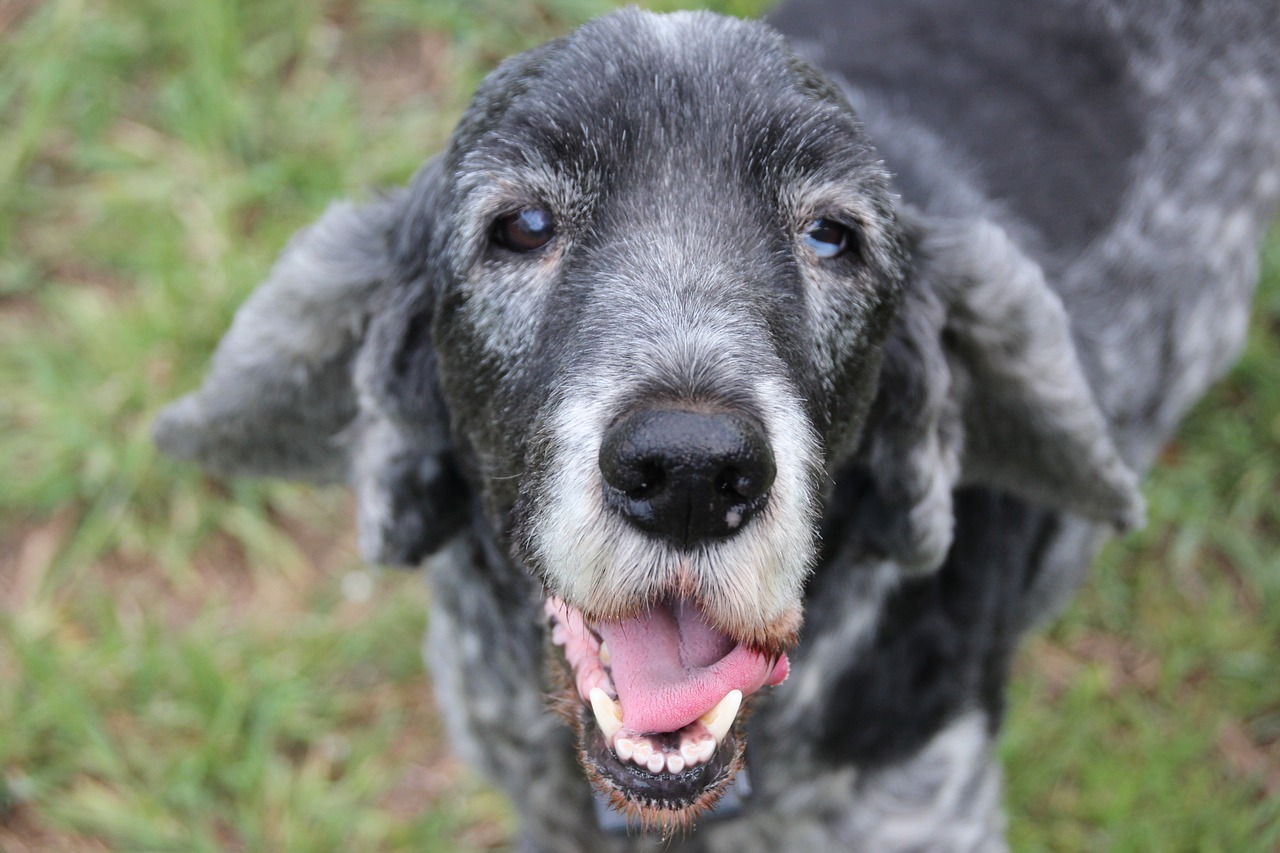
You've probably noticed your old dog's coat isn't as lush as it used to be. Maybe you've found hair on the couch or noticed bald patches appearing out of nowhere. It's a common concern many pet parents face as their furry friends age.
Aging can cause hair loss in dogs due to hormonal changes, similar to humans. As dogs get older, their hormone levels shift, affecting their coat's health and appearance. According to Dr. Karen Becker, a proactive veterinarian, "Senior dogs often experience thinning coats or bald patches, especially around the face, ears, and tail."
What's Normal and What's Not?
Breed, genetics, and health conditions play a significant role in hair loss. For example, breeds like Poodles and Bichon Frises are prone to hair loss as they age, while others like Golden Retrievers might experience more severe shedding. If you notice excessive hair loss, itchy skin, or skin lesions, consult your vet to rule out underlying health issues.
- Hormonal changes due to aging
- Breed-specific traits and genetics
- Underlying health conditions like thyroid issues or Cushing's disease
Understanding the causes of hair loss can help you better care for your aging dog. By recognizing the signs and consulting with your vet, you can address potential issues early on and keep your furry friend comfortable and happy.
Common Medical Reasons for Hair Loss in Senior Dogs

As your dog ages, hair loss can be a concerning symptom. Let's explore some common medical reasons behind this issue. Hypothyroidism is a big one - it's a thyroid issue that affects many senior dogs, like Max, a 12-year-old Golden Retriever who started losing hair on his back. Turns out, his thyroid wasn't producing enough hormones, and medication sorted him out.
What's Going On with Cushing's Disease?
Cushing's Disease is another culprit, where excess cortisol leads to hair loss, thinning, and other issues. Think of Bella, a 10-year-old Poodle with excessive thirst and hair loss on her belly. Her vet diagnosed Cushing's, and now she's on meds to manage it.
Skin infections or allergies can also cause hair loss in senior dogs. Bacterial or fungal infections can lead to itching, redness, and hair loss. For example, Rocky, a 9-year-old Labrador, had a nasty skin infection that caused hair loss on his ears. Antibiotics cleared it up, and his hair grew back.
- Hypothyroidism: thyroid hormone imbalance
- Cushing's Disease: excess cortisol production
- Skin infections or allergies: bacterial or fungal
- Other potential causes: parasites, nutritional deficiencies
These conditions are manageable with proper diagnosis and treatment. If you're noticing hair loss in your senior dog, it's time to consult your vet. They'll help you figure out the underlying cause and get your furry friend on the mend.
Nutritional Deficiencies and Hair Loss
Your dog's coat is a reflection of their overall health, and nutrition plays a huge role in maintaining its shine and vitality. Omega-3 fatty acids, found in fish oil and flaxseeds, are essential for healthy skin and coat. A lack of these good fats can lead to dry, brittle hair that's prone to falling out. For instance, a study published in the Journal of Veterinary Science found that dogs fed omega-3 rich diets had significant improvements in coat health and hair growth.
The Protein Puzzle
Protein is another crucial nutrient for hair growth. If your dog isn't getting enough protein, their body might redirect amino acids to more critical functions, leaving their coat looking lacklustre. Vitamin deficiencies, like a lack of vitamin E or biotin, can also impact hair growth. Take Max, a 10-year-old Labrador who was experiencing excessive shedding. His owner switched to a high-quality, protein-rich food and added a biotin supplement, and within a few months, Max's coat was back to its shiny best.
If you're suspecting nutritional deficiencies are behind your dog's hair loss, it's time to consult with your vet. They can help you identify any underlying issues and recommend dietary changes or supplements. Some common signs of nutritional deficiencies include dull coat, dry skin, and excessive shedding. Your vet might recommend a diet rich in essential fatty acids, vitamins, and minerals, or suggest supplements like omega-3 fish oil or biotin.
- Omega-3 fatty acids support skin and coat health
- Protein and vitamins like biotin are crucial for hair growth
- Consult with your vet to determine the best diet for your dog
Hormonal Imbalance and Hair Loss
You might be wondering if your old dog's hair loss is linked to hormonal changes. The answer is, it's definitely possible. As dogs age, their hormone levels can get a bit wonky, leading to hair loss. Think of it like human menopause or andropause – the equivalent is happening in our furry friends, affecting their coat and overall health.
Common Culprits
Adrenal gland disorders or sex hormone imbalances are common causes of hair loss in older dogs. For instance, Cushing's disease, a condition where the adrenal glands produce too much cortisol, can lead to thinning hair, especially on the body. And then there's hypothyroidism, where the thyroid gland doesn't produce enough hormones, causing hair loss, weight gain, and skin issues.
Take Max, a 12-year-old Labrador Retriever, who started losing hair on his back and tail. Turns out, he had an adrenal gland disorder. His vet put him on medication, and within a few months, his coat started growing back.
Getting a Diagnosis
Diagnosing hormonal issues requires some detective work from your vet. They'll likely run blood tests to check hormone levels, like the low-dose dexamethasone suppression test (LDDST) for Cushing's disease or a thyroid profile for hypothyroidism. These tests help pinpoint the issue, so you can get your dog the right treatment.
- Cushing's disease: excessive cortisol production
- Hypothyroidism: underactive thyroid gland
- Adrenal gland disorders: imbalance of sex hormones
The good news is, many hormonal imbalances can be managed with medication and lifestyle changes. Work with your vet to figure out the best approach for your dog.
Environmental Factors Contributing to Hair Loss
Your old dog's hair loss might not just be about aging – the environment's playing a role too. Seasonal shedding's a big one; think about it like when spring hits and your pup's shedding like crazy. But it's not just seasonal changes; allergies to pollen, dust, or even certain fabrics can cause hair loss. Take Max, a 10-year-old Golden Retriever from Mumbai, who's allergic to certain grasses. His owners noticed he'd lose hair in patches during peak pollen season.
Pesky Parasites
Fleas, ticks, and mites – they're like the uninvited guests that just won't leave. Flea infestations, for instance, can cause intense itching and hair loss. I know, it's gross, but it's reality. Treatment's usually straightforward with meds like Frontline or Advantix. Mites, like demodectic mange, can be more serious, causing significant hair loss and skin issues. Bella, a 12-year-old Labrador, had a nasty case of mange that led to hair loss on her face and paws.
Chemicals and toxins in the environment can also affect your dog's coat health. Pesticides, household cleaners, or even certain shampoos can strip their coat of natural oils, leading to dryness and hair loss. For example, if you're using a harsh flea shampoo too frequently, it might be doing more harm than good. Switch to gentler products, and maybe consult your vet about safer alternatives.
- Common environmental allergens: pollen, dust mites, mold
- Parasites to watch out for: fleas, ticks, mites, lice
- Toxic substances: pesticides, heavy metals, certain household cleaners
These factors can exacerbate age-related hair loss, so addressing them's key. Regular grooming, a balanced diet, and a clean environment can go a long way in keeping your old dog's coat healthy.
When to Consult a Veterinarian
You've been noticing your old dog's hair loss, and you're worried. Maybe it's just part of aging, but when should you take action? Let's break it down. Excessive hair loss or bald patches are a definite red flag. For example, if your dog's hair is falling out in clumps, like Labrador Retriever Max did when he developed hypothyroidism, it's time to see a vet.
Watch for Changes
Changes in appetite, energy, or overall health can also signal underlying issues. Take Sarah's Pug, Bella, who suddenly lost interest in treats and walks. Turns out, she had an underlying thyroid issue contributing to her hair loss. Your vet can run tests to figure out what's going on. They're like detectives, piecing together clues to solve the mystery.
Skin irritation, redness, or signs of infection are other major concerns. If your dog's skin is red, inflamed, or oozing, don't wait – get them to the vet ASAP. Infections can spread quickly, and your dog's comfort is at stake. Dr. Patel, a vet with 20+ years of experience, says, "Addressing skin issues early is key to preventing more serious problems down the line."
So, keep an eye on your furry friend and don't hesitate to seek help if you notice any of these signs:
- Excessive scratching or licking
- Unusual odors or discharge
- Changes in behavior or appetite
Your vet's got your dog's back, and they're there to help you both navigate these golden years.
Caring for Your Senior Dog's Coat
As your dog ages, their coat needs a little extra TLC. Regular grooming is a must to prevent matting and tangling, which can be painful and lead to skin issues. For example, breeds like Poodles and Shih Tzus are prone to matting, so daily brushing is crucial.
Balanced Diet and Supplements
A balanced diet rich in omega-3 fatty acids, vitamins, and minerals is key to maintaining a healthy coat. You might want to consider adding supplements like glucosamine and chondroitin, which can help with skin and joint health. Take the case of Max, a 12-year-old Golden Retriever, whose coat started to shine again after his owner added fish oil supplements to his diet.
Some essential nutrients for coat health include:
- Omega-3 fatty acids (EPA and DHA)
- Vitamin E
- Zinc
- Biota-six
Consult a Vet
Every dog is different, so consult a vet for personalized advice on caring for your dog's coat. They can help identify underlying issues and recommend tailored treatments. Dr. Sarah, a renowned vet, suggests, "A vet check-up every 6-8 months can help identify coat health issues early on, making treatment more effective."
By following these tips and working with your vet, you can help your senior dog maintain a healthy, shiny coat. Your furry friend will thank you!
Next Steps: Supporting Your Dog's Health
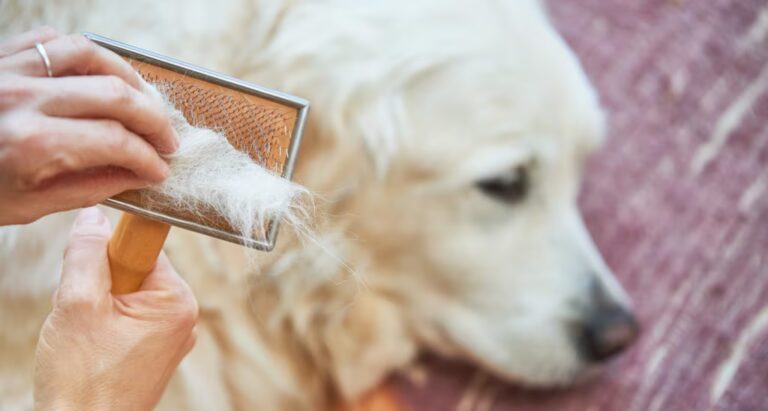
So, what can you do to help your old dog feel more comfortable in their own skin? First things first, schedule a vet visit to rule out any underlying conditions that might be causing the hair loss. Dr. Johnson, a renowned veterinarian, says, "Early detection is key to managing many health issues in senior dogs."
Your vet will likely run some tests and ask questions about your dog's diet, lifestyle, and medical history. Be prepared to discuss potential treatment options or lifestyle changes that can help manage your dog's condition. This might include changes to their diet, increased grooming, or medication to address underlying health issues.
Keep a Close Eye on Your Dog's Health
Keep track of any changes in your dog's overall health and coat condition. Take photos, notes, or even videos to share with your vet. This will help you identify any patterns or changes over time. For example, Max, a 12-year-old Labrador, started losing hair on his back, but with regular grooming and a balanced diet, his coat started to improve.
- Monitor their appetite and energy levels
- Watch for signs of skin irritation or allergies
- Adjust their environment to reduce stress
The key is to work with your vet to create a plan that suits your dog's specific needs. With the right care and attention, you can help your old dog feel more comfortable and enjoy their golden years.
Your old friend is counting on you to be their advocate and caregiver. By staying proactive and attentive, you can make a real difference in their quality of life.







Comments ()