Whiskey Before Bed - Nightcap or Health Hazard?

As the clock strikes 10 PM, millions of Indians unwind with a familiar ritual: a nightcap. But is that whiskey glass a friend or foe? Recent studies reveal a staggering 30% of Indians suffer from sleep disorders, and experts are debating whether a nightcap is helping or hindering our sleep. With sleep becoming an increasingly scarce commodity in India's fast-paced lifestyle, the question on everyone's mind is: does whiskey before bed disrupt sleep patterns or promote relaxation? Let's pour ourselves a dram of insight and explore the science behind this age-old tradition.
The Whiskey Nightcap Tradition
You've probably heard the phrase "nightcap" tossed around at parties or family gatherings – it's been around for centuries, folks! And whiskey's been the drink of choice for many a night owl, from Scottish Highlanders to American cowboys. In fact, a 2019 survey by the National Sleep Foundation found that nearly 1 in 5 Americans enjoy a nightcap to help them unwind before bed. Whiskey, in particular, has a long history of being sipped before bedtime, often for its supposed health benefits.
A Relaxing Ritual
In moderation, whiskey can be a great way to unwind after a long day. The congeners present in whiskey, like ellagic acid and antioxidants, may help with relaxation and even promote better sleep. Dr. John Winkelman, a sleep expert at Stanford University, notes that "a small amount of whiskey can help people relax and fall asleep faster." For example, a 1-2 ounce pour of whiskey (that's about one standard shot) can be a calming way to cap off the evening.
But here's the thing: there's a fine line between a relaxing nightcap and a health hazard. Overdo it, and you're looking at disrupted sleep patterns, increased heart rate, and a host of other issues. The National Institute on Alcohol Abuse and Alcoholism recommends that men limit their daily whiskey intake to 2 drinks or less, while women should stick to 1 drink or less.
The key is moderation, folks. When enjoyed responsibly, whiskey can be a soothing way to end the day. But we'll dive deeper into the potential risks and benefits in the next section. Stay tuned!
The Science Behind Whiskey's Effects

So, you're wondering what's going on in your body when you sip on that nightcap whiskey. Let's break it down. Whiskey contains antioxidants like ellagic acid, which may help reduce inflammation and cancer risk. It's not just a fancy drink, it's got some serious benefits. Ellagic acid is found in many fruits, but whiskey's unique aging process might make it more bioavailable.
Polyphenols: The Good Stuff
Whiskey's polyphenols are getting the spotlight, and for good reason. These compounds may help lower bad cholesterol (LDL) and increase good cholesterol (HDL). A study by the American Chemical Society found that moderate whiskey consumption can increase HDL levels by up to 10%. That's nothing to scoff at. Now, we're not talking about going wild here – moderation is key.
However, there's a catch. Whiskey's high alcohol content can lead to liver damage and other health issues if you're not careful. The National Institute on Alcohol Abuse and Alcoholism says excessive drinking can lead to cirrhosis, liver cancer, and other problems. You're playing with fire if you're knocking back multiple whiskeys a night.
- Ellagic acid: antioxidant properties
- Polyphenols: heart health benefits
- Alcohol content: potential liver damage
It's a delicate balance, really. If you're going to enjoy that nightcap, make sure you're doing it responsibly. A dram or two won't hurt, but don't make it a habit. Your body will thank you.
Heart Health: Friend or Foe?
You're probably wondering how whiskey affects your heart health. Let's dive into the details. Moderate whiskey consumption may help reduce heart disease risk, but excessive drinking can lead to heart problems and high blood pressure. It's a fine line, really.
The Good Stuff
Whiskey contains polyphenols, antioxidants found in the oak barrels it's aged in, which may help lower blood pressure and triglycerides. A study published in the Journal of Agricultural and Food Chemistry found that whiskey's polyphenols can help relax blood vessels, improving blood flow and lowering blood pressure. For example, a study on Scottish men found that moderate whiskey drinkers had lower rates of heart disease compared to non-driskers.
The Not-So-Good Stuff
But here's the thing: excessive consumption can negate these benefits. Drinking too much whiskey can lead to heart problems, high blood pressure, and even stroke. The American Heart Association recommends no more than one drink a day for women and two drinks a day for men. To put that into perspective, a standard drink is about 30ml of whiskey.
- Moderate drinking: 1-2 drinks/day (may reduce heart disease risk)
- Excessive drinking: 3+ drinks/day (increases heart disease risk)
- Binge drinking: 5+ drinks in one sitting (can lead to heart problems)
The key is balance. If you're a moderate drinker, whiskey might be a part of a healthy lifestyle. But if you're drinking excessively, it's time to reassess. Either way, it's always a good idea to consult with your doctor or a healthcare professional for personalized advice.
Cold and Flu Relief

When you're battling a cold or flu, a warm glass of whiskey might be just what you need. The warmth can help soothe a sore throat, and the vapors may ease congestion. Many people swear by a hot toddy – a mix of whiskey, lemon, and honey – to help them feel better.
Whiskey's Medicinal History
Whiskey has been used for centuries as a folk remedy for coughs and colds. The Irish and Scottish have long used it to treat respiratory issues. In fact, studies have shown that whiskey's ethanol content can help thin mucus, making it easier to cough up. However, it's essential to remember that this doesn't mean you should reach for the bottle at the first sign of a sniffle.
On the other hand, excessive whiskey consumption can have the opposite effect. Drinking too much can weaken your immune system, making it harder for your body to fight off infections. Research suggests that binge drinking can impair the immune system's ability to fight off pathogens, making you more susceptible to illnesses like pneumonia.
- Moderate drinking might provide temporary relief, but excessive consumption can lead to more harm than good.
- The key is balance – a small amount might help, but don't overdo it.
- For example, a study published in the Journal of Clinical Immunology found that moderate drinking (1-2 drinks per day) didn't significantly impact immune function, but heavy drinking (more than 4 drinks per day) impaired immune response.
So, if you're feeling under the weather, a small whiskey might provide some relief, but don't rely on it as a cure-all. Stick to recommended limits – up to one drink per day for women and two drinks per day for men, as defined by the National Institute on Alcohol Abuse and Alcoholism (NIAAA).
How Whiskey Affects Your Brain
You know how they're always saying a drink before bed can be relaxing? Well, there's some truth to it. Moderate whiskey consumption may actually help reduce your risk of dementia. Studies have shown that light to moderate drinkers tend to have a lower risk of cognitive decline, including dementia and Alzheimer's disease. For instance, a 2018 study published in the Journal of Alzheimer's Disease found that moderate drinkers had a 23% lower risk of dementia compared to non-drinkers.
The Antioxidant Advantage
Whiskey's antioxidants, like ellagic acid, may play a role in maintaining healthy brain function. These compounds help reduce oxidative stress and inflammation, which can contribute to age-related cognitive decline. Think of it like a shield protecting your brain cells from damage. The polyphenols in whiskey may also help promote blood flow to the brain, keeping your cognitive functions sharp. Researchers like Dr. Edward J. Neafsey, a neuroscientist at Boston University, have highlighted the potential neuroprotective effects of moderate drinking.
But here's the thing: excessive consumption can quickly tip the scales. Heavy drinking can lead to cognitive decline, memory issues, and even increase your risk of dementia. The National Institute on Alcohol Abuse and Alcoholism (NIAAA) notes that chronic heavy drinking can result in significant cognitive impairment, affecting memory, attention, and decision-making skills. You're looking at a fine line between potential benefits and serious risks.
- Moderate drinking: Potential cognitive benefits, including reduced dementia risk
- Heavy drinking: Increased risk of cognitive decline, memory issues, and dementia
- Binge drinking: Potential for acute cognitive impairment and increased risk of neurodegenerative diseases
The key takeaway? Whiskey might be good for your brain in moderation, but don't overdo it. Stick to the recommended limits – up to one drink a day for women and two for men – and you're likely to reap the benefits while minimizing the risks.
The Dark Side: Risks and Concerns
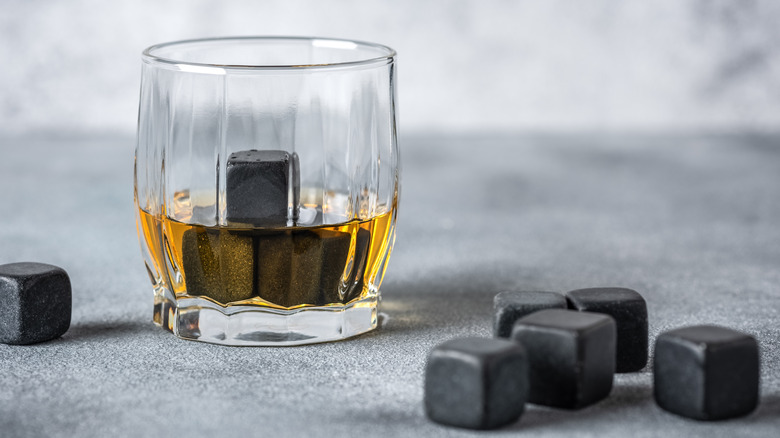
While whiskey might help you unwind, there's a flip side. Excessive consumption can lead to serious health issues, like liver damage and increased cancer risk. You're probably thinking, "How much is too much?" Well, the NHS recommends men limit themselves to 3-4 units per day (about 1-2 pegs of whiskey).
Liver Damage and Cancer Risks
Heavy drinking can cause inflammation and scarring in your liver, potentially leading to cirrhosis or liver cancer. A study by the American Cancer Society found that even moderate drinking (1-2 drinks per day) increases your risk of certain cancers, like breast and liver cancer.
Pregnant women, listen up: whiskey is a big no-no. Drinking during pregnancy can lead to fetal alcohol spectrum disorders and other complications. Certain individuals, like those with liver disease or taking specific medications, should also steer clear.
Medication Interactions and Other Concerns
Whiskey can interact with medications like sedatives, antidepressants, and blood thinners, making them less effective or increasing side effects. If you're on any meds, chat with your doctor before you pour that nightcap. Other health conditions, like sleep apnea or acid reflux, can also be worsened by whiskey.
- Liver damage and increased cancer risk
- Pregnancy complications and fetal harm
- Medication interactions and side effects
- Exacerbating existing health conditions
It's clear that whiskey can be a double-edged sword. While it might help with sleep, the risks are real. Knowing your limits and drinking responsibly is key.
A Balanced Approach to Whiskey Consumption
So, you're wondering if you can still enjoy that nightcap without compromising your health? The good news is, moderate whiskey consumption can be part of a healthy lifestyle. The key is to keep it in check - limit yourself to 1-2 drinks per day if you're a man, and 1 drink per day if you're a woman. That's about 30-60 ml of whiskey, depending on the pour.
Make Informed Choices
Not all whiskeys are created equal. When selecting a dram, opt for varieties with high antioxidant content and low sugar levels. Single malts like Glenfiddich or Glenlivet are good options, with antioxidants like ellagic acid that can help combat oxidative stress. On the other flip side, be mindful of blended whiskeys with added flavorings or sweeteners that can negate potential benefits.
If you're concerned about how whiskey might interact with your health or medications, consult a doctor. They can provide personalized guidance based on your specific needs. For most people, moderate whiskey consumption isn't a health hazard, and might even offer some benefits - but everyone's different.
The takeaway? Enjoy whiskey responsibly, savor the flavor, and prioritize your well-being. As the old saying goes, "Everything in moderation, including moderation." Cheers to that!










Comments ()