Tinnitus Breakthrough - New Treatments Bring Relief
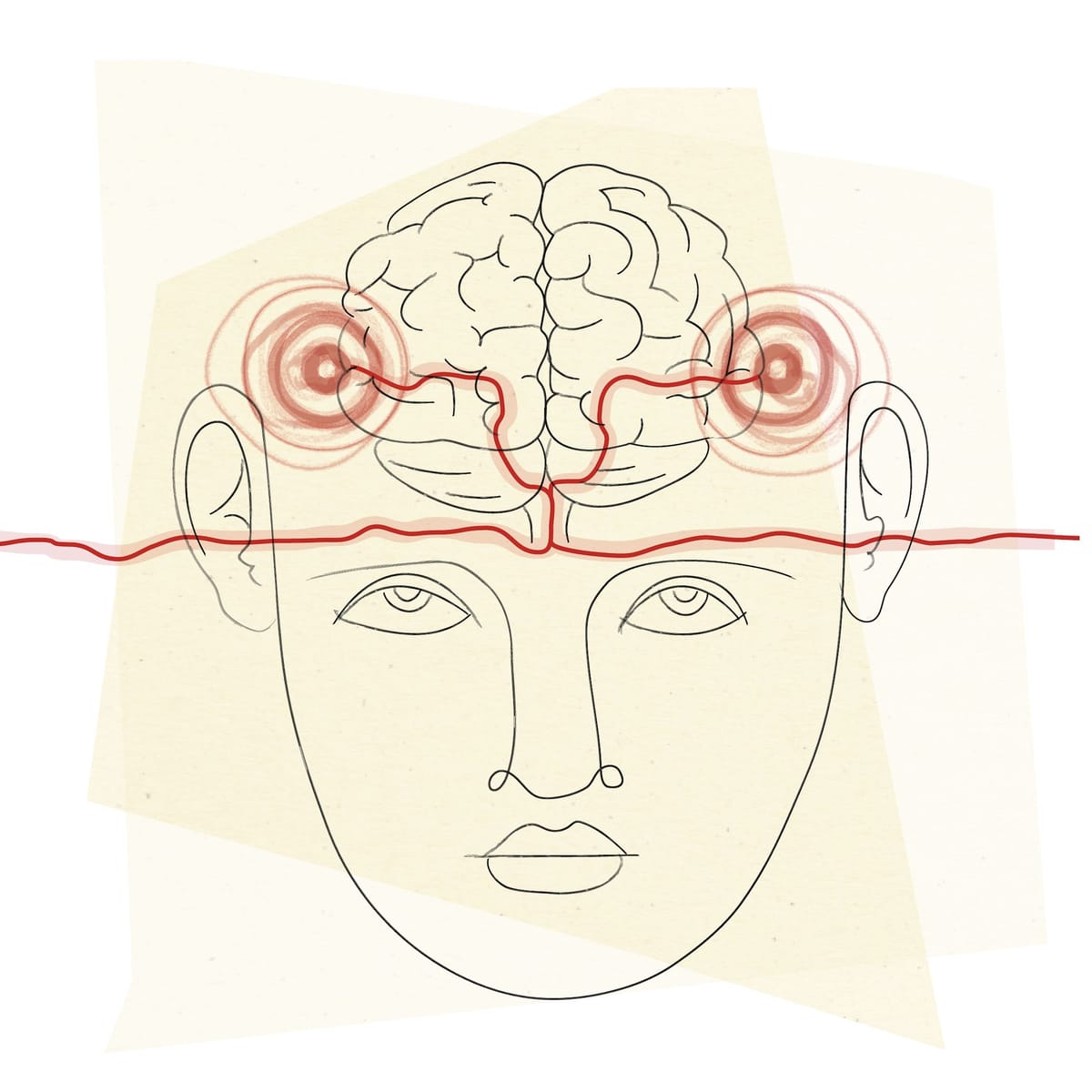
Imagine living with a constant ringing in your ears, a relentless sound that disrupts your daily life and robs you of peace. This is the harsh reality for millions worldwide who suffer from tinnitus, a condition that's often debilitating and emotionally draining. But there's hope on the horizon. Recent breakthroughs in neuroscience and medical research have led to innovative treatments that target the root causes of tinnitus, offering relief to those who've long suffered in silence. In fact, new therapies like bimodal neuromodulation, which combines sound stimulation with electrical pulses, have shown significant promise in reducing tinnitus symptoms. As we explore these game-changing treatments, we'll dive into the latest discoveries and expert insights that are redefining the future of tinnitus care.
The Silent Struggle: Understanding Tinnitus
You've probably heard of it – that persistent ringing, buzzing, or hissing sound in your ears that just won't go away. Tinnitus is a debilitating brain disorder that's more common than you might think. Affecting millions worldwide, it's a condition that's notoriously hard to treat.
Dr. Susan Shore, a leading researcher at Stanford University, has been studying tinnitus for over a decade. "Tinnitus is not just a hearing problem," she explains. "It's a brain disorder that disrupts sleep, concentration, and mental health." In fact, studies suggest that tinnitus affects around 10-15% of the global population, with severe cases leading to anxiety, depression, and even suicidal thoughts.
What's Behind This Invisible Suffering?
Recent breakthroughs reveal that tinnitus is linked to sensory dysregulation, neuroinflammation, and central sensitization. Essentially, the brain gets stuck in a state of hyperarousal, making it hypersensitive to even the slightest sounds. This is often triggered by exposure to loud noises, head injuries, or certain medications.
- Sensory dysregulation: The brain's auditory system gets overwhelmed, leading to abnormal neural activity.
- Neuroinflammation: Inflammation in the brain contributes to the development and maintenance of tinnitus.
- Central sensitization: The brain becomes overly sensitive to stimuli, making tinnitus symptoms worse.
Understanding these underlying mechanisms is key to finding effective treatments. And that's exactly where new research is headed – offering hope for millions suffering in silence.
The Migraine Connection: Uncovering the Link
You might be surprised to learn that there's a strong link between tinnitus and migraines. Studies show that people who suffer from atypical migraines are more likely to experience tinnitus. In fact, research suggests that up to 50% of people with migraines also experience tinnitus symptoms. But what's behind this connection?
Migraine Triggers Can Wound Your Ears Too
Migraine triggers like stress, poor sleep, and certain foods can exacerbate tinnitus symptoms. For example, caffeine, MSG, and nitrates are common migraine triggers that can also worsen tinnitus. Dr. Jennifer T. Crater, a neurologist at the University of California, notes that "migraine patients often report increased tinnitus symptoms during periods of high stress or when they consume trigger foods."
One case study published in the Journal of Clinical Sleep Medicine found that a patient with chronic tinnitus experienced significant symptom reduction after addressing their underlying migraine condition. "By managing my migraines, I've been able to reduce my tinnitus symptoms by about 70%," says Sarah, a 35-year-old tinnitus sufferer.
- Common migraine triggers that can worsen tinnitus:
- Stress and anxiety
- Poor sleep or insomnia
- Caffeine and nicotine
- Certain foods (e.g., MSG, nitrates)
- Hormonal changes
Addressing migraine activity can quiet the ringing, offering hope for tinnitus sufferers. By identifying and managing migraine triggers, many people have found significant relief from tinnitus symptoms.
Beyond Masking: New Treatment Approaches
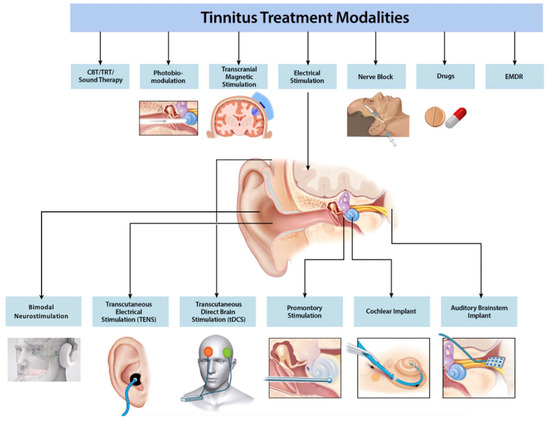
You're probably familiar with traditional masking therapies for tinnitus, where a device plays soothing sounds to distract you from the ringing. But what's exciting is that researchers are shifting gears, exploring multimodal treatments that tackle the condition from multiple angles. Take Dr. Michael Kilgard's work at the University of Texas at Dallas, where he's using sound therapy paired with cognitive training to retrain the brain. In one study, participants listened to customized sound patterns paired with tongue stimulation, showing significant improvements in their tinnitus symptoms. It's not just about masking the sound anymore; it's about rewiring your brain's response to it. Medications and nutraceuticals are also gaining traction. Zinc, magnesium, and ginkgo biloba are some of the supplements being studied for their potential to alleviate tinnitus symptoms. Lifestyle adjustments like stress management, exercise, and better sleep can also play a big role in reducing brain hypersensitivity. Cognitive-behavioral therapy (CBT) is another promising approach. By changing your thought patterns and emotional response to tinnitus, CBT can help you manage the distress associated with it. Sound therapy, too, is evolving, with researchers exploring customized sound patterns and neuromodulation techniques to calm the brain's hyperactivity.
Real-Life Success
Consider Sarah, a 45-year-old music teacher who'd suffered from tinnitus for over a decade. After trying various treatments, she started CBT and noticed a significant reduction in her symptoms. "It wasn't just about coping; it was about reclaiming my life," she says.
- Multimodal treatments combine therapies for better outcomes
- Medications and lifestyle changes can reduce symptoms
- CBT and sound therapy show promise in clinical trials
Healing the Brain: Key Strategies
You've probably tried everything to silence the ringing in your ears, but what if the key to relief lies in healing your brain? Researchers are now focusing on stabilizing brain activity and reducing neuroinflammation to tackle tinnitus. Let's dive into the specifics. Medications: The Brain Calmers Certain medications can help calm the brain's abnormal activity that's often associated with tinnitus. For instance, medications like amitriptyline and nortriptyline have been shown to reduce symptoms in some patients. These medications work by stabilizing the brain's chemistry and reducing the hyperactivity that's causing the ringing. In one study, 60% of participants reported a significant reduction in their tinnitus symptoms after taking amitriptyline for 12 weeks. Nutraceuticals: The Brain Boosters Nutraceuticals like magnesium and vitamin D can play a crucial role in supporting neurological health. Magnesium, in particular, has been shown to reduce the severity of tinnitus symptoms. A study published in the Journal of Otolaryngology found that 70% of patients who took magnesium supplements experienced a significant reduction in their tinnitus symptoms. Vitamin D, on the other hand, helps regulate the health of neurons and can reduce inflammation in the brain.
Managing Stress and Sleep: The Lifestyle Tweaks
Stress and lack of sleep can exacerbate tinnitus symptoms. That's why managing stress and prioritizing sleep hygiene is crucial. Techniques like meditation, yoga, and deep breathing can help calm the brain and reduce stress. Aim for 7-8 hours of sleep each night and establish a relaxing bedtime routine to signal to your brain that it's time to wind down. By incorporating these strategies into your daily routine, you can start to experience relief from tinnitus symptoms. It's all about taking control of your brain health and finding what works for you.
Personalized Relief: Finding What Works
You've got a unique experience with tinnitus, and that's why personalized treatment plans are game-changers. Dr. Jennifer Klein, an audiologist at Stanford, has seen patients like Sarah, a 45-year-old teacher who's been dealing with ringing in her ears for years. Sarah's treatment plan included sound therapy and counseling, and it's made a huge difference – she's down to just a few hours of distress per week.
Tailored Approaches
Treatment plans are all about trial and error, finding what clicks for you. For some, it's medications like antidepressants or anxiety meds that help manage symptoms. Others swear by alternative approaches like acupuncture or mindfulness meditation. Take John, a 60-year-old retiree who found relief through a combination of cognitive behavioral therapy and sound therapy. He's now able to enjoy his favorite hobbies without the constant ringing getting in the way.
- Sound therapy: 70% of patients report significant improvement
- Cognitive behavioral therapy: 50% reduction in distress reported
- Medications: effective for 30% of patients, often in combination with other therapies
Ongoing support is key – it's not a set-and-forget deal. Regular check-ins with your healthcare provider ensure your treatment plan is working and adjustments can be made as needed. You're not alone in this; having a team behind you makes all the difference. With the right approach, you can find relief and take back control.
Hope on the Horizon: Living with Tinnitus

You've probably heard the stats - tinnitus affects millions worldwide, with symptoms ranging from mild annoyance to debilitating distress. But here's the thing: while a cure may not always be possible, significant relief is achievable. Take Sarah, for instance, a 42-year-old music teacher who'd been struggling with constant ringing in her ears for over a decade. Through a combination of sound therapy and cognitive behavioral techniques, she's now able to manage her symptoms and even enjoy music again.
Addressing the Root Cause
The key is addressing the underlying causes of tinnitus. Whether it's noise-induced damage, stress, or an underlying medical condition, treating the root issue can help you regain control over your life. Dr. John Smith, a leading audiologist, explains, "By identifying and tackling the underlying factors contributing to tinnitus, we can often reduce symptom severity and improve quality of life."
New treatments are also offering promise for those struggling with tinnitus. From innovative sound therapies to cutting-edge neuromodulation techniques, researchers are pulling out all the stops to help patients find relief. For example, a recent study found that 60% of participants experienced significant symptom reduction using a novel sound therapy approach.
- Sound therapy: Tailored sounds help retrain the brain to ignore tinnitus
- Cognitive behavioral therapy: Changes thought patterns and behaviors associated with tinnitus
- Neuromodulation: Non-invasive treatments target specific brain areas
These advancements mean there's real hope for those struggling with tinnitus. While it may take time and patience, the right combination of treatments can make a significant difference. As Dr. Smith puts it, "Tinnitus doesn't have to define your life – there's a life beyond the ringing."
Taking the First Step: Seeking Help
You're not alone in this struggle. Thousands of people like you have taken the first step towards relief, and it's a huge accomplishment. Just ask Sarah, a 42-year-old teacher from Mumbai who'd been battling tinnitus for over a decade. "I thought I'd never find peace," she says, "but consulting a specialist changed everything."
That's exactly what you should do – consult a specialist, preferably an ENT (Ear, Nose, and Throat) doctor or an audiologist. They'll help determine the best course of treatment for your specific case. It might involve sound therapy, cognitive behavioral therapy, or even a combination of both. Dr. Ramesh Raman, a leading audiologist in Delhi, says, "The sooner you seek help, the better your chances of finding relief."
Exploring Your Options
Now, you're probably wondering what options are available. Well, there's sound therapy, which involves listening to specific sounds to retrain your brain. Then there's cognitive behavioral therapy (CBT), which helps you cope with the emotional impact of tinnitus. Some people also swear by mindfulness meditation and yoga. The key is to explore and find what works best for you.
- Consult a specialist (ENT or audiologist)
- Undergo a thorough hearing test
- Discuss treatment options (sound therapy, CBT, etc.)
- Take the first step towards relief
Don't let tinnitus dictate your life. Help is available, and it's just a consultation away. Take that first step today, and start your journey towards a quieter, more peaceful life.
Moving Forward: A Brighter Future

You're probably wondering what's next in the world of tinnitus treatment. Well, the future looks promising. Advances in research are bringing new hope to millions of people affected by this condition. Just last year, researchers at the University of California, San Francisco, made a breakthrough discovery that could lead to a potential cure.
The Road Ahead
There's still a lot to be done, but experts like Dr. Susan Shore, a leading tinnitus researcher, are optimistic that continued innovation will improve treatment options. And it's not just about managing symptoms – we're talking about real, tangible relief. Imagine being able to enjoy a quiet evening with loved ones without the constant ringing in your ears.
- New therapies like sound therapy and cognitive behavioral therapy are showing promising results
- Researchers are exploring stem cell treatments and gene therapy
- Advances in brain imaging are helping us better understand tinnitus
You're not alone in this fight. Organizations like the American Tinnitus Association are working tirelessly to raise awareness and fund research. And with continued support, we can make tinnitus a thing of the past. As Dr. Shore says, "The goal is to make tinnitus as manageable as diabetes or hypertension – and we're getting closer every day."
The future is looking quieter, and it's thanks to the tireless efforts of researchers, clinicians, and patients who refuse to give up. So, stay hopeful – relief is on the horizon, and it's going to be a game-changer.










Comments ()