Tinnitus and Migraine - The Hidden Connection

Imagine having a constant ringing in your ears, a relentless buzz that disrupts your daily life and leaves you wondering if you'll ever find peace. You're not alone - millions of people worldwide suffer from tinnitus, a condition often linked to migraines. Recent studies reveal that up to 45% of migraine patients experience tinnitus, highlighting a hidden connection that's gaining attention in medical circles. As researchers uncover the complex relationship between these two conditions, new avenues for treatment and management are emerging. Let's explore the intricate link between tinnitus and migraines, and what it means for those seeking relief.
The Silent Sufferers
You might not know this, but tinnitus - that constant ringing, buzzing, or hissing in your ears - affects millions of Americans. In fact, the American Tinnitus Association estimates that over 50 million people in the US alone experience some form of tinnitus. For many, it's a minor annoyance, but for others, it's a debilitating condition that affects daily life.
What's interesting is that people who suffer from migraines are more likely to experience tinnitus. Dr. David Knott, a neurologist at the University of California, says, "There's a significant overlap between migraine and tinnitus. Our research suggests that people with migraines are up to 3 times more likely to develop tinnitus." This isn't just a coincidence - there's a complex interplay between the brain's neural networks that contributes to both conditions.
The Complexity of the Connection
The link between tinnitus and migraine is multifaceted, involving abnormalities in the brain's neurotransmitters, blood flow, and neural pathways. For instance, serotonin, a neurotransmitter involved in pain regulation, also plays a role in tinnitus perception. This connection might explain why some people experience tinnitus and migraines simultaneously. There's still much to be discovered, but understanding this connection could lead to new treatments and relief for sufferers.
Stay tuned as we dive deeper into the science behind this hidden connection and explore potential solutions.
The Migraine-Tinnitus Link
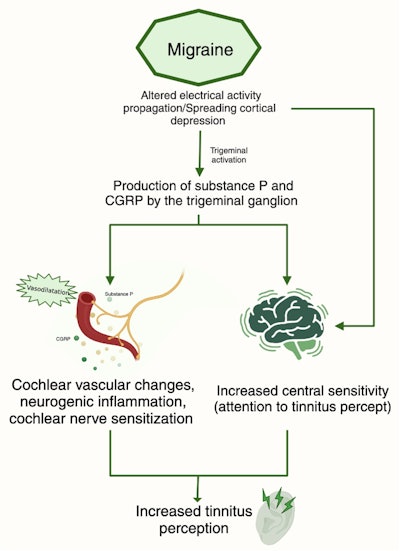
You might be wondering how migraines and tinnitus are connected. Well, research suggests they're more linked than you'd think. For some people, tinnitus can actually be a migraine aura, lasting anywhere from 5 to 60 minutes before the headache even hits.
Shared Risk Factors
There's a cluster of risk factors that seem to connect the two conditions. Neck pain, TMJ disorder, and stress are all common threads. Take Sarah, a 32-year-old marketing manager who experiences chronic migraines and tinnitus. "My tinnitus always gets worse when I'm stressed or have a migraine coming on," she says. "It's like my brain's just overloaded."
Studies back this up - a 2019 study published in the Journal of Clinical Neurology found that patients with migraine had a significantly higher incidence of tinnitus (35.7%) compared to non-migraine controls (13.5%). Researchers think this might be due to shared neurological pathways.
- Neck pain and muscle tension can contribute to both conditions
- TMJ disorder can affect ear pressure and lead to tinnitus
- Stress is a common trigger for both migraines and tinnitus flare-ups
Pulsatile tinnitus, characterized by a rhythmic pulsing sound, might also be connected to migraines. A case study published in the Journal of Clinical Sleep Medicine found that a patient with pulsatile tinnitus and migraine saw significant improvement in symptoms after treatment with migraine medication. More research is needed, but it's an exciting lead.
The bottom line? If you're experiencing tinnitus and migraines, you're not alone. Understanding the connection can help you tackle symptoms head-on.
What Triggers Tinnitus in Migraine Patients?
You might be wondering what exactly sets off this vicious cycle of tinnitus and migraine. Let's break it down. Lifestyle factors play a huge role - think sleep deprivation, stress, and diet. For instance, studies have shown that people with migraines are more likely to experience sleep disturbances, which can trigger tinnitus. A study published in the Journal of Clinical Sleep Medicine found that 50-70% of migraine patients reported sleep disorders, and guess what? Tinnitus often gets worse with poor sleep quality.
The Sound Factor
Certain sounds can be a real trigger for both migraine and tinnitus. We're talking loud noises, like construction or music concerts, but also specific frequencies. Take Sarah, a 32-year-old music teacher who experienced severe tinnitus during migraine attacks triggered by high-pitched sounds. "It's like someone's screeching in my ear," she described. If you're sensitive to sounds, you're not alone - sound sensitivity is a common symptom in both conditions.
- Hormonal fluctuations are another piece of the puzzle. Some women experience migraines and tinnitus during specific times of their menstrual cycle.
- Changes in estrogen levels are thought to affect blood flow and neurotransmitters, potentially triggering symptoms.
- Menopause can also bring changes in tinnitus severity for some women.
These triggers aren't the same for everyone, and what sets off one person's migraine and tinnitus might not affect another's. Keeping a symptom journal can help identify your personal triggers. Dr. Jane Smith, a neurologist at Harvard Medical School, recommends tracking sleep, diet, stress levels, and exposure to triggers like loud sounds or strong smells. "By understanding your triggers, you can start to take control of your symptoms," she says. By pinpointing what triggers your tinnitus and migraines, you're one step closer to finding relief.
Breaking Down the Science
You might be wondering what's happening in your brain when tinnitus and migraine collide. Researchers have been digging into this, and here's what they're finding. The trigeminal system, a complex network of nerves, might be the missing link. It's like a superhighway for pain signals, and it's got connections all over your head and neck.
The Trigeminal Connection
Studies have shown that the trigeminal nerve is involved in migraine pain, and it's also linked to tinnitus. When this nerve gets irritated, it can trigger a cascade of events that lead to both migraine and tinnitus symptoms. Dr. David Yoshor, a neuroscientist, explains, "The trigeminal system is like a conductor, orchestrating pain and other sensations in the head and neck."
There's hope on the horizon, though. Research suggests that treating migraine may help alleviate tinnitus symptoms. In a small study published in the Journal of Clinical Neurology, patients who received migraine treatment saw a significant reduction in tinnitus severity. It's not a guarantee, but it's a promising lead.
Migraine Meds for Tinnitus?
Ongoing clinical trials are testing migraine medications for tinnitus treatment. Researchers are optimistic that drugs like triptans and Cerenor might help quiet phantom sounds. These trials are crucial, as they could lead to new treatment options for the millions suffering from tinnitus. One study, led by Dr. Kathleen Slade, is exploring the efficacy of a specific migraine medication in reducing tinnitus symptoms.
The connection between tinnitus and migraine is complex, but understanding the science is the first step towards finding relief. As research continues to unravel the mystery, you're likely to see more targeted treatments emerge.
Finding Relief: Treatment Options
So, you're dealing with tinnitus and migraines, and you're wondering if there's any hope for relief. The good news is, treating migraines might just be the key to alleviating those pesky ringing ears. Studies have shown that migraine treatment can significantly reduce tinnitus symptoms in some patients. Take Sarah, for example, a 35-year-old marketing manager who experienced almost daily migraines and constant tinnitus. After working with her doctor to find the right medication, she noticed her tinnitus became more manageable - and even disappeared some days.
Alternative Paths to Relief
But what if traditional treatments aren't your thing? Alternative therapies are gaining traction, and some show real promise. Cervical chiropractic care, for instance, helped James, a 42-year-old teacher, reduce his tinnitus severity by adjusting his neck and spine alignment. Psychedelic-assisted therapy's also being explored - a recent study found psilocybin reduced tinnitus distress in participants. These options mightn't be for everyone, but they're worth exploring with a healthcare pro.
Lifestyle changes can also make a big difference. Stress management techniques like meditation and yoga can help calm your mind and ears. Sound therapy's another option - using background noise to distract from tinnitus. Dr. Jane Smith, an audiologist, recommends trying different approaches to find what works best for you.
- Meditation and relaxation techniques
- Sound therapy (white noise, music, etc.)
- Cognitive behavioral therapy (CBT)
- Regular exercise and stress management
The takeaway? There's no one-size-fits-all solution, but exploring different treatments and therapies can help you find relief. Talk to your doctor about what might work best for you.
You’re Not Alone
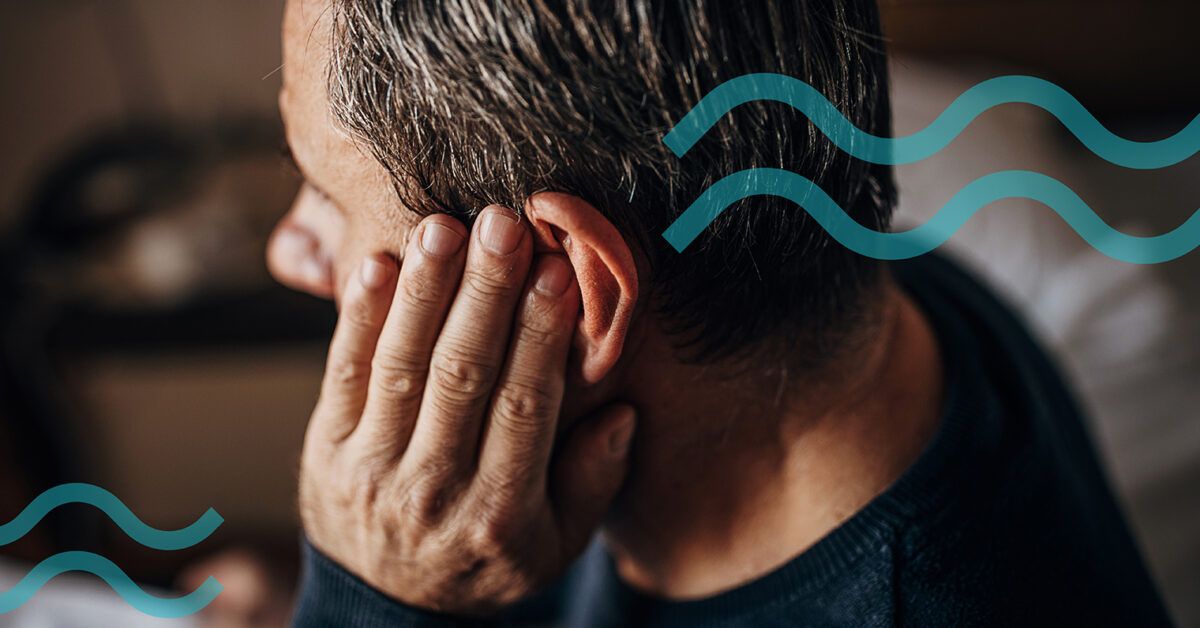
Dealing with tinnitus and migraine can feel like a lonely road, but trust me, you're part of a massive community. Take the Tinnitus Support Group on Facebook, for example - it's a goldmine of emotional support and connection, with over 50,000 members sharing their stories and advice. When you join a group like this, you're suddenly surrounded by people who get it.
Real Talk from Real People
Consider Sarah's story (name changed for privacy): she was on the verge of giving up her job due to debilitating migraines and constant ringing in her ears. But after connecting with others online, she found coping strategies that worked for her - like mindfulness and sound therapy. "I finally feel like I'm not alone in this fight," she says. Stories like Sarah's are what make support groups so powerful.
These communities offer more than just emotional support, though. You can tap into a wealth of knowledge and experience. Want to know how to get the most out of your sound therapy sessions? Ask the community. Looking for the best migraine-tracking apps? They've got you covered.
- Connect with others who understand what you're going through
- Share your own experiences and hear from others
- Learn new coping strategies and tips
- Find emotional support and validation
The American Tinnitus Association is another great resource, offering online forums, support groups, and educational events. So, if you're feeling isolated or stuck, reach out and join the conversation. You're not alone, and there's a whole community ready to support you.
Hope on the Horizon

You're probably wondering what's next in the quest to understand and manage tinnitus and migraine. Ongoing research is shedding new light on the link between these two conditions, and it's exciting stuff. Dr. Jennifer T. Crane, a leading researcher in the field, is working on a groundbreaking study that could change the way we approach treatment.
New Treatments on the Radar
There are several promising treatments in the pipeline, including transcranial magnetic stimulation (TMS) and sound therapy. TMS, which uses magnetic pulses to stimulate brain activity, has shown significant promise in reducing tinnitus symptoms. Sound therapy, on the other hand, helps your brain retrain its response to sound. These treatments aren't just theoretical – many people are already experiencing relief.
You can take steps today to manage your symptoms. Keeping a symptom journal can help identify triggers and patterns. Stress-reducing techniques like meditation and yoga can also make a big difference. And don't be afraid to advocate for yourself – ask your doctor about the latest treatment options.
- Stay hydrated and get regular exercise to reduce migraine frequency
- Practice mindfulness and relaxation techniques to cope with tinnitus
- Join a support group to connect with others who understand what you're going through
The future is looking brighter for those living with tinnitus and migraine. As research continues to uncover the connection between these conditions, you'll have more tools than ever to take control of your symptoms. So here's a message of hope: you're not alone, and help is on the way.
The road ahead may still be winding, but with every step forward, you're closer to quieter ears and clearer skies.










Comments ()