The 3 A.M. Wake-Up Call - Uncovering the Science Behind Sleep Interruptions
It's 3 A.M., and you're jolted awake by an inexplicable surge of alertness – sound familiar? You're not alone. Recent studies suggest that nearly 1 in 3 people experience frequent sleep interruptions, leaving them drained and wondering what's behind these mysterious midnight wake-up calls. As our lives get busier and screens brighter, understanding the science behind sleep disruptions has become a pressing concern. From hormonal fluctuations to environmental factors, experts are digging deeper to uncover the hidden triggers that disrupt our slumber. Let's dive into the fascinating world of sleep science to explore what wakes us up in the dead of night.
The Midnight Wake-Up
You're probably familiar with the dreaded 3 A.M. wake-up call. One minute you're dreaming about your next big project or a beach vacation, and the next, you're wide awake, staring at the ceiling, wondering what just happened. It's like your brain decided to throw a party, and you're the guest of honor. But what's behind these nocturnal interruptions? Let's dive in. Your body operates on a natural sleep-water clock, governed by the suprachiasmatic nucleus (SCN), a tiny region in the brain. The SCN responds to light and dark signals, regulating your sleep-wake cycle, also known as the circadian rhythm. Typically, you cycle through three stages of non-rapid eye movement (NREM) sleep and one stage of rapid eye movement (REM) sleep, repeating this pattern every 90-120 minutes. However, it's during the lighter stages of sleep that you're more likely to wake up, often around the 3 A.M. mark. So, what's causing these wake-ups? Stress and anxiety can be major culprits, triggering your body's stress response and releasing cortisol, a hormone that can make you feel alert and awake. Other common causes include sleep disorders like insomnia or sleep apnea, an uncomfortable sleep environment, or even that extra cup of coffee after dinner. According to Dr. Matthew Walker, a renowned sleep researcher, "Sleep is a biological necessity, and disrupting it can have serious consequences for your physical and mental health." The impact of these sleep interruptions can be significant. Waking up at 3 A.M. can lead to fatigue, decreased productivity, and a general feeling of grumpiness the next day. In fact, studies suggest that chronic sleep deprivation can affect your mood, cognitive function, and even your immune system. Not exactly what you want to deal with, right?
Common Causes of 3 A.M. Wake-Ups
- Stress and anxiety
- Sleep disorders (insomnia, sleep apnea)
- Caffeine and heavy meals before bedtime
- Uncomfortable sleep environment
- Underlying medical conditions
Circadian Rhythms and Sleep Patterns
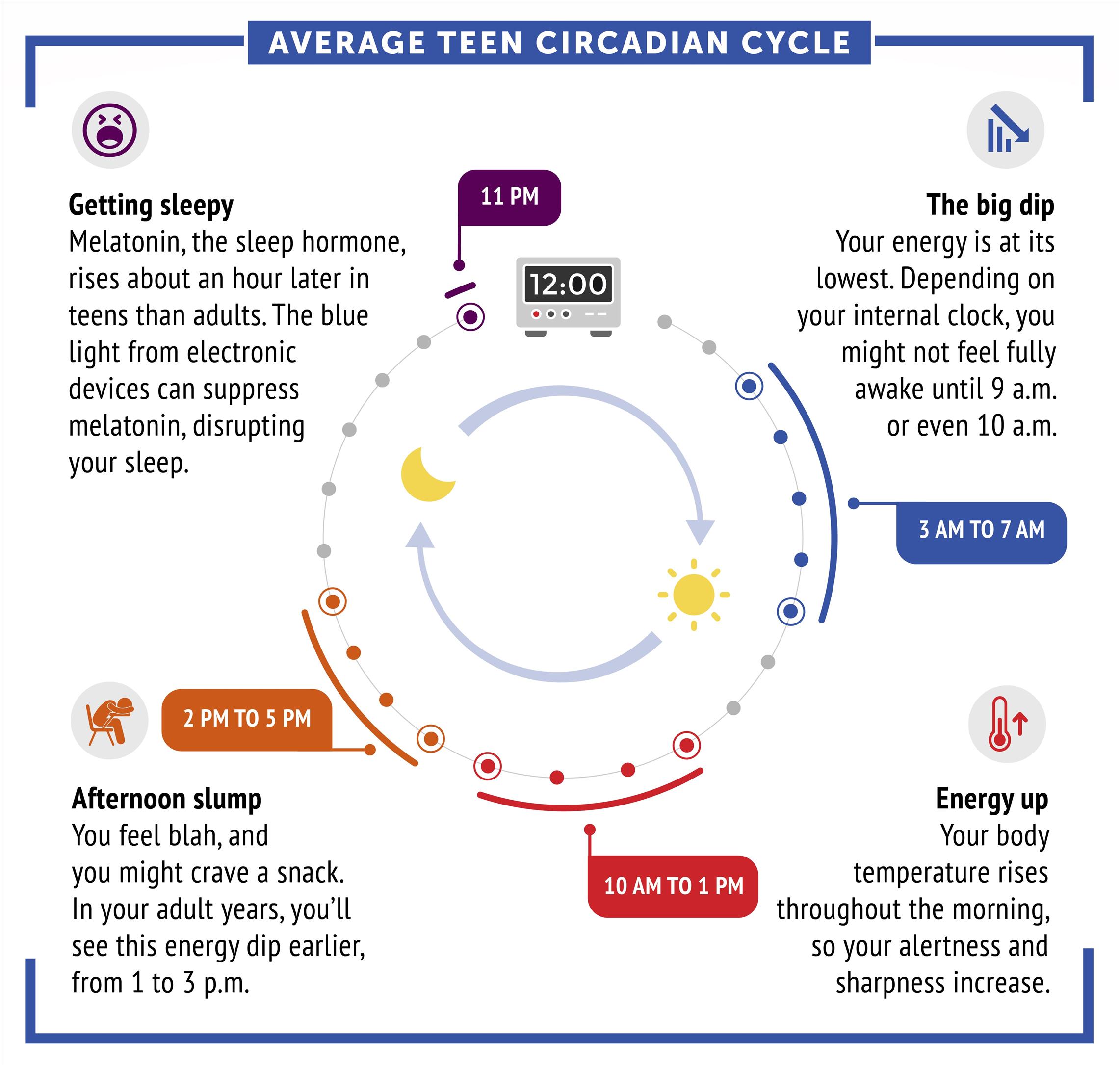
Your body's internal clock is like a master conductor, orchestrating your sleep-water cycles, hormone release, and even body temperature. It's called the circadian rhythm, and it's regulated by a tiny group of cells in your brain called the suprachiasmatic nucleus (SCN). The SCN responds to light and dark signals from the environment to keep your bodily functions in sync.
The Melatonin Connection
Meet melatonin, the sleep hormone. It's produced by the pineal gland, and its levels typically rise around 8-9 PM, peak around 2-3 AM, and drop by dawn. This natural surge is what makes you feel sleepy at night and alert in the morning. But here's the thing: artificial light, especially blue light from screens, can suppress melatonin production, making it harder to fall asleep. Research shows that exposure to blue light can delay melatonin release by up to 3 hours.
Let's look at a real example. Dr. Michael Grandner, a sleep expert at the University of Arizona, studied the sleep patterns of teenagers and found that those who read on tablets before bed took longer to fall asleep and had poorer sleep quality compared to those who read print books. The culprit? Blue light from the tablets suppressed melatonin production, disrupting their natural sleep-water cycle.
Syncing Your Sleep Schedule
So, how can you work with your circadian rhythm instead of against it? Here are a few tips:
- Get morning sunlight exposure to regulate your SCN
- Gradually adjust your sleep schedule by 15-30 minutes every few days if needed
- Avoid screens for at least an hour before bedtime or use blue light filtering glasses/apps
- Establish a consistent sleep schedule, even on weekends
By working with your body's natural rhythms, you can improve sleep quality and wake up feeling refreshed. Just ask anyone who's mastered the art of syncing their sleep schedule – it's a game-changer.
Stress and Anxiety: The Sleep Thieves
You wake up at 3 A.M., and your mind starts racing. Thoughts like "What's the big meeting tomorrow?" or "Did I forget to pay that bill?" swirl in your head, making it impossible to fall back asleep. This is a common scenario for many, and it's rooted in how stress and anxiety disrupt your sleep patterns.
When you're stressed or anxious, your body's "fight or flight" response kicks in, releasing cortisol, the stress hormone. Cortisol is like a red alert system, making you more alert and awake. Research shows that people with high stress levels have higher cortisol levels at night, which directly impacts sleep quality. Dr. Andrew Huberman, a neuroscientist at Stanford, explains that even mild stress can disrupt deep sleep phases, making you more likely to wake up in the middle of the night.
Common Stressors That Can Wake You Up
- Work-related pressures or looming deadlines
- Financial worries, like pending bills or debt
- Relationship issues, whether personal or professional
- Health concerns, yours or a loved one's
Take Sarah, a 32-year-old marketing manager who wakes up every night around 3 A.M., worrying about her team's upcoming campaign. Her mind starts racing with worst-case scenarios, and sleep becomes a distant dream. Sound familiar?
Managing stress and anxiety before bed is crucial. Strategies like journaling, meditation, or even a short walk can help calm your mind. Apps like Headspace or Calm offer guided relaxation sessions specifically designed for nighttime. Establishing a bedtime routine signals your brain that it's time to wind down, helping reduce those 3 A.M. wake-up calls.
Sleep Environment and Lifestyle Factors

Your sleep environment and lifestyle habits can either make or break your sleep quality. Let's face it, you've probably had nights where you couldn't sleep because of a noisy neighbor or a partner who snores like a chainsaw 😴. Creating a sleep-conducive environment is crucial. This means keeping your bedroom cool, dark, and quiet. Invest in blackout curtains, earplugs, or a white noise machine if needed. The National Sleep Foundation recommends keeping your bedroom between 15°C to 19°C for optimal sleep.
The Impact of Lifestyle Habits on Sleep Quality
Your daily habits can significantly impact your sleep quality. For instance, did you know that exposure to screens before bed can suppress melatonin production? The blue light emitted from phones, tablets, and computers can trick your brain into thinking it's still daytime, making it harder to fall asleep. Try reading a book or practicing relaxation techniques like deep breathing or meditation instead. Regular exercise can also improve sleep quality, but avoid vigorous workouts within a few hours of bedtime as they can stimulate your body.
Caffeinated drinks are another culprit when it comes to sleep disruptions. A study by the American Academy of Sleep Medicine found that consuming caffeine even six hours before bedtime can disrupt sleep. And it's not just coffee – be mindful of hidden sources like chocolate, tea, and some medications.
Tips for Improving Sleep Hygiene
- Establish a consistent sleep schedule and stick to it, even on weekends.
- Avoid heavy meals close to bedtime and opt for a relaxing bedtime routine instead.
- Get some morning sunlight exposure to regulate your circadian rhythms.
- Avoid screens for at least an hour before bedtime or use blue light filtering glasses or apps.
The Science of Sleep Stages
You've probably heard of REM and non-REM sleep, but did you know that sleep is a complex process with multiple stages? Your brain waves, heart rate, and body temperature all change as you cycle through these stages, typically 4-5 times a night.
The Stages of Sleep
Let's break it down: stages 1 and 2 are light sleep, where you're easily woken up. Stage 3 is deep sleep, also known as slow-wave sleep, where your brain waves slow down and it's harder to wake up. Then there's REM sleep, where dreams happen and brain activity increases.
Research shows that waking up at 3 A.M. often coincides with the transition from deep sleep to REM sleep. Dr. Matthew Walker's studies at UC Berkeley found that this is when cortisol levels can spike, making you more alert. No wonder you're wide awake at 3 A.M.!
Improving Deep Sleep
So, how can you improve your deep sleep and reduce those 3 A.M. wake-ups? Strategies include:
- Sticking to a consistent sleep schedule, like going to bed and waking up at the same time every day
- Creating a sleep-conducive environment, such as keeping your room cool and dark
- Avoiding caffeine and electronics before bedtime, as they can disrupt your sleep patterns
Case in point: a study by the National Sleep Foundation found that people who exercised regularly slept better and had fewer nighttime awakenings. Exercise can help you sleep more soundly, but avoid vigorous workouts before bedtime.
By understanding your sleep stages and implementing these strategies, you'll be snoozing better and waking up feeling refreshed – no more 3 A.M. wake-up calls!
Addressing Underlying Health Issues
If you're waking up at 3 A.M. regularly, there's a good chance it's not just stress or caffeine – it could be your body's way of wiping a red flag. Certain health conditions can disrupt your sleep patterns big time.
Common Culprits
Conditions like sleep apnea, restless leg syndrome, and gastroesophageal reflux disease (GERD) can wake you up in the middle of the night. For instance, a study published in the Journal of Clinical Sleep Medicine found that people with sleep apnea were more likely to experience nocturnal awakenings.
Then there's the impact of chronic pain – conditions like arthritis or fibromyalgia can make it tough to get quality sleep. You're probably familiar with the name Dr. Andrew Weil; he's a pioneer in integrative medicine and sleep research. He often talks about how chronic pain can disrupt sleep patterns.
- Sleep apnea: pauses in breathing disrupt sleep
- Restless leg syndrome: uncomfortable sensations in legs
- GERD: stomach acid reflux causes discomfort
- Diabetes: blood sugar fluctuations can wake you up
- Hyperthyroidism: excess thyroid hormone can disrupt sleep
Medications can also be a factor. For example, beta blockers for high blood pressure, steroids for asthma, and certain antidepressants can mess with your sleep. Always check with your doctor if you suspect meds are the culprit.
When to Seek Help
If you're experiencing persistent sleep issues, don't hesitate to consult a healthcare professional. A study by the Indian Journal of Sleep Medicine highlighted that addressing underlying health issues can significantly improve sleep quality. Don't wait – take control of your sleep health.
You might be wondering, "Is it time to see a doctor?" If you're waking up at 3 A.M. more than 3 times a week, and it's affecting your daily life, that's a good indicator.
Reclaiming Your Sleep
You've made it this far, and now it's time to take back control of your sleep. Developing a bedtime routine is like setting your internal clock to "sleep mode". It's not just about going to bed at the same time every night; it's about creating a calming pre-sleep ritual that signals your body to wind down. Take Dr. Andrew Huberman, a neuroscientist at Stanford, who suggests dimming lights, reducing screen time, and practicing relaxation techniques like deep breathing or meditation to get your body ready for sleep.
Getting Back to Sleep Fast
So, what do you do when you wake up at 3 A.M.? Don't stress about it. Stay calm, and try the "4-7-8" breathing technique: breathe in for 4 seconds, hold for 7, and exhale for 8. This can help calm your nervous system. If that doesn't work, get out of bed and do a quiet activity like reading or listening to calming music. Avoid screens, though – the blue light can mess with your melatonin production.
Creating a sleep-friendly lifestyle is also key. This means sticking to a consistent sleep schedule, even on weekends, and making your bedroom a sleep haven – think dark, quiet, and cool. Regular exercise can help, but avoid vigorous workouts close to bedtime. And watch what you eat: avoid heavy meals, caffeine, and alcohol before bed.
- Stick to a sleep schedule
- Create a relaxing bedtime routine
- Avoid screens before bed
- Watch your diet and exercise
By making these changes, you'll be well on your way to reclaiming your sleep and waking up feeling refreshed.
Waking Up to a Brighter Tomorrow
You've made it to the final stretch! By understanding the science behind sleep interruptions, you're already taking steps towards a better night's sleep. Now, let's look at how you can start your day feeling refreshed and maintain those healthy sleep habits. Addressing sleep interruptions can have a significant impact on your overall well-being. You'll feel more energized, focused, and ready to take on the day. According to the National Sleep Foundation, getting 7-9 hours of sleep each night can improve cognitive function, boost your mood, and even support your immune system. So, how can you start your day on the right foot? Here are a few tips:
When your alarm goes off, take a few deep breaths and stretch. This helps increase oxygen flow and wakefulness. Plus, it's a great way to shake off any morning grogginess. Get some morning sunlight exposure, too - it helps regulate your circadian rhythms and sets you up for a day of alertness.
Maintaining Healthy Sleep Habits
Consistency is key. Stick to a sleep schedule, even on weekends. Yes, it's tempting to sleep in, but consistency will help regulate your body's internal clock. Create a bedtime routine that signals to your brain that it's time to wind down. This could be reading a book, taking a warm bath, or practicing gentle stretches. You can also use technology to your advantage. Apps like Fitbit or Garmin can track your sleep patterns and provide insights into your sleep quality. Some smart light bulbs can even simulate a sunrise, helping to wake you up more naturally. The benefits of healthy sleep habits extend far beyond just feeling rested. You're investing in your physical and mental health, improving your relationships, and boosting your productivity. And let's not forget the best part: you'll be ready to take on whatever the day throws your way. So, what does tomorrow morning look like for you? Will you wake up feeling refreshed, revitalized, and ready to go? You have the power to make it happen.











Comments ()