Tallow Oil - The Renaissance of a Forgotten Fat

In the age of avocado toast and coconut oil mania, it's easy to forget that some of the oldest, most trusted ingredients are making a comeback. Tallow oil, a rendered form of beef fat, is one such unsung hero that's been rediscoverd by chefs, wellness enthusiasts, and eco-conscious cooks alike. With its rich, buttery flavor and impressive sustainability cred - it's biodegradable, non-toxic, and often sourced from regenerative farming practices - it's no wonder that tallow oil is flying off the shelves. In fact, according to a recent report, the global tallow market is expected to grow at a CAGR of 5.5% from 2023 to 2028. But what's behind this beef-fat resurgence, and how can you harness its power in your own kitchen?
The Fall and Rise of Tallow
You probably haven't heard much about tallow lately, but trust me, it's making a comeback. Once upon a time, tallow was a staple in kitchens across the globe - we're talking grandma's flaky biscuits, crispy fries, and succulent roasts. It was the go-to fat for cooking, until suddenly, it wasn't.
In the mid-20th century, the rise of vegetable oils like soybean and canola pushed tallow to the sidelines. Public health campaigns and marketing campaigns villainized saturated fats, labeling them as artery-clogging villains. By the 1980s, tallow had become a culinary relic, a reminder of a bygone era. According to the USDA, beef tallow consumption in the US plummeted from 12 pounds per capita in 1900 to just 1 pound by 2000.
But here's the thing: tallow never really went away. While it may have fallen out of favor with the masses, chefs and health enthusiasts have long recognized its unique benefits. As Dr. Weston A. Price, a renowned nutrition expert, once said, "Tallow is a nutrient-dense food that provides essential fatty acids and fat-soluble vitamins." Today, tallow is experiencing a renaissance, with artisanal producers and farm-to-table restaurants championing its rich flavor and versatility.
The Tallow Revival
So what's driving this revival? For one, there's a growing interest in traditional cooking methods and ancestral diets. People are seeking out whole, unprocessed foods and rediscovering the joys of cooking with animal fats. Additionally, the clean eating movement has led to a renewed interest in natural, sustainable ingredients - and tallow fits the bill.
- Tallow is rich in fat-soluble vitamins A, D, E, and K
- It's a stable cooking fat with a high smoke point
- Tallow is a sustainable byproduct of the meat industry
Nutritional Powerhouse of Tallow
You know what's wild? Tallow, that old-school cooking fat your grandma used to make the crispiest roast potatoes, is making a serious comeback – and for good reason. It's like nature's multivitamin, packed with vitamins A, D, E, K, and B12. We're talking serious nutrient density here, folks! Just 100 grams of tallow gives you a whopping 300% of your daily vitamin A needs, mostly in the form of retinol, the active form that's easily absorbed by your body.
The CLA Connection
But that's not all, tallow's also got conjugated linoleic acid (CLA), a fatty acid that's been shown to have some pretty impressive health benefits. Studies have linked CLA to improved immune function, reduced inflammation, and even potential anti-cancer properties. Now, I'm not saying tallow's a magic bullet, but it's definitely got some serious potential. For example, a 2015 study published in the Journal of Nutrition found that CLA supplementation reduced body fat mass in overweight adults.
Tallow's fatty acid profile is also surprisingly heart-healthy, with a high percentage of monounsaturated fats – we're talking around 40-50% oleic acid, the same stuff that's in olive oil. This helps with better cholesterol profiles and might even improve insulin sensitivity. Plus, it's an excellent source of energy-dense calories, making it a great choice for those looking to boost their energy levels.
- Vitamin A: 300% DV (Daily Value)
- Vitamin D: 100% DV
- Vitamin E: 15% DV
- Vitamin K: 50% DV
- Vitamin B12: 20% DV
Grass-fed beef tallow, in particular, is a nutritional powerhouse, containing a perfect balance of omega-3 and omega-6 fatty acids. It's like a superfood fat, and people are taking notice. With its rich, buttery flavor and impressive nutritional profile, it's no wonder tallow's making a comeback in kitchens and health circles alike.
Culinary Versatility of Tallow
You know what's wild? Tallow's high smoke point - it's like a game-changer, mate! We're talking 420-480°F, which means you can fry, roast, or bake with it, and it'll handle the heat like a pro. Just ask Gordon Ramsay, he's a fan! He uses tallow for his famous triple-cooked chips, and let's just say, they're to die for.
Tallow's not just about heat tolerance, though - it's also a flavor bomb waiting to explode! Add it to your donuts, pie crusts, or fried chicken, and you'll be in for a treat. The rich, meaty flavor it imparts is unmatched, trust me. Think of it like adding a depth of flavor, similar to how a good beef broth elevates your soups and stews.
Now, you might be thinking, "But what about using it in recipes?" Well, tallow's a great substitute for butter or other oils, and it can add a unique twist to your favorite dishes. Take, for example, the classic croissant. Using tallow instead of butter gives it a flaky, crispy texture and a rich, savory flavor that's simply divine. You can also use it for roasting veggies like carrots or Brussels sprouts - it's a total game-changer, I swear!
Real-World Example: Tallow in the Kitchen
Take chef Tom Kerridge, for instance. He swears by tallow for his roast potatoes, and who can blame him? The crispy, crunchy exterior and fluffy interior are absolute perfection. And it's not just about potatoes - tallow can elevate your baked goods, too! Just ask any artisanal baker worth their salt.
- High smoke point (420-480°F) makes it ideal for frying, roasting, and baking
- Adds rich flavor to dishes like donuts, pie crusts, and fried chicken
- Can be used as a substitute for butter or other oils in recipes
Skin and Health Benefits
You've probably heard the buzz about tallow oil's amazing benefits for your skin and overall health. And trust me, it's legit! Tallow oil is packed with fatty acids that support skin health and hydration, making it a game-changer for dry, sensitive skin. In fact, studies have shown that the fatty acid profile of tallow oil is similar to our skin's natural lipids, making it easily absorbed and super nourishing.
Healing from the Inside Out
Tallow oil's anti-inflammatory properties may help reduce inflammation and support immune function, which is amazing news for those dealing with chronic conditions. Plus, it's rich in vitamins A, D, E, and K, which work together to support hormone production and brain health. It's no wonder traditional cultures have been using tallow for centuries to promote overall well-being!
Some specific benefits you can expect from using tallow oil include:
- Improved skin elasticity and hydration
- Reduced inflammation and acne
- Supports wound healing and tissue repair
- Rich in antioxidants to combat oxidative stress
One of the coolest things about tallow oil is its versatility. You can use it as a moisturizer, serum, or even add it to your cooking (more on that later!). Whether you're looking to soothe dry skin or boost your overall health, tallow oil is definitely worth trying.
Real-life example? Actress and wellness enthusiast, Gwyneth Paltrow, swears by tallow oil for her skin. She even uses it as a face mask! Now, that's some high-end endorsement right there.
Sourcing and Quality Matter
When it comes to tallow oil, the quality can vary drastically depending on the sourcing and production process. You're looking for grass-fed, pasture-raised tallow, and here's why: it means the cows are roaming free, munching on fresh grass, and producing milk and meat that's richer in nutrients. Think of it like this - a cow that's been grazing on a diverse pasture is like a multivitamin, packed with vitamins A, D, E, and K, and omega-3s. Brands like Grassland Nutrition and Vital Farms are great examples of companies that prioritize quality sourcing. But, beware of hydrogenated or processed tallow - it's like buying a vitamin that's been sitting on the shelf for years, stripped of its nutritional value. Hydrogenation is a process that makes the oil more shelf-stable, but it's also a red flag for your health. You want to avoid it, just like you'd avoid a dubious-looking food truck. Instead, opt for tallow that's been rendered at a low temperature, preserving its natural goodness. So, where can you find this liquid gold? You can score it at farmers' markets, health food stores, or online from reputable sources. For instance, you can check out Thrive Market or Amazon for a wide range of options. When shopping online, look for certifications like "grass-fed" and "pasture-raised" - they're not just buzzwords, they're a promise of quality.
What to Look for in a Label
When selecting a tallow oil, keep an eye out for these key terms:
- Grass-fed and pasture-raised
- Low-temperature rendering
- No additives or preservatives
- Third-party tested for purity
Dive deeper: [What's the difference between grass-fed and grain-fed tallow?]((link unavailable)) [How to use tallow oil in cooking]((link unavailable)) [Benefits of tallow oil for skin and hair]((link unavailable))
Cooking with Tallow: Tips and Tricks

Now that you've got your tallow stash, let's get cooking! One of the best things about tallow is its high smoke point, making it perfect for high-heat cooking. When you use tallow for searing, roasting, or frying, you're not only adding rich flavor but also preserving its nutritional value. Unlike olive oil, which can become damaged and even toxic when heated to high temperatures, tallow remains stable and healthy.
Try It in Your Baked Goods
You might be surprised to find tallow in the ingredient list of some artisanal bakeries. Tallow adds moisture and a subtle richness to baked goods, like scones, biscuits, and even croissants. Take, for example, the famous Australian biscuit, the ANZAC biscuit – traditionally made with tallow, these sweet treats have a unique depth of flavor. Give it a shot in your favorite shortbread recipe, using about 20-30% tallow and adjusting to taste.
Beyond the Kitchen: Tallow's Hidden Talents
Tallow's uses go way beyond cooking. Many DIY enthusiasts swear by tallow-based skincare products, like soaps and lotions, thanks to its moisturizing and nourishing properties. You can also use tallow as a natural polish for leather goods or as a fire starter for camping trips. The possibilities are endless!
Want more inspo? Here are a few more ideas to get you started:
- Make a hearty Beef Bourguignon with tallow-rendered bacon and crusty bread
- Try tallow-roasted sweet potatoes with rosemary and garlic
- Use tallow to grease your cast-iron skillet for a perfect sear
Whether you're a seasoned chef or a curious cook, tallow's unique flavor and versatility make it an exciting addition to any kitchen. Experiment, have fun, and let us know what you create!
Tallow vs. Other Fats: The Real Showdown
You know how there's always a new superfood or ingredient trend popping up? Well, tallow's been under the radar for too long. Let's pit it against some popular alternatives and see how it stacks up. Compared to lard, tallow's got a milder flavor and a higher smoke point - we're talking around 420°F (220°C) for tallow versus 370°F (185°C) for lard. That makes tallow perfect for searing and frying, like making the crispiest roast potatoes or a killer schnitzel.
High Heat, No Problem
Unlike olive oil, which can get a bit funky when heated too high, tallow's solid at room temp and stable under heat. That's why chefs like Thomas Keller swear by it for roasting and grilling. It's a game-changer for cooking methods that require a bit of brute force. And if you're worried about dairy, grass-fed butter's nice, but tallow's got you covered - it's totally dairy-free, making it a slam dunk for folks with sensitivities.
Here's the thing: tallow's not just a substitute; it's a versatile ingredient in its own right. Take René Redzepi, for example - he uses tallow in his Nordic cuisine to add depth to dishes like braised lamb and crispy pork belly. The point is, tallow brings something unique to the table, and it's worth experimenting with.
- Smoke Point Showdown:
- Tallow: 420°F (220°C)
- Lard: 370°F (185°C)
- Olive Oil: 320°F (160°C)
Bottom line: whether you're cooking up a storm or looking for a dairy-free alternative, tallow's worth a try. It's time to give this forgotten fat some love.
Future of Tallow: Trends and Opportunities
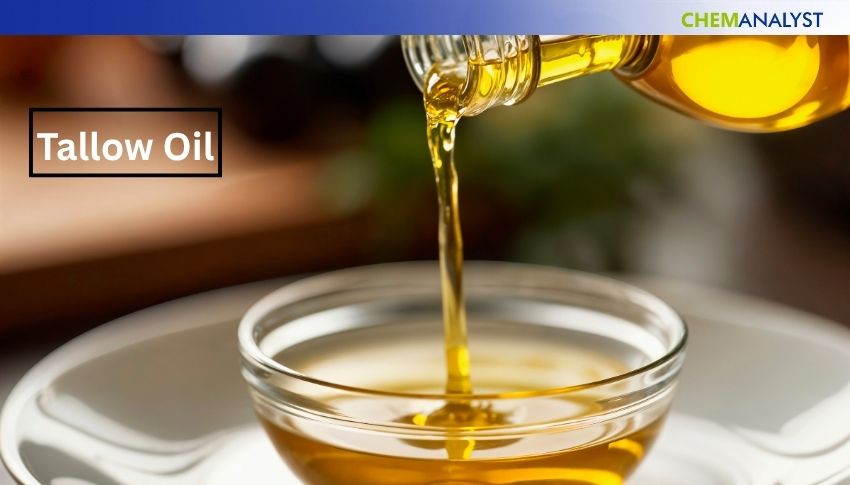
You might've written off tallow as a relic of the past, but it's actually gearing up for a major comeback. With the growing demand for traditional, sustainable food sources, tallow's got a solid foothothold. People are looking for alternatives to industrial seed oils, and tallow's nutrient profile's making it a top contender - it's rich in fat-soluble vitamins A, D, E, and K, and has a high smoke point, making it perfect for high-heat cooking.
Riding the Ancestral Wave
The ancestral and keto diet trends are also giving tallow a boost. People like Kinda Weston and Dr. Weston A. Price are highlighting the benefits of traditional fats, and tallow's getting the spotlight. Expect to see more recipes popping up featuring tallow-roasted veggies and tallow-fried treats. Brands like Epic Provisions and Vital Farms are already incorporating grass-fed tallow into their products, tapping into the $1.2 billion ancestral diet market.
Tallow's not just for cooking anymore; it's got potential in cosmetics and skincare too. Companies like Drunk Elephant and Lulu's are using tallow-derived ingredients for their moisturizing properties. With the global skincare market projected to hit $189 billion by 2025, tallow's got a lucrative opportunity waiting.
- Sustainable food sources: Tallow production uses beef industry byproducts
- Ancestral diets: Keto and paleo communities are driving demand
- Cosmetics: Moisturizing properties make tallow a hit in skincare
The bottom line? Tallow's poised to become a staple in sustainable, traditional living. As Kinda Weston says, "Tallow's the real MVP of the fat world." So, are you ready to give tallow a shot?










Comments ()