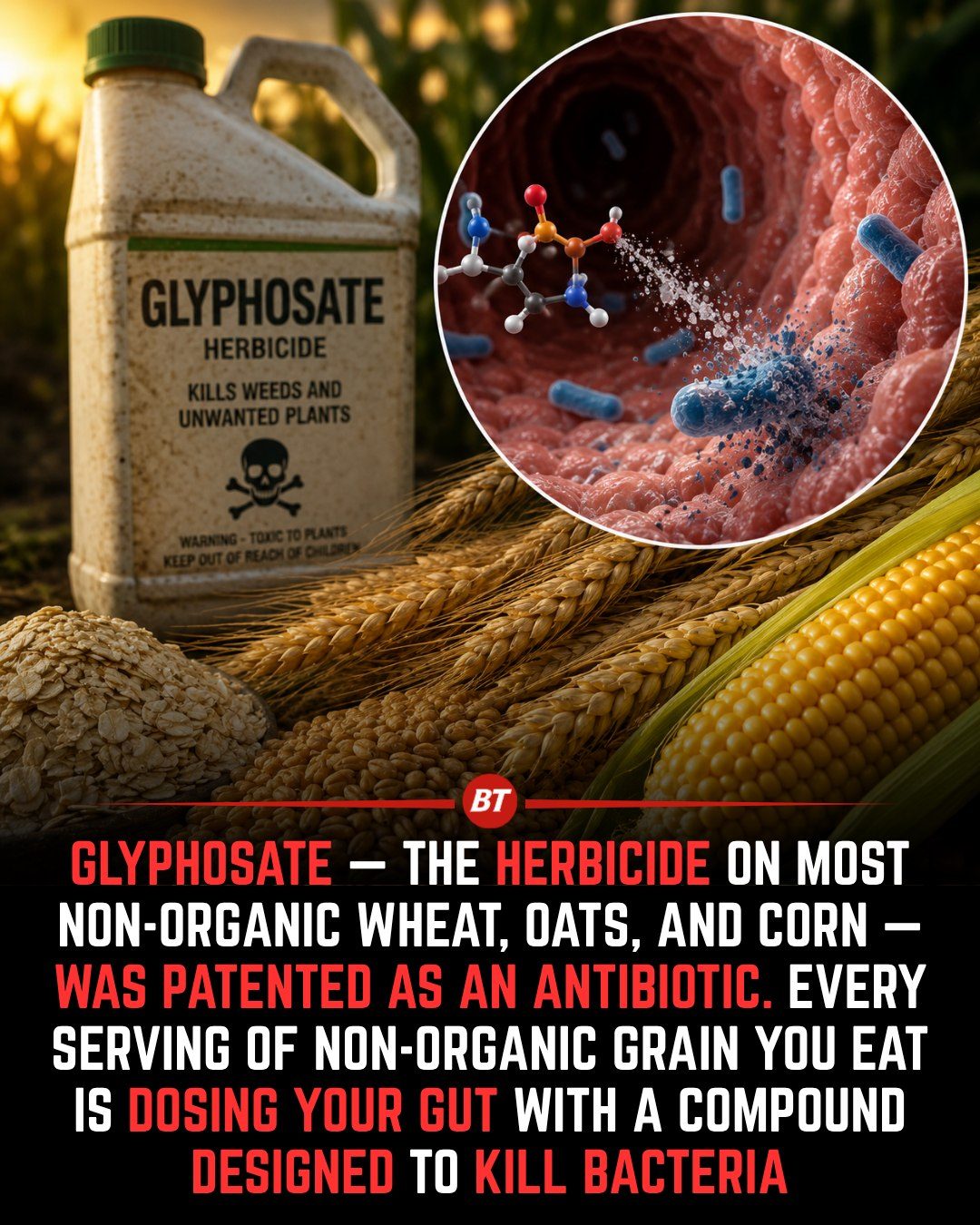
Glyphosate in Your Food: Health Concerns and Organic Alternatives
Glyphosate, a widely-used herbicide in agriculture, is present in many non-organic grains and has sparked concerns abou…
Tag
Deep-dive articles with this tag.
Glyphosate, a widely-used herbicide in agriculture, is present in many non-organic grains and has sparked concerns abou…
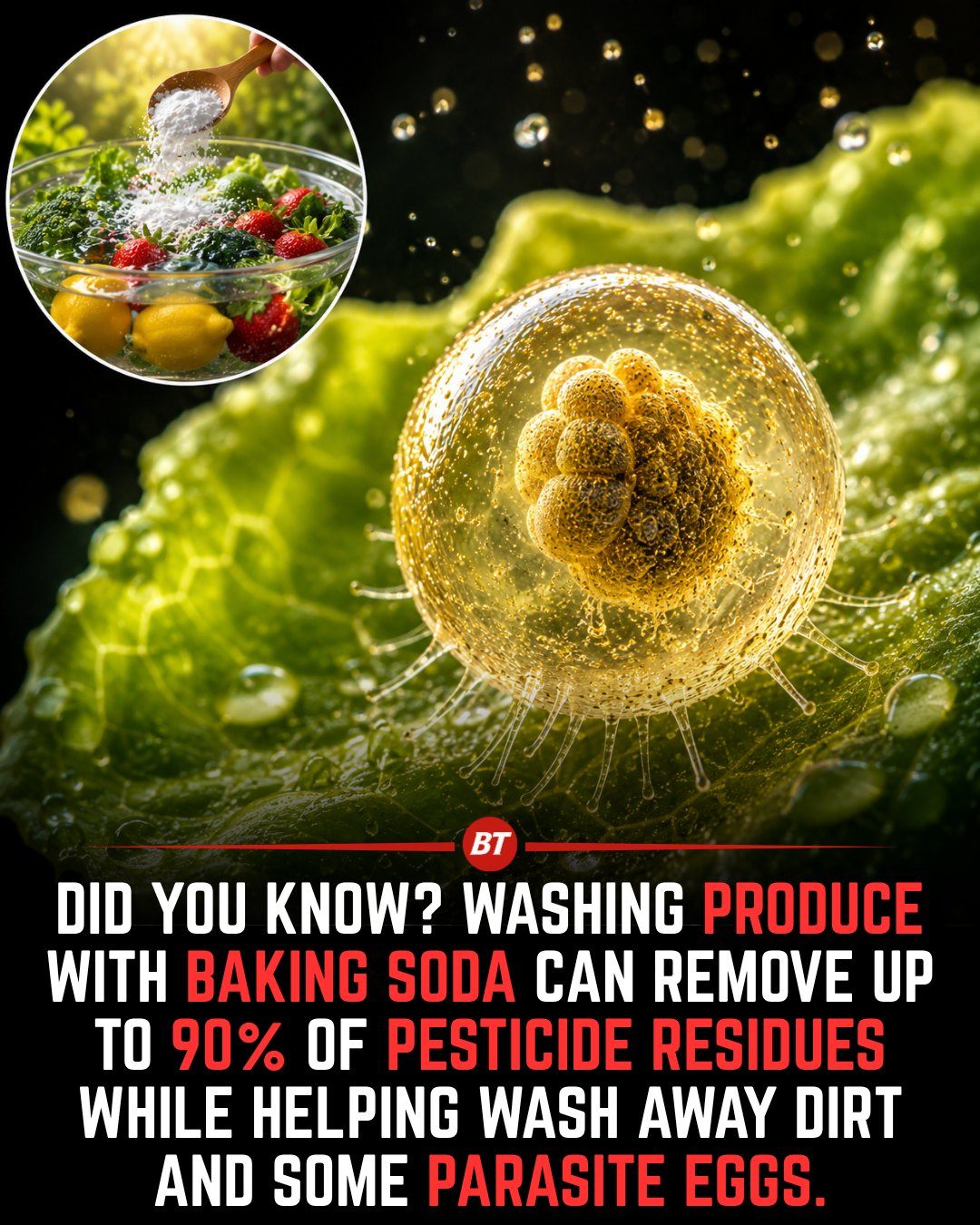
Baking soda is a powerful ally for washing produce, effectively reducing pesticide residues that may remain on fruits a…
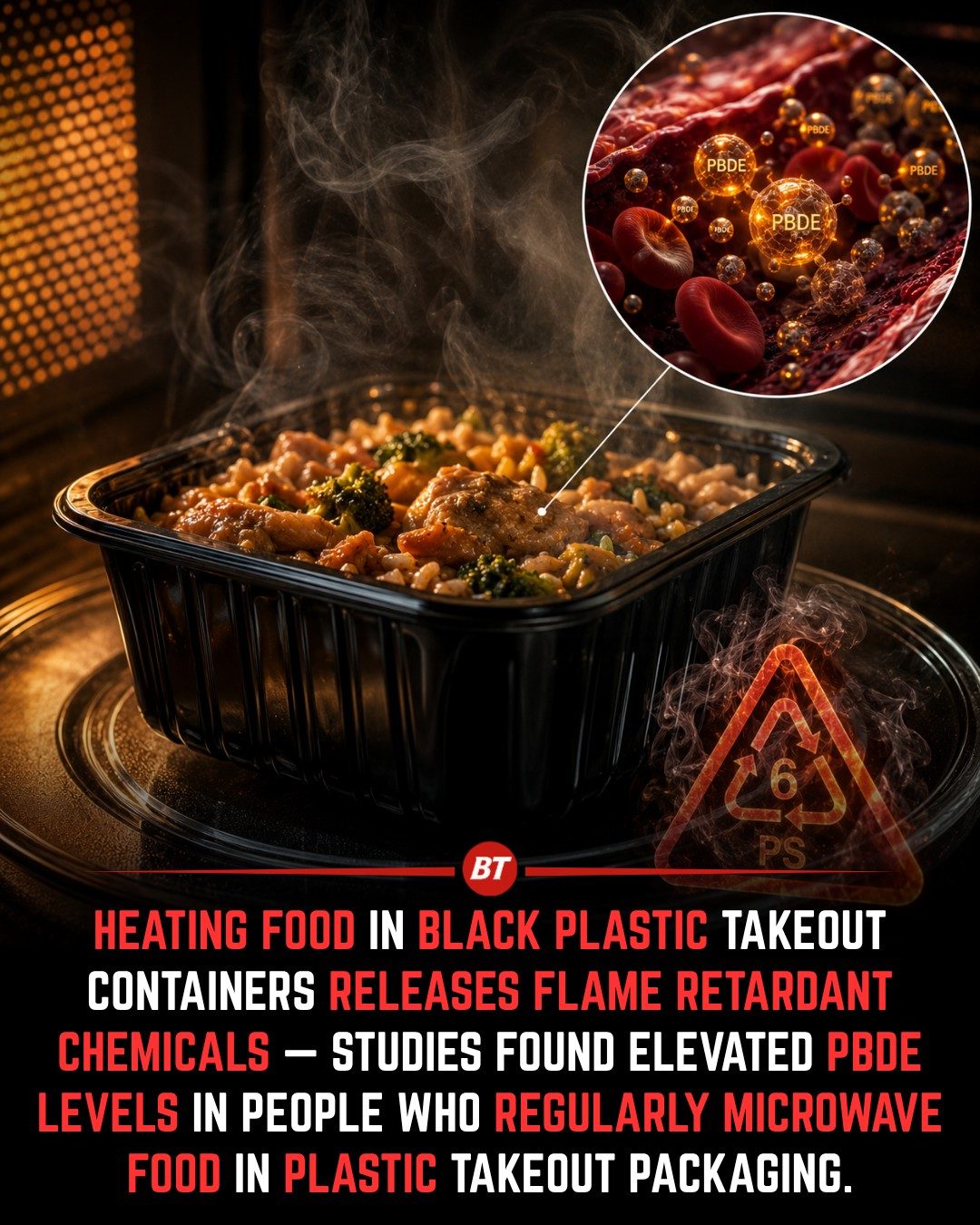
Microwaving food in black plastic takeout containers can transfer harmful flame retardant chemicals into your meal. The…
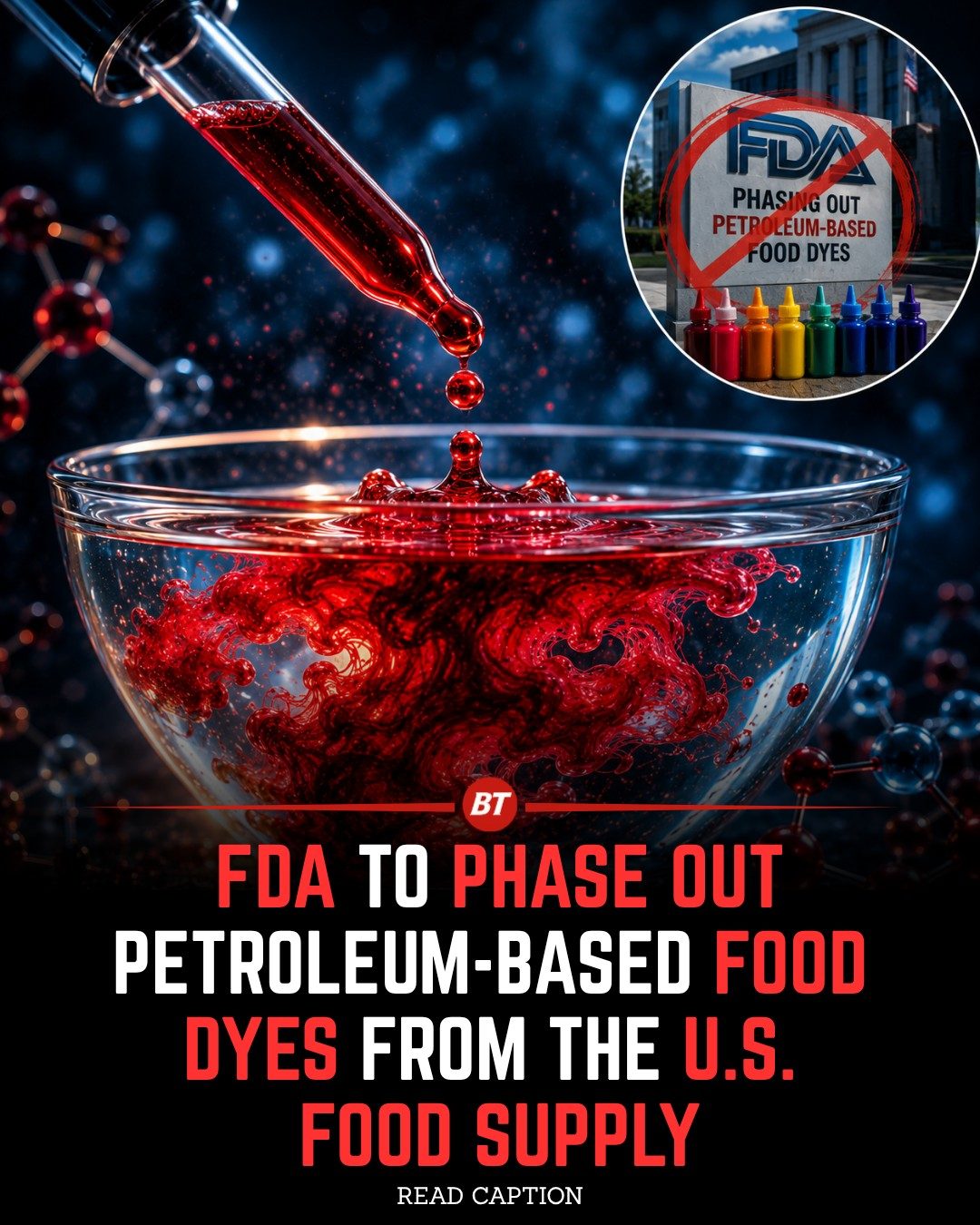
The FDA is phasing out petroleum-based synthetic food dyes, which are commonly used in processed foods, in response to…
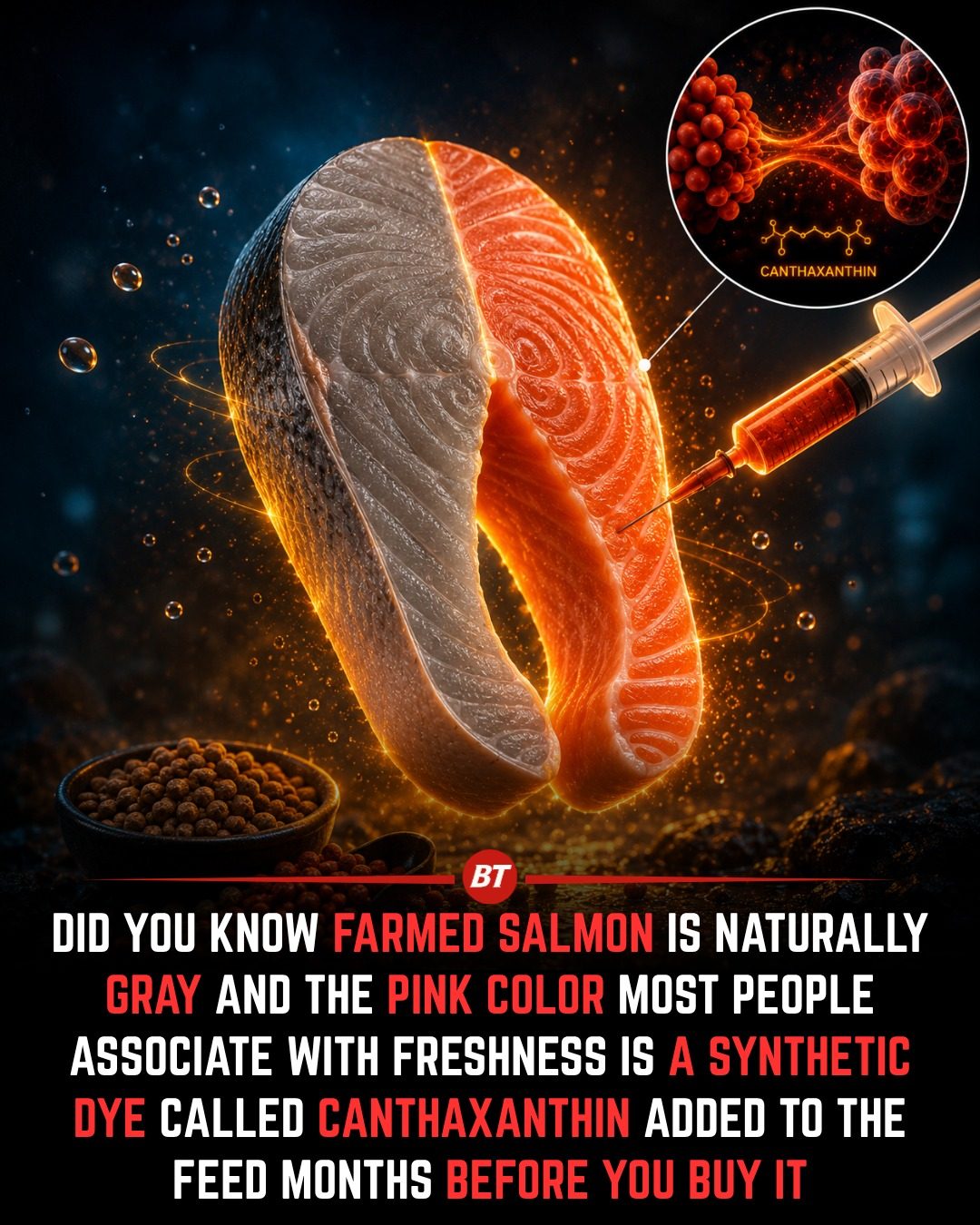
Farmed salmon's distinct pink color is not natural; it comes from astaxanthin and other pigments added to their feed. T…

Cooking rice with a bay leaf can enhance flavor and potentially reduce arsenic levels. Simple techniques, such as rinsi…
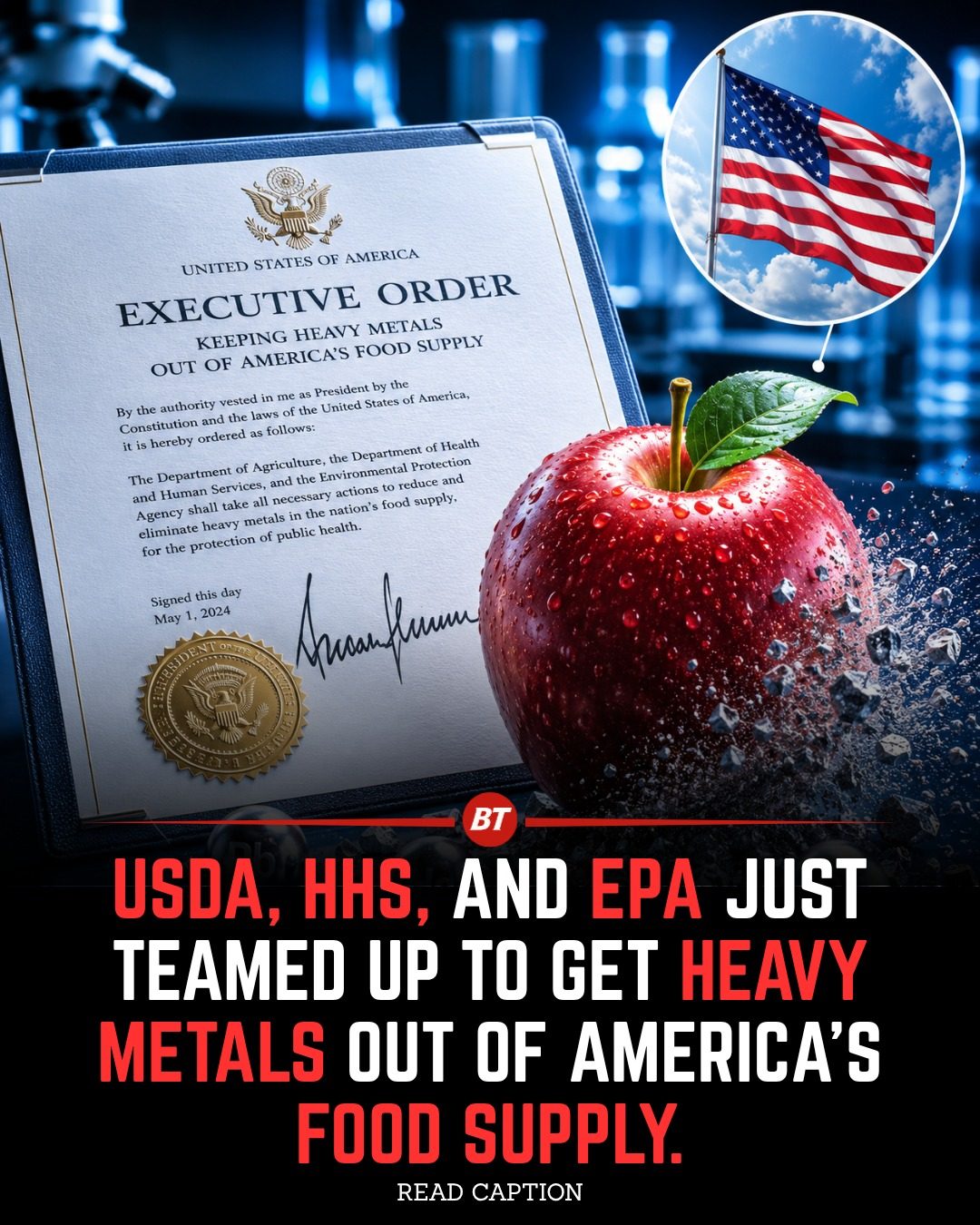
The USDA, HHS, and EPA have joined forces to tackle the issue of heavy metals in the food supply, aiming to reduce cont…
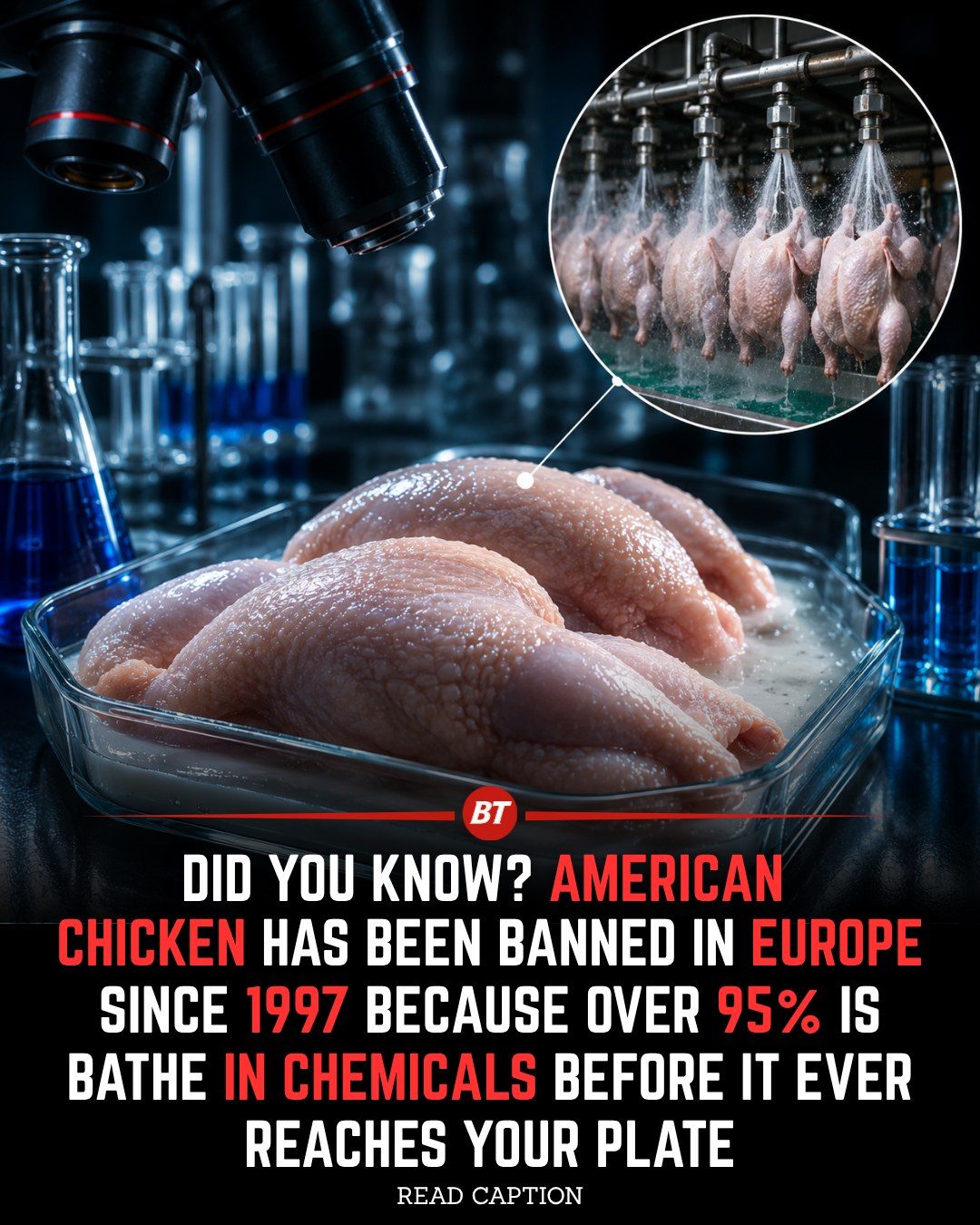
Since 1997, Europe has banned most U.S. poultry due to concerns about antimicrobial chemical rinses used in processing.…
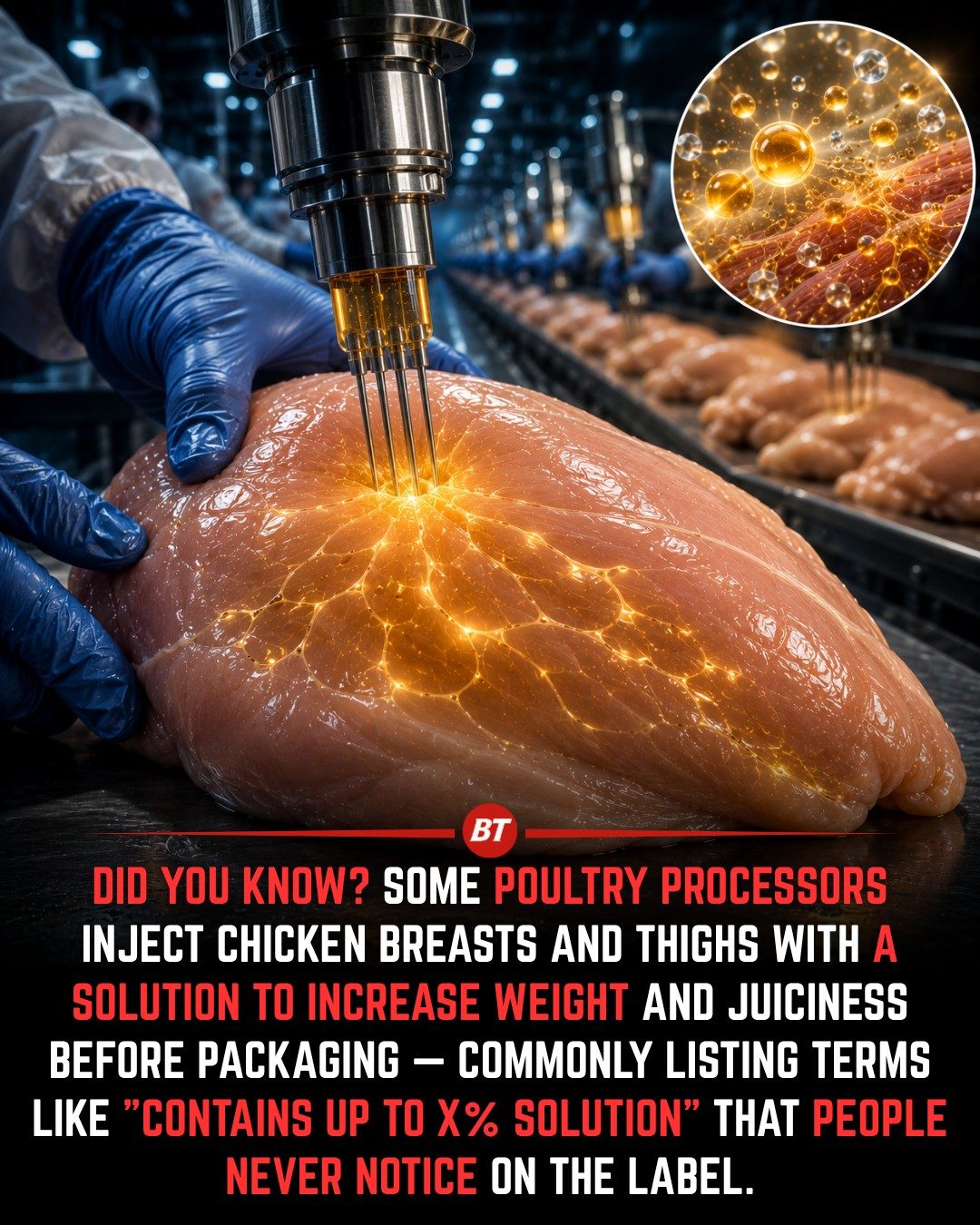
Chicken injection is a processing technique used to enhance the weight and juiciness of chicken breasts and thighs. Thi…
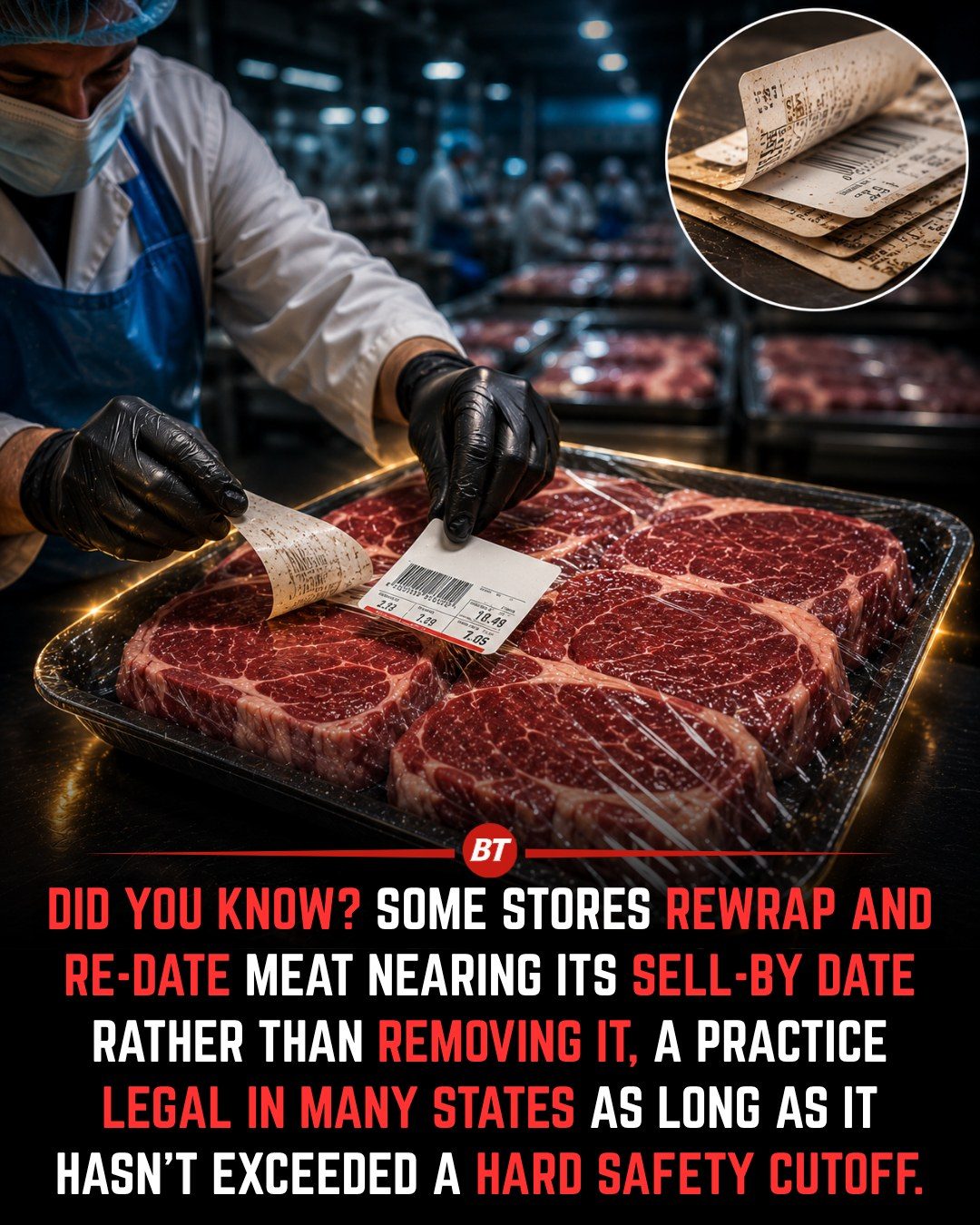
Meat rewrapping occurs when stores repackage and relabel meat nearing its sell-by date to ensure freshness and reduce w…
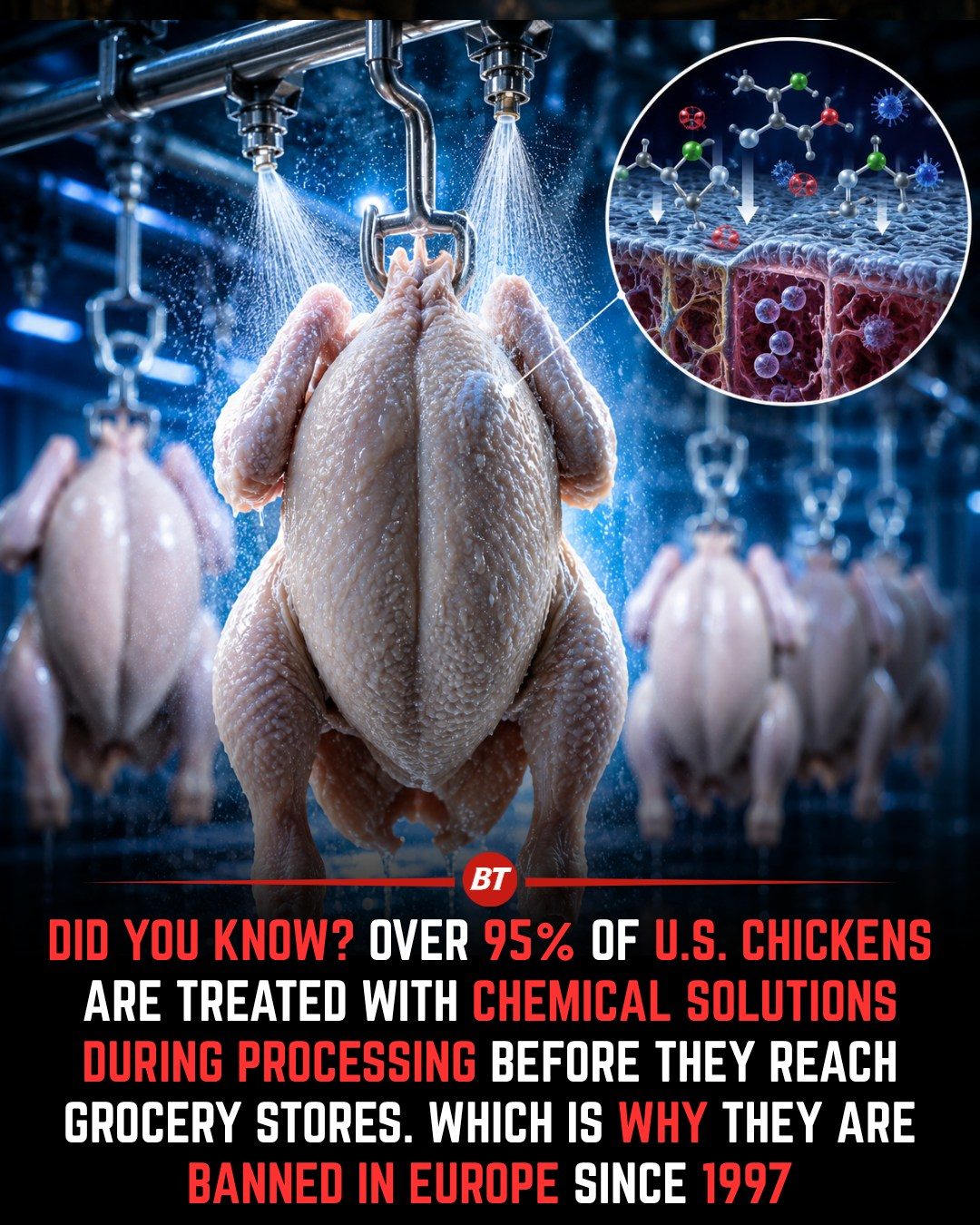
U.S. chicken processing widely uses antimicrobial treatments to reduce bacteria, contrasting with Europe's focus on pre…
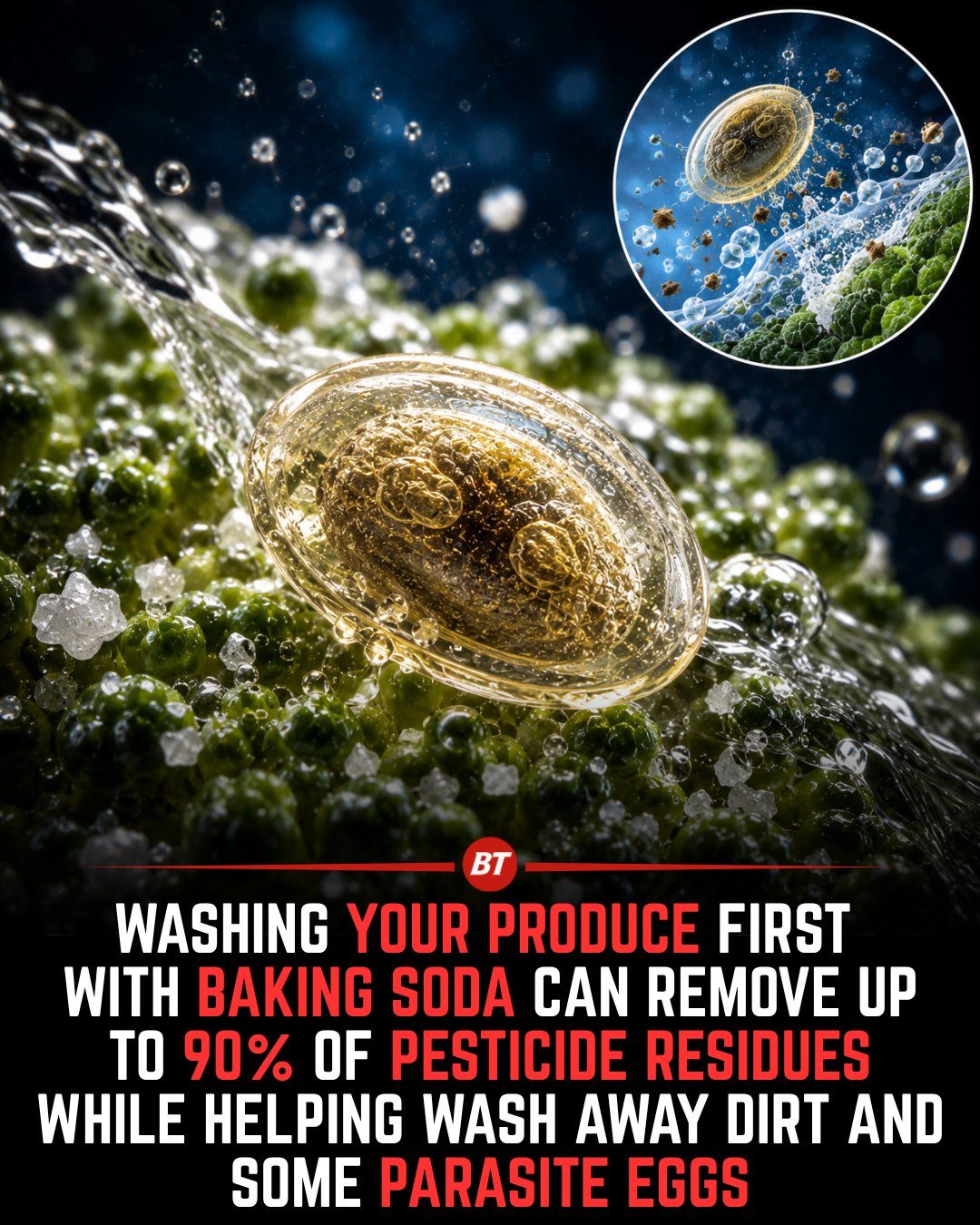
Baking soda is a simple, cost-effective method to enhance produce cleaning. This everyday kitchen item can help break d…