Sugar Substitutes and Gut Health - What You Need to Know
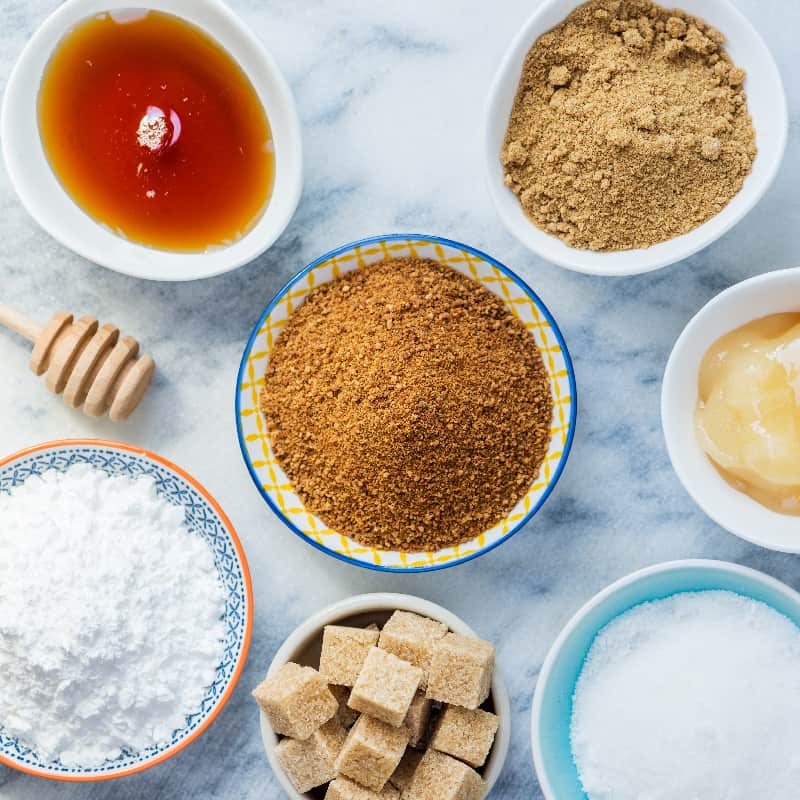
You might be swapping sugar for stevia or asulfame potassium to cut calories, but are you putting your gut health at risk? Recent research has raised concerns about the impact of artificial sweeteners on our gut microbiome, with a 2022 study suggesting that they can alter the balance of gut bacteria, potentially leading to glucose intolerance and metabolic disorders. As India's food industry rapidly adopts sugar substitutes, it's time to separate fact from fiction. Let's dive into the science behind sugar substitutes and their effects on your gut, and explore what you can do to keep your gut happy and healthy.
The Sweet Dilemma

You're trying to cut down on sugar, but you still crave that sweet taste. You're not alone. Sugar substitutes have become incredibly popular, with the global market expected to reach ₹1.2 lakh crore by 2025, driven by growing demand for low-calorie alternatives.
Many people turn to sugar substitutes like aspartame, sucralose, and stevia for weight management and diabetes control. And it's easy to see why - these alternatives offer the sweetness you crave without the calories. But here's the thing: while they're generally considered safe, there's growing concern about their impact on gut health.
The Gut Connection
Your gut microbiome is a complex ecosystem of bacteria that plays a crucial role in your overall health. Research suggests that some sugar substitutes may disrupt this balance. For example, a study published in the journal Nature found that saccharin, sucralose, and aspartame can alter gut bacteria in mice, leading to glucose intolerance.
Dr. David Katz, a renowned nutrition expert, notes, "The impact of artificial sweeteners on gut health is an area of active research, and we need more studies to fully understand the implications." While the evidence isn't conclusive, it's clear that the relationship between sugar substitutes and gut health is more complex than previously thought.
The bottom line? Sugar substitutes can be a useful tool for managing sugar intake, but it's essential to be aware of the potential effects on your gut health. Stay tuned for our next section, where we'll dive deeper into the science behind sugar substitutes and their impact on your gut microbiome.
Types of Sugar Substitutes
You're likely no stranger to sugar substitutes - they're everywhere, from diet sodas to sugar-free gum. But do you know what's really in them? Let's break it down. Artificial sweeteners like aspartame (Equal, Nutrasweet) and sucralose (Splenda) are commonly used in processed foods and drinks. They're popular because they're incredibly sweet - aspartame's 200 times sweeter than sugar, and sucralose is 600 times sweeter!
Natural Alternatives
If you're looking for something a bit more natural, stevia (Truvia, Stevia in the Raw) and monk fruit are great options. Stevia's been used for centuries in South America, and monk fruit's got a pretty cool history too - it's been used in traditional Chinese medicine for ages. These natural sweeteners are plant-based and have zero calories, making them attractive alternatives to artificial sweeteners.
Sugar alcohols like xylitol are another popular option. You'll often find them in sugar-free gum, mints, and baked goods. Xylitol's got about 40% fewer calories than sugar and doesn't raise blood sugar levels, making it a favorite among keto dieters and those with diabetes. However, it's worth noting that xylitol can cause digestive issues in some people, so moderation's key.
Some other sugar alcohols you might come across include erythritol, sorbitol, and mannitol. Each has its own unique characteristics, but they all share one thing - they're not fully digested in the body, which can lead to some... interesting side effects!
- Aspartame (Equal, Nutrasweet)
- Sucralose (Splenda)
- Stevia (Truvia, Stevia in the Raw)
- Monk Fruit
- Xylitol
Impact on Gut Bacteria
Here's where things get interesting: artificial sweeteners might be messing with your gut bacteria. Some studies suggest that sweeteners like aspartame, sucralose, and saccharin can alter the composition of your gut microbiome, which is a community of microorganisms that play a crucial role in your overall health. This isn't just a trivial matter – changes in gut bacteria could affect glucose metabolism, potentially contributing to conditions like insulin resistance and type 2 diabetes.
The Research
A study published in the journal Nature found that artificial sweeteners can indeed alter the gut microbiome, leading to impaired glucose tolerance in mice. The researchers also analyzed data from 381 people and found correlations between artificial sweetener consumption and changes in gut bacteria. Another study by Dr. Eran Segal, a researcher at the Weizmann Institute of Science, found that artificial sweeteners affected glucose metabolism in humans, potentially increasing the risk of developing type 2 diabetes.
Now, it's worth noting that the current evidence is mostly based on animal studies or observational human studies, so more research is needed to fully understand the long-term effects of artificial sweeteners on gut health. But here's the takeaway: if you're someone who's relying on sugar substitutes to manage your weight or blood sugar, you might want to consider the potential impact on your gut bacteria.
- Artificial sweeteners can alter the composition of gut bacteria
- Changes in gut bacteria may affect glucose metabolism
- More research is needed to understand the long-term effects
Potential Health Effects
So, what's the real deal with sugar substitutes and your gut health? Some research suggests that artificial sweeteners like saccharin and sucralose might affect your glucose metabolism, potentially leading to glucose intolerance. A study published in the journal Nature found that artificial sweeteners can alter the gut microbiome, which could contribute to metabolic disorders.
On the other hand, some studies suggest that sugar substitutes can be a useful tool for weight management. For example, a review of 15 studies on artificial sweeteners found that they can help reduce calorie intake and support weight loss, particularly in people who are overweight or obese. Stevia, for instance, has been shown to reduce blood sugar levels and improve insulin sensitivity.
But here's the thing: more research is needed to fully understand the impact of sugar substitutes on our health. The current evidence is mixed, and there's still a lot we don't know about how these substances interact with our gut microbiome and overall physiology. As Dr. Susan Swithers, a psychologist and researcher at Purdue University, notes, "The idea that these things are going to be a magic bullet to help people manage their weight or improve their health hasn't really panned out."
The Bottom Line
While there's no clear consensus on the health effects of sugar substitutes, one thing is certain: moderation is key. If you're using artificial sweeteners, try to limit your intake and opt for natural alternatives like stevia or monk fruit when possible.
Which Sugar Substitutes Are Best?
So, you're looking to cut back on sugar but still want something sweet? Let's break it down. Some sugar substitutes are better than others, especially when it comes to your gut health. Stevia, for instance, is a popular choice that's been shown to be more gut-friendly. Studies have found that stevia can even have prebiotic effects, feeding the good bacteria in your gut.
The Not-So-Sweet Side of Xylitol
On the other hand, xylitol's a bit of a mixed bag. While it's great for dental health, some people can experience digestive issues like bloating, gas, or diarrhea. A study published in the Journal of Clinical Gastroenterology found that xylitol can cause gastrointestinal symptoms in some individuals, especially when consumed in large amounts (over 20 grams per day).
Natural alternatives like monk fruit extract or erythritol might be a better bet. Monk fruit's sweetness comes from mogrosides, which aren't metabolized by the body, so they're unlikely to cause digestive issues. Erythritol's another low-calorie sweetener that doesn't raise blood sugar levels and is less likely to cause digestive problems compared to xylitol. The key is to choose alternatives that are minimally processed and don't contain added sugars or artificial ingredients.
- Stevia: potentially prebiotic, gut-friendly
- Monk fruit extract: natural, low-calorie, and gentle on the gut
- Erythritol: low-calorie, doesn't raise blood sugar levels
When choosing a sugar substitute, read labels carefully and opt for products with natural ingredients. Your gut (and taste buds) will thank you!
Maintaining Gut Health
You know how they say, "You are what you eat"? Well, when it comes to gut health, that statement couldn't be truer. Eating a balanced diet is key to supporting those tiny microbes in your gut. Think of it like a garden - you need to feed the good stuff, and crowd out the bad. That's where fiber-rich foods come in. Foods like oats, bananas, and apples are like prebiotic superfoods that promote beneficial bacteria growth.
Feed the Good Guys
Take, for example, a study published in the Journal of Nutrition. Researchers found that participants who ate a diet rich in fiber had a more diverse gut microbiome compared to those who didn't. And a diverse gut microbiome is like a strong immune system - it's better equipped to handle life's curveballs. Include fiber-rich foods in your diet, and you're on the right track.
On the flip side, processed foods can be like pesticides, harming those beneficial bacteria. A study by the University of California, San Francisco, found that a diet high in processed foods can disrupt gut balance, leading to changes in the way your body regulates blood sugar. Limiting processed foods is a good move for your overall health, and your gut will thank you.
- Eat a variety of fiber-rich foods like whole grains, fruits, and veggies
- Include fermented foods like yogurt, kimchi, and sauerkraut to support beneficial bacteria
- Keep processed foods to a minimum to support gut balance
Bottom line: you're in control of your gut health. Make informed choices, and you'll be giving your gut the best chance to thrive.
Making Informed Choices
You're sitting at the grocery store, staring at a label that says "zero sugar" or "diet-friendly". But what's really in that product? Stevia, erythritol, aspartame? It's time to get label-savvy. Start by checking the ingredient list for sugar substitutes, and see how they fit into your daily routine.
Know Your Sweeteners
For example, sucralose (Splenda) is 600 times sweeter than sugar, so you only need a little. On the other hand, xylitol has a 1:1 sweetness ratio with sugar, but be aware it's toxic to dogs, so keep it out of reach of your furry friends!
Your individual health needs and reactions matter too. If you're experiencing digestive issues with certain sugar substitutes, it might be worth exploring alternatives. Some people are more sensitive to artificial sweeteners, while others can consume them without issue. For instance, research has shown that some people may experience changes in gut bacteria with artificial sweetener consumption, while others show no effects.
When in doubt, talk to a healthcare pro. They can help you navigate the complex world of sugar substitutes and gut health, providing personalized advice tailored to your specific needs. They might even recommend keeping a food diary to track your reactions.
- Identify sugar substitutes on labels
- Consider your health needs and reactions
- Get expert advice for your specific situation
Navigating Sugar Substitutes in Daily Life
You're trying to cut back on sugar, but you're not sure where to start. The truth is, sugar's hidden in a lot of foods you wouldn't expect. Packaged foods like yogurts, sauces, and even bread often contain sugar substitutes like aspartame or sucralose. Checking labels is a good place to start.
Making Choices That Work For You
Experimenting with different alternatives can make a big difference. You might find that stevia works great in your morning coffee, but monk fruit is better in baked goods. Popular alternatives like erythritol and xylitol are options too, but they can cause digestive issues in some people – like the time I had too much xylitol in a keto dessert... let's just say it wasn't pretty 😅.
Focusing on whole foods is key for gut health. Fresh fruits, veggies, and lean proteins are naturally low in added sugars and substitutes. Incorporating probiotic-rich foods like kimchi or kefir can support your gut too.
- Read labels carefully – sugar substitutes can hide in unexpected places
- Try different alternatives to find what works best for you
- Prioritize whole foods for overall gut health
The goal is progress, not perfection. Making small changes adds up over time. You're taking control of your health, and that's something to feel good about. Now go crush that sugar substitute game 💪!












Comments ()