Sternschnuppen Phenomenon Explained
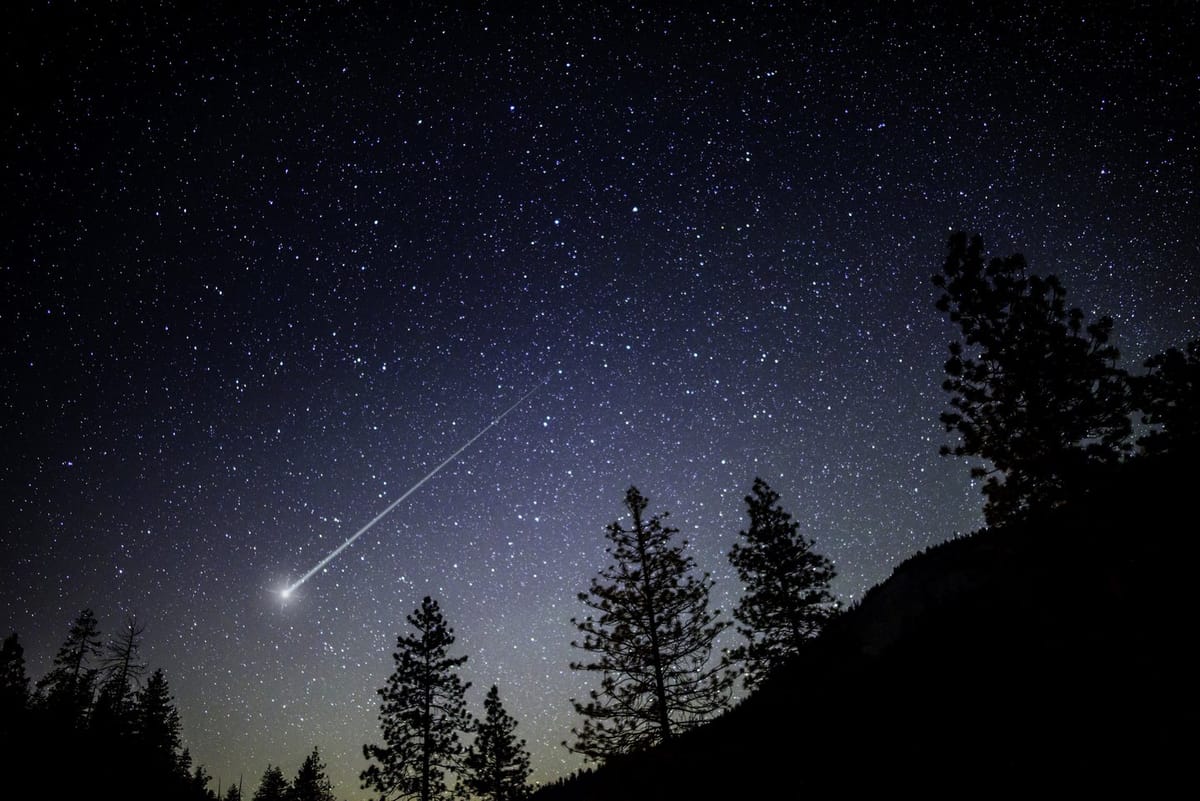
Imagine gazing up at the night sky and witnessing a celestial fireworks display, with streaks of light flashing across the stars – that's what the Sternschnuppen phenomenon, or shooting stars, can look like. With the peak of the Perseid meteor shower just around the corner, now's the perfect time to learn about this dazzling spectacle. Did you know that under ideal conditions, observers can spot up to 60 meteors per hour? Recently, NASA's cameras captured the brightest fireball in 8 years, sparking excitement among stargazers worldwide. Let's dive into the science behind these cosmic wonders and explore what makes Sternschnuppen so mesmerizing.
Mysterious Lights in the Night Sky
You've probably seen them - brief, streaks of light flashing across the night sky, leaving you wondering what they are. Sternschnuppen, or shooting stars, are a common phenomenon that's often misunderstood. They're frequently mistaken for UFOs or other unexplained events, sparking curiosity and awe.
But the truth is, Sternschnuppen are actually small meteoroids entering Earth's atmosphere. When these tiny particles, often no bigger than a grain of sand, hurtle through space and collide with our atmosphere, they vaporize, creating a bright streak of light. This usually happens between 50-100 km above the Earth's surface, according to Dr. Maria Zuber, a planetary scientist at MIT.
What Triggers These Celestial Fireworks?
Most Sternschnuppen originate from comets or asteroids. As comets approach the Sun, they release dust particles, creating a trail of debris. When Earth passes through this trail, the particles enter our atmosphere, causing a meteor shower. The Perseid meteor shower, for example, occurs annually in August, producing up to 60 meteors per hour.
- Meteoroids are small particles from space, typically less than 1 meter in diameter.
- Meteors are the streaks of light produced when these particles enter the atmosphere.
- Meteorites are the remains of meteoroids that survive their passage through the atmosphere and land on Earth.
Now that you know the science behind Sternschnuppen, you'll likely view these celestial events in a new light. And who knows, maybe you'll even spot a shooting star or two on your next stargazing adventure!
What Causes Sternschnuppen?

You've probably gazed up at the night sky, wishing upon a shooting star – or Sternschnuppe, as the Germans call it. But have you ever wondered what actually causes these fleeting flashes of light? It's quite simple, yet mind-bloggingly cool: tiny particles from space burning up in our atmosphere, that's what!
These particles, often no bigger than a grain of sand, can originate from comets, asteroids, or other celestial bodies. Take the Perseid meteor shower, for instance, which occurs every August. It's caused by Earth passing through the trail of Comet Swift-Tuttle. As our planet plugs through these cosmic clouds, the particles collide with our atmosphere, creating a spectacular show of lights.
The Science Behind the Sparkle
So, what exactly happens when these particles meet our atmosphere? Friction, my friend! As they hurtle through the air at incredible speeds – up to 70 kilometers per second, in some cases – they encounter resistance, generating intense heat. This heat is so extreme that it vaporizes the particle, creating a bright streak of light, or a Sternschnuppe, that's visible from the ground.
- Comets: Dirty snowballs that shed particles as they approach the Sun
- Asteroids: Rocky bodies that can produce particles through collisions or fragmentation
- Other celestial bodies: Even planets and moons can contribute to the cosmic dust
The next time you spot a shooting star, remember: you're witnessing a tiny piece of the universe burning up in a blaze of glory. And who knows, maybe you'll make a wish or two!
Types of Sternschnuppen
You might've noticed that not all Sternschnuppen are created equal. Some are fleeting whiffs of light, while others put on a spectacular show. Let's break it down: you've got your meteor showers, fireballs, and bolides.
Meteor Showers: Cosmic Fireworks
Meteor showers are like nature's fireworks display – multiple Sternschnuppen radiating from the same point in the sky. The Perseid meteor shower, for instance, peaks around August 12 and is known for its fast and bright meteors. These showers occur when Earth passes through a comet's debris trail, like Comet Swift-Tuttle in the case of the Perseids.
Fireballs: Bright and Bold
Fireballs are the supermodels of Sternschnuppen – exceptionally bright and attention-grabbing. They're caused by larger meteoroids, often producing a sonic boom if they explode in the atmosphere. The Chelyabinsk fireball in 2013 is a prime example: it was so bright it lit up the sky over Russia, injuring over 1,000 people from the shockwave.
Bolides: The Exploding Meteors
Bolides are essentially fireballs that explode with a dramatic burst of light and sound. They're often associated with meteor showers, but can occur randomly too. The Tagish Lake bolide in Canada (2000) is a famous example – it provided scientists with valuable insights into asteroid composition.
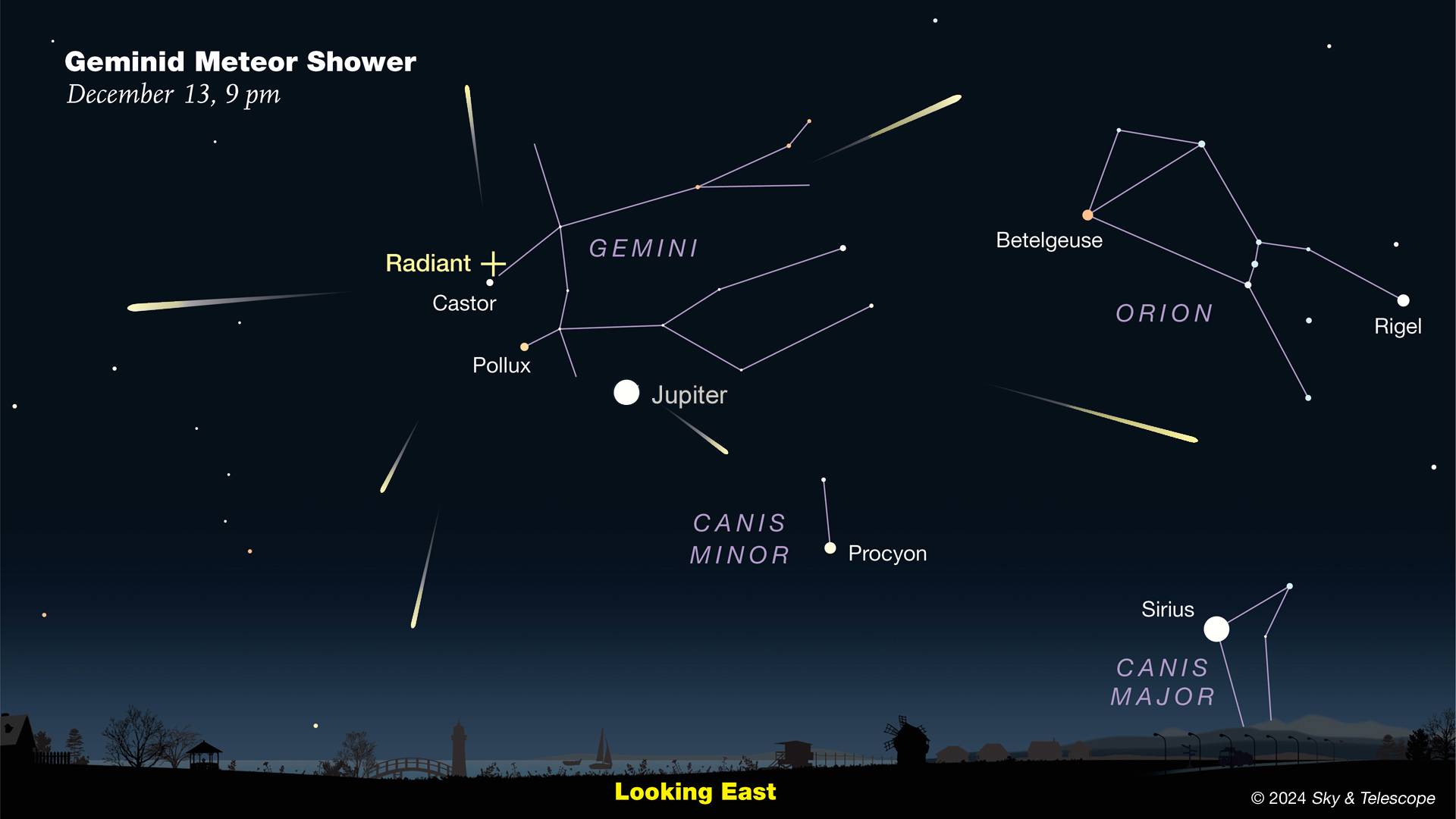
- Meteor showers: Perseids (August), Geminids (December), Leonids (November)
- Fireballs: Chelyabinsk (2013), Tunguska event (1908)
- Bolides: Tagish Lake (2000), Sutter's Mill (2012)
Best Times to Spot Sternschnuppen
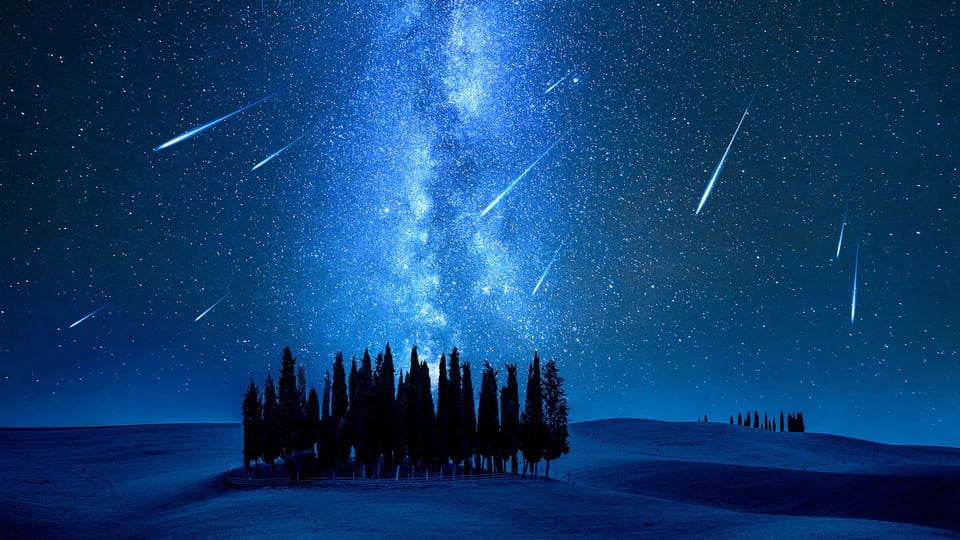
If you're eager to catch some Sternschnuppen action, timing is everything. The best times to spot these celestial wonders are during peak meteor showers like the Perseids or Geminids. These showers are like the super bowl of meteor watching – you're likely to see dozens, sometimes hundreds, of meteors per hour!
The Perseids, for instance, usually peak around August 12th, with rates reaching up to 60 meteors per hour. The Geminids, on the other hand, peak in mid-December and can produce up to 120 meteors per hour. Mark your calendars, folks!
Dark Skies are a Must
You want to get away from those pesky city lights, trust me. Light pollution can seriously dim your Sternschnuppen experience. Head out to a dark location, like a national park or a rural area, and let your eyes adjust to the darkness. It's like turning up the volume on the universe's light show!
The best viewing times? Late night or early morning hours, typically between midnight and dawn. This is when the Earth is facing the direction of its orbit around the Sun, so you're more likely to catch some shooting stars.
- Peak meteor showers: Perseids (August), Geminids (December)
- Dark skies: National parks, rural areas, or designated dark-sky preserves
- Best viewing times: Midnight to dawn
So, plan ahead, grab a comfy spot, and get ready to witness some breathtaking Sternschnuppen displays!
Cultural Significance
Sternschnuppen, or shooting stars, have been a source of fascination for humans for centuries. You might've heard that if you see one, you're supposed to make a wish - and it'll come true! This tradition is rooted in ancient cultures, where people believed these celestial events were a sign of good luck. In many parts of Europe, it's still a popular superstition, with people whispering their deepest desires to the stars.
Mythological Roots
Ancient civilizations had their own take on Sternschnuppen. The ancient Greeks believed they were stars falling from the sky, while the Romans thought they were gods throwing rocks. In Hindu mythology, they're associated with the god Indra, who's said to hurl thunderbolts to create the stars. These myths show just how captivating Sternschnuppen have been throughout history.
The impact of Sternschnuppen goes beyond mythology - they've inspired countless artists, writers, and musicians. You've probably heard the famous line "Twinkle, twinkle, little star" - it's from a poem by Jane Taylor, inspired by the night sky. Similarly, artists like Vincent van Gogh have captured the beauty of starry nights, with Sternschnuppen adding a touch of magic to their work.
- In Japan, Sternschnuppen are associated with the Tanabata festival, celebrating the meeting of two star-crossed lovers.
- In some Native American cultures, they're believed to be the spirits of ancestors, watching over their loved ones.
- In modern astrology, Sternschnuppen are often seen as signs of change or transformation.
It's clear that Sternschnuppen have left an indelible mark on human culture. Whether you're a romantic, a scientist, or just someone who loves gazing at the stars, there's something enchanting about these fleeting moments of beauty.
Scientific Study

The Sternschnuppen phenomenon isn't just a pretty sight – it's a goldmine for scientists. By studying these meteors, researchers can track meteoroid orbits and composition, gaining valuable insights into the makeup of our solar system. For instance, the European Space Agency's (ESA) Fireball Network has been tracking meteor trajectories since 1963, helping scientists identify the origin of meteorites and understand asteroid and comet behavior.
What's in the Data?
The data collected from meteor observations is incredibly valuable. You see, when a meteoroid enters Earth's atmosphere, it interacts with atmospheric gases, creating a bright streak of light – the meteor. By analyzing this light, scientists can determine the composition of the meteoroid. For example, the Chelyabinsk meteor that exploded over Russia in 2013 was found to be a stony asteroid, providing insights into the formation of our solar system.
Meteor studies also provide insights into Earth's atmospheric conditions. The way a meteor burns up in the atmosphere can tell scientists about atmospheric density and composition at different altitudes. This information is crucial for understanding our planet's protection mechanisms and predicting potential asteroid impacts.
- Helps track meteoroid orbits and composition
- Provides insights into Earth's atmospheric conditions
- Data used for asteroid and comet research
The study of Sternschnuppen is a multidisciplinary effort, involving astronomers, geologists, and atmospheric scientists. By combining data from different fields, researchers can gain a deeper understanding of our solar system and its many mysteries.
Sternschnuppen in Modern Times
You've probably noticed the surge in interest in astronomy and space exploration in recent years. It's not just scientists who are fascinated - the general public is catching on too! The Perseid meteor shower, for instance, draws millions of viewers worldwide, with events like the 2016 peak viewing party at ESO's Paranal Observatory in Chile attracting thousands of enthusiasts.
Satellite Scramble
But with the increasing number of satellites and spacecraft in orbit, Sternschnuppen can pose a problem. They're tiny, but they travel at incredible speeds, and a collision can be catastrophic. The European Space Agency (ESA) has reported several instances of satellite damage due to meteoroids. In 2013, a micrometeoroid hit the Gaia spacecraft, causing a glitch. It's a big concern for operators, and they're working on ways to mitigate these risks.
One example is the NASA's Meteoroid Environment Office, which provides forecasts and alerts for meteor showers. This helps satellite operators take necessary precautions, like adjusting orbits or putting spacecraft in safe mode.
Wishing Upon a Star
Despite the challenges, Sternschnuppen continue to captivate us. Public events and viewing parties are more popular than ever, with people gathering to marvel at the beauty of meteor showers. The annual Geminid meteor shower is a favorite among stargazers, with peak viewing times drawing crowds to dark-sky preserves and astronomy clubs worldwide.
- The Virtual Telescope Project offers live streams of meteor showers
- Astronomy clubs host viewing parties and workshops
- Dark-sky preserves protect areas with minimal light pollution
These events not only promote astronomy education but also foster a sense of community among enthusiasts. You're part of a global audience, united by the wonder of Sternschnuppen.
Dive deeper: [What's being done to protect satellites from meteoroids?]((link unavailable)) [How do meteor showers impact space exploration?]((link unavailable)) [Best meteor showers to watch this year]((link unavailable))
Next Steps for Sternschnuppen Observation
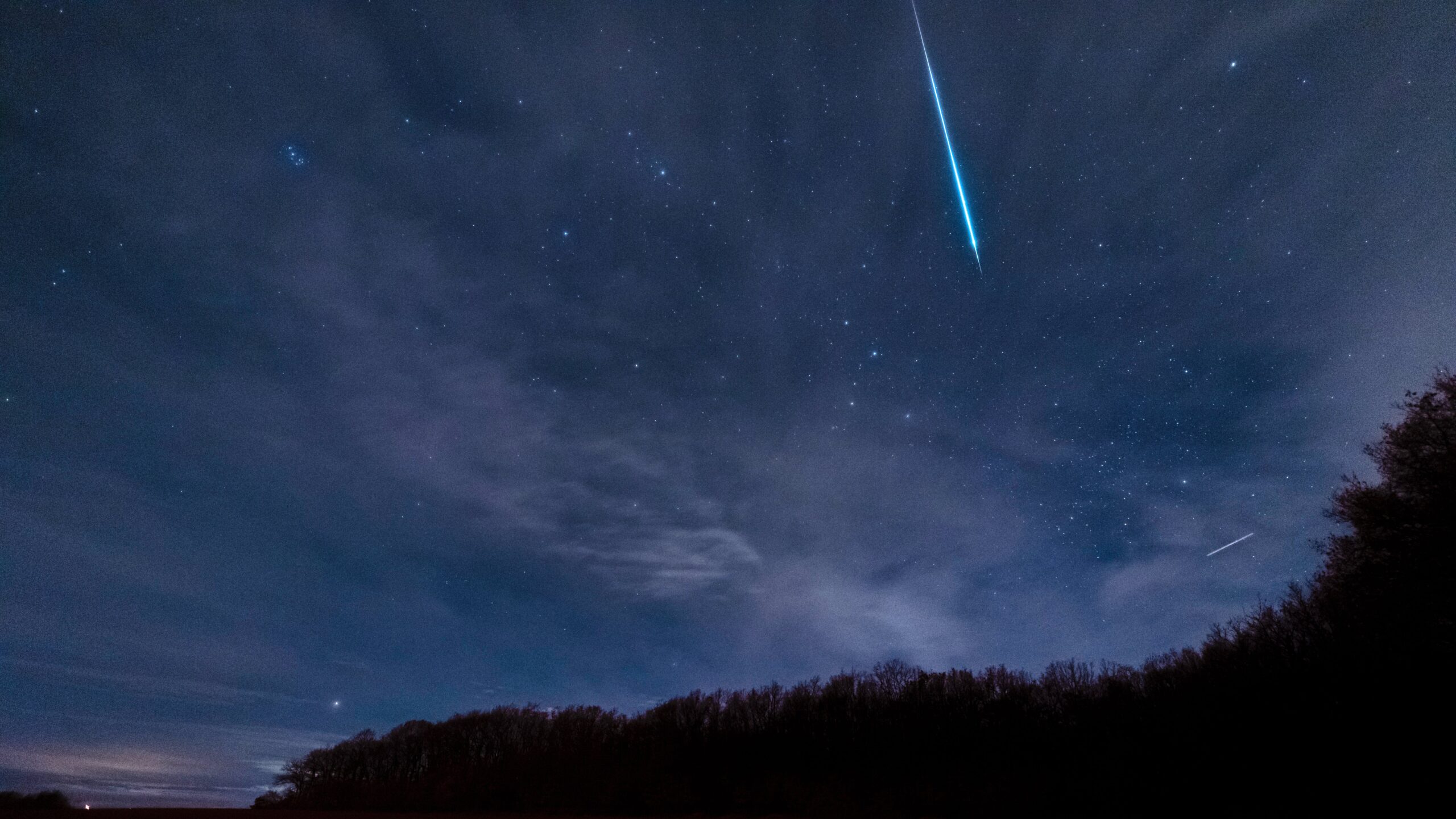
You're now equipped with the basics of Sternschnuppen – now it's time to spot some shooting stars! Stay updated on upcoming meteor showers like the Perseids in August or the Geminids in December. These events are perfect opportunities to catch a glimpse of these celestial wonders.
Get Involved in the Sternschnuppen Community
Join astronomy clubs or online forums like the International Meteor Organization's website or social media groups dedicated to meteor spotting. You'll get tips from experienced observers, learn about peak viewing times, and even get to share your own sightings.
Want to contribute to real science? Citizen science projects like NASA's Meteor Watch or the American Meteor Society's meteor reporting tool let you report your observations and help track meteor activity. You can be part of cutting-edge research – no PhD required!
- Check websites like (link unavailable) for meteor shower forecasts
- Download apps like Sky Map or Stellarium Mobile for real-time sky tracking
- Grab a comfy chair, some warm clothes, and head to a dark spot – happy stargazing!
The next big meteor shower is just around the corner. Will you be ready?








Comments ()