Sole Mates - Finding the Perfect Fit for Your Unique Feet

The Anatomy of Feet: Understanding Your Foot Shape
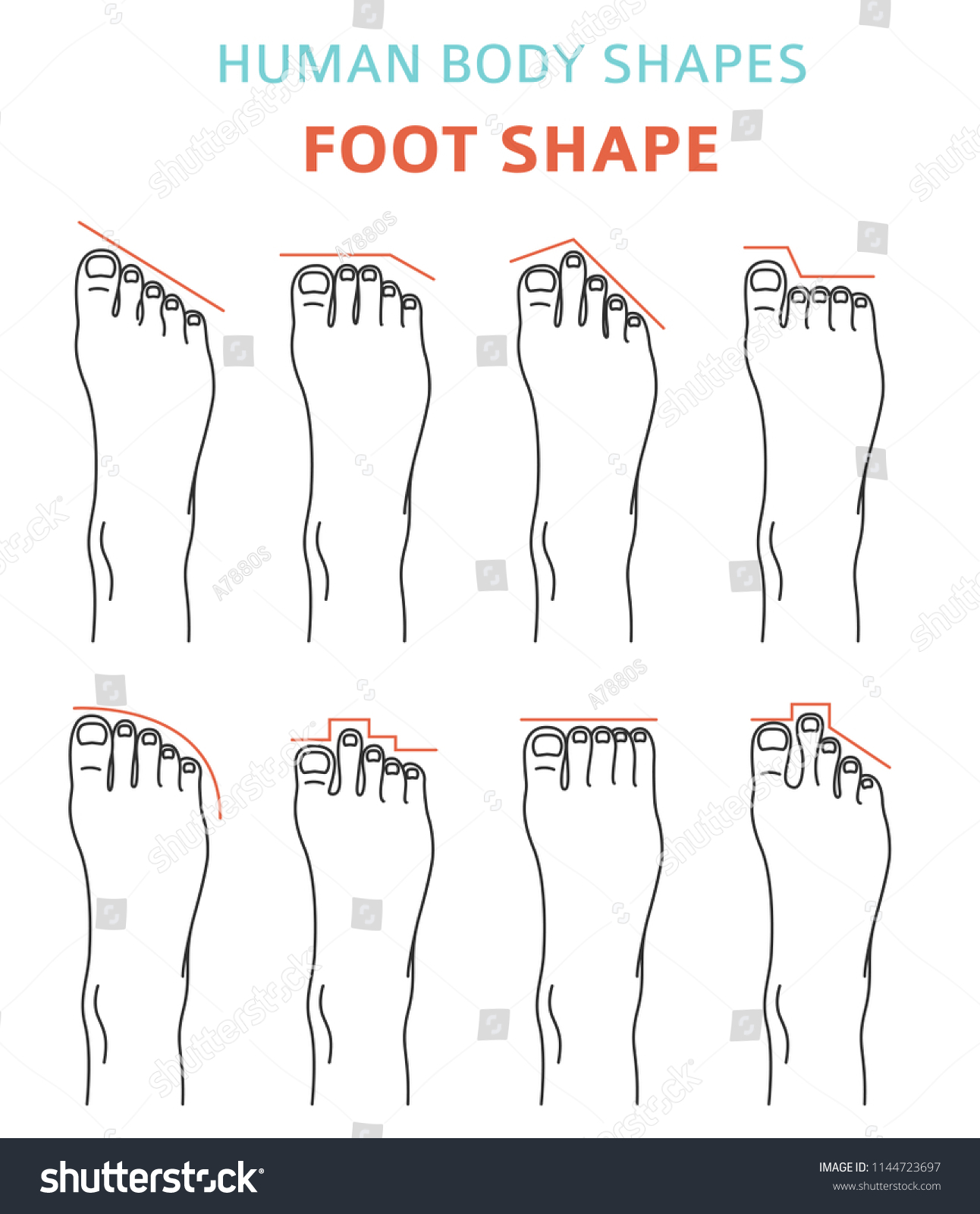
Ever slipped on a pair of shoes that felt like they were molded to someone else's feet? You're not alone. The secret to finding shoes that feel like a dream is understanding your unique foot shape. There are four main foot shapes: average, narrow, chubby, and fin-shaped. Each one has its own quirks and requirements when it comes to shoe styles.
What's Your Foot Shape?
Knowing your foot shape can be a game-changer. For instance, if you've got average feet, you're in luck - most shoe styles will fit you like a glove. But if you're one of the many people with narrow feet, you'll know the struggle of finding shoes that don't slip off your heels. On the other hand, if you've got chubby feet, you'll want to look for shoes with a bit more room in the toe box.
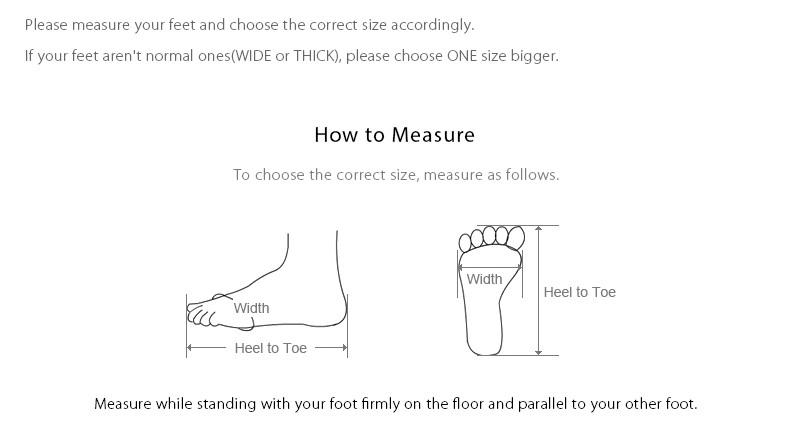
To determine your foot shape, you'll need to take a few measurements. Grab a ruler and measure the length, width, and instep height of your foot. Here's what to look for:
- Length: From the back of your heel to the tip of your longest toe
- Width: Across the ball of your foot, just below the base of your toes
- Instep height: From the floor to the top of your foot, just above your arch
For example, if you've got a fin-shaped foot, you might find that shoes with laces or adjustable straps work best for you. These styles can provide a secure fit and accommodate the unique shape of your foot. By understanding your foot shape and finding shoes that cater to it, you can say goodbye to blisters and hello to happy feet.
Measuring Up: How to Get the Perfect Fit
Finding shoes that fit like a dream - is that just a myth? Not if you're measuring up the right way! Getting the perfect fit starts with knowing your numbers, and we're not just talking about your shoe size.
To get started, you'll need a ruler or a Brannock device (you know, those cool contraptions at the shoe store). Measure your foot length by placing the ruler on the floor against a wall and standing with your heel against the wall. Make sure to take note of the longest toe - it's not always the big one! Take measurements in the morning, as feet tend to swell throughout the day. Record the length in inches or centimeters.
Measure Your Way to Comfort
Next up, measure the width of your foot. Wrap a flexible measuring tape around the widest part of your foot, usually just above the ball of the foot. Don't wrap it too tightly - you want a snug fit, not a binding one. Compare your measurements to a size chart to determine your shoe size. Some popular size charts include the US, UK, and EU charts, so make sure you're referencing the right one.
When trying on shoes, don't forget to wiggle those toes! You should have about a half-inch (1-2 cm) of space between the end of your longest toe and the shoe. This extra room allows for toe movement and prevents pressure on your toes. Try on shoes in the afternoon, as this is when feet tend to swell the most.
Size It Up
Some things to keep in mind when sizing up:
- Different brands have different sizing standards, so don't assume you're a size 8 just because you are in one brand.
- Shoes with thicker insoles or orthotics may require a larger size.
- If you're buying shoes online, check the website's return policy in case they don't fit.
Toe Box Tales: Finding the Right Tip Shape

Ever slipped on a pair of shoes that felt like they were made for someone else? You're not alone! The secret to shoe happiness lies in understanding your unique toe shape. Yep, toe shape - it's a thing! And trust me, it's a game-changer when it comes to finding shoes that don't feel like instruments of torture.
What's Your Toe Shape?
There are three main toe shapes, and knowing yours can help you find shoes that fit like a glove. Or should I say, like a sock? Here are the three main types:
- Descending toes (Egyptian): Your big toe is the longest, and the rest slope downward like a gentle staircase.
- Straight toes (Roman): Your toes are roughly the same length, forming a straight line.
- Dominant big toe (German/Mongolian): Your big toe is significantly longer than the others, with a more dramatic slope.
So, which one are you? Don't worry if you're not sure - it's not exactly common knowledge (unless you're hanging out with shoe enthusiasts). The key is to find a shoe that matches your toe shape. For instance, if you've got descending toes, look for shoes with a more pointed toe box. If you're a straight-toe kinda person, shoes with a straight or square toe box will be your new BFFs.
Shoes That Cater to Your Toes
Some brands are getting it right, offering shoes that cater to different toe shapes. Froddo, Beda, and Baby Bare are a few that come to mind. They offer a range of styles that'll make your toes do the happy dance. For example, Froddo's shoes often feature a wider toe box, perfect for those with straight toes or dominant big toes.
It's all about finding what works for you. You might need to try a few different brands or styles before you hit the jackpot, but trust me, it's worth it. Your toes will thank you!
Instep Insights: Accommodating Different Instep Heights
Ever slipped on a pair of shoes that felt like they were made for someone else? You're not alone. One crucial factor that can make or break the comfort of your shoes is the instep height. It's the curve of your foot that runs from the base of your toes to your ankle, and getting it right can be a game-changer.
Measuring Your Instep Height
So, how do you figure out if you have a low, average, or high instep? Grab a tailor's tape measure or a piece of string, and get ready to take some measurements. You'll need to measure the height of your instep, which is typically around 2-3 inches above the floor when you're standing barefoot. Don't worry if it sounds complicated – it's pretty straightforward once you get the hang of it.
Here's a rough guide to help you determine your instep height:
- Low instep: Less than 5 inches (around 13 cm) from the floor to the top of your instep
- Average instep: 5-6 inches (around 13-15 cm)
- High instep: More than 6 inches (over 15 cm)
Finding the Perfect Fit
Now that you know your instep height, it's time to find shoes that fit. Some brands specialize in catering to different instep heights. For instance, Froddo and Koel offer a range of shoes with adjustable straps that can accommodate higher insteps, while Pegres BF has styles with a more relaxed fit for lower insteps. These brands understand that one size doesn't fit all, and they're working to provide options for every foot type.
When trying on shoes, don't be afraid to ask for different sizes or styles if the instep feels too tight or too loose. Your feet will thank you. And remember, it's all about finding that perfect fit – your sole mate, if you will.
Heel to Toe: The Importance of Heel Width
Let's face it, there's nothing worse than slipping out of your shoes all day or dealing with blisters from shoes that are too tight. A well-fitting heel is key to preventing foot problems and keeping you comfortable on your feet.
Why Heel Width Matters
When it comes to shoes, heel width is often overlooked, but it's just as important as the length and width of the shoe. A heel that's too narrow can cause your foot to slip out, leading to blisters and discomfort. On the other hand, a heel that's too wide can cause your foot to slide around, leading to instability and potential ankle problems.
So, how do you find the perfect heel width? Look for shoes with adjustable heel straps or lacing. This will allow you to customize the fit to your foot, ensuring a secure and comfortable fit. Some brands, like Beda and Ricosta, offer shoes with varying heel widths, so you can find the perfect fit for your unique foot shape.
Brands that Get it Right
Here are a few brands that offer shoes with varying heel widths:
- Beda: Known for their comfortable and stylish shoes, Beda offers a range of styles with adjustable heel straps.
- Ricosta: This German brand offers high-quality shoes with varying heel widths, perfect for those with wider or narrower heels.
When trying on shoes, don't be afraid to ask if they come in different heel widths. And remember, a good shoe should feel comfortable from the moment you put it on – don't settle for anything less.
Finding Your Sole Mate: Brands for Every Foot Type
Let's face it, finding shoes that fit like a dream is like finding a needle in a haystack - it's hard, but totally worth it! Your feet are unique, and what works for your BFF might not work for you. That's why it's awesome that shoe brands are now catering to different foot types like never before.
Narrow Feet? You're Covered!
If you're struggling to find shoes that don't slip off your feet, you're probably one of the many people with narrow feet. Don't worry, there are brands that get it. Ricosta, Affenzahn, and Bobux are some popular options that offer shoes with a more streamlined fit. For instance, Ricosta's shoes are known for their snug, supportive designs that keep feet secure.
Average Feet? Plenty of Options!
If you've got average-sized feet, you're in luck! You've got a wide range of brands to choose from. Froddo, Koel, and Vivobarefoot are some great options that offer stylish and comfortable shoes. Froddo's shoes, for example, are known for their flexibility and soft, leather uppers.
Wider Feet? No Problem!
Having wider feet doesn't mean you have to sacrifice style or comfort. Brands like Beda, Baby Bare, and Crave offer shoes that cater to wider feet, with features like adjustable straps and roomy toe boxes. Beda's shoes, in particular, are known for their soft, breathable materials and comfortable fits.
Some top brands for different foot types include:
- Narrow feet: Ricosta, Affenzahn, Bobux
- Average feet: Froddo, Koel, Vivobarefoot
- Wider feet: Beda, Baby Bare, Crave
Now, go ahead and find your sole mate - your feet will thank you!






Comments ()