Smartwatch EMF Risks

You might be wearing a smartwatch to track your fitness goals, but did you know it's also emitting electromagnetic radiation (EMR) that could be affecting your health? With over 100 million smartwatches sold globally in 2022, and 5G networks expanding rapidly, concerns about EMR exposure are growing. Recent studies have shown that prolonged exposure to EMR from wearables can cause oxidative stress, leading to inflammation and potentially even DNA damage. As we get more attached to our wrists, it's time to ask: are we putting our health at risk? Let's dive into the world of smartwatch EMF risks and explore what you need to know to protect yourself.
The Wrist-Worn Warning

You might've noticed the smartwatch craze sweeping the nation - and you're probably curious about the potential risks that come with wearing one on your wrist 24/7. One concern that's sparked debate is EMF radiation emission. See, smartwatches emit low-level EMF radiation, a form of non-ionizing radiation that's also emitted by cell phones and Wi-Fi routers.
Now, most devices meet the FCC's guidelines, so you're probably thinking, "What's the big deal?" Well, the thing is, these guidelines are based on short-term exposure studies, and there's still uncertainty about the effects of long-term exposure. According to Dr. Devra Davis, an epidemiologist and expert on EMF radiation, "The current FCC guidelines are outdated and don't reflect the latest science."
The exposure levels from smartwatches are generally lower compared to cell phones - we're talking around 1-10% of the exposure you'd get from a typical cell phone. For example, the Apple Watch Series 7 has a Specific Absorption Rate (SAR) of 0.12 W/kg, way below the FCC limit of 1.6 W/kg. Still, some experts argue that even low-level exposure could add up over time, especially for kids and pregnant women.
The Takeaway
So, what's the bottom line? While smartwatches are convenient and fun, there's still some uncertainty about the long-term effects of EMF radiation exposure. Throughout this article, we'll dive into the latest research and explore ways to minimize your exposure - because being aware is the first step to making informed decisions about your health.
What is EMF Radiation?
EMF stands for electromagnetic fields, combining electricity and magnetism - basically, it's the energy that's all around us, whether we realize it or not. There are different types, including AC electric fields, AC magnetic fields, radiofrequency radiation, and harmonics. Think of it like the energy that lets your phone connect to Wi-Fi or Bluetooth - it's everywhere, and we're constantly surrounded by it.
Natural vs Artificial Sources
You might be surprised to know that natural sources of EMF radiation include sunlight - yes, the sun emits EMF radiation! On the other hand, artificial sources include Wi-Fi routers, Bluetooth devices, and yes, your smartwatch. These devices emit non-ionizing radiation, which is different from the ionizing radiation you'd get from X-rays or gamma rays.
Let's break it down further: radiofrequency radiation is a type of non-ionizing radiation, and it's emitted by devices like cell phones, Wi-Fi routers, and smartwatches. The frequency range for radiofrequency radiation is between 3 kHz and 300 GHz - that's a wide range!
- AC electric fields: these are the fields that come from electrical power lines and appliances
- AC magnetic fields: these are created by the flow of electric current
- Radiofrequency radiation: this is the type of radiation emitted by devices like cell phones and Wi-Fi routers
- Harmonics: these are multiples of the fundamental frequency, and can be created by devices like computers and smartwatches
So, now you know the basics of EMF radiation - but what's the big deal about smartwatches? Well, that's where things get interesting...
How Smartwatches Emit EMF
So, let's get into the nitty-gritty of how smartwatches emit EMF. You've got low-powered radiofrequency transmitters at play here, enabling connectivity between your watch and phone or network. Think of it like a tiny little antenna, broadcasting signals back and forth.
The Main Culprits: Bluetooth and Wi-Fi
Bluetooth and Wi-Fi are the usual suspects when it comes to smartwatch connectivity. For instance, Apple's AirPods and Series 7 watches use Bluetooth 5.0 and Wi-Fi for seamless syncing. Samsung's Galaxy Watch series uses similar tech. These signals are constantly pinging, even when you're not actively using your watch.
Some devices take it up a notch by using cellular networks – think LTE or 4G connectivity. The Apple Watch Series 3 and later models, for example, have built-in cellular capabilities. This means they're emitting EMF signals to connect directly to cell towers, increasing exposure levels. Research suggests this could be a bigger concern for prolonged users.
- Low-powered radiofrequency transmitters enable connectivity
- Bluetooth and Wi-Fi are common communication technologies used
- Some devices may use cellular networks, increasing exposure
Studies are ongoing to assess the health impacts, but knowing how your device works is half the battle. Brands like Fitbit and Garmin also offer wearables with similar connectivity options. The key takeaway? Your smartwatch is emitting EMF, and usage patterns play a big role in exposure levels.
Potential Health Impacts
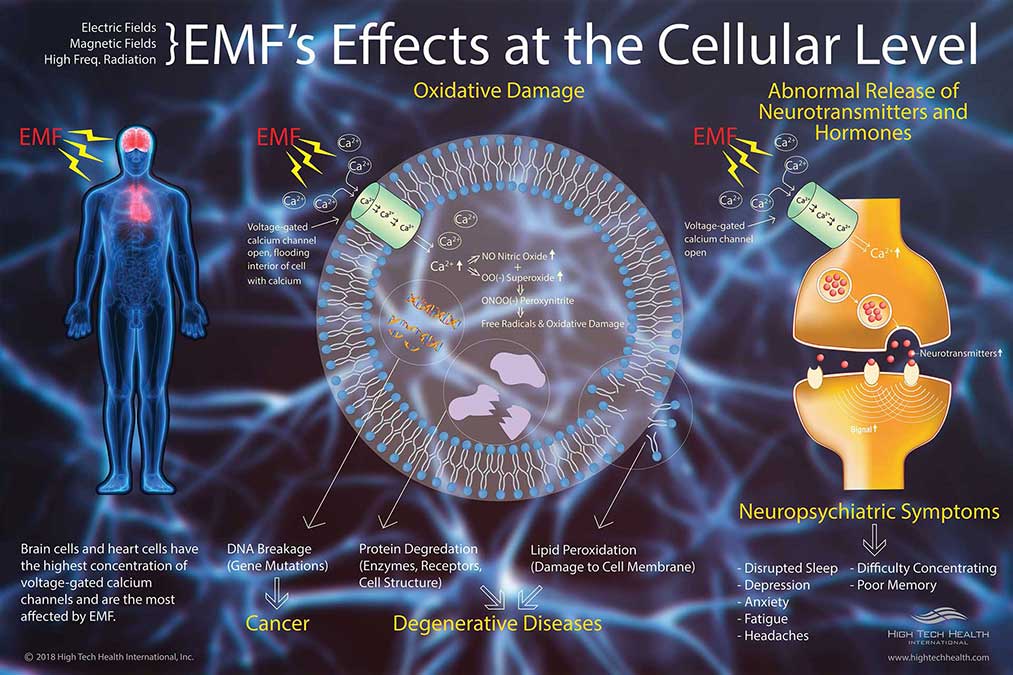
So, you're wearing a smartwatch all day, tracking your fitness goals and getting notifications – but what's happening to your body? Prolonged exposure to EMF radiation from these devices may cause biological effects, and research is still ongoing to understand the full impact. Some studies have raised concerns about potential links to serious health issues like cancer, neurological problems, and reproductive issues.
What Do the Studies Say?
The National Toxicology Program (NTP) did a study on cell phone radiation (similar EMFs to smartwatches) and found "clear evidence" of cancer in male rats. Now, this doesn't mean it's a done deal for humans, but it's definitely worth paying attention to. The World Health Organization's International Agency for Research on Cancer (IARC) classifies radiofrequency EMFs as "possibly carcinogenic to humans" (Group 2B).
There's also research suggesting potential impacts on brain activity and sleep patterns. A 2019 study in the journal Environmental Research found that exposure to EMF radiation similar to what you'd get from a smartwatch affected brain activity in humans. Not great, right?
- Some reported symptoms from EMF exposure include headaches, fatigue, and concentration issues – though these aren't conclusive.
- Regulatory bodies like the FCC and FDA set guidelines, but safety limits are still debated among experts.
- The FCC says smartwatches are safe if they meet Specific Absorption Rate (SAR) limits.
Bottom line: there's no definitive proof of major harm, but you might want to take precautions if you're a heavy smartwatch user. Like, do you really need to wear it to bed? Probably not.
Measuring EMF Exposure
So, you're wondering how we measure EMF exposure from smartwatches? It's typically measured in microWatts per square meter (µW/m²). Guidelines from organizations like ICNIRP (International Commission on Non-Ionizing Radiation Protection) suggest exposure limits between 0.1-10 µW/m². But here's the thing: actual exposure from smartwatches often falls within these limits.
Real-World Examples
Let's look at some numbers. A study by the Swedish Radiation Safety Authority tested several popular smartwatches, including the Apple Watch and Samsung Galaxy Watch. Results showed exposure levels ranging from 0.1 to 1.5 µW/m² – within the safe limits. For context, a typical Wi-Fi router emits around 10-100 µW/m².
However, caution is advised. Some studies suggest prolonged exposure, even within limits, might have biological effects. The Environmental Health Trust points out that exposure levels can vary based on usage patterns and device placement. You're wearing your smartwatch on your wrist, often close to your body – that's different from a Wi-Fi router sitting across the room.
- ICNIRP guidelines: 0.1-10 µW/m²
- Typical smartwatch exposure: 0.1-1.5 µW/m²
- Wi-Fi router exposure: 10-100 µW/m²
Bottom line: while smartwatch EMF exposure is generally within guidelines, staying informed and taking simple precautions can help you stay comfortable with your wearable tech. 😊
Minimizing Exposure

So, you've got a smartwatch, and you're wondering how to minimize your exposure to EMFs. Let's get straight to it. Limiting your smartwatch use is a great starting point, especially if you're pregnant or have kids. The World Health Organization (WHO) recommends limiting exposure to EMF-emitting devices, especially for vulnerable groups.
Simple Steps to Reduce Exposure
You can start by using airplane mode or turning off your smartwatch when you're not using it. This can significantly reduce EMF emissions. For example, if you're working out, turn on airplane mode to prevent unnecessary radiation. Brands like Apple and Samsung have features that allow you to easily switch to airplane mode.
When shopping for a smartwatch, look for devices with lower SAR values. SAR (Specific Absorption Rate) measures the amount of RF energy absorbed by the body. For instance, the Apple Watch Series 7 has a SAR value of 0.38 W/kg, while the Samsung Galaxy Watch4 has a SAR value of 0.28 W/kg. Choosing devices with lower SAR values can make a difference.
- Check the SAR value of your device: You can usually find this information on the manufacturer's website or on the device's packaging.
- Use a smartwatch with built-in EMF shielding: Some manufacturers are now incorporating EMF-shielding technology into their devices.
- Keep your smartwatch away from your body when not in use: This can help reduce exposure to EMFs.
By taking these simple steps, you can minimize your exposure to EMFs and enjoy your smartwatch without worrying too much. The key is to be mindful of your usage and make informed choices.
The Future of Wearable Tech
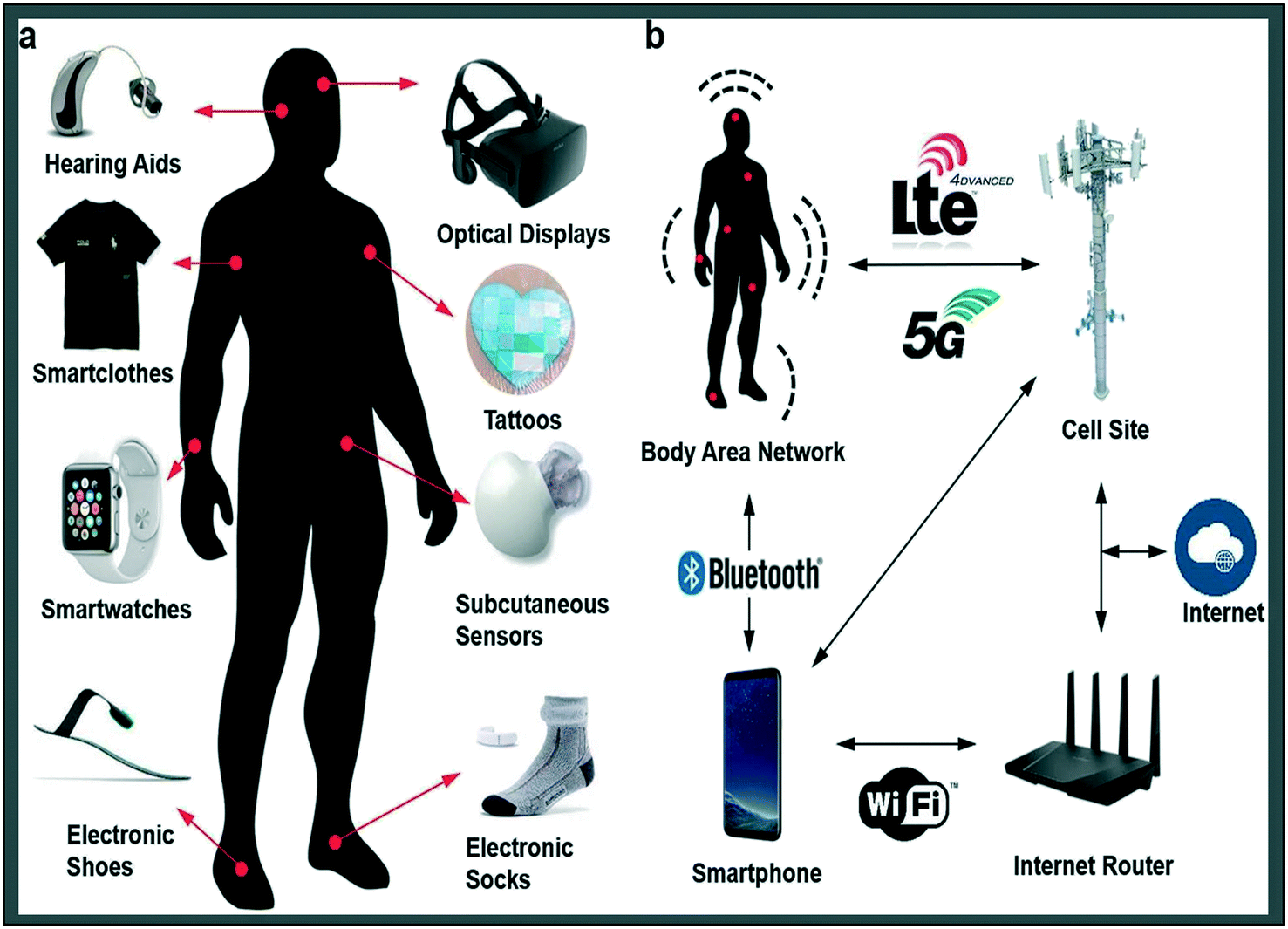
You're probably wondering what's next for smartwatches and other wearable devices. As tech advances, manufacturers are working to make them safer. Companies like Apple and Samsung are exploring new designs that reduce EMF exposure without sacrificing performance.
What's Being Done?
Ongoing research aims to clarify the health risks and benefits of wearable tech. Studies are looking at how different materials and designs impact EMF emissions. For example, some companies are experimenting with shielding materials and optimized antenna designs to minimize exposure.
You're part of this evolution – by demanding safer products, you're driving change. Manufacturers are responding, and that's a good thing. As a consumer, you've got the power to choose devices that prioritize your health.
Your Move
So, what can you do? Stay informed about the latest research and product developments. Check the SAR (Specific Absorption Rate) values of devices before buying. Look for brands that prioritize EMF safety, like those with shielding technology or low-EMF designs.
- Check SAR ratings: lower is better (aim for <2 W/kg)
- Opt for devices with built-in safety features
- Limit wear time or use airplane mode when possible
The future of wearable tech is exciting, and it's being shaped by your choices. As research unfolds, expect to see even safer, smarter devices hitting the market. The question is: are you ready to upgrade?











Comments ()