Sleep Tracking Devices - Do They Really Improve Sleep Quality?

You toss and turn, staring at the ceiling as the clock ticks away another restless night. You're not alone – India's sleep deprivation epidemic affects a staggering 30% of the population, according to a recent study. With the rise of sleep tracking devices promising to crack the code to better sleep, many are wondering: do these gadgets really work? As wearable technology advances, devices like Fitbits and smart mattresses claim to monitor and improve sleep quality, but can they deliver? Let's dive into the world of sleep tracking and uncover the truth behind these sleep-saving devices.
The Promise of Sleep Tracking
You're probably one of the millions of people who've strapped on a fitness tracker or smartwatch to bed, hoping to unlock the secrets of a better night's sleep. Sleep tracking devices claim to monitor and improve sleep quality, but do they really deliver? These devices use sensors to track movement, heart rate, and other metrics, providing a wealth of data about your sleep patterns. According to a study published in the National Sleep Foundation, 70% of people who track their sleep report improvements in their sleep quality. That's a pretty promising statistic. Devices like Fitbit, Garmin, and Apple Watch have become increasingly popular, with many users swearing by their sleep-tracking features. These devices can track everything from sleep duration and stages (light, deep, and REM) to sleep cycles and even snoring patterns. But here's the thing: not all sleep tracking devices are created equal. Some use actigraphy, which tracks movement to estimate sleep patterns, while others use more advanced technologies like electrodermal activity (EDA) or even ballistocardiography (BCG). And then there are the apps that use your phone's accelerometer and microphone to track sleep patterns. But what does it all mean? Dr. Charles Czeisler, a sleep expert at Harvard Medical School, notes that while sleep tracking devices can be useful tools, they're not a substitute for professional medical advice. "These devices can be helpful in identifying patterns and trends, but they're not always accurate," he warns. So, do sleep tracking devices really improve sleep quality? The answer isn't a simple yes or no. Let's dive deeper into the benefits and limitations of sleep tracking devices to find out.
The Science Behind Sleep Tracking
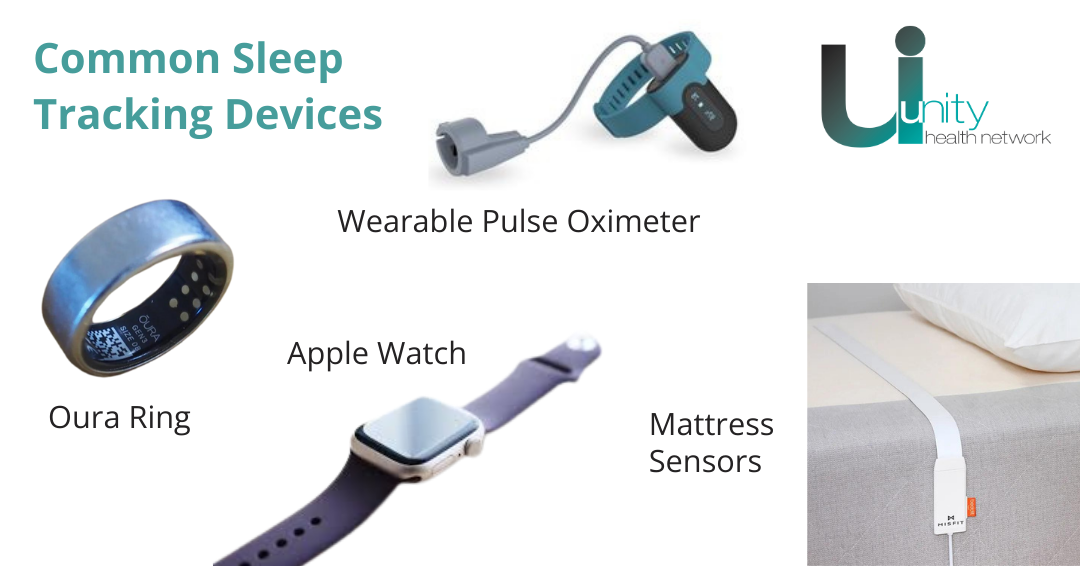
So, how do sleep tracking devices actually work? Most devices use a combination of sensors to monitor your movement, heart rate, and other metrics. For example, Fitbit's Sense 2 uses actigraphy to track your movement and infer sleep patterns, while the Apple Watch Series 8 uses heart rate variability (HRV) to detect subtle changes in your body's autonomic nervous system.
The Metrics
These devices typically track a range of metrics, including sleep duration, sleep stages (light, deep, REM), and sleep quality. Some devices, like the Oura Ring, also measure HRV, which can provide insights into your body's stress levels and recovery. These metrics can be super useful in helping you understand your sleep patterns and identify potential issues.
For instance, a study published in the Journal of Clinical Sleep Medicine found that sleep tracking devices can accurately detect sleep stages with up to 80% accuracy. However, accuracy can vary between devices and individuals, so it's not a one-size-fits-all solution.
The Limitations
One of the biggest limitations of sleep tracking devices is that they're not always 100% accurate. Factors like device placement, skin type, and individual variability can affect accuracy. For example, a study by the University of California, Los Angeles (UCLA) found that sleep tracking devices can overestimate sleep duration by up to 30 minutes.
- Actigraphy: measures movement and activity levels
- HRV: measures heart rate variability and stress levels
- Accelerometers: measure movement and orientation
- Gyroscopes: measure orientation and rotation
Despite these limitations, sleep tracking devices can still provide valuable insights into your sleep patterns and help you identify areas for improvement. By understanding your sleep metrics, you can make informed changes to your sleep habits and environment to improve your overall sleep quality.
Benefits of Sleep Tracking
You've got your sleep tracking device, now what? Well, one of the biggest perks is that it helps you identify patterns and disturbances in your sleep. For instance, the Fitbit Sense can track your sleep stages, including light, deep, and REM sleep, giving you a detailed breakdown of your night. This data can be super useful in pinpointing issues like sleep fragmentation, where you're waking up multiple times during the night.
Let's say you're consistently getting 7-8 hours of sleep, but still feeling tired. Your sleep tracker might reveal that you're spending too much time in light sleep and not enough in deep sleep, which is crucial for physical recovery. Armed with this info, you can start making changes to improve your sleep quality. Maybe you start winding down earlier, ditch the caffeine after 2 PM, or try relaxation techniques like meditation or deep breathing exercises.
Setting Goals and Tracking Progress
Another benefit of sleep tracking is that it lets you set goals and track your progress. The Oura Ring, for example, gives you a sleep score and provides personalized recommendations to help you sleep better. You can set targets like increasing your deep sleep duration or reducing your sleep latency (the time it takes to fall asleep). Seeing your progress can be a great motivator, encouraging you to stick to healthy sleep habits.
Let's look at a real-life example. Sarah, a 30-year-old marketing manager, started using a sleep tracker and discovered she was getting an average of 6 hours of sleep per night. She set a goal to increase this to 7.5 hours and started tracking her progress. By making small changes like establishing a bedtime routine and avoiding screens before bed, she was able to hit her target in just a few weeks. Her energy levels improved, and she felt more focused during the day.
- Identify sleep patterns and disturbances
- Set goals and track progress
- Gain insights into sleep hygiene and habits
Limitations and Concerns
So, you're thinking of investing in a sleep tracking device? Before you do, let's talk about some limitations and concerns. One major issue is accuracy. Studies have shown that devices like Fitbit and Garmin can be off by as much as 10-20% when tracking sleep stages. That's a pretty big margin of error, right?
Accuracy Issues with Certain Devices
For instance, a 2020 study published in the Sleep Health Foundation journal found that Fitbit Charge 2 overestimated sleep duration by an average of 46 minutes per night. And if you're not tracking your sleep accurately, are you really getting the insights you need to improve it? Plus, different devices use different algorithms, so it's hard to know what's real and what's not.
Then there's the issue of data interpretation. Your device might be tracking your sleep, but what does it all mean? You'll need to understand your sleep cycles, REM sleep, and all that jazz. And let's be real, most devices don't do a great job of providing actionable insights. You're left staring at a screen, wondering what to do with all that data.
Potential for Sleep Anxiety and Obsession
And here's another thing: sleep tracking can make you a bit... anxious. You start checking your stats every morning, stressing about your sleep score. Some people even develop sleep anxiety or orthosomnia – that's a fancy term for an obsession with getting perfect sleep. Dr. Rosalind Picard, a pioneer in wearable sleep tracking, has spoken about this very issue. She points out that while tracking can be helpful, it can also lead to an unhealthy obsession. You're trying to improve your sleep, but now you're stuck in a cycle of worry.
- Inaccurate data leading to misinformed decisions
- Lack of standardization across devices
- Potential for increased stress and anxiety
So, are sleep tracking devices worth it? Well, that's for you to decide. Just know the limitations and concerns before you start tracking.
Choosing the Right Device
So, you're looking to get a sleep tracking device? That's awesome! Now, let's break it down - there are wearables like Fitbit Inspire or Garmin Vivosport, non-wearables like the Beddit Sleep Tracker, and even phone apps like Sleep Cycle. Each has its pros and cons, and it's crucial to figure out what works best for you.
Device Type: What's Your Style?
If you're someone who's always on the go, a wearable might be your best bet. They're convenient and track your sleep, steps, and heart rate all in one go. For instance, the Oura Ring is a sleek, unobtrusive wearable that tracks sleep stages, heart rate, and even your readiness score. On the other hand, non-wearables like the ResMed S+ are great if you don't want to wear anything to bed.
Features and Metrics: What Do You Need?
Think about what you're looking to track - sleep stages, heart rate, snoring, or maybe even your sleep environment? Devices like the Withings Sleep offer advanced features like sleep score, heart rate monitoring, and even tracks snoring. If you're looking for something simple, apps like Sleep Cycle might suffice, tracking just your sleep patterns and wake-up phases.
When evaluating features, consider this: do you want detailed sleep analysis or just a simple sleep score? The more features, the pricier it gets, so prioritize what you need.
User Interface: Make It Simple
You don't want to spend hours figuring out how to use your device, right? Look for something intuitive, with clear data presentation. The Fitbit app, for example, gives you a clear sleep score and insights into your sleep patterns. Make sure the device you choose has a user-friendly interface, so you can focus on improving your sleep, not decoding your data.
Ultimately, the right device is one that fits your lifestyle and sleep goals. Take your time, read reviews, and experiment if you can. Your perfect sleep tracker is out there!
Maximizing the Benefits

So, you've got your sleep tracking device, and you're eager to improve your sleep quality. Now what? It's time to put that data to work. By analyzing your sleep patterns, you can identify areas for improvement and make informed changes to your routine. For example, if your tracker shows you're getting only 6 hours of sleep, you might adjust your bedtime from 11 PM to 10 PM to hit those crucial 7-8 hours.
Setting Realistic Goals
Don't expect to overhaul your sleep habits overnight. Start small. If you're a night owl, don't try to wake up at 5 AM right away. Instead, set a goal to wake up 30 minutes earlier each day and gradually work your way up. This approach helped James, a 30-year-old marketing executive, adjust his sleep schedule. He started waking up at 7:30 AM and eventually reached his goal of 6:30 AM, feeling more energized and focused throughout the day.
Combining sleep tracking with good sleep hygiene practices is key. Establish a bedtime routine: dim the lights, take a warm bath, and avoid screens for an hour before bed. Make your bedroom a sleep haven – invest in blackout curtains, a comfortable mattress, and a white noise machine if needed, just like fitness enthusiast Priya did. Her sleep tracker showed improved quality, and she now swears by her relaxing pre-sleep routine.
- Stick to your schedule, even on weekends
- Avoid caffeine and heavy meals close to bedtime
- Get some morning sunlight to regulate your circadian rhythms
By implementing these strategies, you'll be on your way to better sleep. Your tracker is a tool – use it to inform your habits, set realistic goals, and cultivate healthy sleep practices. The result? Improved sleep quality, increased energy, and a more vibrant you.
The Future of Sleep Tracking
You're probably wondering what's next for sleep tracking technology. Well, the future looks bright, and it's all about taking things to the next level. Advancements in sensor technology and data analysis are paving the way for more accurate and insightful sleep tracking.
For instance, companies like Oura and Fitbit are already leveraging advanced heart rate variability (HRV) monitoring and machine learning algorithms to provide more detailed sleep analysis. These wearables can now detect subtle changes in your sleep patterns, giving you a better understanding of your sleep quality. It's like having a personal sleep coach, minus the hefty price tag!
Integration is Key
The real magic happens when sleep tracking integrates with other health and wellness platforms. Imagine your sleep tracker syncing seamlessly with your fitness app, nutrition planner, and stress management tool. That's the kind of holistic approach that's going to revolutionize the way we approach sleep. Take, for example, the integration of Garmin with popular health apps like MyFitnessPal – it's a game-changer.
There's also the potential for personalized sleep coaching and interventions. With the help of AI-powered sleep analysis, you could receive tailored recommendations to improve your sleep quality. Whether it's adjusting your bedtime routine or suggesting relaxation techniques, the possibilities are endless.
- Advanced sleep stage tracking
- Personalized sleep schedules
- Smart alarm features
As technology continues to evolve, we can expect sleep tracking to become an integral part of our overall wellness routine. And who knows, you might just find yourself sleeping better than ever before!
Taking Control of Your Sleep

You've got the data, now what? Sleep tracking devices are just tools – it's what you do with the insights that matters. Think of it like fitness tracking: knowing your steps is great, but actually moving is what gets results.
Focus on building solid sleep hygiene habits. Simple changes can make a big difference: set a consistent wake-up time, even on weekends. Create a bedtime routine that works for you, like reading or meditation. Make your bedroom a sleep sanctuary – dark, quiet, and cool. These tweaks can improve your sleep quality more than obsessing over tracking every night.
Actionable Takeaways:
Use your sleep tracker to identify patterns, then make targeted changes. For example, if you notice you're restless on workdays, try adjusting your exercise routine or dinner time. If stress is keeping you up, apps like Headspace or Calm can help. Prioritize self-care – it's not selfish, it's necessary for good sleep.
Stress management is key. Techniques like journaling, yoga, or even a 10-minute walk can calm your mind before bed. Dr. Matthew Walker, sleep researcher and author of Why We Sleep, emphasizes the importance of unwinding before bed. "The blue light thing is real, but it's just the tip of the iceberg," he says.
Bottom line: sleep tracking can be super helpful, but it's not a magic fix. Use it as a guide, not a rulebook. Experiment, adjust, and find what works for you. Sweet dreams – they're within reach.










Comments ()