Sleep Trackers That Deliver Accurate Data
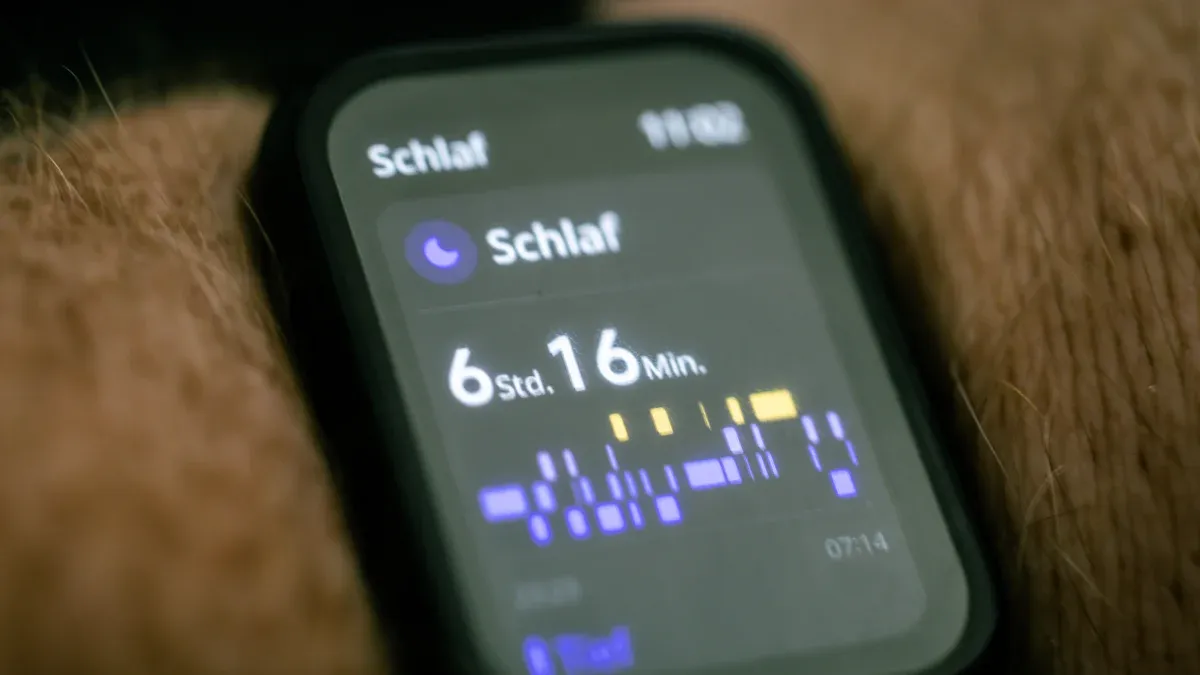
Are you tired of waking up feeling like you've slept for hours, only to find you've been tossing and turning all night? You're not alone - a recent study found that nearly 30% of Indians suffer from sleep disorders, making it one of the country's fastest-growing health concerns. With the rise of wearable technology, sleep trackers have become a popular solution, promising to reveal the secrets of our slumber. But do they really work? With advancements in AI-powered tracking and heart rate variability monitoring, the latest sleep trackers are more accurate than ever, providing actionable insights to help you upgrade your sleep game. Let's dive into the world of sleep trackers that deliver accurate data, starting with the top contenders.
The Quest for Better Sleep

You wake up feeling groggy, stumble through your morning routine, and rely on caffeine to power through the day. You're not alone. Millions of people struggle with sleep, and it's taking a toll on their daily lives. According to the Indian Sleep Foundation, about 30% of Indians suffer from insomnia, and sleep deprivation costs the country billions in lost productivity each year.
Sleep is the new fitness
But here's the thing: sleep is not just a passive activity. It's a critical component of your overall health, right up there with diet and exercise. When you sleep well, you feel more energized, focused, and equipped to tackle life's challenges. That's where sleep trackers come in – they're like having a personal sleep coach, providing insights into your sleep patterns and helping you identify areas for improvement.
The good news is that sleep trackers have come a long way in recent years. Gone are the days of cumbersome wires and inaccurate readings. Today's sleep trackers are sleek, comfortable, and packed with advanced sensors that deliver accurate data on your sleep stages, duration, and quality. Whether you're a light sleeper or a heavy snorer, there's a sleep tracker out there for you.
- Identify sleep patterns and stages
- Monitor sleep quality and duration
- Track sleep disorders like insomnia and sleep apnea
But with so many options available, choosing the right sleep tracker can be overwhelming. That's why we're here to cut through the noise and bring you the top sleep trackers that deliver accurate data. From wearables to non-wearables, we'll dive into the best options, their features, and what sets them apart.
How Sleep Trackers Work
You might be wondering how these sleep trackers actually work their magic. Well, most of them use PPG (photoplethysmography) sensors to monitor your heart rate and sleep stages. It's pretty cool tech - basically, they shine a light onto your skin and measure how much light is absorbed, which changes as blood flows through your veins.
The Key Things They Track
Sleep trackers typically monitor a combo of movement, heart rate, and body temperature to figure out what you're doing while you sleep. For example, Fitbit's sleep tracking uses a mix of your movement patterns and heart rate variability to detect when you're snoozing, in light sleep, deep sleep, or REM sleep. It's like having a mini sleep scientist on your wrist.
Some of the more advanced trackers, like the Oura Ring, take it up a notch by incorporating AI to improve accuracy. They can detect subtle changes in your body temperature, heart rate, and movement patterns to give you more precise sleep stage tracking and insights. The Oura Ring, for instance, claims to detect sleep stages with 95% accuracy compared to polysomnography (the gold standard sleep study).
There's also some pretty interesting research behind how these trackers work. For example, studies have shown that heart rate variability (HRV) can be a good indicator of sleep quality and stress levels. So, by tracking HRV, sleep trackers can give you insights into how rested and recovered you are.
- Movement patterns
- Heart rate variability
- Body temperature fluctuations
- Sleep-wake cycles
Top Sleep Trackers of 2025
If you're serious about upgrading your sleep game, you'll want to check out these top sleep trackers of 2025. Let's start with the Aura Ring - it's like wearing a tiny, stylish sleep coach on your finger. This little device uses AI to give you super accurate sleep tracking, and it's comfy enough to wear all night. I mean, who wouldn't want to wear a ring to bed, right? The Aura Ring tracks your sleep stages, heart rate, and even gives you tips to improve your sleep quality.
The Oura Ring 4 is another popular choice, and for good reason. It's like having a sleep scientist on your finger, tracking your sleep stages, heart rate, and more. You'll get a detailed breakdown of your sleep patterns, including how much time you spent in light, deep, and REM sleep. Plus, it's sleek and stylish, so you can wear it on its own or with other jewelry. The Oura Ring 4 is perfect for anyone who wants a deeper understanding of their sleep.
Athletes, listen up! The Whoop Strap 4.0 is designed specifically with you in mind. This thing tracks not just your sleep, but also your recovery, strain, and readiness. It's like having a personal coach telling you when to push hard and when to take it easy. The Whoop Strap 4.0 uses advanced algorithms to give you a detailed picture of your body's recovery and sleep quality. You'll be able to optimize your training and performance like never before.
Key Features to Look For
- Accuracy and reliability of sleep tracking data
- Comfort and wearability, especially for overnight use
- Advanced features like sleep stage tracking and heart rate monitoring
- Integration with other health and fitness apps
Dive deeper: [How do sleep trackers use AI to improve accuracy?]((link unavailable)) [What's the difference between sleep stages and sleep cycles?]((link unavailable)) [Can sleep trackers really improve athletic performance?]((link unavailable))
Key Features to Consider

When choosing a sleep tracker, you're looking for accuracy, comfort, and something that fits seamlessly into your lifestyle. Let's break it down.
Accuracy: The Game-Changer
PPG (Photoplethysmography) sensors are the gold standard here. Brands like Fitbit and Garmin use these to measure heart rate variability, which is crucial for tracking sleep stages. For instance, the Fitbit Sense has shown impressive accuracy in clinical studies, with a reported 90% accuracy rate in detecting sleep stages compared to polysomnography (PSG) tests.
Look for devices that have undergone validation studies – that's your guarantee of reliable data. The Oura Ring, for example, has partnered with sleep research institutions to validate its sleep tracking capabilities.
Comfort: Wearable or Non-Wearable?
Comfort's key, right? If you can't wear it consistently, it's not doing its job. Wearables like the Apple Watch or Fitbit Charge sit snugly on your wrist, while non-wearables like the Withings Sleep Analyzer tuck under your mattress. The latter uses advanced sensors to track heart rate, breathing, and movement without you even noticing it's there.
Battery Life and Compatibility
You don't want your tracker dying on you mid-night, so battery life's a big deal. The Oura Ring boasts up to 7 days of battery life, while most Fitbit models last around 5-7 days. Make sure the tracker you choose is compatible with your phone, whether it's iOS or Android. Some, like the Garmin Forerunner, work seamlessly with both.
- Check for Bluetooth connectivity for easy data syncing
- Consider water resistance if you're a sweaty sleeper
- Look for companion apps with detailed sleep analysis
Now that you've got the lowdown, it's time to pick a tracker that fits your sleep needs.
The Benefits of Sleep Tracking
You've got your sleep tracker set up, and now you're wondering what's next? Well, here's the thing: sleep tracking is more than just getting a good night's sleep – it's about understanding your body's rhythms and patterns. By monitoring your sleep, you can identify potential issues, like insomnia or sleep apnea, and take proactive steps to address them.
Pinpoint Your Sleep Patterns
Sleep tracking helps you understand your unique sleep patterns, including your sleep stages, duration, and quality. For instance, a study by the National Sleep Foundation found that people who tracked their sleep using a wearable device like Fitbit or Oura Ring saw significant improvements in their sleep quality. You're not just getting data; you're getting insights into your body's needs.
Take Sarah, a 35-year-old marketing manager who started using a sleep tracker to manage her stress. She discovered she was getting only 6 hours of sleep, with frequent wake-ups during the night. Armed with this data, she adjusted her bedtime routine, started practicing yoga, and limited her screen time before bed. Result? She now gets 7.5 hours of sleep, feels more energized, and is more productive at work.
Make Informed Lifestyle Changes
With sleep tracking data, you can make informed decisions about your lifestyle. Maybe you need to cut back on caffeine or adjust your exercise routine. The data doesn't lie – it's like having a personal sleep coach. For example, if you're like John, a fitness enthusiast who works out at 8 PM, you might find that your intense evening workouts are disrupting your sleep. Time to adjust your gym schedule!
- Get personalized recommendations for sleep schedules and routines
- Identify sleep disruptors like caffeine, nicotine, or screen time
- Track progress and adjust your habits accordingly
By leveraging sleep tracking data, you're taking control of your sleep and, by extension, your overall health and wellbeing. And that's a game-changer.
Common Challenges with Sleep Trackers
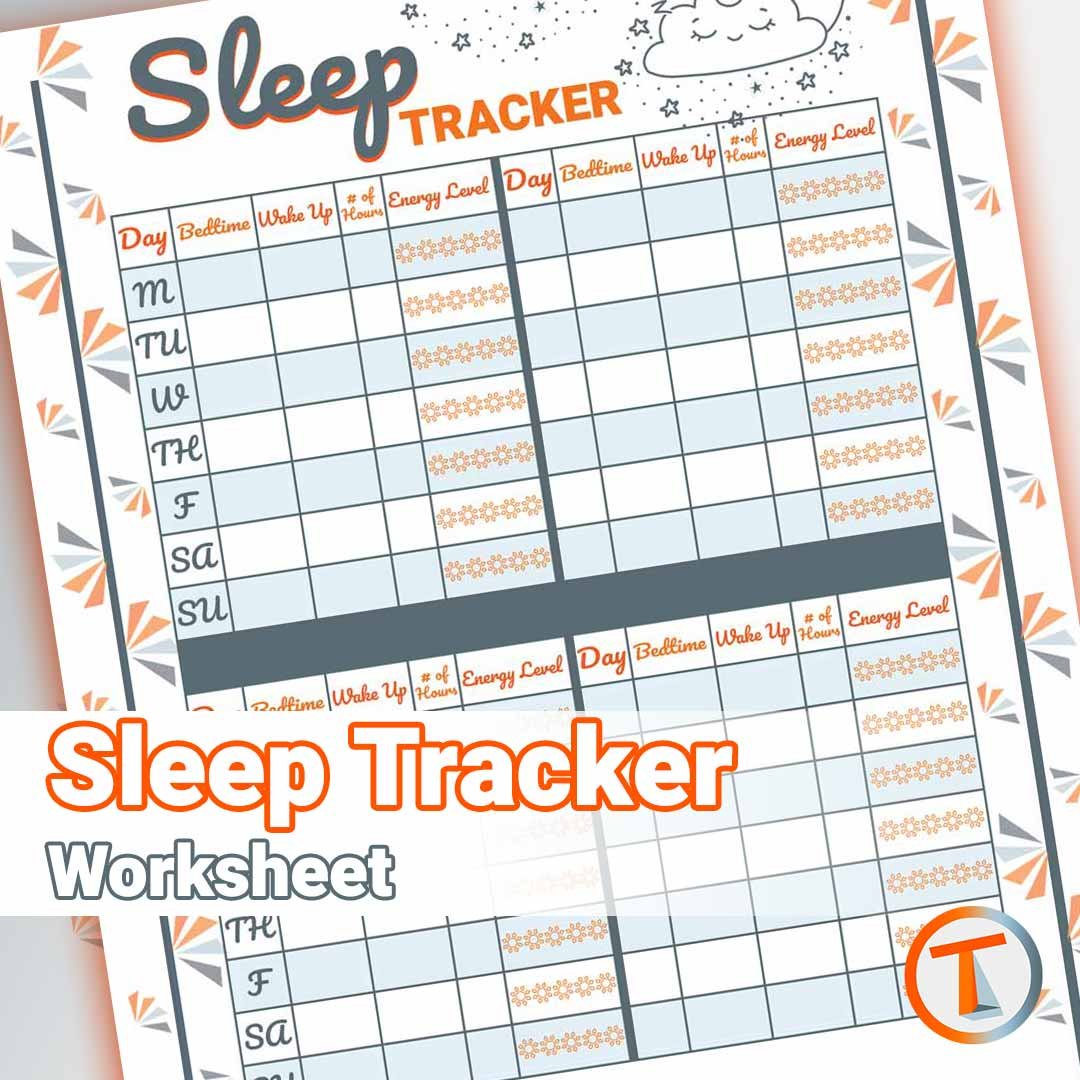
You've got your sleep tracker, you're wearing it to bed, and you're excited to see how you're sleeping. But here's the thing: accuracy can be a bit hit or miss, especially when it comes to light and deep sleep stages. For example, a study published in the Sleep Health Foundation journal found that Fitbit's sleep tracking accuracy varies significantly across different sleep stages, with only 69% accuracy for deep sleep detection.
The Anxiety Trap
And then there's the issue of overreliance on data. You start checking your sleep scores every morning, and suddenly you're stressing about your sleep. It's like, you're trying to improve your sleep, but the tracker is actually making you more anxious! Research suggests that people who track their sleep can experience increased anxiety and stress, which, ironically, can worsen sleep quality.
Take Emma, a 30-year-old marketing manager who started using a sleep tracker to improve her sleep. "I was so obsessed with getting my sleep score above 90 that I started worrying about my sleep every night. It became a vicious cycle – I couldn't sleep because I was stressed about my sleep, and my sleep score kept dropping."
Regulation and Standardization
The thing is, sleep trackers aren't regulated by any governing body, so there's limited standardization across devices. This means that two different trackers can give you wildly different results. For instance, a study comparing Fitbit, Garmin, and Apple Watch sleep tracking found significant discrepancies in sleep stage detection.
- Fitbit: 69% accurate for deep sleep detection
- Garmin: 78% accurate for light sleep detection
- Apple Watch: 85% accurate for overall sleep duration
So, what's the takeaway? Be aware of these limitations, and don't get too caught up in the numbers. Use sleep trackers as a guide, but also tune into your body's own rhythms and needs.
Beyond the Numbers
You've got your sleep tracker, and you're getting all the data. But here's the thing: numbers are just part of the story. Think of your tracker like a coach, not the referee. It's there to guide you, not dictate your every move.
Listen to your body – it's smarter than any gadget. If you're feeling rested and refreshed, that's great. But if you're tracking 8 hours of sleep and still feeling like you need a nap, something's off. Take Emma, a 30-year-old marketing manager who's been tracking her sleep with a Fitbit. Her data showed she was getting 7-8 hours of sleep, but she was still feeling tired. Turns out, her sleep quality was poor, with lots of tossing and turning. She adjusted her sleep environment, and her energy levels shot up.
Use Trackers as a Tool, Not the Sole Guide
Your sleep tracker is just one piece of the puzzle. Don't get too caught up in the numbers. Focus on how you feel. Are you waking up feeling refreshed? Can you focus during the day? That's what matters. Dr. Michael Breus, a sleep specialist, says, "Sleep trackers are great for identifying patterns, but you need to look at the bigger picture."
- Track your sleep environment: noise, temperature, light
- Monitor your lifestyle: exercise, caffeine, screen time
- Pay attention to your body's signals: fatigue, mood swings
When in doubt, consult the experts. Talk to a sleep specialist or a healthcare pro. They'll help you make sense of the data and give you personalized advice. Like Sarah, a busy entrepreneur who struggled with insomnia. Her tracker data helped her see she was getting too much deep sleep, which was actually disrupting her REM sleep. With expert guidance, she adjusted her sleep habits and saw major improvements.
Bottom line: your sleep tracker is a tool, not a rulebook. Use it to inform your decisions, but trust your instincts and listen to your body.
Sleep Better, Live Better
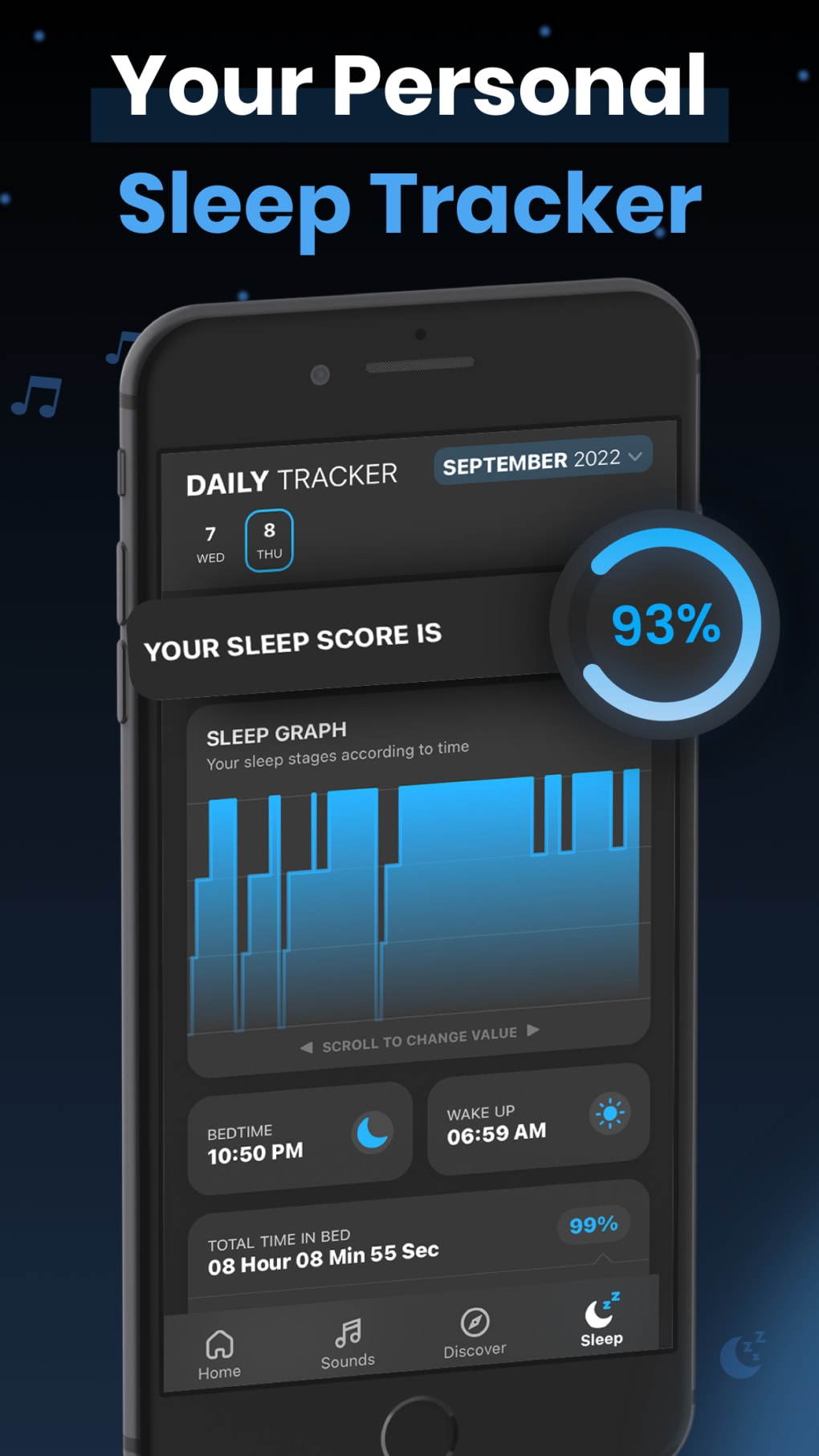
You've got the right tracker, now it's time to put it to work. Choosing a sleep tracker that fits your needs is just the first step - it's what you do with the data that matters. See, tools like Fitbit's Sense 2 or the Oura Ring Gen3 aren't just gadgets; they're your sleep coaches, giving you the lowdown on your nightly habits.
Make Sleep a Priority
Focus on building healthy sleep habits, and you'll start noticing changes. It's not just about tracking; it's about acting on what you learn. For instance, if your tracker tells you you're getting 7 hours of sleep but still feeling tired, it's time to tweak your routine - maybe try winding down earlier or ditching screens before bed.
Better sleep is within reach, and it's a game-changer. Think about it: better rest means better focus, mood, and even productivity. It's like upgrading your whole life. With the right insights and a bit of commitment, you'll be sleeping like a pro in no time.
The bottom line? Your sleep tracker is a tool, and you're the builder. Use it to create the sleep (and life) you want.






Comments ()