Psilocybin - The Psychedelic Mushroom's Hidden Potential
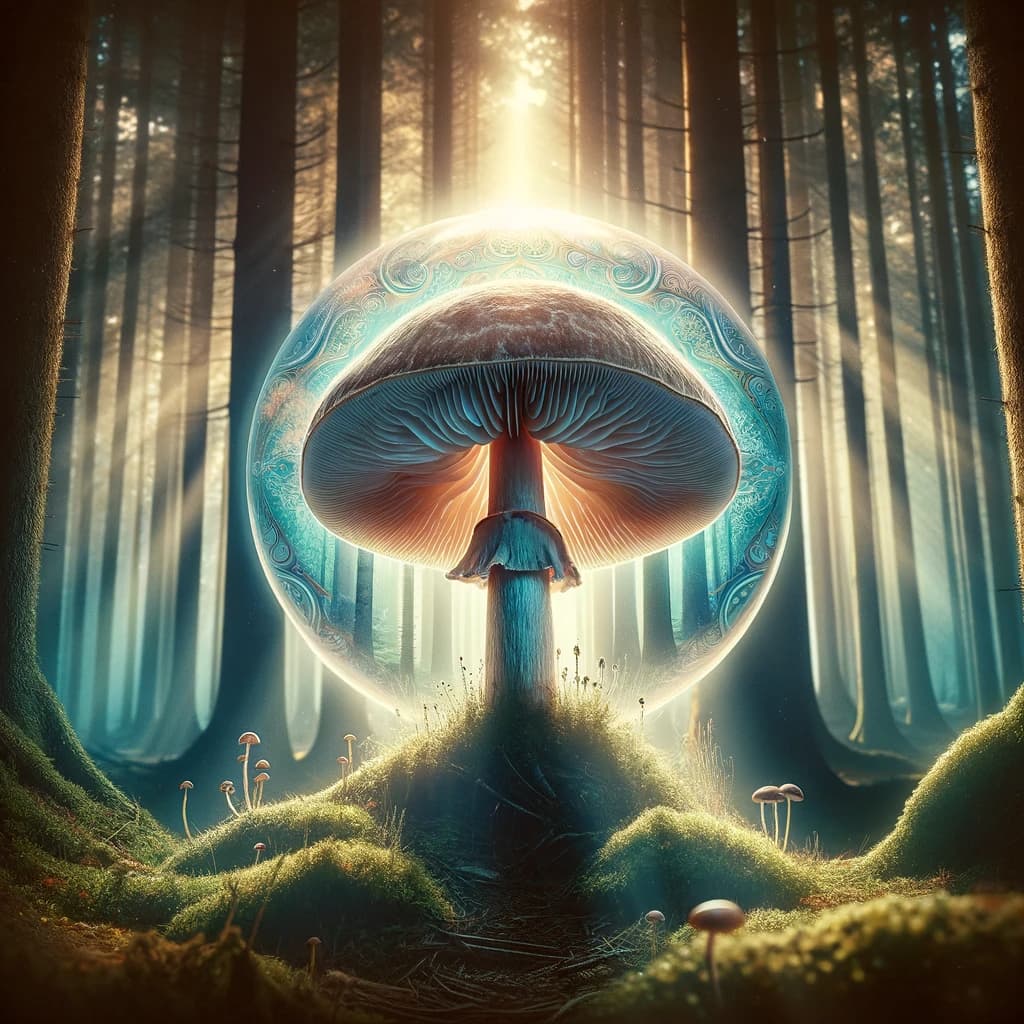
Imagine a world where mental health treatment isn't a guessing game, where depression and anxiety are tackled with a revolutionary tool that's been hiding in plain sight. Welcome to the untapped potential of psilocybin, the psychedelic mushroom that's rewriting the rules of modern psychiatry. With the US FDA granting breakthrough therapy status to psilocybin-assisted therapy in 2018, and recent studies showing a staggering 71% reduction in depression symptoms, it's clear this ancient fungus is onto something big. As research unfolds, it's time to dive into the fascinating world of psilocybin and explore its hidden potential to transform mental health care.
The Ancient Rituals and Modern Mystique
Psilocybin mushrooms have been around for thousands of years, with evidence suggesting they're been used in traditional ceremonies for centuries. You're probably familiar with their nickname - 'magic mushrooms'. These fungi contain a psychoactive component called psilocybin, which has hallucinogenic effects that have both fascinated and intimidated people.
The history of psilocybin use is pretty interesting. Ancient cultures like the Aztecs and the indigenous people of Mesoamerica used these mushrooms in spiritual rituals. They believed the mushrooms allowed them to communicate with gods and ancestors. Fast forward to the 1950s, and psilocybin was being researched by scientists like Albert Hofmann, who synthesized LSD. He saw potential for these substances in psychotherapy, sparking a wave of research.
A Growing Field of Study
There's been a resurgence of interest in psilocybin's therapeutic potential. Studies have shown promising results for treating depression, anxiety, and addiction. According to a 2020 study published in the Journal of Psychopharmacology, psilocybin-assisted therapy significantly reduced symptoms of depression in patients. Experts like Dr. Roland Griffiths, a psychopharmacologist at Johns Hopkins University, have been at the forefront of this research, highlighting psilocybin's potential to revolutionize mental health treatment.
Despite the growing interest, there's still a lot of mystery surrounding psilocybin. Claims of widespread ancient use are often exaggerated, and the lack of concrete evidence has led to ongoing debates. However, one thing's clear - psilocybin is a powerful substance that's been used for centuries, and its potential is only just beginning to be understood.
The Science Behind the Trip

So, you've probably heard that psilocybin is the magic compound in those psychedelic mushrooms, but have you ever wondered what it actually does in your brain? Well, here's the lowdown: when you ingest psilocybin, your body converts it into psilocin, which then binds to serotonin receptors, specifically the 5-HT2A receptor. This is where the magic happens, folks!
This binding process can cause a wild ride of effects, from euphoria and altered perception to spiritual experiences that'll leave you questioning reality. Take the famous case of Roland Griffiths, a psychologist at Johns Hopkins University, who conducted a study on psilocybin's effects on spiritual experiences. Participants reported profound experiences, with some describing it as one of the most meaningful experiences of their lives. For instance, one participant said, "I felt a sense of oneness with the universe, and it changed my perspective on life forever."
The Good, the Bad, and the Trippy
But it's not all rainbows and unicorns, unfortunately. Psilocybin can also cause some pretty adverse reactions, like nausea, anxiety, and even panic attacks. In fact, studies suggest that up to 20% of users experience some form of anxiety or paranoia. That's why it's crucial to approach these substances with caution and respect. You wouldn't want to end up like the unfortunate soul who thought they could handle a heavy dose and ended up having a bad trip in the ER.
- Psilocybin is converted to psilocin in the body
- Acts on serotonin receptors (5-HT2A)
- Can cause euphoria, altered perception, and spiritual experiences
- Carries risks of adverse reactions like nausea and panic attacks
The science is clear: psilocybin's effects are complex and multifaceted. As researchers continue to study this enigmatic compound, we're learning more about its potential therapeutic benefits and risks. Who knows, maybe one day it'll be used to treat depression or anxiety disorders? The possibilities are endless, and it's definitely worth keeping an eye on.
The Therapeutic Potential
Psilocybin's potential in mental health treatment is huge, and researchers are going all in. Studies have shown that a single dose of psilocybin can significantly reduce symptoms of depression in patients who haven't responded to traditional treatments. Like, COMPASS Pathways' phase IIb trial showed a 50% reduction in depression symptoms in treatment-resistant patients.
Australia made waves in 2023 by approving psilocybin for treatment-resistant depression. It's prescribed alongside psychotherapy, and patients are seeing promising results. In the US, late-stage clinical trials are underway, with institutions like Johns Hopkins and NYU leading the charge. They're exploring psilocybin's potential for depression, substance use disorders, and OCD.
Real-Life Breakthroughs
Take John's story – a veteran struggling with PTSD and depression for years. Traditional meds weren't cutting it, but after psilocybin-assisted therapy, he reported a significant drop in symptoms. Or consider the study on smoking cessation: psilocybin combined with CBT helped 80% of participants quit smoking for at least 6 months.
- Treating depression, especially treatment-resistant cases
- Substance use disorders, like alcoholism and nicotine addiction
- Obsessive-compulsive disorder (OCD)
The future looks promising, but more research is needed to understand psilocybin's full potential and risks.
The Legal Landscape

You're probably wondering what's happening with psilocybin laws, especially after seeing those wild headlines about psychedelic retreats and therapeutic breakthroughs. Well, here's the deal: in the US, psilocybin is still a Schedule I controlled substance, putting it in the same category as heroin and LSD. That means it's technically illegal to possess, distribute, or manufacture – but things are slowly shifting.
In 2020, Oregon became the first state to decriminalize psilocybin for therapeutic use, and cities like Denver and Oakland have followed suit. Even the DEA has approved some research facilities to study psilocybin's medical potential. But don't get it twisted – law enforcement is still cracking down. According to the DEA's own reports, seizures of psilocybin mushrooms jumped from 225 pounds in 2017 to over 1,300 pounds in 2020. That's a serious increase.
Global Variations
And if you think the US is complicated, look abroad. The Netherlands has essentially decriminalized psilocybin, while countries like Japan and Singapore maintain strict anti-drush laws with harsh penalties. Portugal's approach is interesting – they decriminalized all drugs in 2001, including psilocybin, focusing on treatment over punishment. Meanwhile, Canada's allowing researchers to explore psilocybin-assisted therapy for treatment-resistant depression.
- US federal law still prohibits psilocybin
- Oregon and some cities have decriminalized it
- International laws vary widely
Bottom line: the legal landscape is evolving fast. As research piles up on psilocybin's potential benefits, expect more changes – maybe even breakthroughs in how we approach mental health treatment. Stay tuned.
The Growing Interest in Psychedelics
You might be surprised to learn that psychedelics have been around for thousands of years, used by indigenous cultures for spiritual and medicinal purposes. But it's only in recent decades that Western science has begun to take notice. The 1960s counterculture movement sparked a wave of interest in psychedelics, with researchers like Timothy Leary and Roland Griffiths pioneering studies on psilocybin's potential benefits.
Fast forward to today, and the field is experiencing a full-blown renaissance. Researchers are studying psilocybin's potential to treat a range of mental health conditions, from depression and anxiety to addiction and PTSD. In fact, the FDA has granted "breakthrough therapy" designation to psilocybin-assisted therapy for treatment-resistant depression, paving the way for faster approval and wider availability.
The Science is Heating Up
Studies are yielding promising results. A 2016 study published in the Journal of Psychopharmacology found that psilocybin significantly reduced symptoms of depression in patients who hadn't responded to traditional treatments. Another study at Johns Hopkins University found that psilocybin-assisted therapy led to significant reductions in anxiety and depression in patients with life-threatening cancer.
These findings have sparked a surge of interest, with new studies and clinical trials emerging left and right. The Multidisciplinary Association for Psychedelic Studies (MAPS) is currently conducting phase III trials for MDMA-assisted therapy for PTSD, while companies like Compass Pathways and Usona Institute are pushing forward with psilocybin research.
- Over 60 clinical trials are currently registered for psilocybin research
- More than 10,000 participants have been dosed with psilocybin in clinical studies
- Top-tier institutions like Harvard, Stanford, and Imperial College London are leading the charge
The field is gaining momentum, and it's exciting to think about what the future might hold. As researcher Roland Griffiths puts it, "Psilocybin is showing tremendous promise in treating a range of mental health conditions, and we're just scratching the surface."
The Future of Psilocybin Therapy
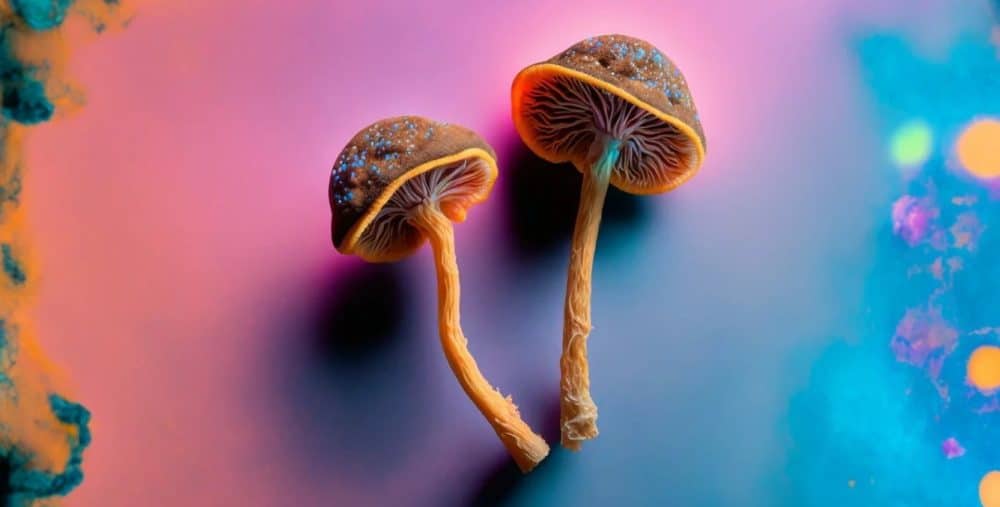
You're probably wondering what's next for psilocybin therapy. Well, the future looks bright! Ongoing research at institutions like Johns Hopkins University and Imperial College London is unlocking psilocybin's therapeutic potential, with over 30 active clinical trials exploring its use for depression, anxiety, and addiction.
Game-Changing Treatment Option?
Psilocybin-assisted therapy could be a game-changer for mental health treatment. Studies have shown that a single dose, combined with therapy, can lead to significant and lasting reductions in symptoms. For example, a 2020 study found that 71% of participants with treatment-resistant depression experienced significant improvements.
But there's still more to learn. Further studies are needed to fully understand psilocybin's benefits and risks, including optimal dosing and potential long-term effects. Researchers are also exploring its potential for treating PTSD, OCD, and addiction.
- Potential breakthroughs in treating mental health conditions
- Growing interest in psychedelic-assisted therapies
- Increased accessibility and awareness expected in the coming years
As research unfolds, you're likely to hear more about psilocybin's therapeutic potential. Keep an eye on this space – the future of mental health treatment might just be taking shape.
The bottom line? Psilocybin therapy is on the cusp of something big. As Dr. Roland Griffiths puts it, "The data are so compelling that it's hard to ignore the potential."



Comments ()