Protein Snacks - Meal Replacement Risks
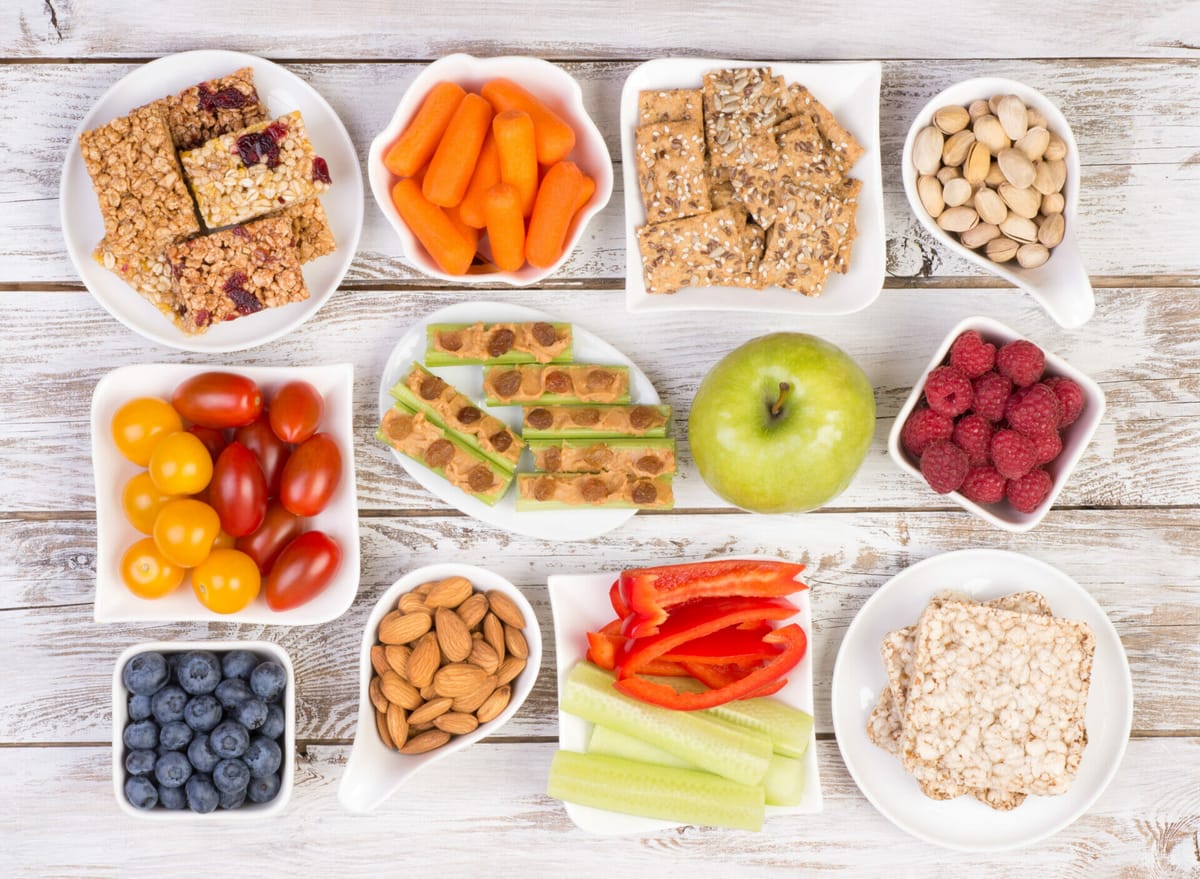
Are you grabbing a protein bar or shake on the go and thinking it's a healthy meal replacement? Think again! With the protein snack market booming - it's projected to reach ₹18,000 crore by 2025 - many of us are unknowingly risking our health. These snacks often mask hidden sugars, artificial additives, and excessive protein that can strain kidneys and lead to nutrient imbalances. As fitness enthusiasts and busy professionals increasingly rely on these quick fixes, experts are raising red flags about their long-term impact. Let's dive into the risks of using protein snacks as meal replacements and explore healthier alternatives.
The Protein Pitfall
You're grabbing a protein bar on the go, thinking it's a healthy choice, but did you know you're not alone? Convenience-driven snacking is on the rise, with the global protein snack market expected to reach $32.5 billion by 2025, according to a report by Grand View Research. Protein snacks are increasingly replacing full meals, especially among fitness enthusiasts and busy professionals.
But here's the thing: experts are raising red flags. The Mayo Clinic warns that high-protein diets may put a strain on kidney function and lead to nutrient imbalances. "While protein is essential for muscle growth and repair, overdoing it can have negative effects on overall health," says Dr. Donald Hensrud, a Mayo Clinic nutrition expert. You're probably getting more protein than you need, especially if you're relying on packaged snacks.
What's the Risk?
When you prioritize protein snacks over balanced meals, you might be missing out on essential nutrients like fiber, vitamins, and minerals. For instance, a typical protein bar can have as much as 20 grams of protein but lacks the fiber and antioxidants found in whole foods like fruits, nuts, and veggies.
- High protein intake may lead to kidney strain
- Protein snacks often lack essential nutrients
- Overconsumption of protein can lead to nutrient imbalances
The bottom line? Protein snacks can be a convenient option, but be mindful of the bigger picture. Stay tuned for our next section, where we'll dive into the impact of protein snacking on your overall diet.
Protein Overload: Hidden Dangers
You're probably thinking, "But wait, isn't protein good for me?" Absolutely, it is! Protein is essential for building and repairing tissues, and it's a crucial part of a balanced diet. But, like with most things, too much of a good thing can be bad news. Let's break it down. Excessive protein can put a strain on your kidneys. See, when you consume high amounts of protein, your kidneys have to work overtime to process and eliminate the excess nitrogen waste. This can be particularly problematic if you have pre-existing kidney issues. A study published in the Journal of the American Society of Nephrology found that high protein intake can accelerate kidney disease progression in people with compromised kidney function. But it's not just kidney health that's a concern. High-protein diets can also lead to nutrient imbalances. Think about it: if you're loading up on protein shakes and powders, you might be skimping on other essential nutrients like fiber, vitamins, and minerals. For example, a typical protein bar might have 20 grams of protein, but it's often accompanied by added sugars, artificial flavors, and preservatives. Not exactly a recipe for optimal health. There's also a potential link between protein intake and cardiovascular health. Some research suggests that high-protein diets, particularly those high in animal protein, may increase the risk of heart disease. A study published in the Journal of Nutrition found that high animal protein intake was associated with an increased risk of cardiovascular disease, while plant-based protein sources like legumes and nuts seemed to have a protective effect. So, what's the takeaway? It's not about cutting protein entirely, but being mindful of your overall intake. The recommended daily intake is about 0.8 grams of protein per kilogram of body weight, but many of us are consuming way more than that. Be aware of your protein sources, and try to strike a balance with other nutrient-dense foods.
Meal Skipping: A Growing Trend
You're probably guilty of skipping a meal or two (or three) in your lifetime. Maybe you're rushing to a meeting, grabbing a coffee, and thinking, "I'll just have a protein bar for lunch." Sound familiar? Protein snacks are becoming the go-to for busy lives, but here's the thing: they're contributing to a growing trend of meal skipping.
Research shows that relying on protein snacks can lead to irregular eating patterns. A study by the National Nutrition Institute found that people who snack frequently are more likely to miss meals, particularly breakfast and lunch. This isn't just about missing a meal; it's about missing out on essential nutrients. For instance, a typical Indian breakfast like idlis or dosas provides complex carbs, fibre, and vitamins that a protein bar just can't match.
Nutrient Deficiencies: The Hidden Cost
When you skip meals, you're risking nutrient deficiencies. Think about it: a protein bar might have 20 grams of protein, but what about fibre, healthy fats, and vitamins? The average Indian diet is already low in essential nutrients like iron and calcium. Adding meal skipping to the mix can worsen deficiencies. For example, iron deficiency is prevalent in 50-60% of Indian women. Skipping meals can reduce iron intake, leading to fatigue and decreased productivity.
Metabolism and Energy: The Impact
Eating irregularly can also impact your metabolism and energy levels. When you go long periods without eating, your metabolism slows down, making it harder to lose weight. Plus, you're more likely to overeat later, leading to weight gain. A study by the Journal of Nutrition found that people who ate regular meals had better energy levels and concentration throughout the day.
So, what's the solution? Balance is key. Pair protein snacks with nutrient-dense meals to keep your energy up and your body fueled.
Protein Quality Matters
When it comes to protein snacks, not all protein sources are created equal. You've probably heard that whey protein is a gold standard, but do you know why? It's got a complete amino acid profile, meaning it contains all nine essential amino acids your body needs. Plant-based proteins, on the other hand, often lack one or more of these essential amino acids.
Plant-Based vs Animal-Based Protein: What's the Difference?
Animal-based proteins like eggs, dairy, and meat are considered complete proteins, while plant-based proteins like beans, lentils, and grains are often incomplete. For example, rice is low in lysine, an essential amino acid, while beans are low in methionine. That's why vegans often combine plant-based proteins, like rice and beans, to get a complete amino acid profile. Brands like Soylent and Huel are doing this well, combining pea protein with other plant sources to create a complete protein.
But it's not just about completeness. Protein digestibility and bioavailability are crucial too. This is where animal-based proteins often win out. For instance, the protein in eggs has a digestibility score of 1.00, meaning your body can absorb almost all of it. Pea protein, on the other hand, scores around 0.82. Not bad, but there's a gap.
This matters because if your body can't absorb the protein, it's not doing its job. You need protein to repair muscles, build enzymes, and support immune function. If you're relying on plant-based protein snacks, make sure you're combining sources and paying attention to overall protein intake.
Real-World Example
Look at the difference in protein quality between a whey protein shake and a pea protein shake. A 30g serving of whey protein isolate has about 25g of protein with a high bioavailability score. A pea protein shake might have 20g of protein, but the bioavailability is lower. It's not a deal-breaker, but you need to know the difference.
The Balance Factor
You're probably wondering, "How much protein do I really need?" The answer lies in finding the right balance. See, protein isn't just about building muscles; it's vital for overall health, too. Your body uses protein to repair cells, produce hormones, and even support immune function.
Getting the Right Mix
So, what's the magic number? The Indian Council of Medical Research recommends about 0.8 grams of protein per kg of body weight for average adults. That's roughly 48 grams for a 60 kg person. But if you're super active or looking to build muscle, you might need more – think 1.2 to 1.6 grams per kg. For a 60 kg person, that's 72 to 96 grams daily.
Let's look at Rohan, a 30-year-old software engineer. He's moderately active and weighs 70 kg. Rohan's daily protein goal might be around 84 grams (1.2 grams/kg). He gets about 30 grams from breakfast (omelette and Greek yogurt), 30 grams from lunch (chicken curry), and the rest from snacks and dinner. Easy peasy!
Expert Insights
Dr. Anjali Mukherjee, a renowned nutritionist, suggests focusing on whole food sources like lean meats, fish, eggs, dairy, legumes, and nuts. "Don't rely solely on protein powders or supplements," she advises. "Whole foods offer a mix of protein, fibre, and micronutrients your body craves."
- Include a source of protein in every meal
- Mix animal and plant-based proteins for variety
- Monitor your overall calorie intake – protein snacks can add up!
Finding this balance isn't rocket science; it's about making informed choices. Pair your protein snacks with fibre-rich foods and healthy fats, and you're golden. Think nuts with fruits or veggies with hummus.
Rethinking Snacking Habits
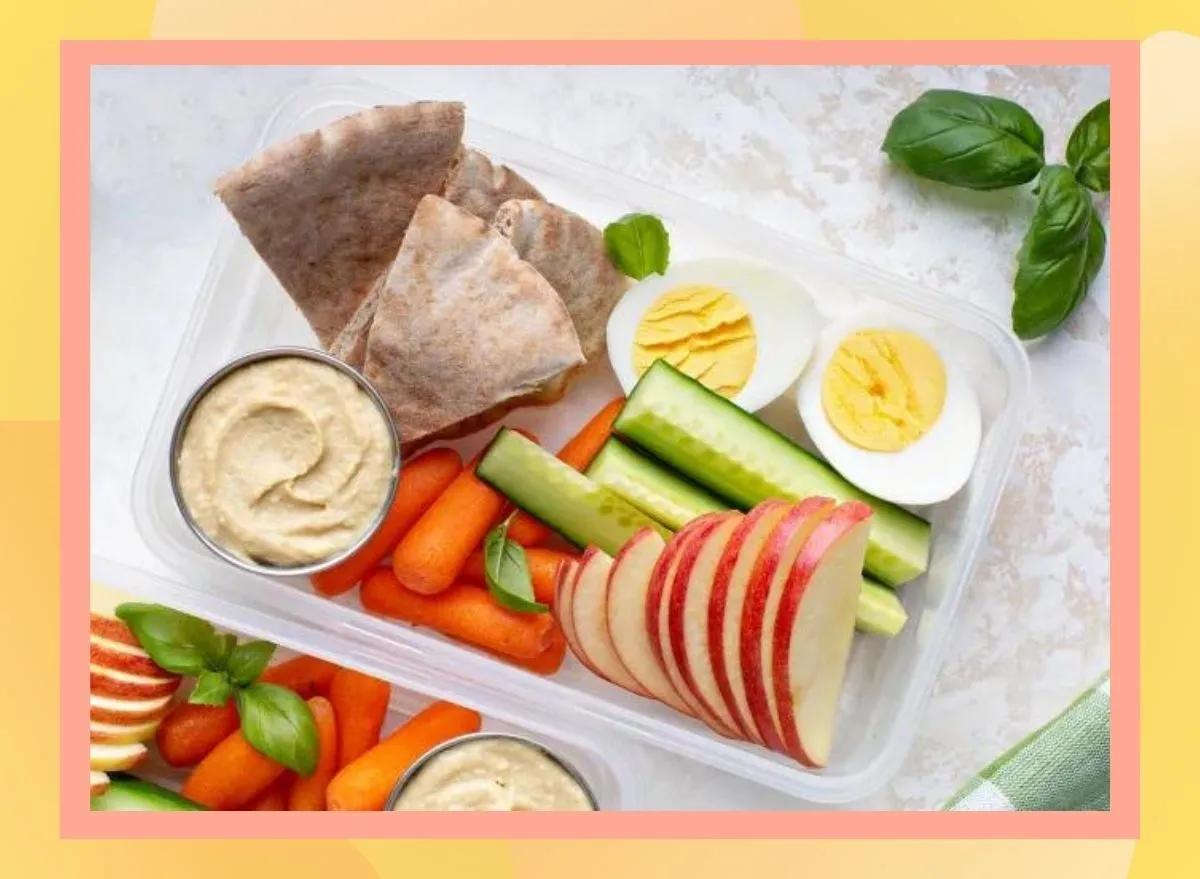
You're probably guilty of reaching for a protein bar or shake when hunger strikes, but let's be real, whole foods are where it's at. Think fresh fruits, nuts, and veggies - they're packed with nutrients and fibre that'll keep you full and satisfied. For example, a medium apple with a tablespoon of almond butter makes for a great snack, with around 4 grams of protein and 4 grams of fibre.
Prioritizing Protein-Rich Foods
Incorporating protein-rich foods into your diet isn't rocket science. You can start by adding Greek yogurt to your breakfast or snacking on hard-boiled eggs. Nuts and seeds like almonds, chia seeds, and hemp seeds are also great options, with about 6-8 grams of protein per ounce. If you're looking for inspiration, look at what athletes eat - quinoa, salmon, and chicken breast are staples for a reason.
Let's look at the case of Sarah, a busy working mom who swapped her processed protein bars for whole foods. She started her day with scrambled eggs and spinach, and snacked on carrot sticks with hummus. Her energy levels soared, and she lost 5 kg in 2 months. The key was planning her meals and prep - she now spends 30 minutes on Sundays prepping her snacks for the week.
Strategies for Healthy Snacking
So, how can you make healthy snacking a habit? Start by keeping whole foods visible and accessible. Prep your snacks in advance, and portion them out in containers. When shopping, stick to the outer aisles of the supermarket where the fresh produce is, and avoid the inner aisles where the processed foods lunge at you. And don't skip meals - eating regularly will keep your energy levels stable and prevent overeating.
- Eat protein-rich foods at every meal
- Prep your snacks in advance
- Keep whole foods visible and accessible
- Avoid processed snacks
Beyond Protein: The Bigger Picture
You've got your protein snacks, and you're crushing your fitness goals, right? But here's the thing: protein isn't the only player in the game. Think of it like a car – protein is the fuel, but you also need the right tires (fiber), engine oil (vitamins), and brakes (minerals) to get where you're going.
The Fiber Gap
Most protein snacks are seriously lacking in fiber. Like, take Quest Bars – they're high in protein (21 grams!), but often contain less than 5 grams of fiber. Compare that to a serving of almonds (3 grams of fiber, 6 grams of protein) or avocado (10 grams of fiber, 3 grams of protein), and you see the gap. Fiber keeps you full, regulates digestion, and feeds good gut bacteria.
The Micronutrient Mismatch
Relying solely on protein snacks means you're missing out on vitamins and minerals found in whole foods. For example, a study by the Journal of the International Society of Sports Nutrition found that athletes on protein-supplemented diets often have lower levels of vitamin D and calcium. Not exactly what you want for bone health!
Holistic Nutrition Matters
So, what's the takeaway? Balance is key. Pair your protein snacks with whole foods – think fruits, veggies, whole grains, and healthy fats. It's not about demonizing protein snacks; it's about being mindful of the bigger picture. As registered dietitian, Maya Feller says, "Food is not just about nutrients; it's about nourishment and pleasure."
Your body needs a symphony of nutrients – don't let protein be the only instrument playing.
Dive deeper: [Why is fiber important for weight loss?]((link unavailable)) [Can protein snacks be part of a balanced diet?]((link unavailable)) [What are some nutrient-dense snack alternatives?]((link unavailable))
Smart Snacking for a Healthier Tomorrow
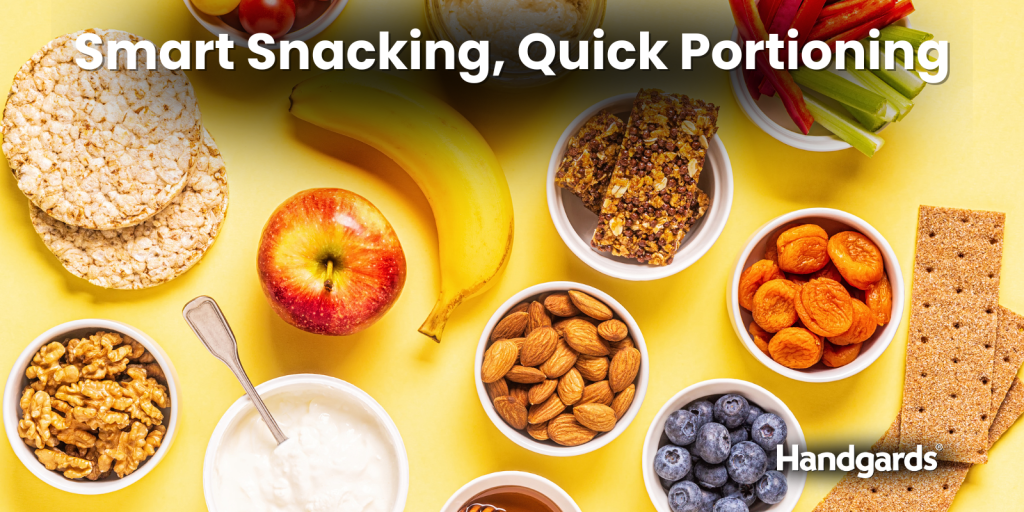
You've got the power to shape your eating habits and take control of your health. Making informed choices about protein snacks and meal replacements is a huge part of that. When you're armed with the right info, you're more likely to reach for options that fuel your body right, like a protein bar with wholesome ingredients or a handful of nuts and seeds.
Knowledge is Power
Understanding what's in your snacks can make all the difference. Take a look at the label: if it's loaded with added sugars, artificial flavours, or preservatives, you might want to think twice. Compare that to a snack like Greek yogurt with fruit and nuts – that's a nutritious combo that's high in protein and fibre. You're not just satisfying hunger; you're nourishing your body.
Developing sustainable habits takes time, and it's okay to start small. Try swapping out one unhealthy snack a day for something better. Maybe it's a piece of fruit with almond butter or a hard-boiled egg. Small changes add up, and before you know it, you're making choices that support your well-being without even thinking about it.
Your Health, Your Way
Empowering yourself with nutrition knowledge means you're the boss of your health journey. You're not just following trends or diets; you're making informed decisions that fit your lifestyle and goals. Whether you're hitting the gym, working from home, or running around with kids, there's a protein snack that can fit your needs – if you know what to look for.
So, what's your snacking strategy going to be? Are you ready to take the leap and make informed choices about your protein snacks and meal replacements? The future of your health is in your hands – make it a delicious one, one snack at a time.









Comments ()